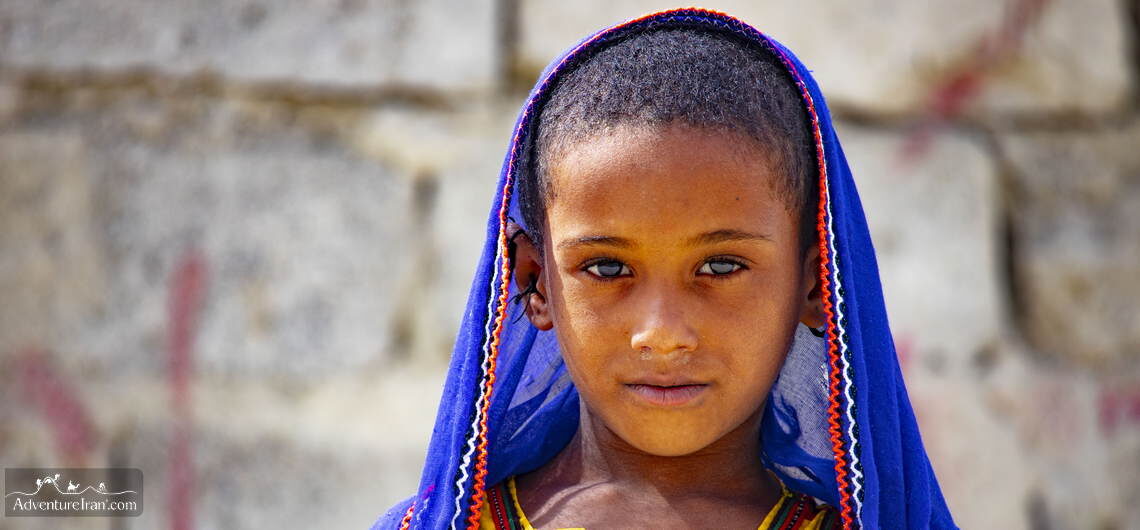
Photography Travel in Sistan and Baluchistan, Iran Iran with vast properties along different ethnic groups and tribes is one of the most amazing countries for Photography travel. Traveling to Iran as a photographer gives you a special opportunity to see what is not possible as a general Iran visitor. Traveling to non-touristic areas, meeting original people who still keep their culture and clothes, seeing the spectacular landscape of mountains or deserts, and the historical monuments of ancient places, which date back to a few thousand years ago, provides an amazing subject for your photography travel in Iran. Sistan and Baluchistan province is one of a few Iran destinations you could travel to as a photographer and experience something different. The province is one of the biggest Iran states with 11% of the property in the country. But many people have no idea about the highlights of this amazing destination. In our travel blog, you can read about this destination in the post named Sistan and Baluchistan Travel Guide and Advises. Along with the attractions in this province for general visitors, you could also travel to this corner of Iran to capture and complete the photo gallery of your travel. After a few years of organizing different active tours, we traveled to this province in February 2020 and March 2021 only for research and photography to find the spots for photographers for their adventure travel. Our first photography trip was based on general photography in the two regions of Sistan in the northern part of the province, and Baluchistan on the southern side of this province. The photography type was a combination of Landscape Photography, monuments, and photography of people. But the second trip only focused on portrait photography in the Baluchistan region. We have visited many different
Photography Travel in Sistan and Baluchistan, Iran Iran with vast properties along different ethnic groups and tribes is one of the most amazing countries for Photography travel. Traveling to Iran as a photographer gives you a special opportunity to see what is not possible as a general Iran visitor. Traveling to non-touristic areas, meeting original
Bakhtiari Nomadic Land Bakhtiari is the name of one major Iranian nomadic tribe living in the central part of the Zagros mountain range. To compare of other Iran Nomads, Bakhtiari nomadic land is very remote and far from civilization. It embraces the last remaining original and authentic nomadic tribes in Iran. Livestock raising is their profession, and their life is divided into two different periods: the hot and cold seasons. Iranian Bakhtiari nomads live in the low lands during the cold season and move to the high mountains with their families and animals during the hot season. In Persian, there is a special world of KOOCH for this kind of movement and lifestyle. The lifestyle based on Kooch is still alive and it is very fascinating to see. This traditional lifestyle would, unfortunately, disappear very soon in this artificial world. The people still live in basic tents with their ships and goats without facilities and electricity. For those who are interested in anthropology, this nomadic region would be one of the most impressive parts of Iran. The nomads still keep their original clothes and customs. Their wedding ceremonies and traditional dance are enchanting as well. The villages and the nomadic camps are other highlights of this region. The Bakhtiari nomadic tribe, their lifestyle, traditions, costumes, and their territory as a whole are must-sees for those who wish to experience them during their travel to Iran. All the above mentioned attractions have made this place one of the destinations for adventurous travelers who are looking for Off-the-Beaten-Track destinations in Iran by getting an Iran Nomad Tour. Travel to Bakhtiari nomadic region is full of experiences. Depending on your interest, you could have different travel styles and activities. If you are interested in Bakhtiaris’ Kooch and traveling along with them in
Bakhtiari Nomadic Land Bakhtiari is the name of one major Iranian nomadic tribe living in the central part of the Zagros mountain range. To compare of other Iran Nomads, Bakhtiari nomadic land is very remote and far from civilization. It embraces the last remaining original and authentic nomadic tribes in Iran. Livestock raising is their
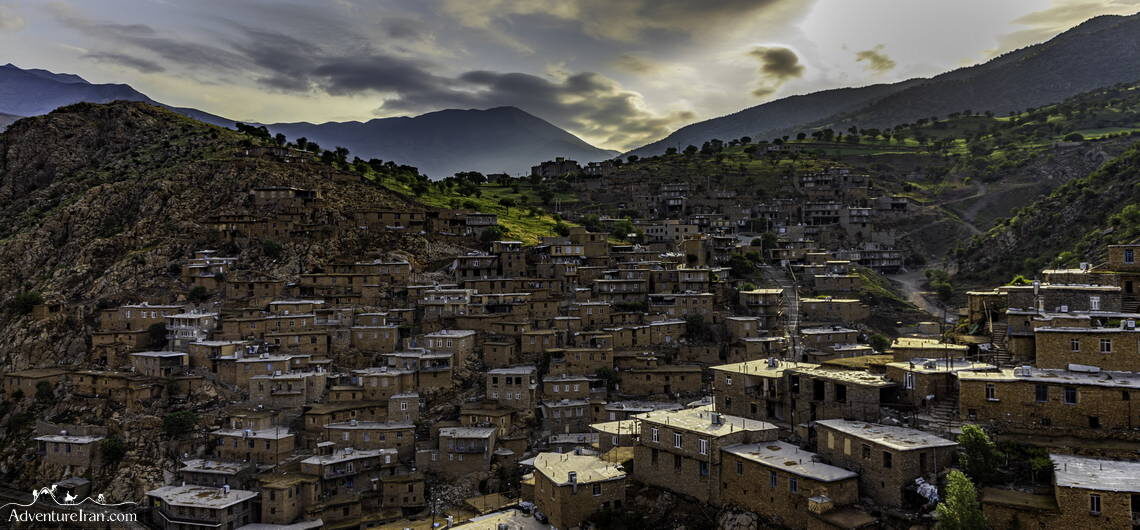
Photography Travel to Iran: Kurdistan & Hawraman Valley Iran is a vast country with many special destinations for travel photography. Depending on the type of your photography and your travel time, there are so many places you could travel to. Kurdish regions of Iran in the two provinces of Kurdistan and Kermanshah are the most exotic destinations in Iran for Photography. The amazing landscape of the mountains, the architecture of the houses in the villages, and the people with special costumes create a perfect destination for photographers around the world. Kurdish people's culture and lifestyle in the mountains in Hawraman valley in the heart of Zagros mountains have attracted many travelers' attention. Moreover, UNESCO registered the Cultural Landscape of Hawraman/Uramanats on the Iranian UNESCO world heritage sites in 2021. This destination is noticeable regarding three main aspects of photography: Landscape photography Portrait Photography Architecture photography In addition to the three above photography types in Iranian Kurdish regions, people's lifestyle who are living in the mountains, the Kurdish dance, their very famous musical instruments of Tanbur and Daf, and their long stories of Kurdish histories are other highlights of this region. There are a couple of annual festivals such as Pir Shaliar and Daf music performed in the Hawraman region. These traditional festivals are very interesting and attract many people from different countries annually for photography travel to Iran. The Kurdish women work together with men in the fields. They have had a hard life in the mountains and have fought against enemies for years. Besides all the above elements of the Iranian Kurdistan region, the hospitality of Kurdish people in the mountains, their simple life, their clothes, customs, food, and old traditions have made this region one of the new destinations of Iran for those who would like
Photography Travel to Iran: Kurdistan & Hawraman Valley Iran is a vast country with many special destinations for travel photography. Depending on the type of your photography and your travel time, there are so many places you could travel to. Kurdish regions of Iran in the two provinces of Kurdistan and Kermanshah are the most
Busiest Travel Days of Iran Holiday Season Why you should NOT consider your travel holiday during the busiest holidays in Iran! Iranians travel a lot in Iran and the number of domestic tours is increasing every year. Some travelers travel by themselves and some of them use local travel agencies or tour operators for their domestic holidays in Iran . They use public transport such as domestic airplanes and trains as well. Also, they use many standardized or even luxury hotels in the country along with guest houses and local homestays. As we have many official and unofficial public holidays on our calendar, sometimes it makes a very busy traveling time for your trip to Iran. These holiday as we mentioned in the post “Iranian National Holidays in the Calendar” sometimes makes booking difficult. In this useful travel advice, we will indicate the most important one for you as a traveler, travel agency, or tour operator who would like to travel to Iran. Below we listed the dates of continuous Iranian national holidays which make the busiest travel time in Iran for domestic travelers. During those dates, finding the hotels and air tickets would be difficult and all of the railway routes would be very busy and the trains are occupied by the locals. If you would like to travel to Iran during the below dates, you have to be aware of your travel time. If you are interested in traveling by train or you are using our Train Journeys, we suggest do not travel during those dates. When some of the listed two days holidays are fixed on the weekdays, the locals take more days off and attach them to the weekend. The weekend in Iran is Thursdays and Fridays. If you couldn’t change your travel date and the
Busiest Travel Days of Iran Holiday Season Why you should NOT consider your travel holiday during the busiest holidays in Iran! Iranians travel a lot in Iran and the number of domestic tours is increasing every year. Some travelers travel by themselves and some of them use local travel agencies or tour operators for their
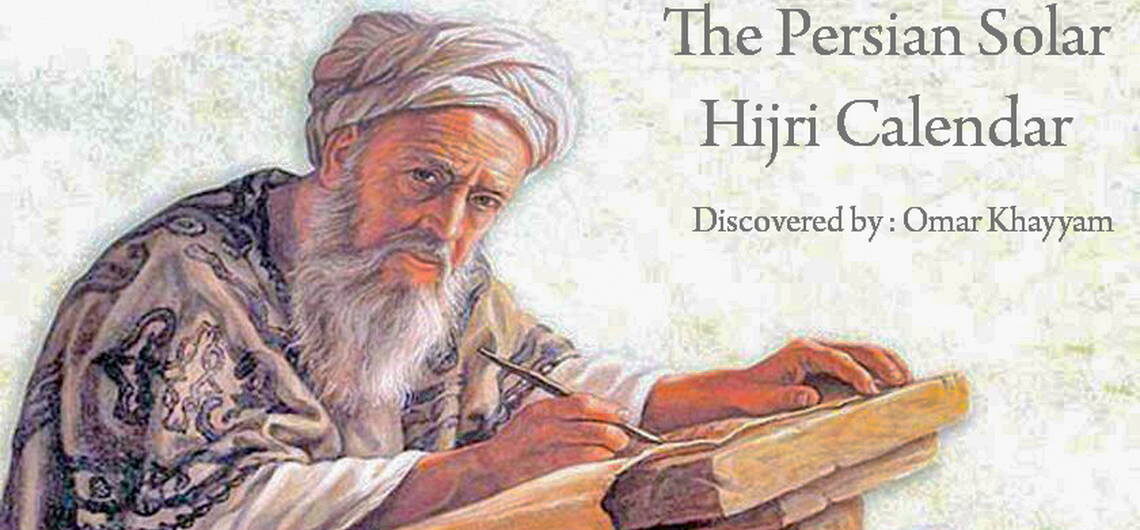
Iranian Ancient holidays versus the Muslim holidays Iran has 22 days of official national holidays which are marked in our Shamshi calendar and more unofficial holidays that most domestic travelers use for their holiday time. Some of the occasions date back to Ancient Persia to the Zoroastrian important events such as Persian New Year (Nowrooz) while many of them are related to the religious holidays which are mostly used in Shiite Muslim countries. Some also commemorate contemporary historical events. The ancient Iranian holidays are fixed every year on the Persian calendar because they are considered on the Solar Hijri calendar “Shamsi Calendar” with 365 days. So you could mark it on your calendar “Gregorian calendar” as a fixed date for Iran’s holiday. But the Muslim religious holidays of Iran do not have a fixed date in the Persian Calendar. Because those dates sets on the Lunar calendar which is mostly used in the Islamic Shia countries. The number of days on this calendar is between 354 to 355 days. This makes about a 10-11 days difference to our Persian calendar. So the national religious holidays of Iran move forward between 10-11 days every year and it makes it complicated for those who would like to travel to Iran or for travel agencies, tour operators, and other companies who work with Iran. Below is the list of Iranian Public holidays and some details: Index Event Days Local Name Remarks Type of Calendar 1 Persian New Year 4 Nowruz Celebrating Iranian Ancient New Year Solar 2 Nature Day 1 Sizdah Be-dar Celebrating the rebirth of nature after Nowruz Solar 3 Islamic Revolution Day 1 Dahe-ye Fajr (celebrating Iran’s Islamic revolution for 10 days) contemporary historical events Solar 4 The demise of Imam Khomeini 1 Rehlat-e Eman contemporary historical events Solar 5 15
Iranian Ancient holidays versus the Muslim holidays Iran has 22 days of official national holidays which are marked in our Shamshi calendar and more unofficial holidays that most domestic travelers use for their holiday time. Some of the occasions date back to Ancient Persia to the Zoroastrian important events such as Persian New Year (Nowrooz)
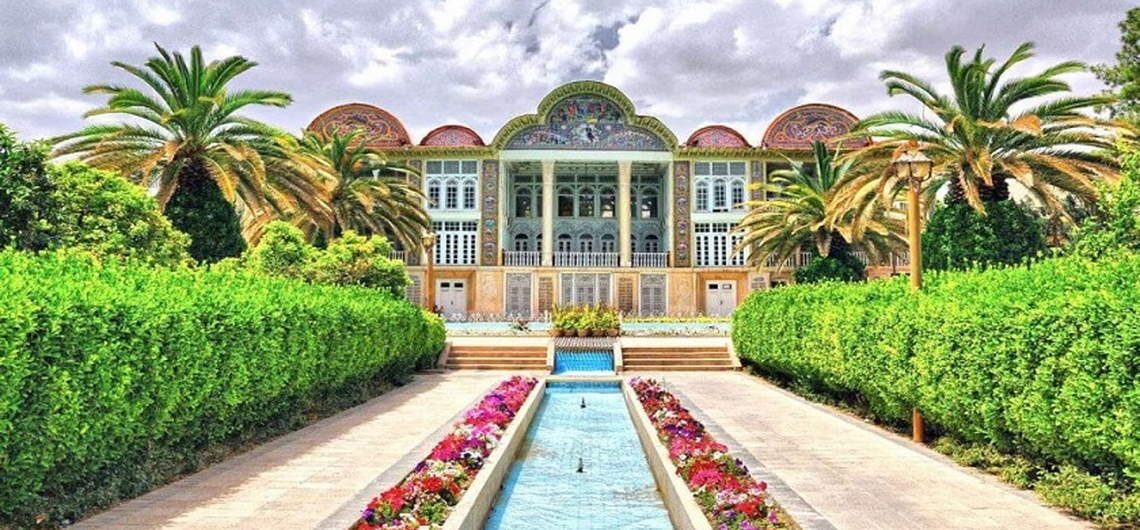
Persian Gardens of Iran The UNESCO Sites Persian Gardens is one of Iran's 28 UNESCO World Heritage Sites (as of September 2024). One of Iran’s main tourist attractions is Iranian historical gardens, which are situated in different regions of Iran. UNESCO collected 9 gardens under the name of the Persian Gardens and registered them in their heritage sites in 2011. Across time and in various climates, this type of designed garden has taken on a multitude of forms. Chahar Bagh, or the Persian Garden's original principle, adapts in new ways over the centuries. It first matured in the garden of Cyrus the Great's palace complex, in Pasargadae, more than two thousand years ago. Persian Garden exemplifies the ideals of art, philosophy, symbolism, and religion through a combination of natural elements and man-made elements. In a way, the Persian Garden is an Earthly Paradise or Eden. No Name of the Gardens Region Province/ City Geographical Coordinates 1 Ancient Garden of Pasargadae Iran Plateau Fars/Shiraz N: 30˚ 10΄ 0.0΄΄ E: 53˚ 10΄ 0.0΄΄ 2 Bagh-e Eram Iran Plateau Fars/Shiraz N: 29˚ 38΄ 10.03΄΄ E: 52˚ 31΄ 31΄΄ 3 Bagh-e Chehel Sotun Iran Plateau Esfahan/Isfahan N: 32˚ 39΄ 27΄΄ E: 51˚ 40΄ 20΄΄ 4 Bagh-e Fin West of Dasht-e Kavir Desert Esfahan/ Kashan N: 33˚ 22΄ 20.53΄΄ E: 51˚ 22΄ 20.53΄΄ 5 Bagh-e Abas Abad Caspian Sea Mazandaran/ Behshahr N: 36˚ 39΄ 50΄΄ E: 53˚ 35΄ 38΄΄ 6 Bagh-e Shahzadeh South west of Dasht-e Lut Desert Kerman/ Mahan N: 30˚ 01΄ 30΄΄ E: 57˚ 16΄ 59΄΄ 7 Bagh-e Dolat Abad Iran Plateau Yazd/Yazd N: 31˚ 54΄ 12.30΄΄ E: 54˚ 21΄ 6.59΄΄ 8 Bagh-e Pahlavanpur Iran Plateau Yazd/ Mehriz N: 31˚ 33΄ 36.6΄΄ E: 54˚ 26΄ 25.21΄΄ 9 Bagh-e Akbariyeh Desert (North of Dasht-e Lut) Southern Khorasan/ Birjand N: 32˚ D1΄ 10΄΄
Persian Gardens of Iran The UNESCO Sites Persian Gardens is one of Iran’s 28 UNESCO World Heritage Sites (as of September 2024). One of Iran’s main tourist attractions is Iranian historical gardens, which are situated in different regions of Iran. UNESCO collected 9 gardens under the name of the Persian Gardens and registered them in
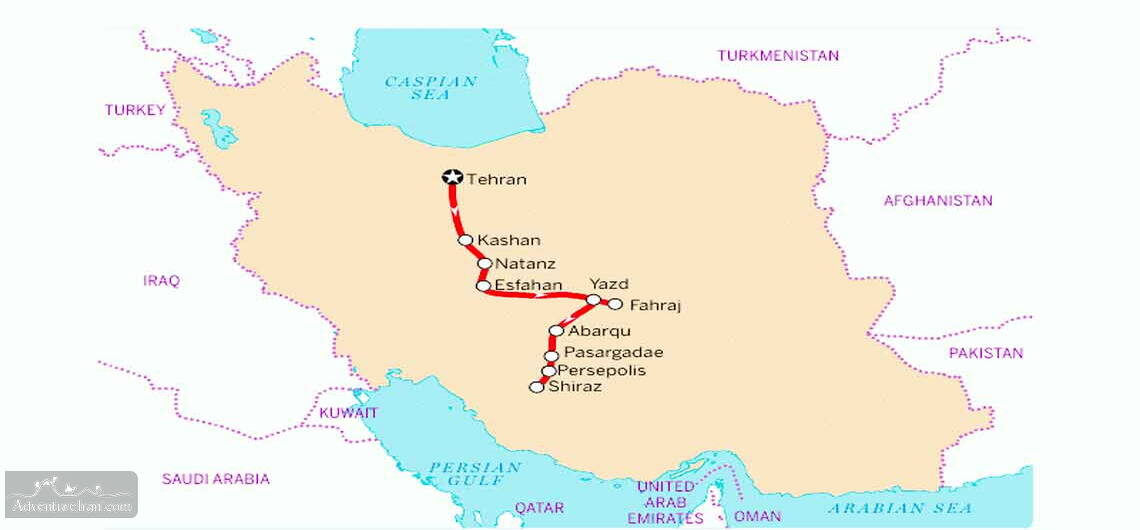
Classic Route of Iran for Photography Iran is a very popular destination for photographers and photography fans. One of the most important reasons why Iran was added to the list of special travel destinations in the world was photography in Iran. With the rise of social media and its growing popularity around the world as well as the urgent need for creating unique content on various platforms, the number of influencers who travel to Iran has considerably increased in recent years. Many of them travel through the Classic Route of Iran for photography and explore some of Iran's UNESCO world heritage sites. They wish to take amazing photos of Iran's best locations. Iran is so vast and diverse in both cultural and natural attractions that it offers the best photography locations for Instagram or other image-based social media in all four seasons. If you are a specialist photographer, Iran offers you great impressive subjects and locations for most photography types. For those who are interested in Landscape and People Photography in Iran, there are various destinations like Kurdistan, Turkmen Plain, Baloochistan, Bakhtiari Nomadic Region, Persian Gulf and the islands, as well as the Azari Region of Iran, and Arabic tribes who live in the southwest of Iran in Khuzestan. Depending on your travel time and your interest, you could travel all year round to all the above regions of Iran in the Best Travel Time to Visit. If you are a generalist photographer or just enjoying travel photography and you are interested in exploring the Best of Iran, you should travel through Iran Classic Route. Iran is famous for historical and cultural attractions and the majority of travelers who are exploring Iran prefer to visit the main attractions of the country and pass through the 5 of Iran's main
Classic Route of Iran for Photography Iran is a very popular destination for photographers and photography fans. One of the most important reasons why Iran was added to the list of special travel destinations in the world was photography in Iran. With the rise of social media and its growing popularity around the world as
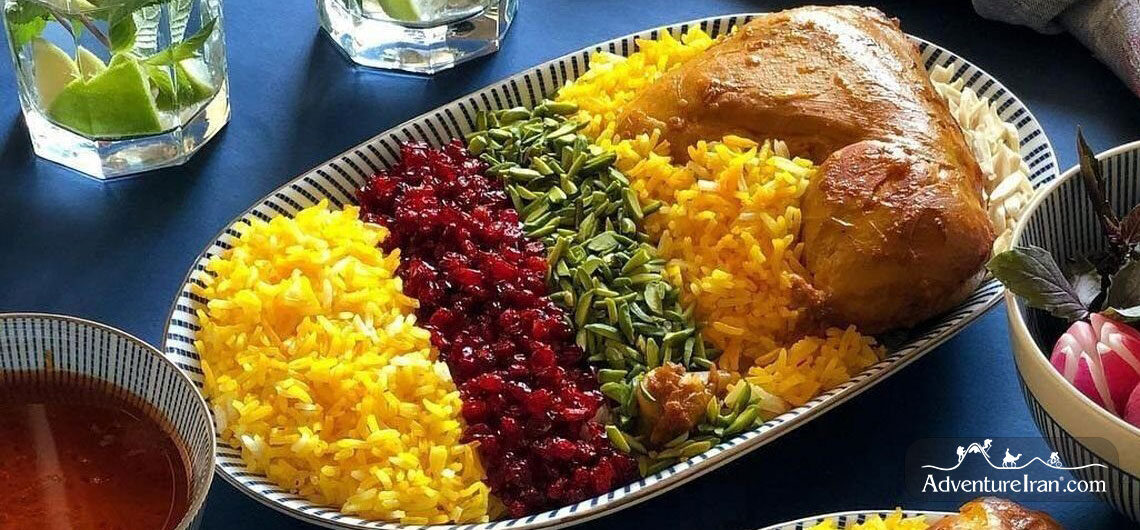
Iran Cooking Tour and Persian Cuisine Iran cooking tours and Persian Cuisine like many other things in Iran is not well known. Iranian delicious foods should be on the menu of many important national restaurants everywhere else like Japanese, Thai and Vietnamese food in East Asia, but unfortunately, the lack of marketing and other different issues affected this matter and the majority of travelers have no idea about the Persian Cuisine before their trip to Iran. Even if you know about Iranian cuisine, you should have good local contacts or invitations to the house of locals to taste different traditional Iranian foods. In addition, another important thing that makes Iran very different with other countries is that Iran has varied categories of foods belonging to different ethnic and tribes. If you would like to know deeply about the Persian Cuisine, you have to know that there is wisdom behind their meals, which is deeply related to the regions and climate and weather system of that location. It means the meals of every region is connected to the Persian traditional medicine and it is very important for the health system of the people. For example, the meals of the Caspian Region in Gilan province are different from people who live in the desert regions of Iran like Kerman or those who live in the Iranian Plateau like Meymand (UNESCO) and those who live in southern part of Iran in Bushehr, Baluchistan and Bandar Abbas. Another interesting fact about Persian cuisine is that they had meals for different seasons of the year based on traditional medicine practices, these categorization took the products of the season and the region that the food was made in to consideration. Recently, the numbers people who are interested in Iranian foods are increased and many people
Iran Cooking Tour and Persian Cuisine Iran cooking tours and Persian Cuisine like many other things in Iran is not well known. Iranian delicious foods should be on the menu of many important national restaurants everywhere else like Japanese, Thai and Vietnamese food in East Asia, but unfortunately, the lack of marketing and other different
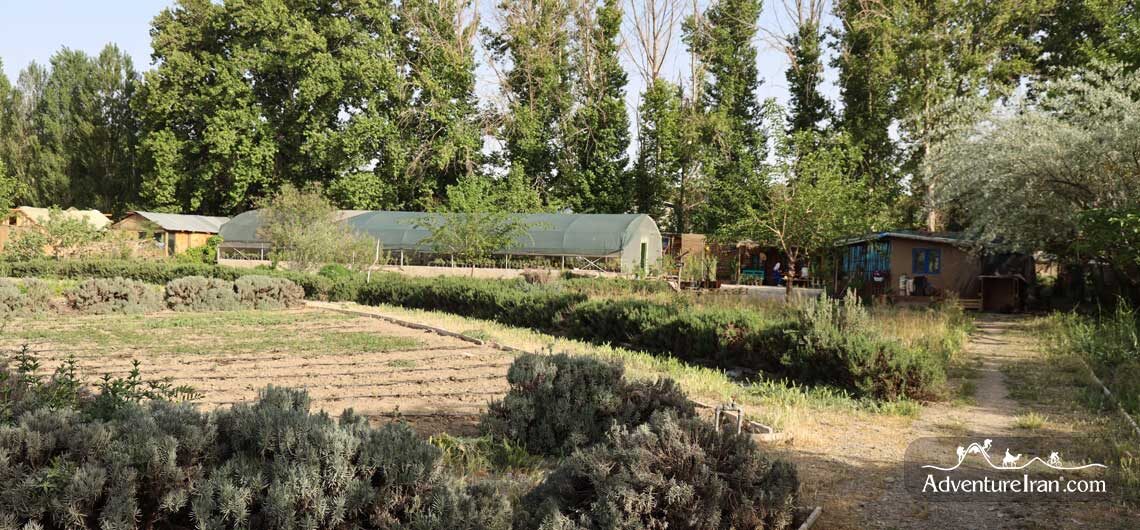
Bagh Firuze Medicinal Herb Garden Bagh Firuze is a Garden dedicated to Agritourism focusing on Permaculture (sustainable and self-sufficient) farming that started working in the year 2010. Firuze garden offers a variety of programs and events to the general public and it is the best place for Agriculture & Agriculture Operations students to explore and learn about important medicinal herbs of Iran. This garden, placed in one of the villages on the outskirts of Tehran has a unique collection of Medicinal and Aromatic herbs and with the slogan of “A plant a day” takes care of 365 kinds of herbs yearly which you can visit and learn about on the farm. The rest of the farm is for the plantation of common herbs and vegetables. These get planted seasonally and visitors can pick anything they want for their taking and the products of this field can be bought from the farmer’s shop in the garden. Also, a small café is stationed in the garden too that gets its material for their delicious Herbal drinks and foods from the garden as well. Activities of Firuze garden There are 3 main activities you can do in this 4 Hectare farm: 1. The collection The plants in the collection are engrained yearly and each one of them has a special usage and properties in Iranian traditional medicine. Many groups of students visit this part yearly for their scientific research because besides traditional herbs of Iran many foreign herbs get planted in the collection too. A specialist accompanies these groups as a tour guide for a more detailed presentation of the area. The 4 corners of the garden are named after 4 Persian scientists active in the field of medicine and traditional medicine of Iran: Avicenna, Rhazes, al-Biruni and Zayn al-Din Gorgani. 2. Dasht-e
Bagh Firuze Medicinal Herb Garden Bagh Firuze is a Garden dedicated to Agritourism focusing on Permaculture (sustainable and self-sufficient) farming that started working in the year 2010. Firuze garden offers a variety of programs and events to the general public and it is the best place for Agriculture & Agriculture Operations students to explore and
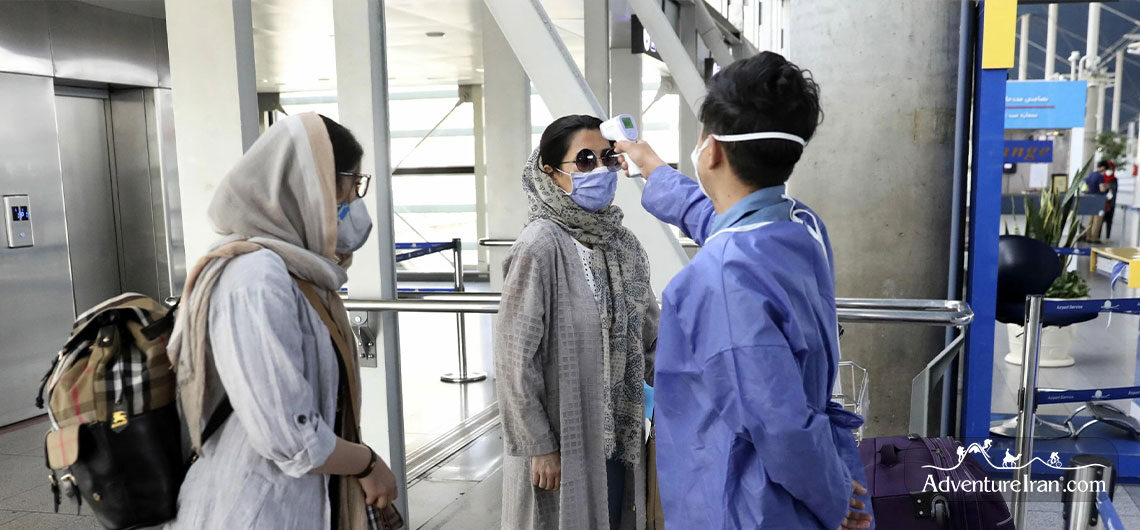
COVID-19 Travel Regulations for Iran (UPDATE) 25th of May 2022 Iran travel regulations have been updated and entering the country can now be made easier by the new rules and regulation set up by the Ministry of Cultural Heritage, Tourism, and Handicrafts. Iran's Deputy Minister of Cultural Heritage, Tourism, and Handicrafts Ministry, Mr. Ali Asghar Shalbafian, said: "According to Iran's National Headquarters for Coronavirus Control, Travelers and tourists can currently travel to Iran presenting either a double vaccination certificate or a negative corona test (PCR)." Previously, foreign tourists could enter the country if they provided both a vaccination certificate and a negative result of the Corona test. Now, to facilitate the entry and exit of foreign tourists from the air, land, and sea borders, both Iranian citizens, as well as citizens of countries that are not among the high-risk countries, can have only one of the two conditions to get an Iran visa. All passengers over the age of 12 can now present a vaccination certificate of COVID-19 in English showing that they were fully vaccinated at least 14 days before arrival, or a negative COVID-19 PCR or RT-PCR test taken at most 72 hours before departure from the first embarkation point. For those under the age of 12, neither a vaccination certificate nor PCR test is required. Since March 2020, Iran’s borders were closed to the world due to the Covid-19 pandemic. After 20 months of suspension, Iran's borders were reopened on 27th October 2021, so that foreign nationals were able to apply for an Iran tourist visa. From late October until the time being, Iran has experienced a 10 percent increase in foreign tourist arrivals. Now that the coronavirus pandemic has been almost under control, it is anticipated that Iran's travel and tourism industry experiences considerable growth until the
COVID-19 Travel Regulations for Iran (UPDATE) 25th of May 2022 Iran travel regulations have been updated and entering the country can now be made easier by the new rules and regulation set up by the Ministry of Cultural Heritage, Tourism, and Handicrafts. Iran’s Deputy Minister of Cultural Heritage, Tourism, and Handicrafts Ministry, Mr. Ali