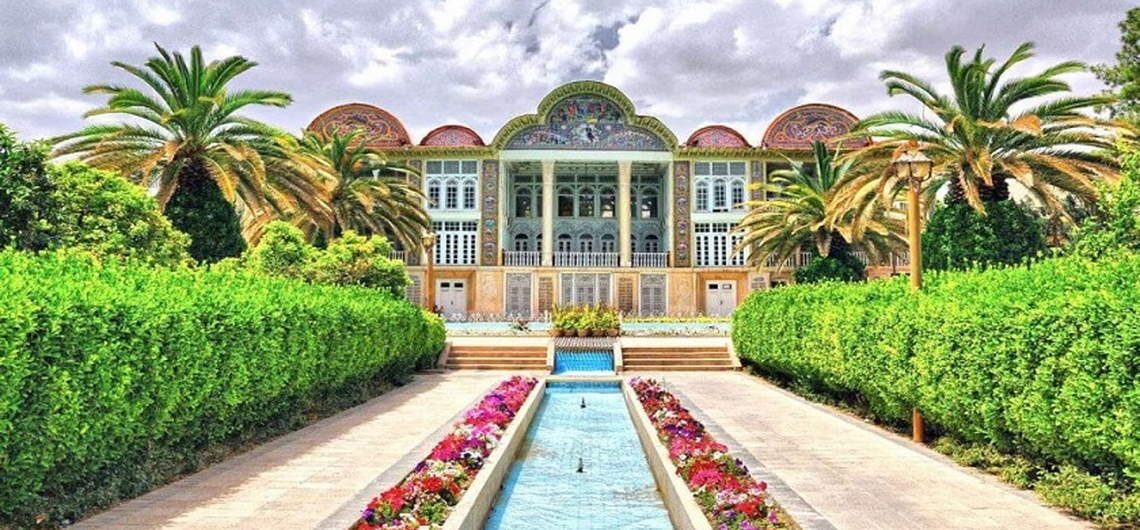
Persian Gardens of Iran The UNESCO Sites Persian Gardens is one of Iran's 28 UNESCO World Heritage Sites (as of September 2024). One of Iran’s main tourist attractions is Iranian historical gardens, which are situated in different regions of Iran. UNESCO collected 9 gardens under the name of the Persian Gardens and registered them in their heritage sites in 2011. Across time and in various climates, this type of designed garden has taken on a multitude of forms. Chahar Bagh, or the Persian Garden's original principle, adapts in new ways over the centuries. It first matured in the garden of Cyrus the Great's palace complex, in Pasargadae, more than two thousand years ago. Persian Garden exemplifies the ideals of art, philosophy, symbolism, and religion through a combination of natural elements and man-made elements. In a way, the Persian Garden is an Earthly Paradise or Eden. No Name of the Gardens Region Province/ City Geographical Coordinates 1 Ancient Garden of Pasargadae Iran Plateau Fars/Shiraz N: 30˚ 10΄ 0.0΄΄ E: 53˚ 10΄ 0.0΄΄ 2 Bagh-e Eram Iran Plateau Fars/Shiraz N: 29˚ 38΄ 10.03΄΄ E: 52˚ 31΄ 31΄΄ 3 Bagh-e Chehel Sotun Iran Plateau Esfahan/Isfahan N: 32˚ 39΄ 27΄΄ E: 51˚ 40΄ 20΄΄ 4 Bagh-e Fin West of Dasht-e Kavir Desert Esfahan/ Kashan N: 33˚ 22΄ 20.53΄΄ E: 51˚ 22΄ 20.53΄΄ 5 Bagh-e Abas Abad Caspian Sea Mazandaran/ Behshahr N: 36˚ 39΄ 50΄΄ E: 53˚ 35΄ 38΄΄ 6 Bagh-e Shahzadeh South west of Dasht-e Lut Desert Kerman/ Mahan N: 30˚ 01΄ 30΄΄ E: 57˚ 16΄ 59΄΄ 7 Bagh-e Dolat Abad Iran Plateau Yazd/Yazd N: 31˚ 54΄ 12.30΄΄ E: 54˚ 21΄ 6.59΄΄ 8 Bagh-e Pahlavanpur Iran Plateau Yazd/ Mehriz N: 31˚ 33΄ 36.6΄΄ E: 54˚ 26΄ 25.21΄΄ 9 Bagh-e Akbariyeh Desert (North of Dasht-e Lut) Southern Khorasan/ Birjand N: 32˚ D1΄ 10΄΄
Persian Gardens of Iran The UNESCO Sites Persian Gardens is one of Iran’s 28 UNESCO World Heritage Sites (as of September 2024). One of Iran’s main tourist attractions is Iranian historical gardens, which are situated in different regions of Iran. UNESCO collected 9 gardens under the name of the Persian Gardens and registered them in
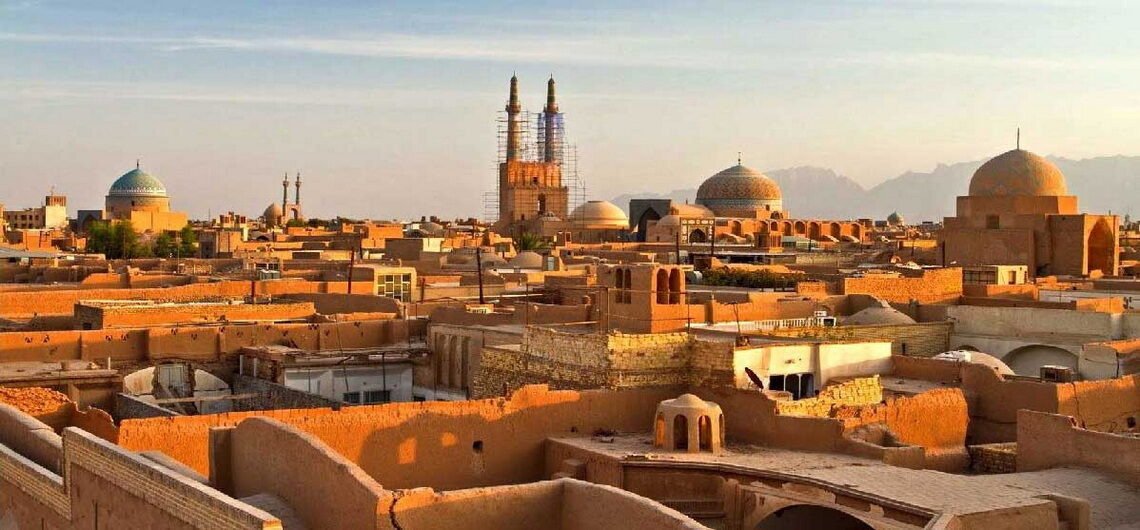
YAZD The UNESCO World Heritage City Yazd is one of the most beautiful earthen cities in the world and because of its unique attractions, it draws many tourists and travelers every year from all around the world. Yazd is the first earthen city and the second historic city in the world after Venice, Italy. It is located in the southeast of Iran close to the historic Silk Road. The city is situated between the Shirkuh and Kharang mountain ranges, in a wide valley. Yazd is well-known as ‘The City of Wind-catchers’, ‘City of Sweets’, and ‘City of Bicycle’. In 2017, the historical city of Yazd was recognized as a World Heritage Site by UNESCO. Yazd monuments are very diverse. In this article, we will introduce some of the most important sights of Yazd city. Jameh Mosque of Yazd Jame Mosque of Yazd is one of the most beautiful, unique, and important tourist attractions of Iran which was built in the 6th century AH (12 century AD) and its restoration has continued until the last decade. According to ancient documents, the construction and completion of the Yazd Mosque took close to a century and in different historical periods. The most important of these are the Ilkhanate, Safavid dynasty, the Timurid Empire, The Muzaffarid dynasty, and Qajar dynasty. Jameh Mosque of Yazd is one of the most extraordinary and unique monuments that has fascinated many people all around the world. There are six entrances to this great mosque, and each is built in different parts of the structure. The height of the minarets is over 52 meters and 6 meters in diameter which has earned the title of the tallest minaret among Persian historical mosques. Zoroastrian Temple This valuable monument is one of the spectacular attractions that you should not forget
YAZD The UNESCO World Heritage City Yazd is one of the most beautiful earthen cities in the world and because of its unique attractions, it draws many tourists and travelers every year from all around the world. Yazd is the first earthen city and the second historic city in the world after Venice, Italy. It