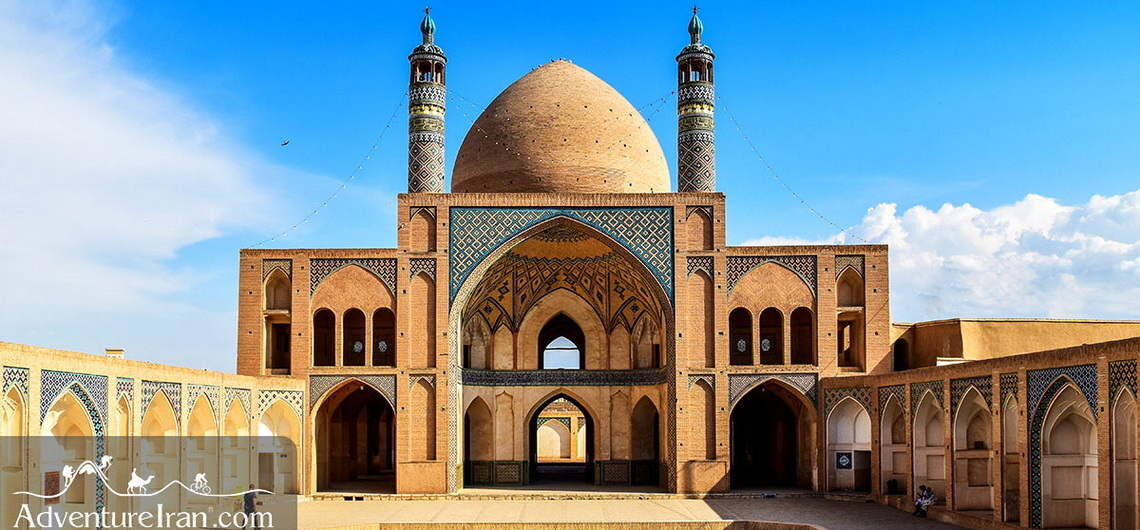
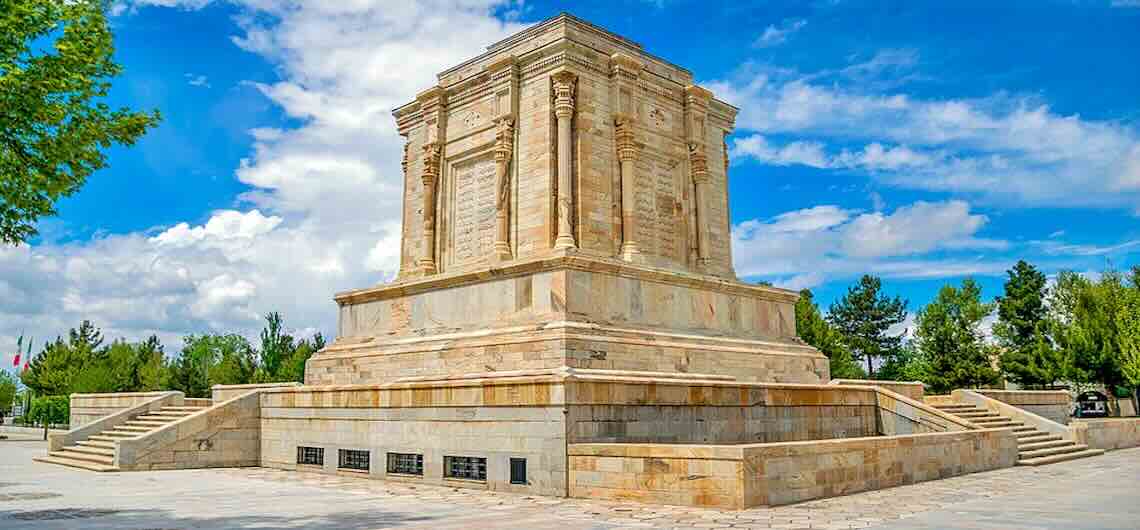
7 Most Famous UNESCO World Heritage Sites in Iran Iran has 29 UNESCO World Heritage Sites as of July 2025. In overall 27 of which are cultural heritage sites and 2 are natural sites. The first Iranian sites registered with UNESCO were Persepolis and Chogha Zanbil, which were registered in 1979. The latest registered sites are the Prehistoric Sites of the Khorramabad Valley registered in July 2025, Hegmataneh registered in July 2024 and the Persian Caravanserai, registered in September 2023 and the Cultural Landscape of Hawraman/Uramanat, registered in June 2021. Iran has proudly secured its place among the top 10 countries with the most UNESCO World Heritage Sites, a remarkable achievement that highlights its rich cultural and natural heritage. With all recognized sites, Iran stands as a testament to millennia of history, from the grandeur of the ancient Persian Empire to the artistic brilliance of the Islamic Golden Age. Iconic landmarks like Persepolis, Naqsh-e Jahan Square, and the Lut Desert showcase the country’s unique blend of architectural mastery, historical significance, and breathtaking natural beauty. This recognition not only underscores Iran’s importance as a global heritage destination but also invites travelers and history enthusiasts to explore its unparalleled treasures. For adventurers seeking to connect with the roots of human civilization, Iran is a must-visit destination that continues to inspire awe and admiration. These 28 Iranian UNESCO sites are located throughout Iran, 7 of which are situated along the Iran Classic Tourism route. The Iran Classic route crosses through 5 main tourist destinations which are Tehran, Kashan, Esfahan, Yazd, and Shiraz. Most travelers start this route in Tehran as the majority of international flights land in the capital, although a minority of visitors commence their trip from Shiraz. There are also a few other international airports in Iran as well as the
7 Most Famous UNESCO World Heritage Sites in Iran Iran has 29 UNESCO World Heritage Sites as of July 2025. In overall 27 of which are cultural heritage sites and 2 are natural sites. The first Iranian sites registered with UNESCO were Persepolis and Chogha Zanbil, which were registered in 1979. The latest registered
Kandovan : Iran’s Ancient Rock-Cut Village Nestled in the northwest of Iran, Kandovan Village is one of the country’s most fascinating Iran off-the-beaten-track destinations. Located approximately 60 km from Tabriz, this unique village is famous for its troglodyte dwellings, carved into volcanic rock formations. Often compared to Cappadocia in Turkey, Kandovan offers an authentic glimpse into a lifestyle that has remained unchanged for centuries. Kandovan is the first Iranian village registered on the list of UNESCO Best Tourism Villages and its one of Iran's most Beautiful villages. A Living Cave Village What makes Kandovan truly special is that it is one of the few still-inhabited rock villages in the world. Unlike other ancient cave settlements that have been abandoned or turned into museums, the people of Kandovan still live in these rock-hewn homes, following their traditional way of life. The natural volcanic formations, shaped by thousands of years of erosion, have been transformed into multi-story cave dwellings, complete with windows, doors, and even electricity. Some of these homes date back over 700 years. The Architecture of Nature The houses in Kandovan are known as “karan”, meaning beehive-shaped structures made from soft volcanic tuff. The thick stone walls provide natural insulation, keeping the interiors cool in summer and warm in winter, making them incredibly energy-efficient. Many of the homes have been expanded over generations, with new sections dug out and connected by tunnels or staircases. Experiencing Local Life of Kandovan Visiting Kandovan is a step back in time. The villagers still practice traditional livelihoods, such as sheep herding, carpet weaving, and producing local dairy products like honey and butter. Walking through the narrow alleys of the village, you’ll find local bazaars selling handicrafts, dried fruits, and medicinal herbs. For travelers looking for a truly immersive experience, Kandovan
Kandovan : Iran’s Ancient Rock-Cut Village Nestled in the northwest of Iran, Kandovan Village is one of the country’s most fascinating Iran off-the-beaten-track destinations. Located approximately 60 km from Tabriz, this unique village is famous for its troglodyte dwellings, carved into volcanic rock formations. Often compared to Cappadocia in Turkey, Kandovan offers an authentic
The Prehistoric Sites of the Khorramabad Valley Iran’s Newest UNESCO World Heritage Site Introduction In July 2025, the Prehistoric Sites of the Khorramabad Valley were inscribed in UNESCO as the 29th UNESCO World Heritage Site in Iran, marking another major achievement in recognizing the country’s rich and ancient heritage. Situated in Lorestan province, in western Iran, this valley is a treasure trove of archaeological significance, representing over 60,000 years of human history. Where is Khorramabad Valley? The Khorramabad Valley lies in the Zagros Mountains of Lorestan province, a region known for its lush landscapes, caves, and early human settlements. The valley includes sites that span from the Lower Paleolithic to the Iron Age, making it one of the most continuous records of prehistoric life in the Middle East. What Makes the Site So Important? The valley contains 12 archaeological sites, including major cave shelters such as Kaldar Cave, Yafteh Cave, and Ghamari Cave, where evidence of human occupation from over 40,000 years ago has been uncovered. These sites have yielded tools, ornaments, bones, and evidence of some of the earliest known Neanderthal and early modern human activity in the Iranian plateau. UNESCO describes the site as having “exceptional evidence of the development of human culture, spirituality, and technology during prehistory.” It provides a unique window into the transition from hunter-gatherer societies to early agricultural life. Why Visit the Khorramabad Valley? Cultural Depth: Explore ancient caves that once sheltered prehistoric humans. Natural Beauty: The valley is surrounded by forests, mountains, and rivers—perfect for adventure and nature lovers. Off-the-Beaten-Path: Unlike Iran’s more touristic destinations, this site offers a quiet and immersive experience into both nature and ancient history. Access to Lorestan Culture: The area is also home to Lur tribes, known for their distinctive culture, music, and hospitality.
The Prehistoric Sites of the Khorramabad Valley Iran’s Newest UNESCO World Heritage Site Introduction In July 2025, the Prehistoric Sites of the Khorramabad Valley were inscribed in UNESCO as the 29th UNESCO World Heritage Site in Iran, marking another major achievement in recognizing the country’s rich and ancient heritage. Situated in Lorestan province, in
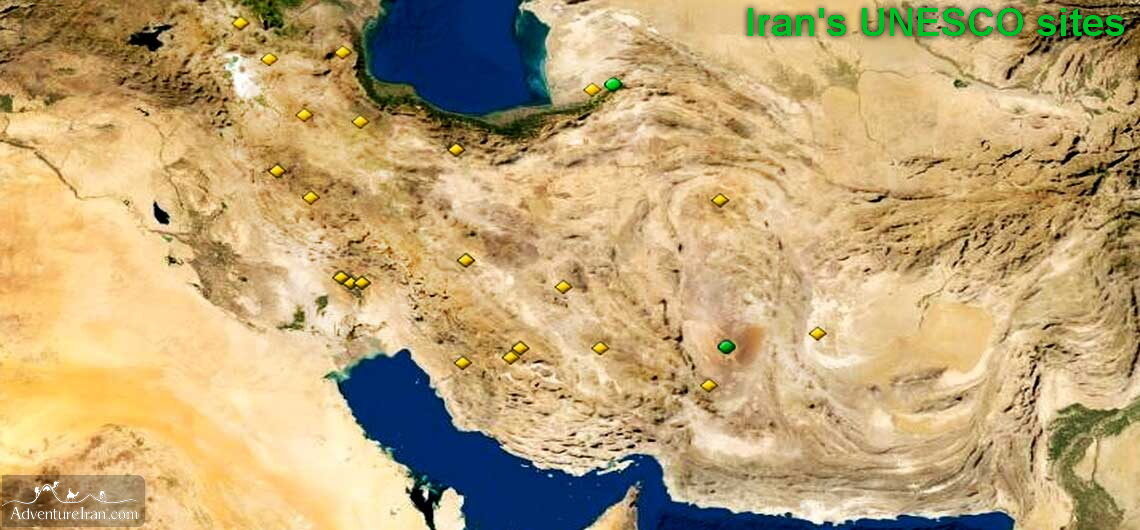
The UNESCO World Heritage Sites of Iran Iran, a land rich in history and culture, boasts 29 UNESCO World Heritage Sites as of July 2025, making it one of the top countries globally for such recognized sites. From all 29 registered sites, 27 of which are cultural and 2 are natural heritage sites. These sites, spanning from ancient archaeological ruins to lush natural landscapes, reflect the country’s diverse heritage and its significance in human civilization. Iran has proudly earned its place among the top 10 countries with the most UNESCO World Heritage Sites, a testament to its extraordinary cultural and natural heritage. This remarkable achievement underscores Iran’s significance as a treasure trove of history, art, and breathtaking landscapes. To fully explore this vast country, you would need several months to visit not only all of Iran’s UNESCO World Heritage Sites but also the many hidden gems in off-the-beaten-track destinations. Most first-time visitors focus on Iran’s well-known tourist cities along the famous Classic Route, which offers a perfect introduction to the country’s rich history and culture. This Cultural Classic Route covers seven of Iran’s Famous UNESCO World Heritage Sites, located in Tehran, Isfahan, Yazd, and Shiraz. However, the remaining UNESCO sites are scattered across Iran’s diverse landscapes, from remote deserts to lush forests and historic trade routes. The Iran UNESCO World Heritage Map below provides a clearer perspective on the locations of these sites, helping you plan your journey and visualize their distribution across the country. Choosing the right trip at the right time is the first step in planning your holiday in Iran. To help you make an informed decision, we recommend checking out some of our key posts, such as “Iran Best Tour,” “Best Time to Visit Iran,” and “10 Most Important Travel Tips Before Visiting
The UNESCO World Heritage Sites of Iran Iran, a land rich in history and culture, boasts 29 UNESCO World Heritage Sites as of July 2025, making it one of the top countries globally for such recognized sites. From all 29 registered sites, 27 of which are cultural and 2 are natural heritage sites. These
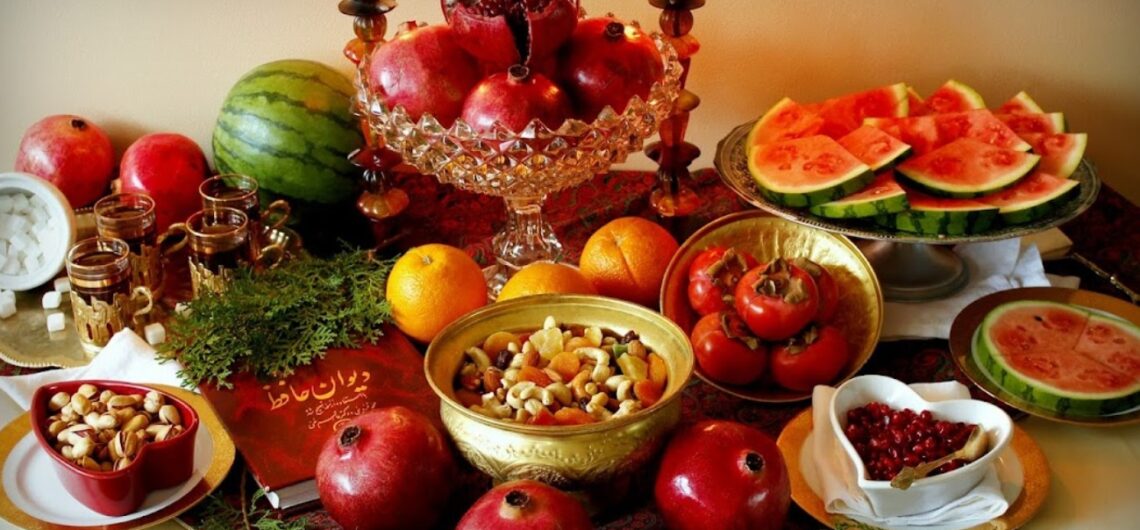
Yalda Night in Iran: A Celebration of Light and Warmth Yalda Night, also known as Shab-e Yalda, is one of Iran’s most cherished celebrations. It marks the winter solstice, the longest night of the year, when families gather to honor ancient traditions of light, hope, and togetherness. For travelers exploring Iran, experiencing Yalda Night is a unique opportunity to connect with the country’s rich cultural heritage. The History of Yalda Night Yalda Night dates back thousands of years to Zoroastrianism, one of the world’s oldest religions. This ancient festival symbolizes the triumph of light over darkness as the days gradually grow longer after the solstice. The word Yalda originates from the Syriac language, meaning “birth,” referring to the rebirth of the sun. Traditions of Yalda Night On this special night, families gather around a table spread with: Fruits: Particularly watermelon and pomegranates, symbolizing health, rebirth, and the sun. Nuts and Sweets: Shared to bring joy and prosperity for the coming year. Poetry Reading: Iranians recite verses from Hafez, one of the most celebrated Persian poets, as a form of divination. Storytelling: Elders share tales and myths, passing down oral traditions to the younger generations. How to Experience Yalda Night in Iran For visitors, Yalda Night offers a heartwarming glimpse into Iranian hospitality and traditions. If you’re traveling in Iran during this time: Join a Local Family: Many Iranians are happy to welcome travelers into their homes for Yalda celebrations. Visit a Bazaar: Witness the festive atmosphere as locals shop for fruits, nuts, and decorations. Explore Cultural Events: Cities like Tehran, Isfahan, and Shiraz often host Yalda-themed concerts, poetry readings, and workshops. Why Yalda Night Matters Yalda Night is more than a cultural tradition; it’s a celebration of resilience, warmth, and hope during the coldest time of the year.
Yalda Night in Iran: A Celebration of Light and Warmth Yalda Night, also known as Shab-e Yalda, is one of Iran’s most cherished celebrations. It marks the winter solstice, the longest night of the year, when families gather to honor ancient traditions of light, hope, and togetherness. For travelers exploring Iran, experiencing Yalda Night is
Iran Nomads A Journey Through Tradition and Culture Iran Nomads are one of the main Iran's authentic highlights for specialist travelers. Iran is home to a diverse array of ethnic groups, each with its own unique culture and traditions. Among these, the nomadic tribes of Iran stand out as some of the most fascinating and resilient communities. These nomads, who have roamed the lands for centuries, offer a glimpse into a way of life that has remained largely unchanged for generations. This post delves into the lives of Iran's nomads, exploring their traditions, lifestyle, and the incredible landscapes they call home. Introduction to Iranian Nomads Nomadism in Iran dates back thousands of years. The country's diverse geography, ranging from mountains and deserts to lush valleys, has fostered a rich tradition of pastoralism. The nomadic tribes of Iran, including the Bakhtiari, Qashqai, Shahsavan, and Kurds, are known for their seasonal migrations, which are driven by the search for fresh pastures for their livestock. The Bakhtiari Tribe The Bakhtiari tribe, one of the most well-known nomadic groups in Iran, is renowned for their twice-yearly migrations, known as "KOOCH." These migrations can span hundreds of kilometers, as the Bakhtiari move their flocks from the Zagros Mountains to the lowland plains and back. The journey is arduous and requires incredible endurance, but it is also a testament to the tribe's deep connection with nature. The Qashqai Tribe The Qashqai tribe, primarily found in the Fars Province, is another prominent nomadic group. Known for their vibrant woven carpets and intricate needlework, the Qashqai are skilled artisans. Their lifestyle revolves around the cycles of nature, and they are celebrated for their hospitality and strong community bonds. The Qashqai's seasonal migrations take them from the high pastures of the Zagros Mountains to the warmer
Iran Nomads A Journey Through Tradition and Culture Iran Nomads are one of the main Iran’s authentic highlights for specialist travelers. Iran is home to a diverse array of ethnic groups, each with its own unique culture and traditions. Among these, the nomadic tribes of Iran stand out as some of the most fascinating and
Kooch: The Epic Journey of Iran's Nomads Introduction to Kooch The word "Kooch" (کوچ) is a Persian term that translates to "migration" or "nomadic journey." In the context of Iranian culture, it specifically refers to the seasonal migration of nomadic tribes, who move with their livestock between summer and winter pastures in search of greener pastures and better grazing grounds. This ancient practice is a vital part of the lifestyle of Iran’s nomadic communities, such as the Bakhtiari, Qashqai, and Shahsavan tribes. The Kooch is not just a physical journey but also a deeply cultural and symbolic act, representing resilience, adaptability, and a profound connection to nature. For travelers, witnessing this nomadic migration is a rare and unforgettable experience, offering a glimpse into a way of life that has remained unchanged for centuries. This nomadic epic seasonal journey is the biannual movement of Iran's nomadic tribes. This traditional practice is a cornerstone of the nomadic lifestyle, reflecting a deep connection with nature and a way of life that has endured for centuries. The Kooch is a testament to the resilience and adaptability of Iran's nomads, who traverse vast and challenging terrains in search of fresh pastures for their livestock. The Significance of Kooch The primary reason for this epic journey is to find suitable grazing grounds for the nomads' herds, which typically include sheep, goats, and sometimes cattle. These migrations are timed with the seasons: in the spring, the nomads move to higher elevations to take advantage of the lush summer pastures, and in the autumn, they return to lower, warmer areas to avoid the harsh winter conditions. The Journey of Kooch The journey is arduous and can span hundreds of kilometers. It involves navigating through rugged mountains, crossing rivers, and enduring extreme weather conditions. The nomads travel in
Kooch: The Epic Journey of Iran’s Nomads Introduction to Kooch The word “Kooch” (کوچ) is a Persian term that translates to “migration” or “nomadic journey.” In the context of Iranian culture, it specifically refers to the seasonal migration of nomadic tribes, who move with their livestock between summer and winter pastures in search of greener
Iran Qashqai Nomadic Tribes Exploring the Rich Heritage of Qashqai Nomads in Iran Iran Qashqai Nomads is one of the most important Iranian Nomadic Tribes. Nestled in the heart of Iran's diverse cultural landscape in south of Zagros Mountain Range, the Qashqai nomads represent a vibrant and resilient community with deep historical roots. Originating from the Turkic-speaking tribes of Central Asia, the Qashqai people have been an integral part of Iran's socio-cultural tapestry for centuries, predominantly residing in the Fars Province (Shiraz) but also spreading into the provinces of Khuzestan, Kohgiluyeh and Boyer-Ahmad, and Bushehr. A Life in Harmony with Nature Among Iran Nomads, the Qashqai are known for their semi-nomadic lifestyle, migrating seasonally between summer highland pastures and winter lowland pastures. This migratory tradition, known as "Kooch," is driven by the pursuit of optimal grazing conditions for their livestock, which primarily includes sheep and goats. The Kooch is not just a physical journey but a profound cultural ritual, reflecting their deep connection to the land and nature. Cultural Riches and Handicrafts One of the most distinctive aspects of Qashqai culture is their exceptional craftsmanship, particularly in weaving. Qashqai rugs and carpets are highly prized for their intricate patterns, vibrant colors, and superior quality. Each piece is a testament to the weaver's skill and a reflection of the tribe's rich heritage and storytelling traditions. These textiles often feature geometric designs, animal motifs, and natural dyes, making them unique and culturally significant artifacts. Music and Oral Traditions Music and oral traditions play a vital role in Qashqai society. Their folk music, characterized by the use of traditional instruments such as the "sorna" (a type of oboe) and "dozaleh" (a double reed instrument), accompanies many of their cultural ceremonies and celebrations. Storytelling, poetry, and songs passed down through
Iran Qashqai Nomadic Tribes Exploring the Rich Heritage of Qashqai Nomads in Iran Iran Qashqai Nomads is one of the most important Iranian Nomadic Tribes. Nestled in the heart of Iran’s diverse cultural landscape in south of Zagros Mountain Range, the Qashqai nomads represent a vibrant and resilient community with deep historical roots. Originating from
Kharanaq Village Exploring the Timeless Charm of Kharanaq Mudbrick Ancient Historical Village Nestled amidst the rugged landscapes of Iran, Kharanaq Historical Village stands as a living testament to the rich tapestry of Persian history. With its ancient mud-brick structures, labyrinthine alleyways, and a palpable sense of antiquity, Kharanaq beckons travelers to step back in time and immerse themselves in the allure of this enchanting village. Kharanaq is one of the main elements of the ancient Silk Road located 60 km away from the World Heritage UNESCO city of Yazd. 1- Discovering the Origins Kharanaq's story dates back centuries, tracing its roots to the Sassanian era. Initially established as a prosperous trading hub along the Silk Road, the village flourished under various rulers, each leaving their mark on its architectural identity. 2- Architectural Marvels One cannot help but be captivated by the architectural wonders that adorn Kharanaq. The village is a labyrinth of narrow, sloped lanes lined with crumbling mud-brick houses. Ornate lattice windows and fragile wooden balconies cling to the slopes, creating a mesmerizing tableau that reflects the craftsmanship of bygone eras. 3- Life in Kharanaq Stepping into Kharanaq feels like entering a time capsule where life moves at a different pace. The village provides a glimpse into the simplicity of daily routines, where the whispering winds and the gentle flow of the river shape the rhythm of life. 4- Cultural Tapestry Beyond its architectural splendors, Kharanaq is a living canvas of cultural traditions. Local celebrations, rituals, and the warmth of community life paint a vibrant picture of Persian heritage that has stood the test of time. 5- Challenges and Resilience Kharanaq has faced its share of challenges, from the erosion of its structures to the pressures of modernization. Yet, the village stands resilient, a testament to the enduring
Kharanaq Village Exploring the Timeless Charm of Kharanaq Mudbrick Ancient Historical Village Nestled amidst the rugged landscapes of Iran, Kharanaq Historical Village stands as a living testament to the rich tapestry of Persian history. With its ancient mud-brick structures, labyrinthine alleyways, and a palpable sense of antiquity, Kharanaq beckons travelers to step back in time
The Silk Road in Iran and the Persian Caravanserai The Silk Roads, as the oldest trading and communication network across the world, have connected many civilizations for millennia, bringing together peoples, cultures and economies. The roads provided a ground not only for the exchange of goods but also for the interactions of ideas and cultures that have shaped a part of our world today. The people living along the Silk Roads enjoy diverse cultures, religions and languages, and as a result of their interactions, they have influenced each other. The Silk Roads have created architectural elements related to their functions, which reflect regional techniques, arts and even beliefs. Such elements include caravanserais, navigation towers, water cisterns, qanats, mosques and even cities. The caravanserais in particular functioned as meeting points for travellers and places for merchants to conduct their business, trading goods and commodities. Furthermore, they were a place for scientists and many other scholars to exchange their knowledge and ideas. Such places could make it possible to discover new civilizations or to learn new languages. Today, many historic buildings and monuments still stand, marking the passage of the Silk Roads through caravanserais, ports and cities. But the long-standing and ongoing legacy of this remarkable network is also reflected in the many distinct but interconnected cultures, languages, customs and religions that have developed over millennia along these routes. Precious silk Even though a variety of valuable materials, goods and commodities were transported, sold and traded along the Silk Roads – precious stones such as agate and turquoise, spices, salt, medicine, jewellery, etc. – it was silk that captivated Western markets and civilizations from antiquity until the end of the 19th century. The reason behind the huge demand for silk went beyond its superlative quality and extensive use in the
The Silk Road in Iran and the Persian Caravanserai The Silk Roads, as the oldest trading and communication network across the world, have connected many civilizations for millennia, bringing together peoples, cultures and economies. The roads provided a ground not only for the exchange of goods but also for the interactions of ideas and