Vali Asr Street: The Beating Heart of Tehran Stretching over 17 kilometers from the foothills of the Alborz Mountains to the heart of the Iranian capital, Vali Asr Street is the longest and most iconic avenue in Tehran. Lined with thousands of towering plane trees, it is not just a road—it is a cultural, historical, and social artery connecting the north and south of the city. Vali Asr Street is on the tentative lists of UNESCO World Heritage Sites since 2019. A Walk Through Time Originally commissioned during the reign of Reza Shah Pahlavi in the early 20th century, Vali Asr Street was once called Pahlavi Street and later Mossadegh Street before adopting its current name after the Islamic Revolution. It has witnessed decades of transformation, from the royal era to the modern-day hustle and bustle of Tehran. Avenue of Contrasts One of the most fascinating aspects of Vali Asr Street is the contrast between its northern and southern ends. The northern part, starting from Tajrish Square, is home to upscale boutiques, modern shopping malls, and cozy cafés where Tehran’s youth and intellectuals gather. As you move southward towards Rah Ahan Square, the street transitions into a more traditional and commercial atmosphere, bustling with street vendors, old cinemas, and historic buildings that reflect Tehran’s layered past. A Green Corridor The avenue is famous for its lush canopy of plane trees, which were planted nearly a century ago. In spring and summer, they provide a refreshing shade, while in autumn, they create a mesmerizing golden tunnel. Winter, too, brings its charm, as snow dusts the branches and adds to the street’s cinematic appeal. Cultural and Historical Landmarks Vali Asr Street is home to several cultural and historical landmarks that offer a glimpse into Tehran’s rich heritage: Tajrish Bazaar &
Vali Asr Street: The Beating Heart of Tehran Stretching over 17 kilometers from the foothills of the Alborz Mountains to the heart of the Iranian capital, Vali Asr Street is the longest and most iconic avenue in Tehran. Lined with thousands of towering plane trees, it is not just a road—it is a cultural, historical,
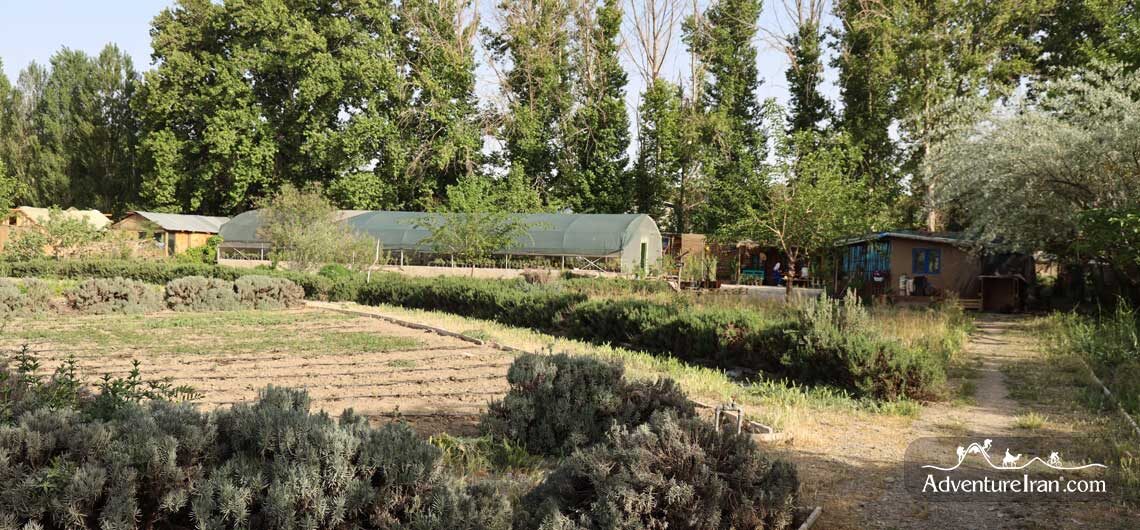
Bagh Firuze Medicinal Herb Garden Bagh Firuze is a Garden dedicated to Agritourism focusing on Permaculture (sustainable and self-sufficient) farming that started working in the year 2010. Firuze garden offers a variety of programs and events to the general public and it is the best place for Agriculture & Agriculture Operations students to explore and learn about important medicinal herbs of Iran. This garden, placed in one of the villages on the outskirts of Tehran has a unique collection of Medicinal and Aromatic herbs and with the slogan of “A plant a day” takes care of 365 kinds of herbs yearly which you can visit and learn about on the farm. The rest of the farm is for the plantation of common herbs and vegetables. These get planted seasonally and visitors can pick anything they want for their taking and the products of this field can be bought from the farmer’s shop in the garden. Also, a small café is stationed in the garden too that gets its material for their delicious Herbal drinks and foods from the garden as well. Activities of Firuze garden There are 3 main activities you can do in this 4 Hectare farm: 1. The collection The plants in the collection are engrained yearly and each one of them has a special usage and properties in Iranian traditional medicine. Many groups of students visit this part yearly for their scientific research because besides traditional herbs of Iran many foreign herbs get planted in the collection too. A specialist accompanies these groups as a tour guide for a more detailed presentation of the area. The 4 corners of the garden are named after 4 Persian scientists active in the field of medicine and traditional medicine of Iran: Avicenna, Rhazes, al-Biruni and Zayn al-Din Gorgani. 2. Dasht-e
Bagh Firuze Medicinal Herb Garden Bagh Firuze is a Garden dedicated to Agritourism focusing on Permaculture (sustainable and self-sufficient) farming that started working in the year 2010. Firuze garden offers a variety of programs and events to the general public and it is the best place for Agriculture & Agriculture Operations students to explore and