
Iran Celebrates Its 30th World Heritage Site
Alamut Castle and Its Historic Fortresses Inscribed on the UNESCO
Iran has officially welcomed its 30th UNESCO World Heritage Site as the Alamut Castle and its Associated Fortifications. These were inscribed on the UNESCO World Heritage List during the 48th Session of the UNESCO World Heritage Committee held in Busan, South Korea.
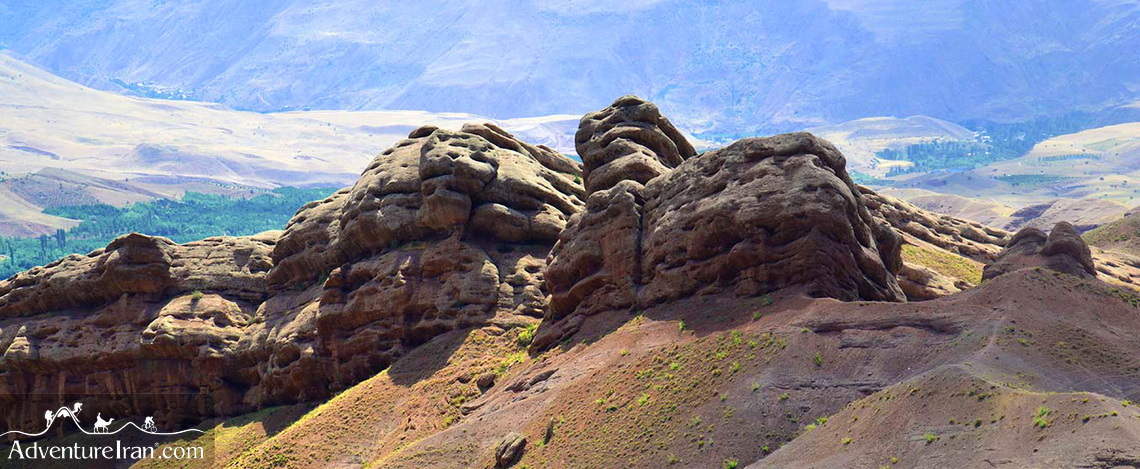
The newly inscribed building is not limited just to the famous Alamut Castle. UNESCO recognized a defensive network consisting of seven historic fortresses spread across the alleys of Eastern and Western Alamut in the Alborz Mountains. The property includes:
- Alamut Castle
- Lambsar Fortress
- Navizar Shah Fortress
- Shams Kalayeh Fortress
- Qostin Lar Fortress
- Shirkuh Fortress
- Ilan Fortress
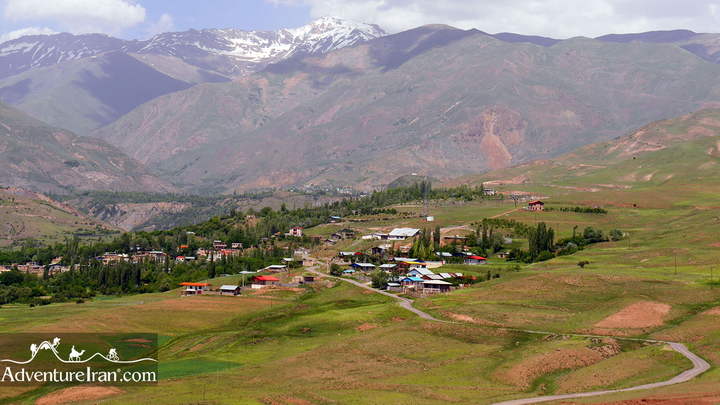
Together, these castles formed one of medieval Iran’s most sophisticated mountain defense systems.
Perched dramatically on a towering rocky cliff about 105 kilometers north of Qazvin, Alamut Castle overlooks deep valleys and rugged mountain landscapes. For nearly two centuries, from the late 11th century until the Mongol invasion in 1256, it served as the political, military, and intellectual center of the Nizari Ismaili state under Hasan-i Sabbah’s leadership.
Apart from its reputation, Alamut was an extraordinary example of medieval engineering where archaeological studies highlighted its advanced water collection and storage systems. Its carefully designed fortifications, and strategic mountain architecture enabled the fortress to withstand long sieges. Historical records also describe Alamut as a center of scholarship, home to an important library and scientific activities.
Rising above the cliffs, Alamut is far more than an ancient fortress. It is a symbol of resilience, strategic ingenuity, and one of Iran’s most fascinating episodes of medieval history. For centuries, Alamut Castle has watched over the valleys of the Alborz, preserving stories that continue to inspire historians, archaeologists, and travelers from around the world.

This new inscription further strengthens Iran’s position as one of the world’s richest destinations for cultural heritage, offering visitors another exceptional UNESCO site along with Isfahan, Shiraz, Yazd, and Persepolis.
Whatever your passion, Alamut Valley remains one of Iran’s most unforgettable travel experiences—now officially recognized as part of humanity’s shared heritage.
Iran now has 30 UNESCO World Heritage Sites, placing it among the world’s top 10 countries with the most UNESCO World Heritage Sites.

Comments