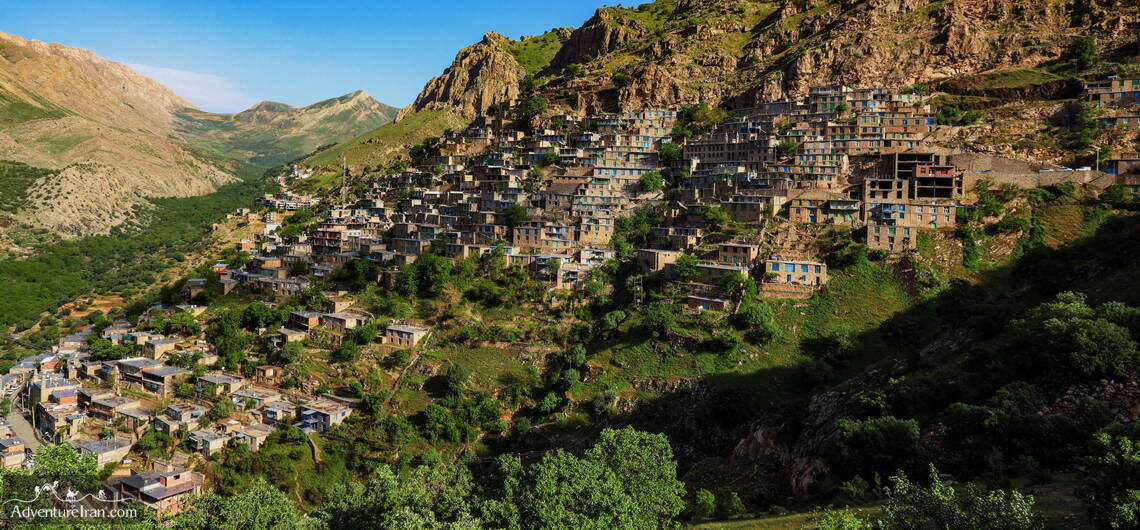
Oraman (Uraman) Takht Village in Iran (UNESCO) Oraman or Uraman-e Takht is the name of a village located in Hawraman in the Kurdish region of Iran. The Cultural Landscape of Hawraman was registered in the list of Iranian UNESCO sites in July 2021. Hawraman is the name of the valley and mountain region located within the provinces of Kurdistan and Kermanshah in western Iran and the north-eastern Kurdistan Region in Iraq. The majority of the property of Hawraman is situated in Iran. Only a small northern part of this valley is located in Iraq. The Oraman village is one of the most exotic villages in Iran. It is 63 km away from the south of Marivan, Kurdistan Province, in Iran. Uraman Architecture The village stone houses are stair-like fashion, with beams covering the ceilings. Here, the roof of one house is the courtyard of the other. There are many other villages in Hawraman and other parts of Kurdistan with similar architecture. The following villages' pictures present the traditional architecture of this region of Iran. Uraman Attractions Oramanat Takht village is undoubtedly one of the attractive rural areas of Kurdestan. It is also among the Top 10 Iran Tourist Villages. The spectacular panoramic views of this area, like the rivers in the valley, are not the only attractions. Kurdish old traditions, such as Kurdish dance, traditional clothes, and customs are other attractions unique to the region. The annual performance of an ancient wonderful ceremony of Pir Shalyar put this village on the list of best Iran villages as well. Ancient fire temples and remnants of this region indicate that the inhabitants were Zoroastrian before converting to Islam. The fertile lands here are full of walnut, pomegranate, fig, and mulberry trees. The tomb of Pir Shalyar (Peer Shahriar) is one of
Oraman (Uraman) Takht Village in Iran (UNESCO) Oraman or Uraman-e Takht is the name of a village located in Hawraman in the Kurdish region of Iran. The Cultural Landscape of Hawraman was registered in the list of Iranian UNESCO sites in July 2021. Hawraman is the name of the valley and mountain region located within
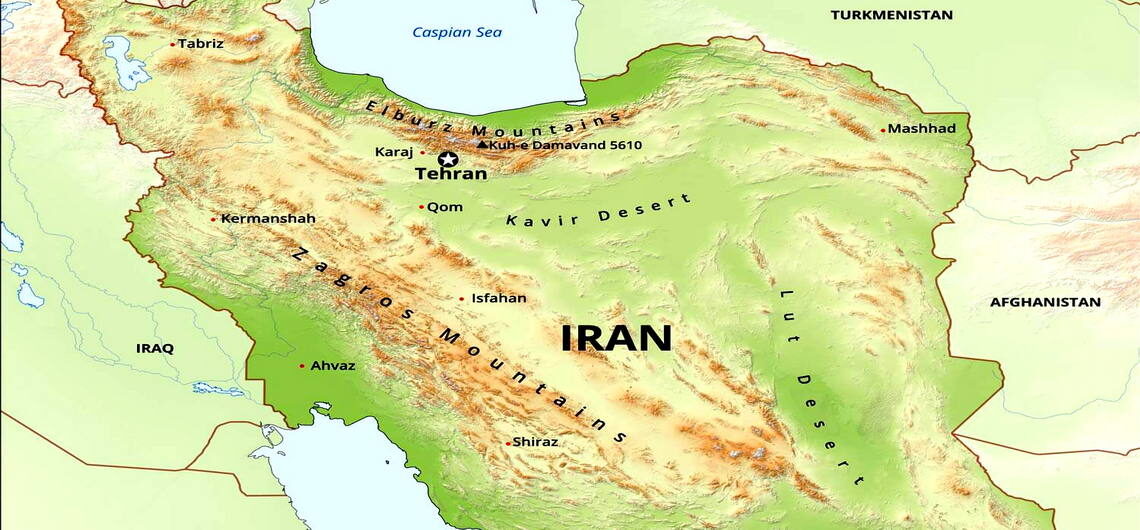
Iran Mountain Ranges Iran with 1.64 million km2 has two major mountain ranges called Alborz and Zagros Mountain Ranges. Alborz Mountain Range The first range is Alborz Mountains, also spelled Elburz, Albourz, Alburz, or Elburs. In the Persian language, it is called Reshte Koohe Alborz or Koohhayeh Alborz. This 900 km (560 miles) long mountain is the major mountain range in northern Iran. It stretches from Azerbaijan in the northwest of Iran (also southwest of the Caspian Sea) towards northeastern Iran in the Khorasan region (southeast of the Caspian Sea). The Alborz Mountains range made a big wall between the Caspian Sea and Iran Plateau. It created two different climate systems on the northern slopes of Alborz against the southern side of the huge mountain range. There are a few famous mountain chains and a lot of high peaks in different parts of the Alborz ranges. Talesh mountain chains, Takht-e Soleyman mountain chains, and Shahkuh mountain chains are subranges of the Alborz range located in the western, central, and eastern parts of the range. Moreover, two of Iran’s highest mountains, Mt Damavand 5610m and MT Alamkuh 4850m, are located in the Alborz range. The Alburz mountain system traverses virtually all of the northernmost portions of Iran from east to west. In addition, there are plenty of high-altitude famous mountains above 4000m extended in the Central Alborz Mountains which is in the north of Tehran province. Mt Kholeno (4375m), MT Azadkuh (4355m), MT Kolonbastak (4150m), MT Sarakchal (4210m), and MT Tochal (3963m) are the most famous high peaks located in central Alborz Mountains. The weather on the northern side of Alborz, called the Caspian slopes, has a distinctly humid climate. The famous Hyrcanian forests, which are Iran's natural UNESCO heritage site, are located in that region too. On
Iran Mountain Ranges Iran with 1.64 million km2 has two major mountain ranges called Alborz and Zagros Mountain Ranges. Alborz Mountain Range The first range is Alborz Mountains, also spelled Elburz, Albourz, Alburz, or Elburs. In the Persian language, it is called Reshte Koohe Alborz or Koohhayeh Alborz. This 900 km (560 miles) long
Iran Top 10 Off the Beaten Paths You Should Visit! Iran is a vast country with a wealth of impressive tourist attractions. You will be amazed at the long list of famous destinations on the Classical Route of Iran, the UNESCO world heritage sites, the most famous Off the Beaten Track villages, and the most famous tourist villages of Iran. But you may still wish to add other exciting destinations to your Iran Adventure tour. Iran off the beaten paths could be the best option if you are interested in a thrilling adventure. Iran offers many untraveled routes for explorers around the world. You may not know much about these paths, but they are filled with cultural and natural attractions, scenic sceneries, and the potential for lots of exhilarating activities such as photography, biking, mounting, and trekking, as well as boating and other sea activities. Since these off the Beaten Paths are scattered in various districts with different climatic conditions, the time of the visit varies in different seasons or months. Traveling through these paths, you will enjoy an authentic experience of less-known parts of Iran. Besides picturesque landscapes in different seasons, as well as cultural, historical, and even ancient sites, you will have the opportunity to socialize with rural people whose hospitality is well-known among all tourists who traveled to these Off the Beaten Paths of Iran. Here is a list of Iran's top 10 Off the Beaten Paths you should visit during your Iran’s tailor-made journey: 1. Shush (Susa), Khuzestan Province A Journey to Iran’s Ancient Capital Shush, known historically as Susa, is one of the oldest cities in the world and a hidden gem in southwestern Iran. Once the capital of the Elamite Empire and later a significant city during the Achaemenid dynasty, it boasts a
Iran Top 10 Off the Beaten Paths You Should Visit! Iran is a vast country with a wealth of impressive tourist attractions. You will be amazed at the long list of famous destinations on the Classical Route of Iran, the UNESCO world heritage sites, the most famous Off the Beaten Track villages, and the most
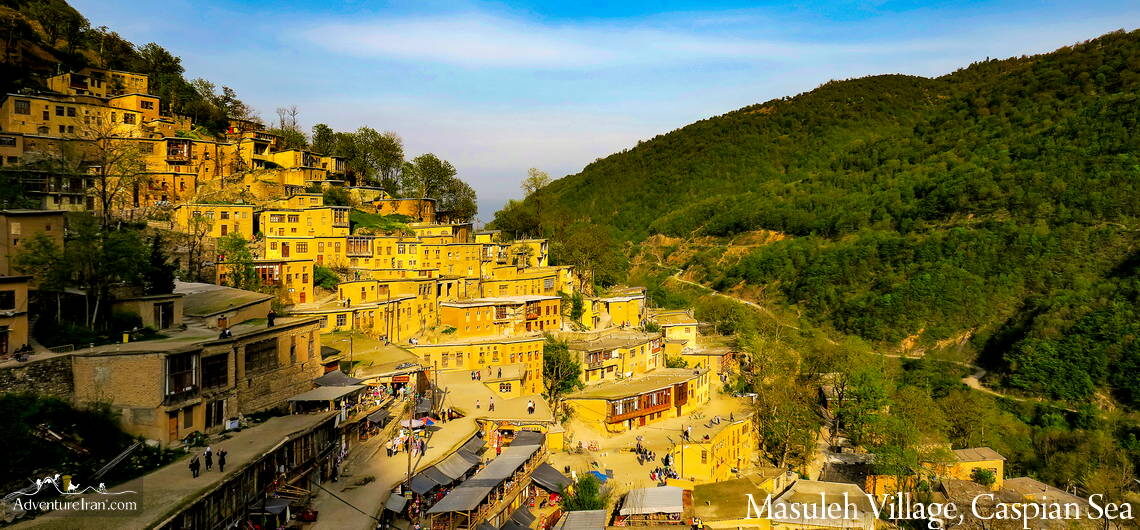
Top 10 Iran Tourist Villages Iran is a vast country with varied climatic conditions and different weather systems with mountain regions, desert terrains, forests, lakes, and seas which create many tourist villages in different corners. Each tourist village is distinct from others regarding the climate, natural beauties, landscapes, plants, and geographical features, as well as the indigenous culture, architecture, traditions, and customs. The differences between Iran's tourist villages are so amazing that you think you have traveled to a different country! If you pay attention to the Iran map below, which is spotted with the locations of the villages, you will see the tourist villages are scattered in different provinces all over the country, and the visiting time of each one is different from the others. With an astonishing variety of geographical and cultural distinctions, villages provide a wide variety of activities and tourist destinations in Iran for all adventure seekers and culture lovers who travel to Iran with special interests, from landscape photography or hiking on the off-the-beaten-path trails, to those who are into rural tourism and plan their trips based on sustainable tourism principles. The villages on the highlands overlooking snow-capped peaks, in the desert oases with an extended desert landscape, or at the foothills of spectacular mountain forests offer ideal opportunities for trekking, hiking, mountaineering, skiing, photography, and most of all communicating with the hospitable local communities in the rural areas and Iran off-the-beaten paths. Whether you are the kind of traveler bored with the common tourist hubs and in seek of some adventure in the less known attractions in a new destination, or a second-time visitor who already visited the Iran Classic Route and now plans for a deeper experience of the ancient Persia, we advise you to put Iran tourist villages on your bucket
Top 10 Iran Tourist Villages Iran is a vast country with varied climatic conditions and different weather systems with mountain regions, desert terrains, forests, lakes, and seas which create many tourist villages in different corners. Each tourist village is distinct from others regarding the climate, natural beauties, landscapes, plants, and geographical features, as well as
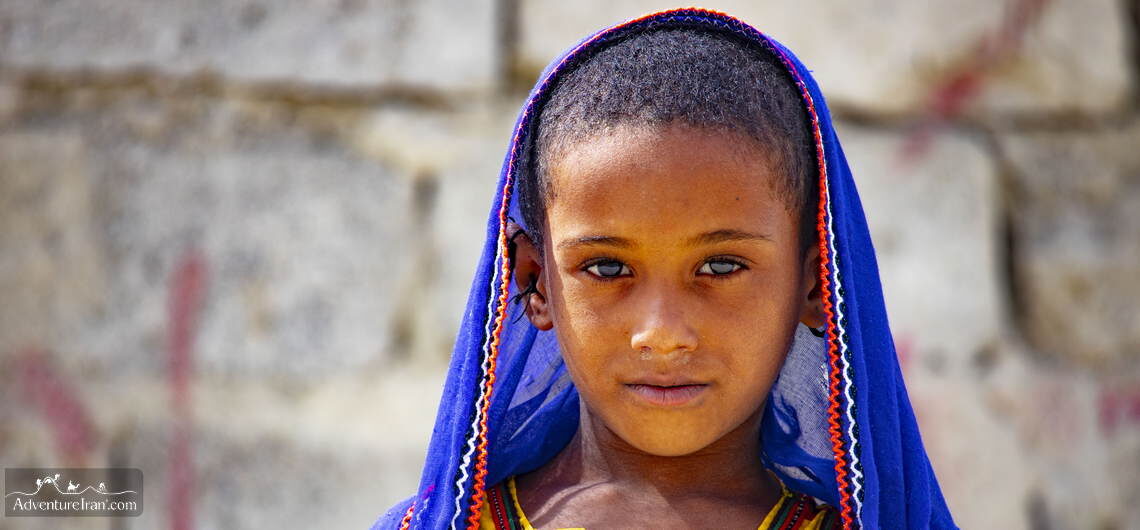
Photography Travel in Sistan and Baluchistan, Iran Iran with vast properties along different ethnic groups and tribes is one of the most amazing countries for Photography travel. Traveling to Iran as a photographer gives you a special opportunity to see what is not possible as a general Iran visitor. Traveling to non-touristic areas, meeting original people who still keep their culture and clothes, seeing the spectacular landscape of mountains or deserts, and the historical monuments of ancient places, which date back to a few thousand years ago, provides an amazing subject for your photography travel in Iran. Sistan and Baluchistan province is one of a few Iran destinations you could travel to as a photographer and experience something different. The province is one of the biggest Iran states with 11% of the property in the country. But many people have no idea about the highlights of this amazing destination. In our travel blog, you can read about this destination in the post named Sistan and Baluchistan Travel Guide and Advises. Along with the attractions in this province for general visitors, you could also travel to this corner of Iran to capture and complete the photo gallery of your travel. After a few years of organizing different active tours, we traveled to this province in February 2020 and March 2021 only for research and photography to find the spots for photographers for their adventure travel. Our first photography trip was based on general photography in the two regions of Sistan in the northern part of the province, and Baluchistan on the southern side of this province. The photography type was a combination of Landscape Photography, monuments, and photography of people. But the second trip only focused on portrait photography in the Baluchistan region. We have visited many different
Photography Travel in Sistan and Baluchistan, Iran Iran with vast properties along different ethnic groups and tribes is one of the most amazing countries for Photography travel. Traveling to Iran as a photographer gives you a special opportunity to see what is not possible as a general Iran visitor. Traveling to non-touristic areas, meeting original
Bakhtiari Nomadic Land Bakhtiari is the name of one major Iranian nomadic tribe living in the central part of the Zagros mountain range. To compare of other Iran Nomads, Bakhtiari nomadic land is very remote and far from civilization. It embraces the last remaining original and authentic nomadic tribes in Iran. Livestock raising is their profession, and their life is divided into two different periods: the hot and cold seasons. Iranian Bakhtiari nomads live in the low lands during the cold season and move to the high mountains with their families and animals during the hot season. In Persian, there is a special world of KOOCH for this kind of movement and lifestyle. The lifestyle based on Kooch is still alive and it is very fascinating to see. This traditional lifestyle would, unfortunately, disappear very soon in this artificial world. The people still live in basic tents with their ships and goats without facilities and electricity. For those who are interested in anthropology, this nomadic region would be one of the most impressive parts of Iran. The nomads still keep their original clothes and customs. Their wedding ceremonies and traditional dance are enchanting as well. The villages and the nomadic camps are other highlights of this region. The Bakhtiari nomadic tribe, their lifestyle, traditions, costumes, and their territory as a whole are must-sees for those who wish to experience them during their travel to Iran. All the above mentioned attractions have made this place one of the destinations for adventurous travelers who are looking for Off-the-Beaten-Track destinations in Iran by getting an Iran Nomad Tour. Travel to Bakhtiari nomadic region is full of experiences. Depending on your interest, you could have different travel styles and activities. If you are interested in Bakhtiaris’ Kooch and traveling along with them in
Bakhtiari Nomadic Land Bakhtiari is the name of one major Iranian nomadic tribe living in the central part of the Zagros mountain range. To compare of other Iran Nomads, Bakhtiari nomadic land is very remote and far from civilization. It embraces the last remaining original and authentic nomadic tribes in Iran. Livestock raising is their
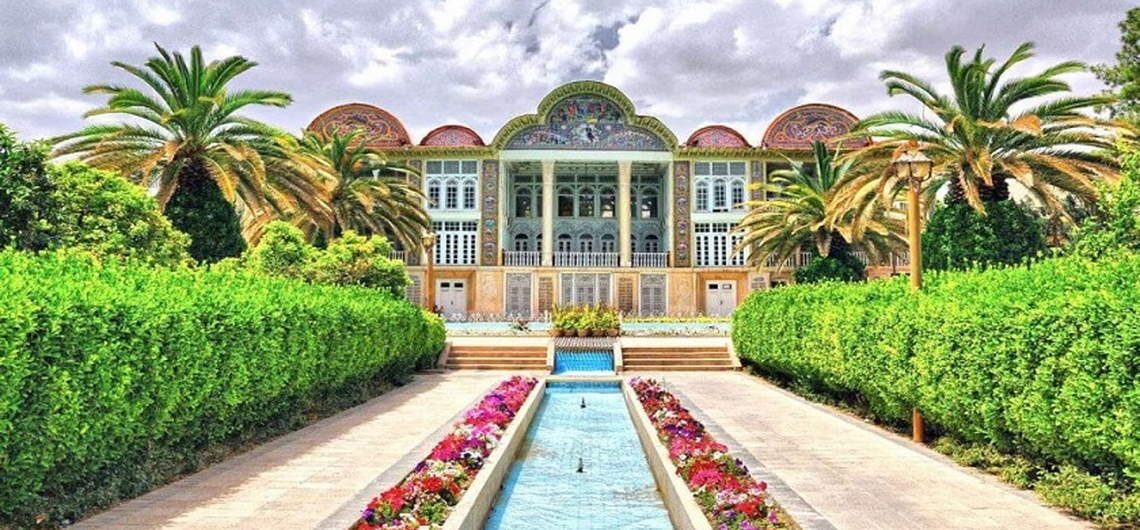
Persian Gardens of Iran The UNESCO Sites Persian Gardens is one of Iran's 28 UNESCO World Heritage Sites (as of September 2024). One of Iran’s main tourist attractions is Iranian historical gardens, which are situated in different regions of Iran. UNESCO collected 9 gardens under the name of the Persian Gardens and registered them in their heritage sites in 2011. Across time and in various climates, this type of designed garden has taken on a multitude of forms. Chahar Bagh, or the Persian Garden's original principle, adapts in new ways over the centuries. It first matured in the garden of Cyrus the Great's palace complex, in Pasargadae, more than two thousand years ago. Persian Garden exemplifies the ideals of art, philosophy, symbolism, and religion through a combination of natural elements and man-made elements. In a way, the Persian Garden is an Earthly Paradise or Eden. No Name of the Gardens Region Province/ City Geographical Coordinates 1 Ancient Garden of Pasargadae Iran Plateau Fars/Shiraz N: 30˚ 10΄ 0.0΄΄ E: 53˚ 10΄ 0.0΄΄ 2 Bagh-e Eram Iran Plateau Fars/Shiraz N: 29˚ 38΄ 10.03΄΄ E: 52˚ 31΄ 31΄΄ 3 Bagh-e Chehel Sotun Iran Plateau Esfahan/Isfahan N: 32˚ 39΄ 27΄΄ E: 51˚ 40΄ 20΄΄ 4 Bagh-e Fin West of Dasht-e Kavir Desert Esfahan/ Kashan N: 33˚ 22΄ 20.53΄΄ E: 51˚ 22΄ 20.53΄΄ 5 Bagh-e Abas Abad Caspian Sea Mazandaran/ Behshahr N: 36˚ 39΄ 50΄΄ E: 53˚ 35΄ 38΄΄ 6 Bagh-e Shahzadeh South west of Dasht-e Lut Desert Kerman/ Mahan N: 30˚ 01΄ 30΄΄ E: 57˚ 16΄ 59΄΄ 7 Bagh-e Dolat Abad Iran Plateau Yazd/Yazd N: 31˚ 54΄ 12.30΄΄ E: 54˚ 21΄ 6.59΄΄ 8 Bagh-e Pahlavanpur Iran Plateau Yazd/ Mehriz N: 31˚ 33΄ 36.6΄΄ E: 54˚ 26΄ 25.21΄΄ 9 Bagh-e Akbariyeh Desert (North of Dasht-e Lut) Southern Khorasan/ Birjand N: 32˚ D1΄ 10΄΄
Persian Gardens of Iran The UNESCO Sites Persian Gardens is one of Iran’s 28 UNESCO World Heritage Sites (as of September 2024). One of Iran’s main tourist attractions is Iranian historical gardens, which are situated in different regions of Iran. UNESCO collected 9 gardens under the name of the Persian Gardens and registered them in
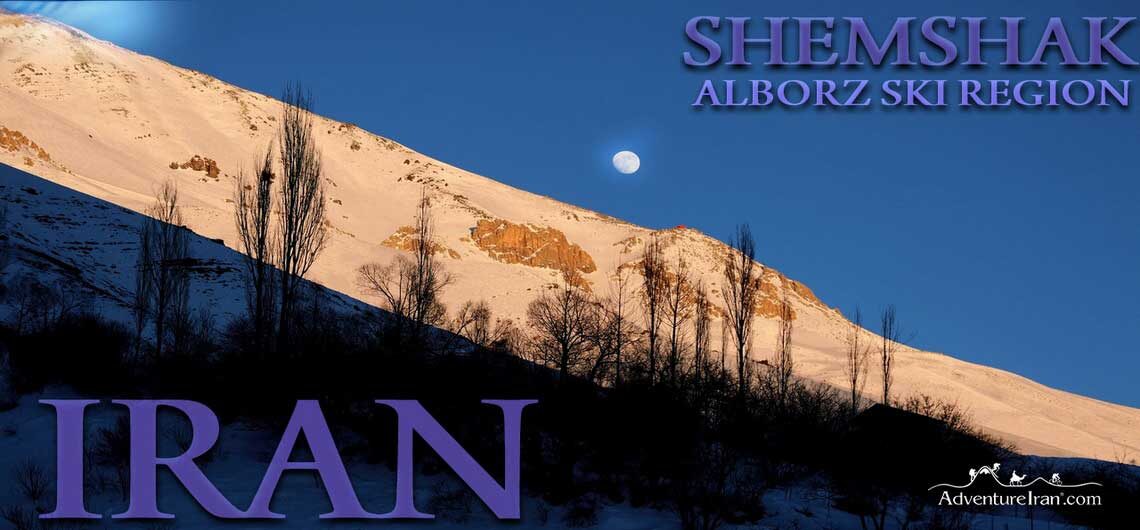
Shemshak Winter Mountain scenery Shemshak is the name of a touristic village before the revolution which has now turned mostly into a small town. Shemshak became famous because of the famous Shemshak Ski resort and a lot of old wealthy people before the revolution came to Shemshak for skiing and it was a hub for many active people in the past years. It’s located in the heights of central Alborz Mountains 50 km away from north east of the capital. The video that you see is a collection of 6 months of photography and timelapsing in the winter season from November 2020 till April 2021. Shemshak village is located between 2600 m – 2800m above the sea level surrounded by a lot of mountains above 4000m and it has about 6 months of winter. There is a long story behind this short video and these pictures as it happens after the pandemic situation when I moved from Lavasan to Shemshak to be far from the population. I had decided to make a short documentary about this special lifestyle that can happen in Iran and the things that happen in the village, but I couldn't make it fully and the end result was the aforementioned video. There were two reasons for that. The first was I didn't have much material and footage to make this video and the second was that I needed a crew and a lot of professional equipment to record this live life happening in the village. So I cut short the plan I had in my mind and only took the most special moments that happened during that winter and I asked our editor to make a nice slide show of the magnificent nature that happens in the high mountains of Alborz. Most of the footage
Shemshak Winter Mountain scenery Shemshak is the name of a touristic village before the revolution which has now turned mostly into a small town. Shemshak became famous because of the famous Shemshak Ski resort and a lot of old wealthy people before the revolution came to Shemshak for skiing and it was a hub
Travel to Iranian Kurdistan Kurdistan Introduction Iranian Kurdistan with 21137 sq./m is located in the west of Iran with a joint border with Iraq. It’s one of the destinations of Iran that offers you a lot of Off the Beaten track for those who are looking for new experiences. Depending on your travel style and the type of activity you would like to do, you could travel to Iranian Kurdistan from one week up to one month. Most Iran visitors who already visited the Main tourist destinations of Iran travel to Kurdistan as a cultural tour. They only visit a couple of spots mentioned in the guidebooks. Also, most of the tours designed to visit Kurdistan are two to three-week tours of northwestern and western Iran, which spend only one or more days in this province and actually pass through this province and cannot explore the attractions of this region and understand the intangible highlights of this exotic destinations. Kurdistan has a long list of attractions for travelers and in this article, we try to mention the main important highlights of the province. Kurdish Region locations The Kurdish region of Iran is a geographical area in northwestern Iran that has been historically and is presently inhabited by a predominantly Kurdish population. This region includes parts of three Iranian provinces; the Kordestan Province, the Kermanshah Province, and the West Azerbaijan Province. These three Iranian provinces share borders with parts of Iraq and Turkey that are also inhabited by the Kurds. West Azerbaijan Province location in Iran Map Kurdistan Province location in Iran Map Kermanshah Province location in Iran Map Kurdish People The Kurdish people have inhabited the northwestern region of Iran for centuries – dating back before the Islamic conquests of the 7th century. It
Travel to Iranian Kurdistan Kurdistan Introduction Iranian Kurdistan with 21137 sq./m is located in the west of Iran with a joint border with Iraq. It’s one of the destinations of Iran that offers you a lot of Off the Beaten track for those who are looking for new experiences. Depending on your travel style
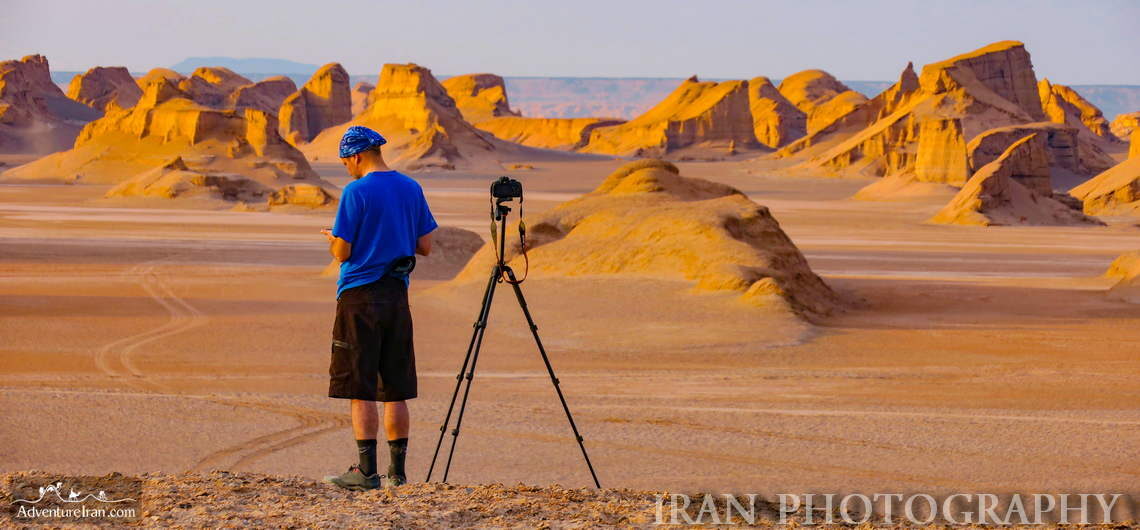
Photography Travel in Iran Iran is an amazing destination for photography and depending on your photography type there is so much to offer for experts in this field. The most important type we could mention are as below: 1- Landscape photography in Iran 2- Iran portrait photography 3- Architecture photography in Iran 4- On the Road Photography 5- Iran’s Tribes and nomads (and their lifestyle) Photography Along with the above main categories, there is also another topic for special interests like bird-watching and wildlife adventure photography in Iran and a much unrelated subject, Persian historical houses. Photography of events or special festivals is also another specific topic that many travelers come to Iran for. Some travelers are interested in these events but for photographers it’s a whole different story. Ashoora and Tasooa are the two main important religious ceremonies which are in the summer this year. On the 7 and 8 of August 2022. But every year those date move 12 days forward so, on 2023 the event would be 20 and 21 of July. In some towns, Ashoora and Tasooa ceremony and their special customs are totally different which is amazing for taking some out of this world shots. Along this ceremony, there are other historical ceremonies in Iran which is amazing for event photography as well. Pireh Shaliar is a traditional dance festival of Kurdish people in Howramanat and it is one of the best locations for traveling for photography. In Adventure Iran, we have done photography in all main categories and we have performed a few photography tours in different regions. Also, another important matter for photography is that you have to visit places when it’s not crowded and you have to have local information or special guides for the destination and the topic of your
Photography Travel in Iran Iran is an amazing destination for photography and depending on your photography type there is so much to offer for experts in this field. The most important type we could mention are as below: 1- Landscape photography in Iran 2- Iran portrait photography 3- Architecture photography in Iran 4- On the