
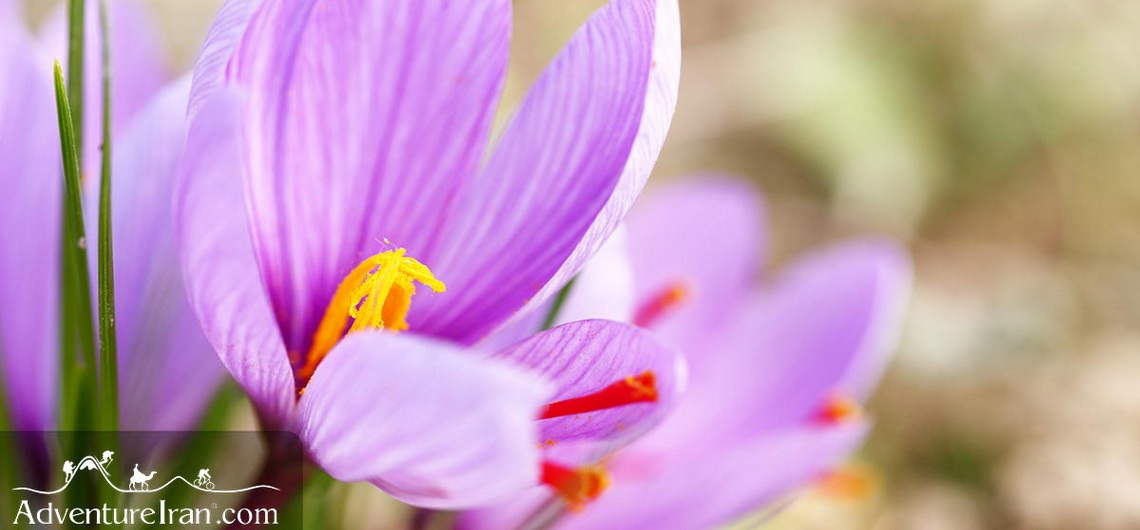
Saffron Harvest in Iran
The Art of Picking Red Gold
Discover the saffron harvest in Iran, where generations of farmers come together every autumn to hand-pick delicate purple flowers and produce the world’s precious Red Gold.
Every autumn, a remarkable transformation takes place across the agricultural landscapes of eastern Iran. Thousands of delicate purple flowers emerge from the soil, covering the fields with a beautiful carpet of violet. Before sunrise, farmers head into the fields to collect these precious flowers. They know that the coming days will bring some of the busiest work of the year.
This is the saffron harvest, one of Iran’s most distinctive agricultural traditions.
People around the world call saffron Red Gold because it ranks among the most expensive spices. Its extraordinary value comes from something remarkably small: just three red threads hidden inside each purple flower.
Producing one kilogram of dried saffron requires an enormous amount of manual work. Farmers must collect thousands of flowers, separate their delicate red stigmas and dry them carefully.
In Iran, particularly in South Khorasan and Khorasan Razavi, saffron cultivation represents much more than agriculture. It supports rural families, preserves traditional knowledge and brings entire communities together during the autumn harvest.
For travellers exploring Iran in autumn, visiting a saffron-growing village offers a unique opportunity to discover the people, landscapes and traditions behind this precious spice.
1. Saffron: A Flower with Three Precious Red Threads
Saffron comes from Crocus sativus, a small perennial plant belonging to the iris family. This autumn-flowering crocus produces beautiful purple flowers, usually between October and November in Iran.
Inside each flower, three important parts play different roles:
- Stigma: Three deep-red, thread-like structures that form the saffron spice.
- Stamens: The yellow pollen-producing parts of the flower.
- Petals: The purple outer parts that give the flower its distinctive appearance.
Farmers collect only the three red stigmas for saffron production. They carefully separate these threads from the rest of the flower before drying and preparing them for consumption.
Each flower produces only a tiny amount of saffron. Therefore, producers need approximately 150,000 to 200,000 flowers to obtain one kilogram of dried spice, depending on quality and processing methods.
This extraordinary relationship between the number of flowers and the final product explains why saffron has earned its name as Red Gold.
2. Iran: The Land of Red Gold
Iran ranks as the world’s leading saffron producer. Most Iranian saffron comes from the northeastern and eastern parts of the country.
The region’s dry climate, hot summers, relatively cold winters and suitable soil create favourable conditions for saffron cultivation.
The main saffron-producing areas include:
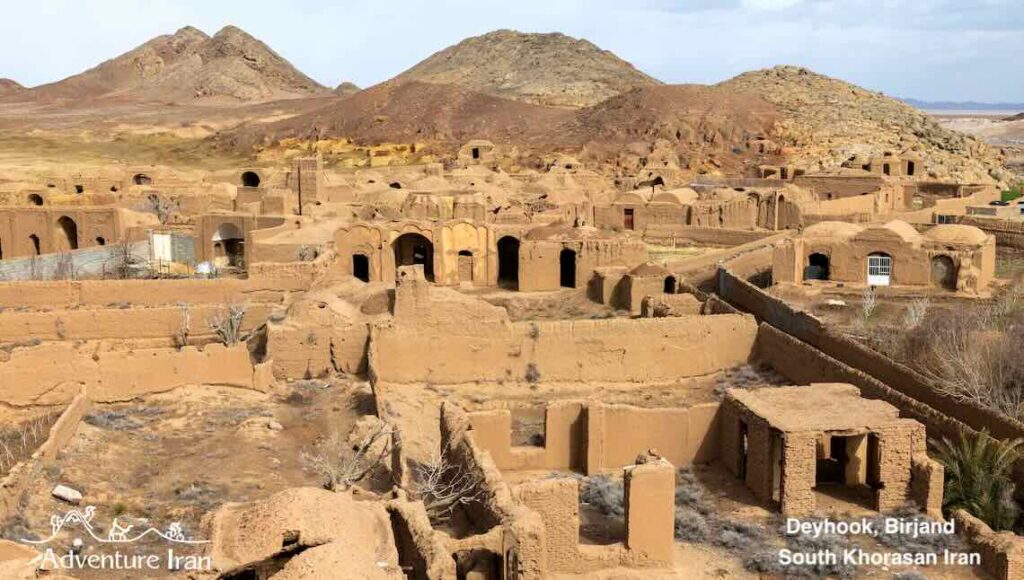
- South Khorasan: Particularly Qaen, Birjand and surrounding villages likes Khoshq, Kalateh, Bar Kuk, Oujan, Shakhen and Bimad are famous for traditional saffron cultivation and high-quality production.
- Razavi Khorasan: Including Torbat-e Heydarieh, Gonabad and other important agricultural centres.
- North Khorasan: Several agricultural communities also cultivate saffron in this province.
Among these destinations, Qaen in South Khorasan has a particularly strong reputation for Iranian saffron.
For rural communities, saffron offers an important source of income. Its high value also makes it an attractive agricultural product for areas where water resources remain limited.
Many farming families have maintained this tradition for generations, passing their agricultural knowledge from parents to children.
3. The Saffron Growing Cycle: Months of Preparation Before Autumn
The saffron growing cycle differs from that of many other agricultural crops.
The plant develops from an underground bulb-like structure called a corm. During the hot summer months, these corms remain dormant beneath the dry soil.
Farmers prepare their fields throughout this period and wait for the right moment to irrigate.
The first autumn irrigation plays a crucial role in the growing cycle. It encourages the dormant corms to awaken and initiates flower development.
Soon afterwards, the first purple flowers emerge from the ground.
Interestingly, saffron flowers often appear before the green leaves fully develop. This characteristic makes the plant particularly fascinating.
Following the flowering period, green leaves continue growing throughout autumn and winter. They capture sunlight and produce the energy that helps the plant develop new corms for the following year.
Consequently, saffron cultivation requires attention throughout the agricultural year, even when the fields show no flowers.
4. The Short Flowering Season: Why Every Day Matters
Perhaps the most fascinating aspect of saffron cultivation is its remarkably short flowering season.
Farmers spend months preparing their fields, but the actual harvest takes place within a relatively brief autumn window.
In South Khorasan, an individual field generally produces flowers over approximately 15–20 days. However, weather, altitude, irrigation and local conditions can change this period.
Flower production does not remain constant throughout the season. At first, only a small number of flowers appear. Gradually, their numbers increase until the fields reach their peak flowering period.
In many Iranian growing areas, the most intensive flowering can occur within just 7–10 days.
During these busy days, thousands of purple flowers may emerge almost simultaneously, transforming ordinary agricultural fields into spectacular landscapes.
Individual flowers also have a very short life. They generally remain fresh for only a few days before wilting.
This creates a demanding schedule for farmers. They cannot postpone harvesting until a more convenient time. Instead, they must collect the flowers at the right stage to preserve their quality.
Climate also influences the length of the flowering season. For example, researchers at the University of Vermont have documented flowering periods of four to six weeks under their growing conditions.
These differences show why travellers should never rely on a fixed calendar date when planning a saffron visit in Iran.
5. Harvesting Saffron Flowers: The Work Begins Before Sunrise
Saffron harvesting requires patience, attention and considerable manual labour.
In Iranian villages, farmers traditionally begin their work very early in the morning, sometimes before sunrise.
The cool morning temperatures help preserve the freshness of the flowers. However, farmers should wait until the flowers become dry, especially when dew, rain or snow leaves moisture on the petals.
Which flowers should farmers pick?
Experienced farmers know how to recognise flowers at the correct stage of maturity.
The ideal time comes when a flower has fully elongated and just begins to open. At this stage, its three red stigmas have developed sufficiently for harvesting.
Picking too early can result in immature stigmas. Waiting too long creates another problem: older flowers begin to wilt, making the stigmas harder to separate.
How do farmers collect the flowers?
Traditional saffron harvesting requires no complicated machinery. Farmers use their thumb and index finger to gently detach each flower near its base.
They collect the entire flower rather than pulling out only the red threads.
Careful handling prevents unnecessary damage to the delicate petals and stigmas. Farmers also avoid disturbing the green leaves because these leaves continue growing through winter and provide energy for future corm development.
Why does careful handling matter?
After picking, farmers place the flowers in clean baskets or shallow containers.
They avoid compressing the flowers or piling them too deeply. Excessive pressure can damage the petals, while accumulated heat and condensation can reduce their quality.
Workers then keep the collected flowers under cover, away from direct sunlight and excessive heat, until processing begins.
During peak harvest days, entire families and seasonal workers gather in the fields. Neighbours from surrounding villages also join the work to help farmers collect the flowers before they lose their freshness.
6. Separating the Three Red Threads: The Most Delicate Stage
Flower collection marks only the beginning of saffron production. The next stage requires even greater attention.
In Persian, people call this process Pāk Kardan-e Za’farān (پاک کردن زعفران), which means cleaning or preparing saffron.
After harvesting, families transport the flowers to their homes or suitable working areas. There, workers sit around large trays filled with fresh purple flowers.
They carefully open each flower and separate its three red stigmas from the yellow stamens and purple petals.
Although the technique looks simple, the work requires patience and concentration. Thousands of flowers must pass through human hands before producers obtain a small quantity of saffron.
Timing also matters. Workers should separate the stigmas as soon as possible after harvesting, while the flowers remain fresh.
If immediate processing is not possible, they can spread the flowers in a shallow layer on a clean tray and keep them refrigerated until they begin processing.
In traditional Iranian villages, women often take an important role in this stage. Their experience and knowledge help preserve the traditional skills of saffron production.
Beyond its agricultural importance, this activity also brings people together. Family members and neighbours gather, exchange stories and share the workload.
For visitors, watching this process can become just as memorable as walking through the purple fields.
7. Drying Saffron: From Fresh Red Threads to Red Gold
After separation, fresh saffron stigmas still contain considerable moisture. Producers must dry them carefully before storage or sale.
Drying plays an essential role in determining the final quality of saffron.
Traditional Iranian producers use different drying techniques, including suitable warm and dry environments. Modern producers also rely on controlled drying equipment to achieve consistent results.
The main objective is to remove moisture while preserving the natural colour, aroma and flavour.
During drying, the fresh stigmas become smaller, lighter and darker. Eventually, they develop the familiar appearance of dried saffron threads.
Three natural compounds contribute to saffron’s distinctive characteristics:
- Crocin: Gives saffron its strong golden-yellow colour.
- Safranal: Creates its characteristic aroma.
- Picrocrocin: Contributes to its distinctive taste.
Once drying finishes, producers sort, grade and package the saffron. They also store it away from excessive moisture, heat and light to protect its quality.
The transformation is remarkable: thousands of fresh purple flowers eventually produce a small quantity of precious red threads.
8. Why Is Saffron So Expensive?
Saffron ranks among the world’s most expensive spices, but its price reflects much more than rarity.
The production process involves several stages, and each requires considerable human effort.
First, farmers must collect the flowers by hand during a short flowering season. Then workers separate the three red stigmas from every flower. Finally, they carefully dry and prepare the threads.
Consider what goes into producing one kilogram of dried saffron: approximately 150,000 to 200,000 individual flowers.
This enormous amount of manual work explains why saffron production depends heavily on seasonal workers and family labour.
Weather conditions, water availability, agricultural costs, product quality and international demand also influence market prices.
Every small packet of genuine saffron therefore represents an extraordinary amount of agricultural work.
9. Saffron in Persian Cuisine and Iranian Culture
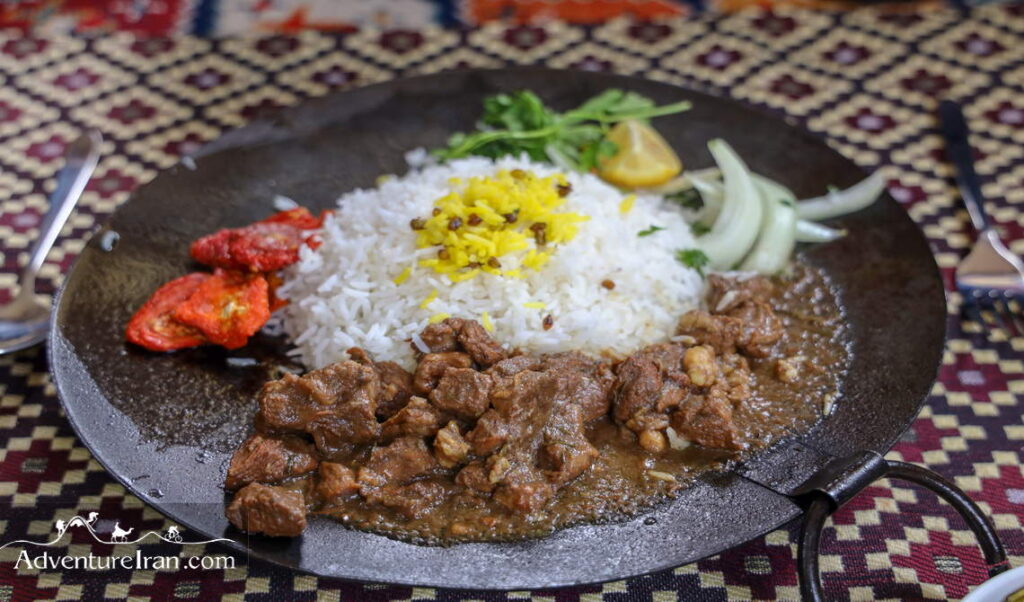
Saffron holds a special place in Iranian food culture. Its distinctive aroma, colour and flavour make it an essential ingredient in traditional Persian cooking.
Some of Iran’s most famous dishes rely on this precious spice.
Saffron Rice (Chelo and Polo)
Perhaps the most recognisable use of saffron appears in Persian rice dishes. A small amount of saffron dissolved in hot water gives the rice a beautiful golden colour and characteristic fragrance.
Tahchin
This famous Iranian rice dish combines saffron, yoghurt, eggs and rice. Cooks often add chicken or other fillings to create a delicious layered meal.
Sholeh Zard
Families prepare this traditional Persian saffron rice pudding for celebrations, gatherings and religious occasions. They sometimes share it with neighbours and local communities.
Persian Sweets and Pastries
Saffron also adds its distinctive fragrance and colour to traditional confectionery, cakes, biscuits and desserts.
Saffron Tea and Drinks
Many Iranians enjoy fragrant saffron drinks, particularly when welcoming guests or gathering with family.
Beyond the kitchen, people have historically used saffron in traditional dyes, perfumes and cosmetics.
Its golden colour and delicate fragrance have become closely associated with Persian hospitality, celebrations and traditional food culture.
10. Visiting Iran During the Saffron Harvest
Autumn offers a wonderful opportunity for travellers to explore the rural landscapes of eastern Iran.
A visit to a saffron-growing village during harvest season provides much more than a conventional sightseeing experience. Visitors can discover an agricultural tradition that has shaped local life for generations.
During a visit, travellers can:
- Walk through saffron fields during the early morning.
- Watch farmers collect purple flowers by hand.
- Meet local farming families and learn about their agricultural traditions.
- Observe the delicate process of separating the red stigmas.
- Discover traditional saffron drying and preparation techniques.
- Enjoy local food and experience the hospitality of rural communities.
The main saffron-producing areas around Qaen, Birjand and Torbat-e Heydarieh offer particularly interesting opportunities for this experience.
The best time to visit generally falls between late October and November. However, local weather conditions can change the exact dates every year.
Because the peak flowering period lasts only a short time, travellers should coordinate their visits with local farmers in advance. Even a difference of a few days can completely change what visitors see in the fields.
A Short Season, Thousands of Flowers and Generations of Tradition
Saffron tells a remarkable story about the relationship between nature, agriculture and human labour.
For much of the year, the plant remains hidden beneath the soil while farmers prepare their fields and wait for autumn.
Then the purple flowers suddenly appear, and the countryside comes alive.
Before sunrise, farmers collect the flowers by hand. Throughout the day, families separate the delicate red threads. Afterwards, they carefully dry and prepare the stigmas for the market.
When the fields finally become quiet again, the season’s work has transformed into a relatively small quantity of precious spice.
For travellers exploring eastern Iran, witnessing this process offers a chance to understand rural livelihoods, traditional knowledge and the importance of agriculture in everyday Iranian life.
The next time you enjoy a plate of Persian saffron rice, remember the thousands of purple flowers and the hands that collected them.
This is the story behind Iran’s Red Gold.
Discover the fascinating story of Iranian saffron, the Red Gold, and learn about its traditional cultivation, the short autumn harvesting season and the farmers behind this precious spice in our article: Saffron, The Red Gold.
Comments