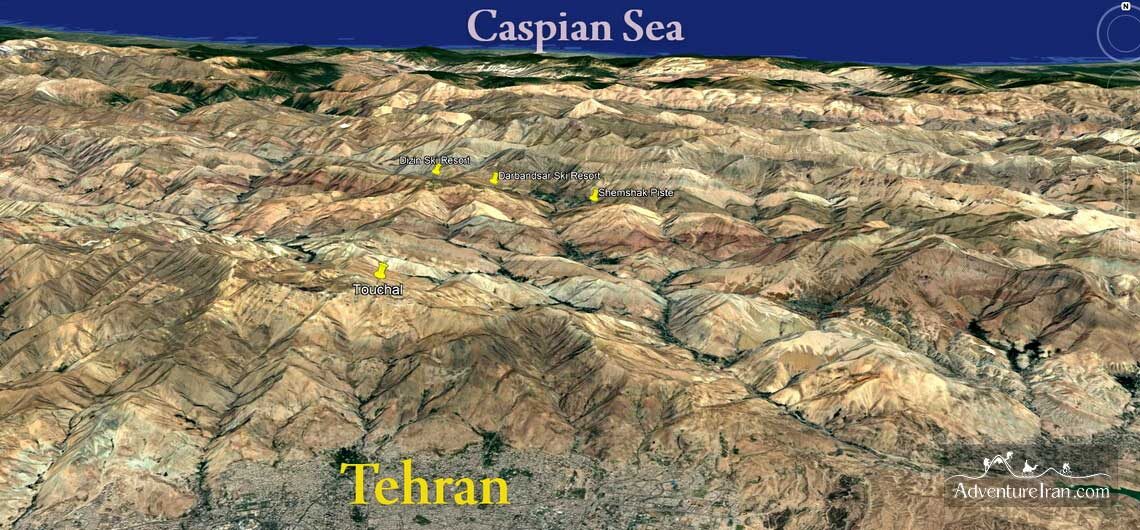
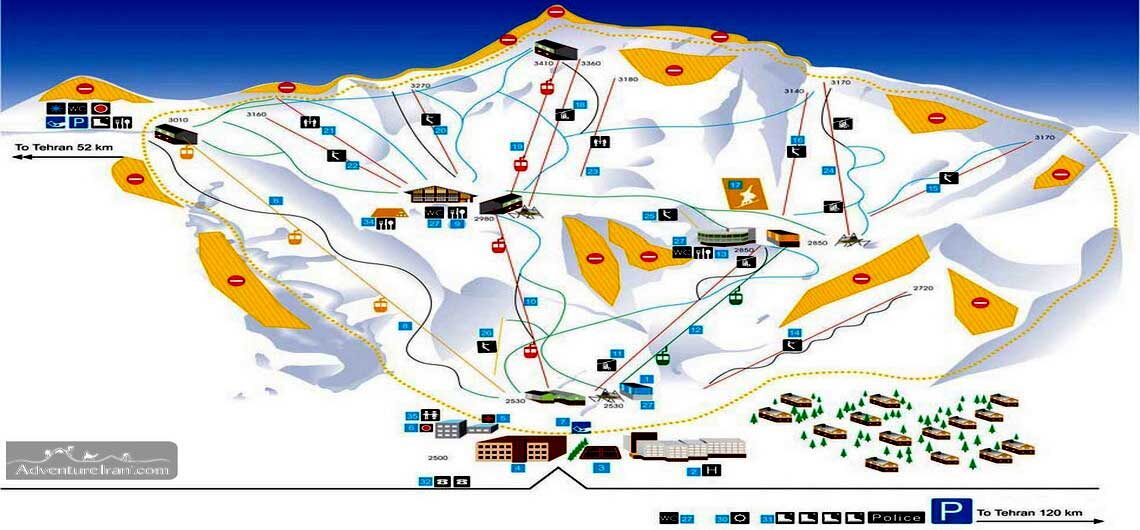
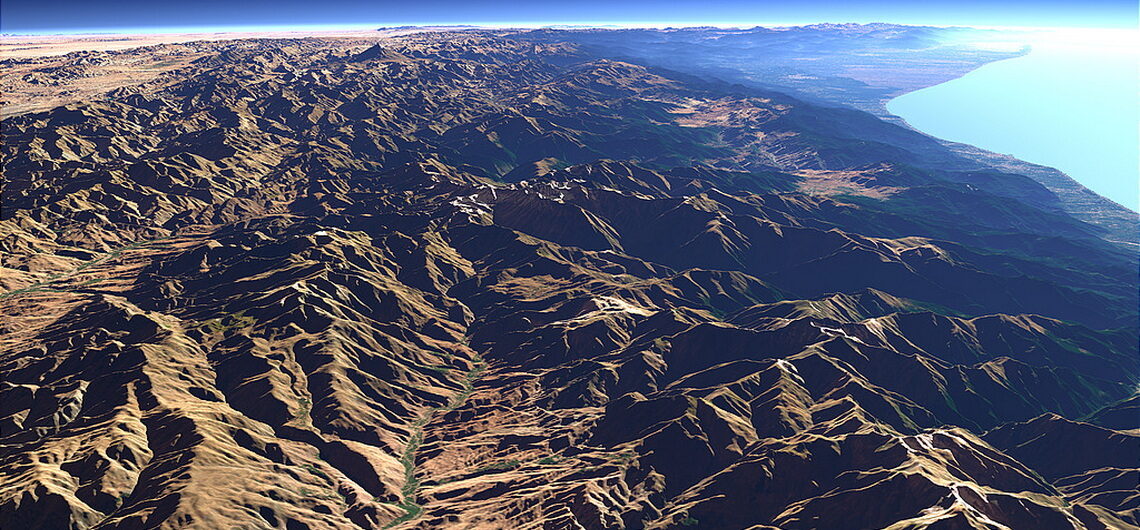
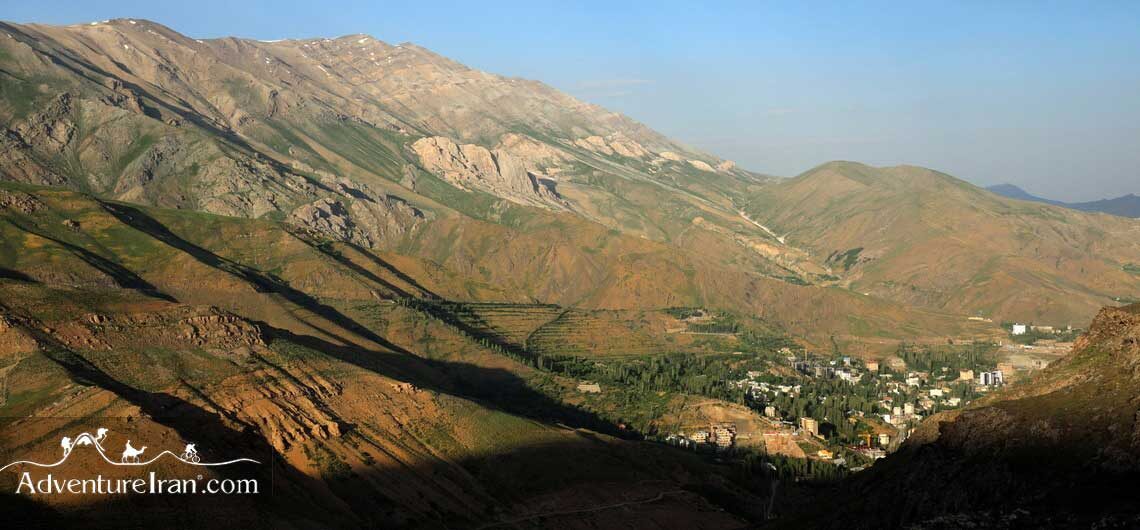
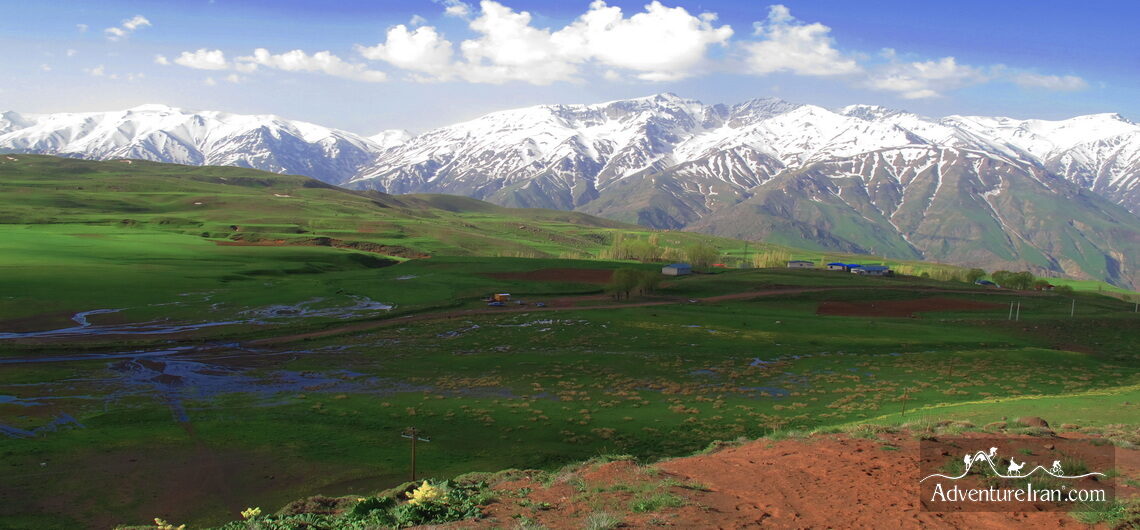
Alborz Ski Region in Iran Iran embraces numerous ski resorts in different mountains of Alborz and Zagros. The most important Ski Resorts were built before the Islamic Revolution, during Mohammad Reza Pahlavi's ruling, and they are still among the best in the country. Alborz mountain starts from the northwest of Iran near the Turkey border and stretches all the way in the south of the Caspian Sea toward the northeast of Iran near the Afghanistan border. Alborz district is divided into three sections, West Alborz, Central Alborz, and East Alborz Mountains. Central Alborz region has a lot of high-altitude peaks above 4000 m, and Mount Damavand, Iran's highest peak with 5610 m, is located in this part as well. In central Alborz, there is a specific region called Alborz Ski Region that starts from Mount Tochal (3960m)- Tehran's highest mountain- and stretches northward to Kolonbastak-Sarakchal ridge with a width of about 20 km. This region has 4 different ski areas that you can see on the map below. Moreover, some famous mountains outside of the ski area are the perfect place for off-piste skiing or Ski Touring. Ski Resorts in Alborz Ski Region in Iran: Tochal Ski Resort Tehran sits at the foot of Tochal mountain which has a ski resort on its heights. The peak altitude is 3960m and the highest point of the ski resort is 3850m. From the Velenjak neighborhood in the north of the capital Tehran, you will have access to the gondola which will take you up to 3700 m after three sections. From there you can take a lift to go to the highest point of the ski resort which is near the Tochal peak (3960m). The length of the gondola from the first to the last station is about 7.5 km
Alborz Ski Region in Iran Iran embraces numerous ski resorts in different mountains of Alborz and Zagros. The most important Ski Resorts were built before the Islamic Revolution, during Mohammad Reza Pahlavi’s ruling, and they are still among the best in the country. Alborz mountain starts from the northwest of Iran near the Turkey border
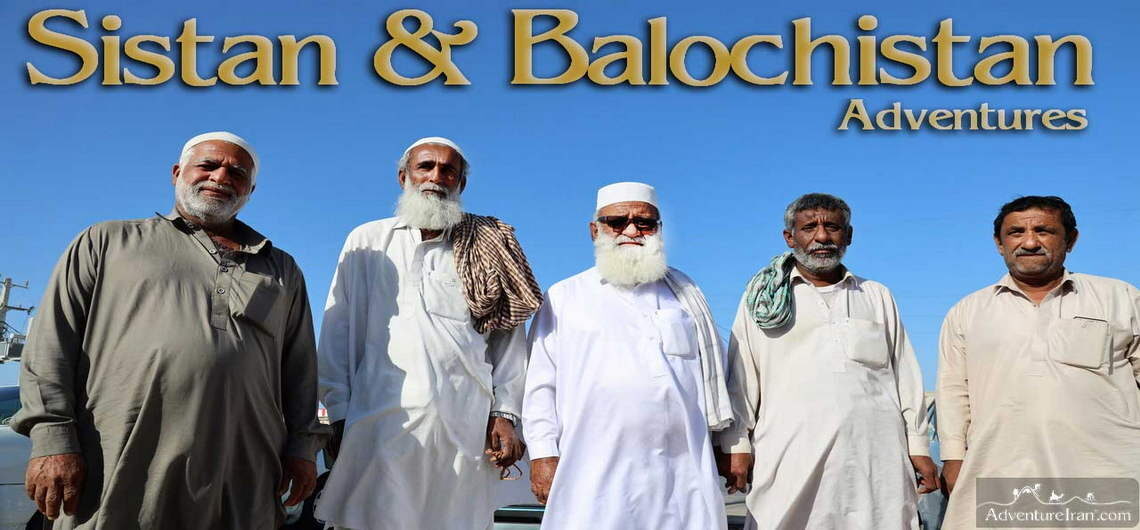
Sistan & Baluchestan Adventures The video is about our adventure journey to Sistan and Baluchestan, which is Iran's most special attraction. This trip started from Tehran with a night train towards Kerman. A jeep took the group to Dasht-e lut desert. After staying one night in the desert they continued the trip towards the north through Kalouts fantasy city in the heart of the desert. After exploring and doing some photography in the desert they drove towards Zabol city (north east of Sistan & Baluchistan) which is one of the main cities of the province and its nearby Afghanistan border (about 50 km). Zabol civilization has a lot of stories in Iranian history and Kuh-e Khuaja in Zabol, standing as one of the most important Iranian historical city-fortresses, pre-Islamic and early Islamic, in the region is on the tentative UNESCO sites of Iran. We also visited Ghale-Now ancient town in the region that still has its special architecture. Afterward the trip continued towards the south to visit Shahr-i Sokhta, meaning ‘Burnt City’, which is one of Iran’s UNESCO sites registered in 2014. They drove to Zahedan, the capital of the province, and spent a couple of nights there to visit different attractions. In the morning they visited the ground Bazaar and the museum which is one of the biggest museums in the region. They had an excursion to the heights of Taftan Mountain which is the most important semi-active volcano of Iran which has an altitude around 4,000 meters above sea level. After visiting Zahedan and countryside attractions they traveled to Kalpuregan ancient village which is nearby from Saravan. Kalpuregan is like a museum of its own and as the capital of pottery in the world has a lot of history in itself. There’s still a lot of artists
Sistan & Baluchestan Adventures The video is about our adventure journey to Sistan and Baluchestan, which is Iran’s most special attraction. This trip started from Tehran with a night train towards Kerman. A jeep took the group to Dasht-e lut desert. After staying one night in the desert they continued the trip towards the north
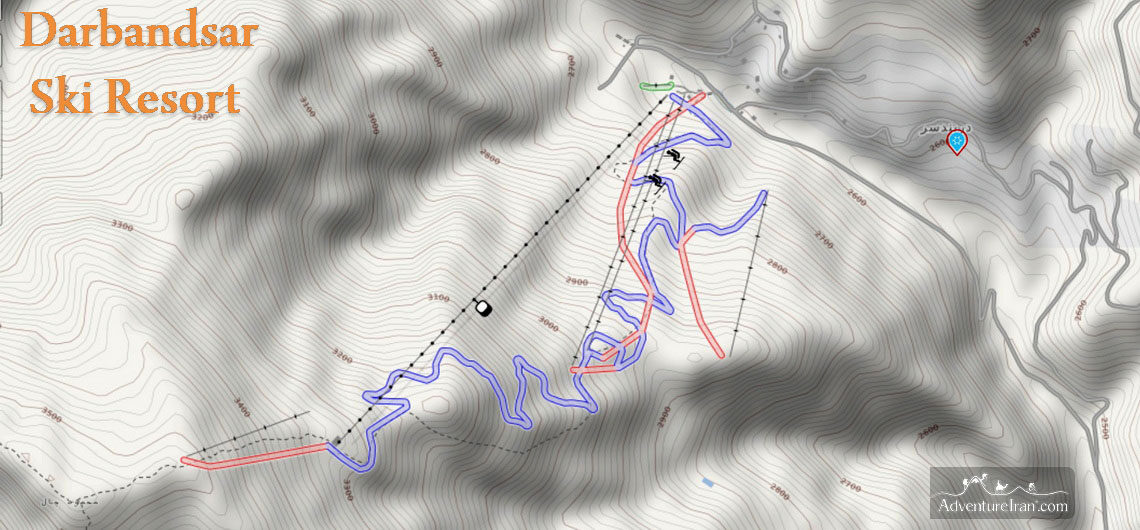
Darbandsar Ski Resort in Iran ALBORZ SKI REGION Darbandsar ski resort in Iran is one of the main ski resorts in the country, located in Darbandsar village, northeast of the capital. From Tehran, it is only 65km away and takes one and half hours to reach it. The history of the piste goes back to around the time of the Iran Islamic revolution. Before the revolution, many local skiers traveled to Europe for the ski championships. With the help and support of a few ski enthusiasts from various countries, decisions were made to create a new ski resort in the Alborz Ski Region. They bought a brand-new lift from the Poma company in France in 1978. This lift was kept in Iran’s customs control for a period due to the timing of the revolution. This project was suspended until things had settled down so it took longer than originally planned. After a few years, actually, at the beginning of 1982, the Darbandsar piste was born. Subsequently, the locals bought more ski lift equipment to improve the piste and make it more advanced and keep pace with other pistes in Iran. The altitude is 2600m to 3600m. This piste, as mentioned, is located in the Alborz ski region in the Central Alborz Mountains. Darbandsar ski resort was originally a small piste in Iran. Fortunately, it now belongs to a private company that developed the region and purchased new ski lift equipment. It is fast increasing in size, overtaking Shemshak and Tochal pistes. Nowadays Darbandsar is an important and well-known ski hub for Iranian skiers. It is also becoming more popular with locals. Lift Systems: 1st station: 2600m Last station: 3600m The ski resort has two ski lifts, three chair lifts (two 4-seater ski lifts, one two-seater chair
Darbandsar Ski Resort in Iran ALBORZ SKI REGION Darbandsar ski resort in Iran is one of the main ski resorts in the country, located in Darbandsar village, northeast of the capital. From Tehran, it is only 65km away and takes one and half hours to reach it. The history of the piste goes
Shemshak Ski Destination ALBORZ SKI REGION Shemshak is the name of a village, and also a ski destination, in Rudbar-e Qasran District, in Shemiranat County, Tehran Province, Iran. It is a mountain village located in the southern part of the central Alborz Mountains in northeastern Tehran province. Shemshak is one of the highest villages in Iran, situated at an altitude of 2500 m to 2650 m, and is surrounded by mountains above 4000 m. Around a few hundred years ago, many people who bred stocks in the Plateau of Iran in the southern part of Tehran province came to this region with their sheep and goats during the summer as this region has rich pastures, perfect for them for their seasonal migration. They slowly migrated to this region about 100 years ago where they followed their traditional lifestyle. However, at the beginning of the 20th century, they noticed the soil on some mountains in the area was black. The locals realized this was coal. This discovery brought the Germans to the region to extract it, where they created many coal mines approximately 100 years ago. At that time, about 3000 people were employed in the mining industry where the area developed rapidly. This brought change for the locals working and living there with their families. Simultaneously, they had an electrical factory (power station) in the area designed by German engineers. Besides that, they built accommodation for their employees, a hospital, and a cinema. The change came when other fuels became available which replaced coal causing the mine to close. This had quite an impact on the people. At that time, a number of them who used to ski in Abali piste (the first Iran ski area), and a few foreigners who worked in the mine, brought their skis to
Shemshak Ski Destination ALBORZ SKI REGION Shemshak is the name of a village, and also a ski destination, in Rudbar-e Qasran District, in Shemiranat County, Tehran Province, Iran. It is a mountain village located in the southern part of the central Alborz Mountains in northeastern Tehran province. Shemshak is one of the highest villages
Dizin Ski Resort ALBORZ SKI REGION Dizin is the biggest Ski Resort in Iran, located in Alborz province, northeast of Tehran province, which is on the southern slopes of the Central Alborz Mountains. Dizin ski resort was built around 1960 during the reign of Pahlavi (Mohammad Reza Shah) before Iran’s Islamic revolution. The piste is situated in a staggeringly beautiful geographical position, surrounded by a lot of high mountain peaks around +4000 m, which makes for a very cold winter with amazing visibility of the mountains in the Alborz range. You will have a stunning view of Iran’s highest mountain, Damavand (5610m), from the top of the piste on Sichal peak. From the last station of Dizin, you have to ascend a little bit. It takes 10-15 minutes to reach the peak (Sichal), the highest point in the region. From there, you will have a breathtaking 360-degree panoramic view of the numerous mountains in the heart of Alborz. From the peak, you can see Kolonbastak (4150m), the ridgeline of the Sarakckal mountains, a 15km mountain chain above 4000m with 3 peaks. In the south, you will see Tochal mountain (3960m) which is north of the capital, Tehran. Dizin is, without a doubt, the finest place for skiing in Iran. For those who are looking for a more challenging activity, there are a lot of regions around Dizin that are terrific for Off Piste skiing. You will need a local guide or experienced ski instructor for off-piste skiing in Dizin. There are a few mountains around Dizin that are excellent for Ski-Touring at the end of winter and the beginning of spring. Mount Kolonbastak and Mount Azadkuh are two of them, which are fairly close, and ideal for ski touring. Besides ski activities, the attractive Dizin region is
Dizin Ski Resort ALBORZ SKI REGION Dizin is the biggest Ski Resort in Iran, located in Alborz province, northeast of Tehran province, which is on the southern slopes of the Central Alborz Mountains. Dizin ski resort was built around 1960 during the reign of Pahlavi (Mohammad Reza Shah) before Iran’s Islamic revolution. The
Iran's Most Famous Mountains and High Peaks Iran has a long list of mountains above 4000m in different regions in the Alborz and Zagros ranges. Surprisingly, even in the deserts of Iran, there are many mountains above 3000 m plus a few famous mountains above 4000m. Moreover, along these two long mountain ranges, there are numerous special regions such as Dasht-e Lut or Sistan and Baluchistan province embracing some mountains which are not well known to travelers. They have an ideal climate, perfect for a winter ascend. It is impossible to list all of Iran’s mountains here. We have chosen only a few of them for adventurous travelers who would like to specifically experience Iran’s mountains. We considered many factors to create the list below from more than 100 mountain names that local climbers generally choose for their various activities. We appraised the combination of the mountains’ altitude, the levels of difficulty, accessibility, special regions, protected areas, exquisite landscapes, and Off the Beaten Track, to cover a multitude of activities bearing in mind the best season for each activity to cover the whole year. Besides, our 20 years' experience of performing a lot of tours in different regions of Iran was another important aspect as to why we have chosen these specific mountains in our Iran’s Most Famous Mountains and High Peaks List. According to your travel time in Iran and your level of fitness, we have special offers for you. Also included are popular activities such as Trekking, Mountain Biking, and Ski-touring. The list has been prepared by Adventure Iran’s mountain guides’ team. It reflects our point of view of what we think is just right for you. Certainly, there are a lot of other mountains which are not listed in our famous mountains of Iran. If you are looking
Iran’s Most Famous Mountains and High Peaks Iran has a long list of mountains above 4000m in different regions in the Alborz and Zagros ranges. Surprisingly, even in the deserts of Iran, there are many mountains above 3000 m plus a few famous mountains above 4000m. Moreover, along these two long mountain ranges, there are numerous
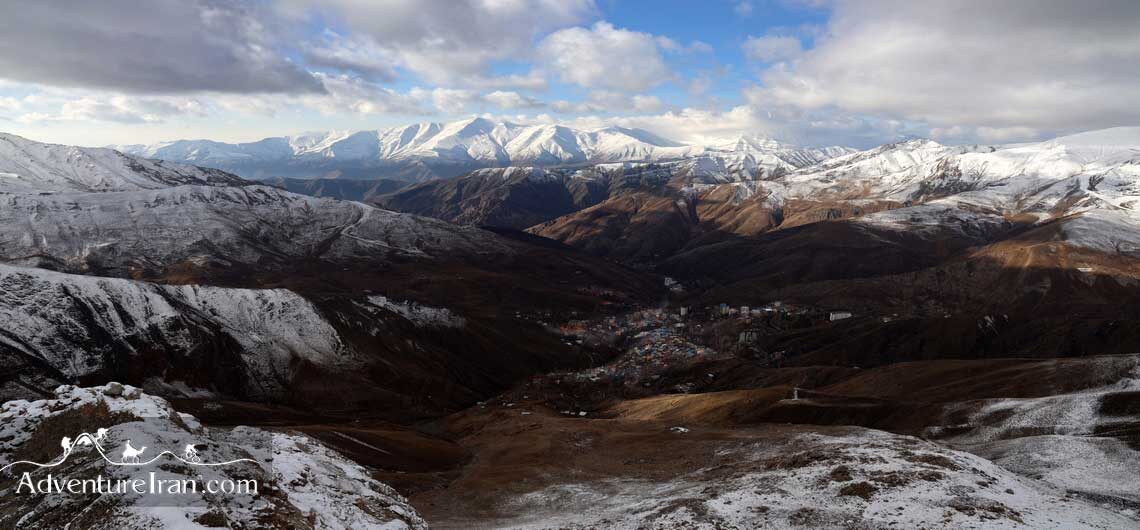
Darbandsar Village in Iran ALBORZ SKI REGION Darbandsar is a village in the heart of the Alborz Mountains of Iran, 60 km away from the capital and northeast of Tehran province. The village is situated on the slope of the southern part of the Central Alborz mountains with various altitudes. The average height is approximately 2600m above sea level. Darbandsar is also the name of the ski resort which was created after Iran’s revolution. Darbandsar village became famous in Iran as the piste is owned by a private company. The company built the length of the ski slope as well as bought a new lift system for the ski resort, which, by the way, is more up-to-date compared to other ski resorts in Iran. Winter time is the busiest time of the year, with Tehranians coming to ski. It is generally even busier at the weekends, (which are Thursday and Friday in Iran). Due to this influx of visitors, the main road (Fasham-Shemshak) is usually packed full of cars at this time. Apart from the ski activity in winter, the region is a perfect destination for other activities such as trekking and mountain biking during other seasons. A lot of high mountains above 3000 m surround this village with plenty of canyons and spring water, flora, and wildlife. Darbandsar is located in the Alborz Markazi protected area which makes this region one of the best places to visit for those who live in the capital and would like to spend their weekend in northern Tehran in the central Alborz Mountains. The highest point of Darbandsar is 2650m, a mountain above the ski resort which locals call Mahmoud Chal peak. There are also a few very high mountains around Darbandsar such as MT Kolonbastak 4150m, Sarakchal 1 (4120m), Sarakchal 2
Darbandsar Village in Iran ALBORZ SKI REGION Darbandsar is a village in the heart of the Alborz Mountains of Iran, 60 km away from the capital and northeast of Tehran province. The village is situated on the slope of the southern part of the Central Alborz mountains with various altitudes. The average height is approximately
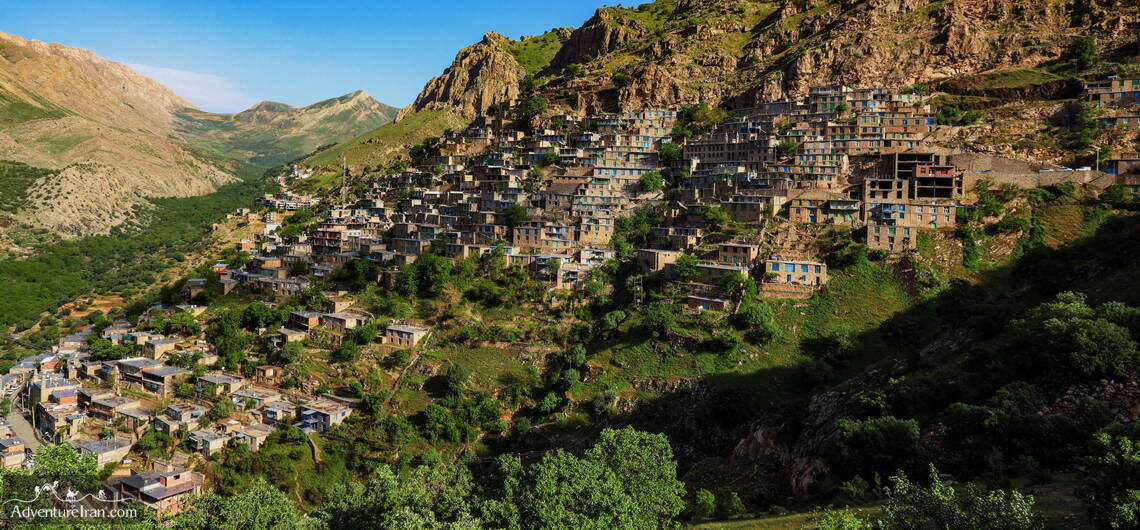
Iranian UNESCO Site of Hawraman (Uramanat) Hawraman (or Uramanat) is the name of a historical valley located in the mountains shared between the two provinces of Kurdistan and Kermanshah in the west of Iran. Uraman is the Kurdish word for Hawraman which is pronounced Huraaman. Generally, in different parts of Iran, it is called Uraman, Uraaman, or Avroman. It means the land of Ahura Mazda (the supreme god in ancient Iranian religion) in ancient Persian language. It is also the name of the mountainous region of Hawraman valley. In June 2021, The Cultural Landscape of Hawraman/Uramanat was inscribed on the UNESCO World Heritage List as the 26th tangible cultural heritage of Iran at the 44th session of the UNESCO World Heritage Committee. This valley, unknown for many years, is one of the main natural/historical attractions of the west of Iran. Along with the long history of the region and Kurdish people, the valley has many villages which have unique stair-like architecture. The villages are special in the way the rural areas house many dense and step-like rows of accommodation in such a way that the roof of each house forms the yard of the upper one, making it an exceptional sight to see. The rich culture of the Hawramani people which is famous for their hospitality is one of the other attractions of Uramanat and makes this destination different from other regions. Since 3000 BCE Kurdish tribes have inhabited the region and lived on the economy based on agro-pastoral activities in this valley. Kurdish people are famous for being the tough guys and they are used to live and survive in the mountains for many years. Hawraman or Uramanat is in the heart of the Zagros Mountains range, one of the two main mountain ranges of Iran, where
Iranian UNESCO Site of Hawraman (Uramanat) Hawraman (or Uramanat) is the name of a historical valley located in the mountains shared between the two provinces of Kurdistan and Kermanshah in the west of Iran. Uraman is the Kurdish word for Hawraman which is pronounced Huraaman. Generally, in different parts of Iran, it is called
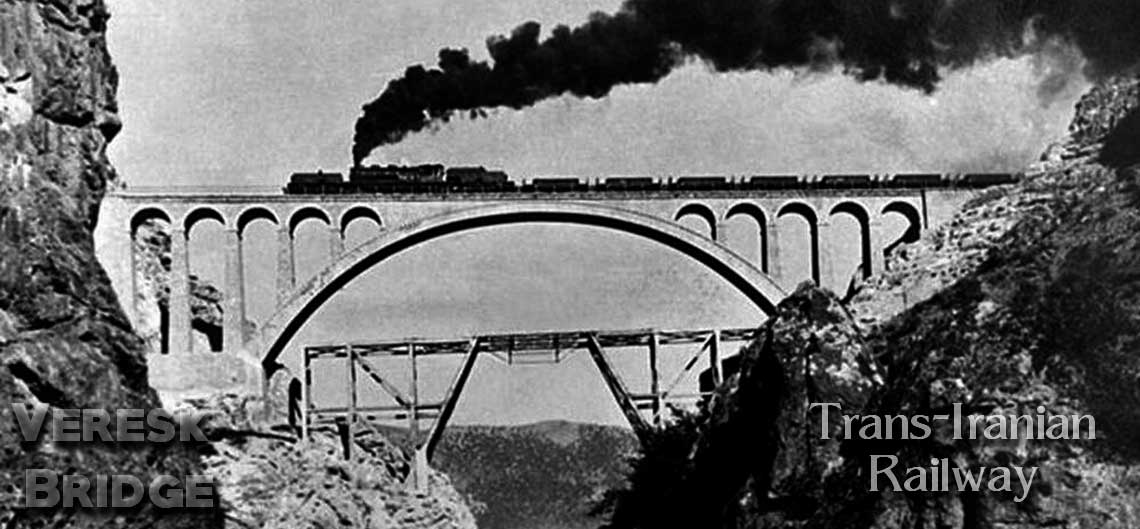
Two New UNESCO World Heritage Sites of Iran (25 June 2021) Since 1978, every year, UNESCO picks a number of World Heritage Sites for their "outstanding universal value" in the two sections of cultural and natural sites. This year in June 2021, UNESCO has picked two Iran Heritage Sites for the list alongside others from around the world. In 2021, 37 new sites were inscribed on the UNESCO World Heritage list and it was a big week for Iran with two historic sites achieving UNESCO status. Iran UNESCO World Heritage Sites registered in 2021: 1. Iran UNESCO Heritage of Trans-Iranian Railway Iran Railway The first site is an old and long Railway in Iran from the southwest of the country to the northeast of it. This masterwork of engineering covers 1,394 kilometers, from the Caspian Sea to the Persian Gulf, and goes through 4 different climate regions and two mountain ranges (Alborz & Zagros), Tehran (Capital), Hyrcanian Forests, and Iran plateau, that are home to people from various ethnic and linguistic backgrounds. The railway is now the 25th Iranian title on the World Heritage List. That makes the country one of the richest in the world in terms of protecting cultural heritage. With this new UNESCO site, Iran becomes the fifth country in the world with a railway designated as a world heritage site. The name of this famous North-South Railway is Rah-Ahan Shomal-Jonub in Persian. It was completed in 1938, after 11 years of construction, which involved massive works on mountains and terrains up and down the country. 2. Cultural Landscape of Hawraman/Uramanat The second UNESCO site is Hawraman cultural landscape which is the 26th Iranian UNESCO World Heritage site. Hawraman is located in the Kurdistan and Kermanshah provinces of Iran, on the western border
Two New UNESCO World Heritage Sites of Iran (25 June 2021) Since 1978, every year, UNESCO picks a number of World Heritage Sites for their “outstanding universal value” in the two sections of cultural and natural sites. This year in June 2021, UNESCO has picked two Iran Heritage Sites for the list alongside others from
Mount Alam kuh in Iran Alam Kuh, is the name of a huge mountain in northern Iran, in Mazandaran province, located in the Takht-e Soleyman massif mountain chain. Takht-e Soliman is also a part of the west Alborz Mountain range. Alam Kuh’s altitude is 4,850 m above sea level and is the second highest mountain in Iran after Damavand Mountain (5,610 m). Mount Alam Kuh is known as the Alps of Iran, which is the main center for professional Iranian climbers and hikers. The north face of Mt Alam Kuh is a steep, enormous vertical wall. This feature has made it famous for climbers around the world looking for something different. The height of this granite rock rises to about 480 m to reach the summit. One of the main highlights is that the base of the wall starts from 4,400 m above sea level. Climbers have found this formation extremely inspiring and challenging. Since 1936, there have been several routes to choose from, all created by famous international and local climbers. They are still ongoing. Mount Alam Kuh has at least two desirable hiking routes to reach its peak from various directions. One of the most beautiful is a week-long trail starting from the southern side of Alborz from Alamut valley to MT Alam Kuh. This is the link for the tour: Alamut Long Trek. Apart from this, there is another trail to ascend the peak starting from a city near the Caspian Sea called Kelardasht. Most local climbers choose this route for ascending the summit during the summertime. Locals call this route Hesarchal which is on the south face of Alam Kuh as it is the easiest and shortest route compared to the other trails. Below is the link for that trek, (an excellent choice for
Mount Alam kuh in Iran Alam Kuh, is the name of a huge mountain in northern Iran, in Mazandaran province, located in the Takht-e Soleyman massif mountain chain. Takht-e Soliman is also a part of the west Alborz Mountain range. Alam Kuh’s altitude is 4,850 m above sea level and is the second highest mountain