
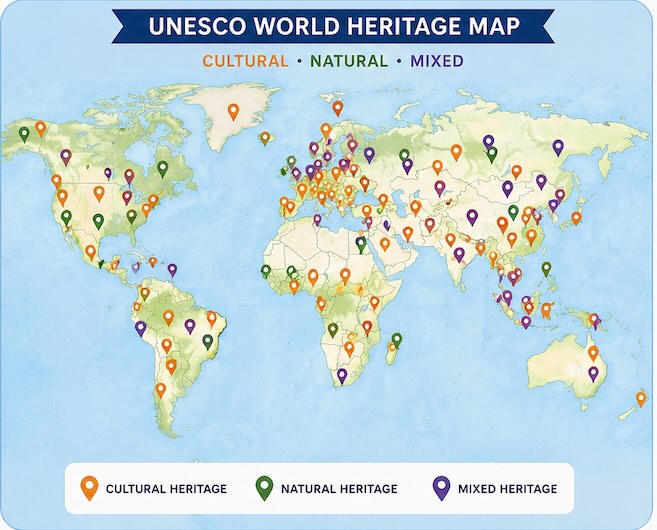
UNESCO’s New 2025–2026 World Heritage Map Now Features Iran’s Khorramabad Valley
UNESCO’s Latest World Heritage Map Includes Iran’s Newest Treasure
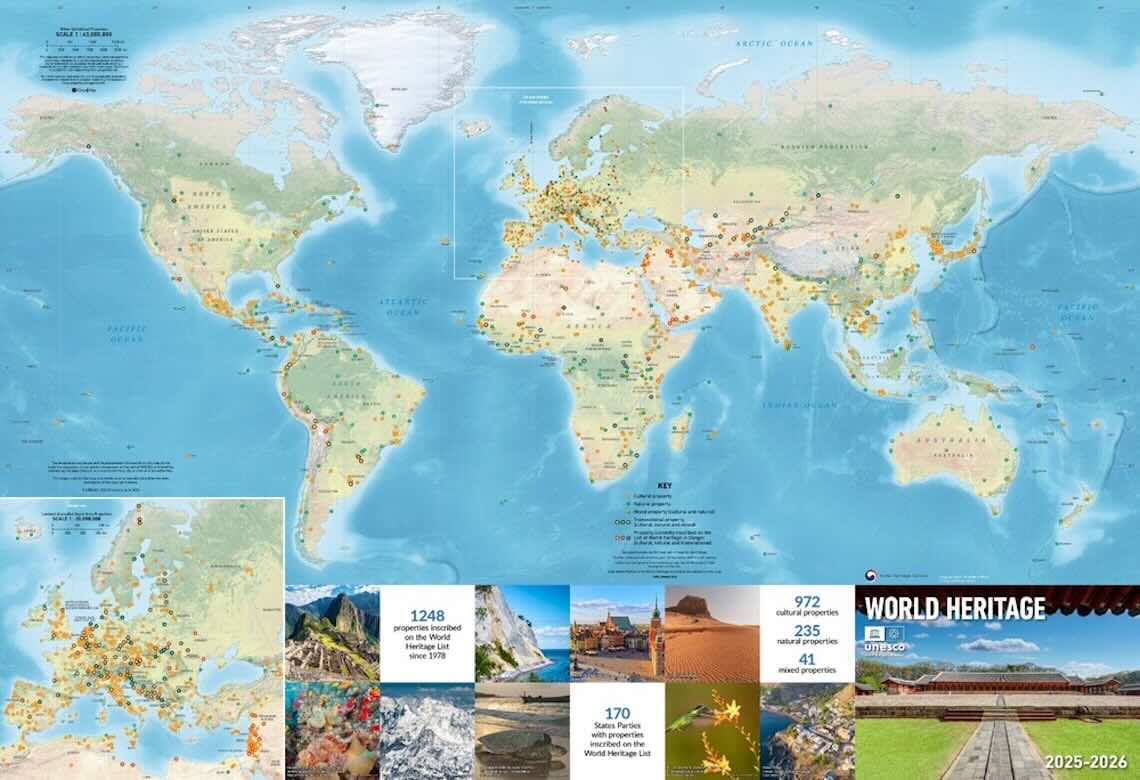
UNESCO has unveiled its 2025–2026 World Heritage Map, showcasing every property currently inscribed on the World Heritage List. For the first time, the Prehistoric Sites of the Khorramabad Valley appear on UNESCO’s official global map, marking another important milestone for one of the world’s most significant archaeological landscapes.
Although the Khorramabad Valley was inscribed on the UNESCO World Heritage List in 2025, its inclusion on the newly published map gives the site even greater international visibility. Used by travelers, researchers, educators, and heritage enthusiasts worldwide, the UNESCO World Heritage Map is far more than a simple geographic reference—it is a visual guide to humanity’s most exceptional cultural and natural treasures.
For Iran, the addition of the Khorramabad Valley represents another proud moment. The country now boasts 30 UNESCO World Heritage Sites, highlighting its extraordinary contribution to the story of human civilization.
What Is the UNESCO World Heritage Map?
Every few years, UNESCO publishes an updated World Heritage Map reflecting the current list of recognized cultural and natural properties across the globe.
The map is designed to help travelers, students, historians, and governments explore the distribution of World Heritage Sites while raising awareness about their protection. Every new inscription is eventually added to this official map, making it one of the most authoritative visual references for global heritage.
The publication of the 2025–2026 edition is particularly significant for Iran because it introduces the Prehistoric Sites of the Khorramabad Valley to millions of people who use UNESCO’s educational materials and travel resources.
Where Is the Khorramabad Valley?
The Khorramabad Valley lies in Lorestan Province in western Iran, surrounded by the spectacular Zagros Mountains. For thousands of years, these mountains have served as a natural corridor connecting the Iranian Plateau with Mesopotamia.
Today, the valley is best known for its dramatic limestone cliffs, caves, rivers, forests, waterfalls, and the historic city of Khorramabad. Yet beneath this beautiful landscape lies an archaeological record stretching back tens of thousands of years.
Its unique geography made the valley an ideal refuge for prehistoric communities, leaving behind remarkable evidence of human evolution and adaptation.
Why UNESCO Recognized the Khorramabad Valley
The UNESCO inscription recognizes a remarkable collection of prehistoric caves and rock shelters that preserve evidence of human occupation spanning approximately 63,000 years. Archaeologists have uncovered stone tools, animal remains, hearths, and other traces of daily life that document the presence of both Neanderthals and early modern humans. These discoveries provide invaluable information about how prehistoric populations survived changing climates, developed new technologies, hunted wildlife, and gradually expanded across Southwest Asia.
Few places in the world preserve such a continuous archaeological record from the Middle and Upper Paleolithic periods.

A Journey Through Deep Human History
Long before the rise of Persia’s great empires, before cities, writing, or agriculture, the Khorramabad Valley was already home to human communities.
The caves served as seasonal shelters where generations of hunter-gatherers lived alongside the rich ecosystems of the Zagros Mountains.
Every archaeological layer discovered within these caves tells another chapter of humanity’s earliest story, making the valley one of the most important prehistoric landscapes not only in Iran but across western Asia.

Iran Now Has 30 UNESCO World Heritage Sites
With the inscription of the Khorramabad Valley (July 2025) and Alamut Castle (July 2026), Iran now possesses 30 UNESCO World Heritage Sites, including 28cultural and 2 natural properties.
From the ceremonial ruins of Persepolis to the Persian Gardens, from ancient caravanserais to the Lut Desert and the Hyrcanian Forests, Iran’s UNESCO sites reflect an extraordinary diversity of civilizations, architecture, landscapes, religions, and artistic achievements.
This growing list reinforces Iran’s position among the countries with the richest cultural heritage in the world.
Visiting the Khorramabad Valley
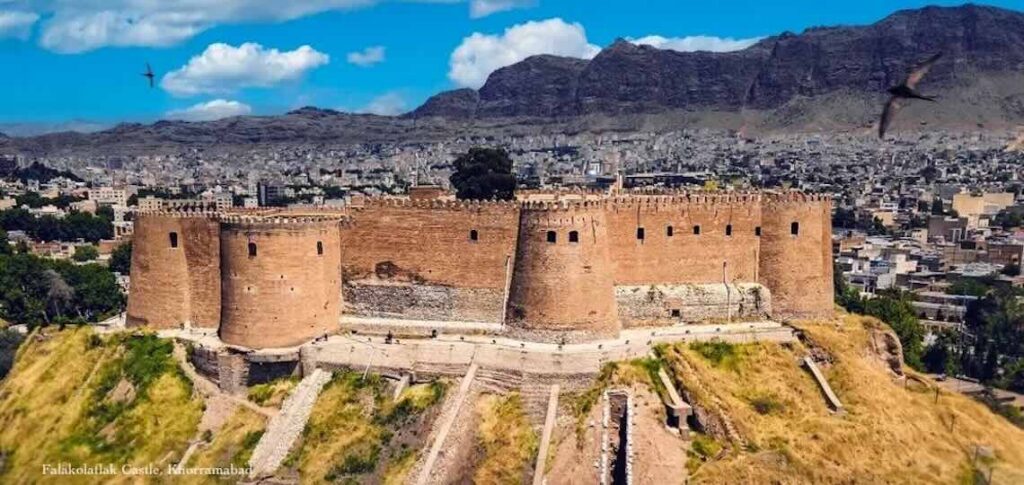
The UNESCO designation is expected to introduce many international visitors to Lorestan Province, a region that remains one of Iran’s lesser-known travel destinations. Travelers can combine the prehistoric sites with visits to the magnificent Falak-ol-Aflak Fortress, the scenic Bisheh Waterfall, beautiful mountain landscapes, traditional Luri culture, and authentic local hospitality.
For photographers, hikers, archaeologists, and cultural travelers, the Khorramabad Valley offers an unforgettable experience that goes far beyond its UNESCO status.

Why This Matters for Travelers
UNESCO recognition often encourages better conservation, scientific research, visitor facilities, and sustainable tourism.
For travelers, the publication of UNESCO’s new World Heritage Map makes discovering the Khorramabad Valley easier than ever. It also reminds us that some of humanity’s oldest stories are preserved not in museums, but in the landscapes where they first unfolded.
As more visitors look beyond Iran’s famous destinations, Lorestan has the opportunity to emerge as one of the country’s most rewarding cultural regions.
Explore Iran’s UNESCO Heritage with Adventure Iran
At Adventure Iran, we believe that every UNESCO site tells a story—but some stories begin long before history itself.
Our cultural journeys introduce travelers to both Iran’s iconic World Heritage landmarks and its lesser-known treasures, allowing visitors to experience the landscapes, traditions, and communities that have shaped this remarkable country for thousands of years.
The appearance of the Prehistoric Sites of the Khorramabad Valley on UNESCO’s new 2025–2026 World Heritage Map is more than a cartographic update. It is international recognition of a place where humanity’s earliest chapters were written, and another invitation to discover the timeless heritage of Iran.
Comments