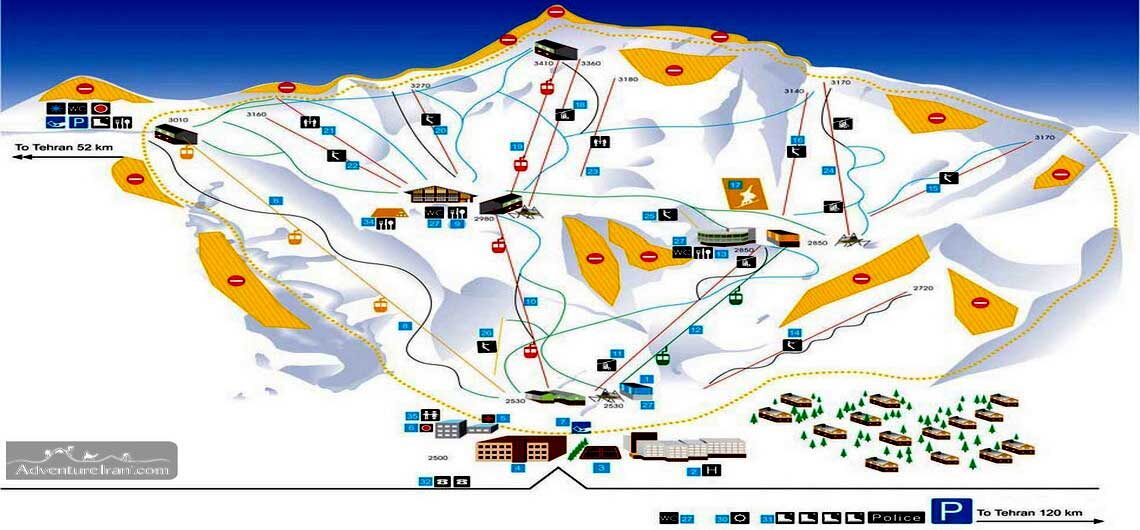
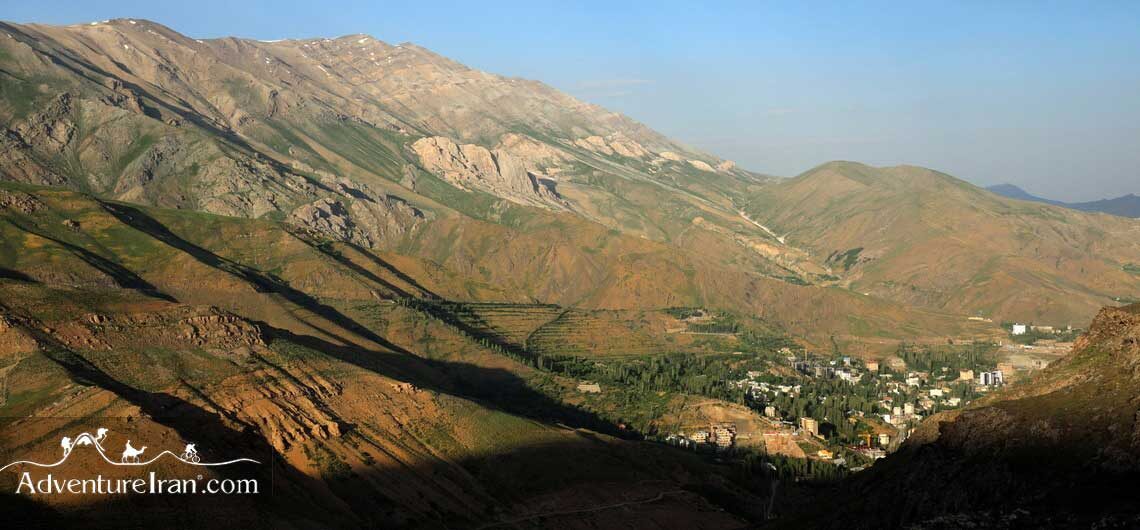
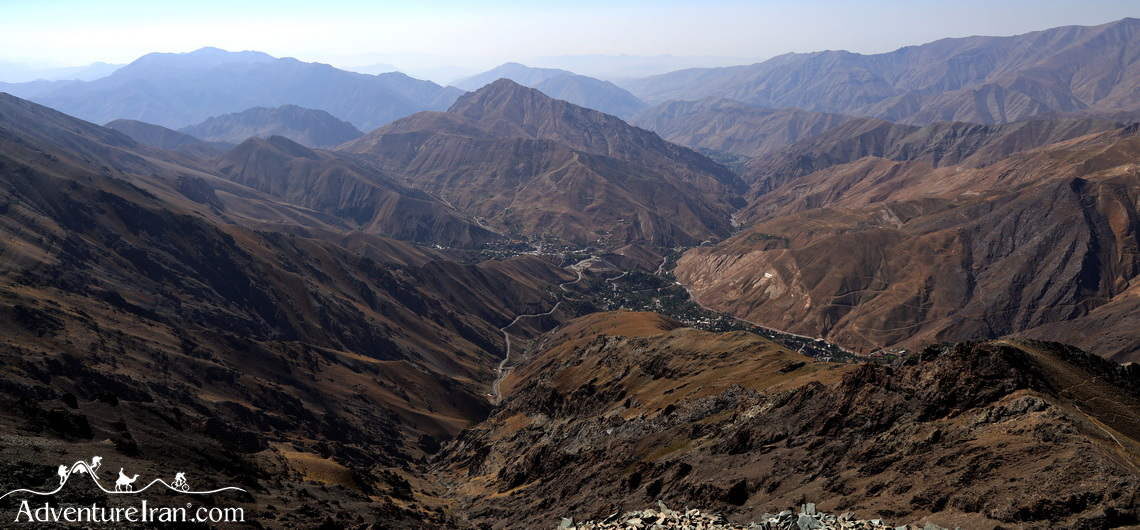
Dizin Ski Resort ALBORZ SKI REGION Dizin is the biggest Ski Resort in Iran, located in Alborz province, northeast of Tehran province, which is on the southern slopes of the Central Alborz Mountains. Dizin ski resort was built around 1960 during the reign of Pahlavi (Mohammad Reza Shah) before Iran’s Islamic revolution. The piste is situated in a staggeringly beautiful geographical position, surrounded by a lot of high mountain peaks around +4000 m, which makes for a very cold winter with amazing visibility of the mountains in the Alborz range. You will have a stunning view of Iran’s highest mountain, Damavand (5610m), from the top of the piste on Sichal peak. From the last station of Dizin, you have to ascend a little bit. It takes 10-15 minutes to reach the peak (Sichal), the highest point in the region. From there, you will have a breathtaking 360-degree panoramic view of the numerous mountains in the heart of Alborz. From the peak, you can see Kolonbastak (4150m), the ridgeline of the Sarakckal mountains, a 15km mountain chain above 4000m with 3 peaks. In the south, you will see Tochal mountain (3960m) which is north of the capital, Tehran. Dizin is, without a doubt, the finest place for skiing in Iran. For those who are looking for a more challenging activity, there are a lot of regions around Dizin that are terrific for Off Piste skiing. You will need a local guide or experienced ski instructor for off-piste skiing in Dizin. There are a few mountains around Dizin that are excellent for Ski-Touring at the end of winter and the beginning of spring. Mount Kolonbastak and Mount Azadkuh are two of them, which are fairly close, and ideal for ski touring. Besides ski activities, the attractive Dizin region is
Dizin Ski Resort ALBORZ SKI REGION Dizin is the biggest Ski Resort in Iran, located in Alborz province, northeast of Tehran province, which is on the southern slopes of the Central Alborz Mountains. Dizin ski resort was built around 1960 during the reign of Pahlavi (Mohammad Reza Shah) before Iran’s Islamic revolution. The
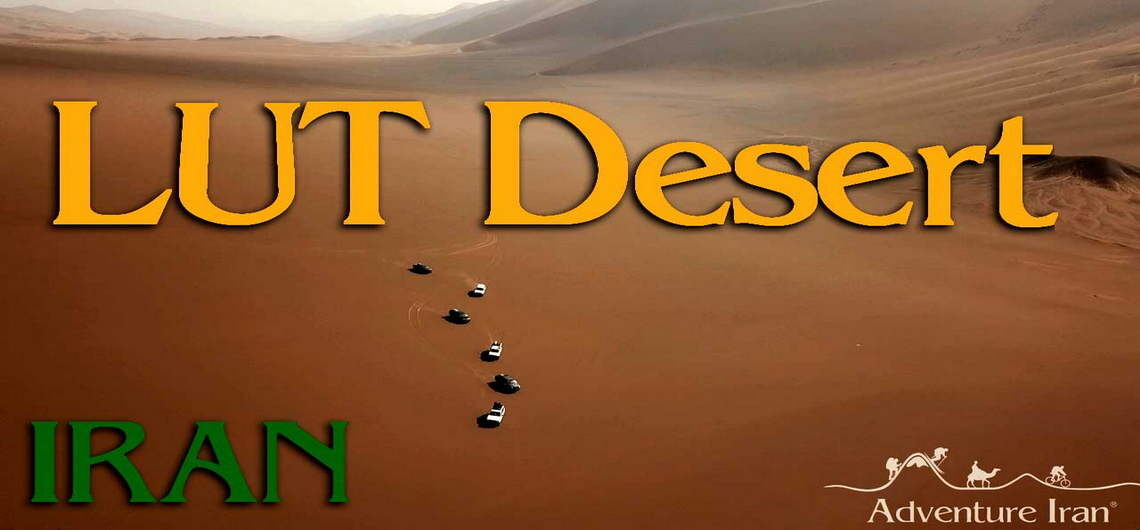
Lut 4x4 safari Tour The Video Story of Safari in Dasht-e Lut Desert In this video you can see an expedition desert safari with jeeps in the heart of Kavir-e Lut with Italian travelers. They had the Iran's special Off the Beaten Path trip to explore unknown regions of Iran like South Khorasan as well as visiting Iran’s deserts (Dasht-e Kavir & Dasht-e Lut). They traveled with a big bus for their cultural and historical explorations. At some part of the trip and at the end of it they visited Nehbandan which is in the north of Lut Desert. From there they start their adventure for 5 days and 4 nights in the middle of the desert. Lut desert is one of the most beautiful deserts in the world since it has most of the world's desert attractions in one place. Also Gandom Berian (the hottest place on the planet) located in the Dasht-e Lut Desert might be the most famous of them all. Lut desert registered in UNESCO natural list in 2016 as the most amazing desert in the world. The season to visit this desert is from mid-autumn to early spring so for them, the day temperature was between 30-35 °C and they had a pleasant temperature during the nights. Hope you enjoy the video and if you like it subscribe to our channel to see more of the beauty of our country. https://www.youtube.com/watch?v=KlG_9gPx-hM Photo Gallery https://www.adventureiran.com/dasht-e-lut-desert/
Lut 4×4 safari Tour The Video Story of Safari in Dasht-e Lut Desert In this video you can see an expedition desert safari with jeeps in the heart of Kavir-e Lut with Italian travelers. They had the Iran’s special Off the Beaten Path trip to explore unknown regions of Iran like South Khorasan as well
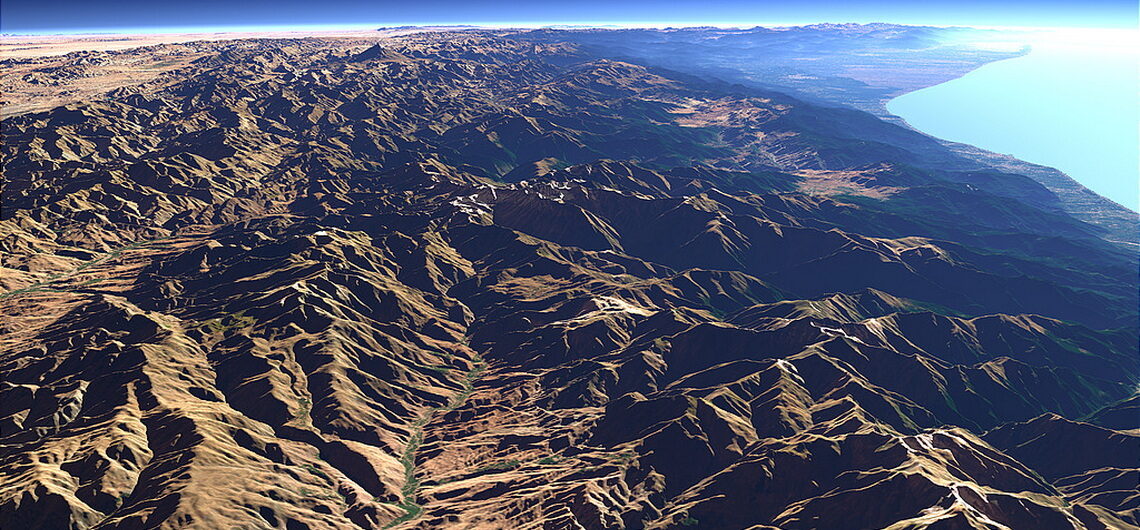
Iran's Most Famous Mountains and High Peaks Iran has a long list of mountains above 4000m in different regions in the Alborz and Zagros ranges. Surprisingly, even in the deserts of Iran, there are many mountains above 3000 m plus a few famous mountains above 4000m. Moreover, along these two long mountain ranges, there are numerous special regions such as Dasht-e Lut or Sistan and Baluchistan province embracing some mountains which are not well known to travelers. They have an ideal climate, perfect for a winter ascend. It is impossible to list all of Iran’s mountains here. We have chosen only a few of them for adventurous travelers who would like to specifically experience Iran’s mountains. We considered many factors to create the list below from more than 100 mountain names that local climbers generally choose for their various activities. We appraised the combination of the mountains’ altitude, the levels of difficulty, accessibility, special regions, protected areas, exquisite landscapes, and Off the Beaten Track, to cover a multitude of activities bearing in mind the best season for each activity to cover the whole year. Besides, our 20 years' experience of performing a lot of tours in different regions of Iran was another important aspect as to why we have chosen these specific mountains in our Iran’s Most Famous Mountains and High Peaks List. According to your travel time in Iran and your level of fitness, we have special offers for you. Also included are popular activities such as Trekking, Mountain Biking, and Ski-touring. The list has been prepared by Adventure Iran’s mountain guides’ team. It reflects our point of view of what we think is just right for you. Certainly, there are a lot of other mountains which are not listed in our famous mountains of Iran. If you are looking
Iran’s Most Famous Mountains and High Peaks Iran has a long list of mountains above 4000m in different regions in the Alborz and Zagros ranges. Surprisingly, even in the deserts of Iran, there are many mountains above 3000 m plus a few famous mountains above 4000m. Moreover, along these two long mountain ranges, there are numerous
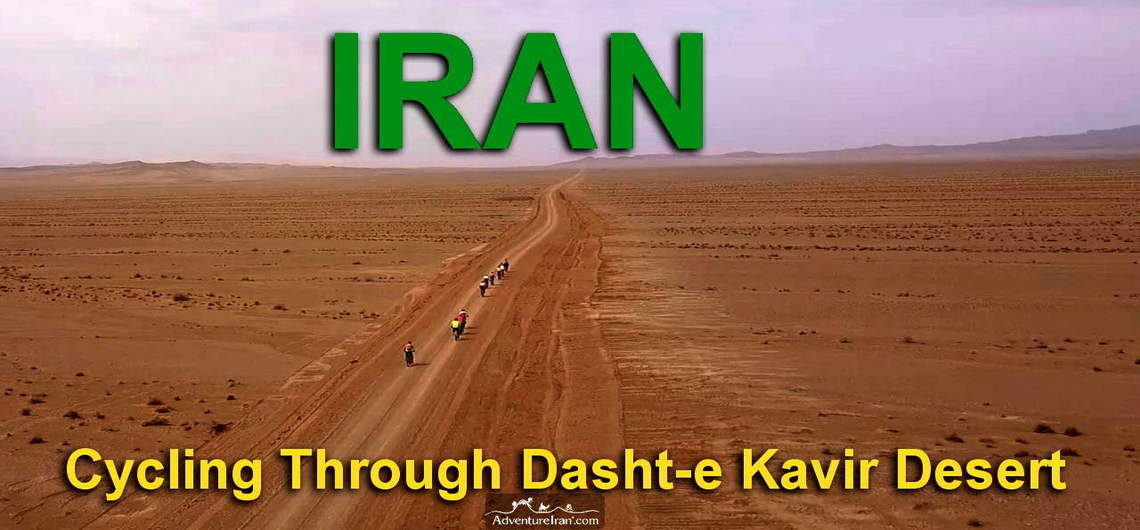
Cycling through Dasht-e Kavir desert This video is about one of Adventure Iran’s cycling tours is in the region of Dasht-e Kavir desert. We have performed a lot of cycling tours in Iran’s deserts. In some regions we couldn't even film and we used the pictures taken to show some places or people. The first group were some Canadian cyclists who came to Iran in 2016. This was a 4 weeks cycling tour from the south of Iran (Shiraz) towards the Caspian Sea and on this video we used only the desert section of their trip. We had other guests from a variety of nationalities in this video like Hong kongese, Dutch, Swiss, Germans, Austrians and some Iranians as well. The route we had for each group was different and they had distinct travel itineraries. In general, we cover the main important attractions of Iran’s deserts like Historical Castles, Oases, Old villages and Caravanserais which were one day a part of the ancient Silk Road. Also the two main Iran’s touristic cities of Yazd and Esfahan are on our Desert cycling tours. In this video Kuhpa Caravanserai, Bayazeh historical Castle, Mesr, Garmeh, Kharanaq ancient village and Aroosan oases, Meybod historical town, Naien and Anarak caravanserai can be seen. The time window for cycling in Iran's central desert is the beginning of spring (March and April) and autumn (September – November). The road that can be seen throughout the video is the backroad between old towns or villages, which is very safe and as it’s not the main road, there aren't many cars that use it. Also a combination of paved road, dirt road and desert roads is taken on this trip. For accommodation we used a combination of hotels and caravanserais, which are renovated as a boutique hotel, guest
Cycling through Dasht-e Kavir desert This video is about one of Adventure Iran’s cycling tours is in the region of Dasht-e Kavir desert. We have performed a lot of cycling tours in Iran’s deserts. In some regions we couldn’t even film and we used the pictures taken to show some places or people. The first
Darbandsar Village in Iran ALBORZ SKI REGION Darbandsar is a village in the heart of the Alborz Mountains of Iran, 60 km away from the capital and northeast of Tehran province. The village is situated on the slope of the southern part of the Central Alborz mountains with various altitudes. The average height is approximately 2600m above sea level. Darbandsar is also the name of the ski resort which was created after Iran’s revolution. Darbandsar village became famous in Iran as the piste is owned by a private company. The company built the length of the ski slope as well as bought a new lift system for the ski resort, which, by the way, is more up-to-date compared to other ski resorts in Iran. Winter time is the busiest time of the year, with Tehranians coming to ski. It is generally even busier at the weekends, (which are Thursday and Friday in Iran). Due to this influx of visitors, the main road (Fasham-Shemshak) is usually packed full of cars at this time. Apart from the ski activity in winter, the region is a perfect destination for other activities such as trekking and mountain biking during other seasons. A lot of high mountains above 3000 m surround this village with plenty of canyons and spring water, flora, and wildlife. Darbandsar is located in the Alborz Markazi protected area which makes this region one of the best places to visit for those who live in the capital and would like to spend their weekend in northern Tehran in the central Alborz Mountains. The highest point of Darbandsar is 2650m, a mountain above the ski resort which locals call Mahmoud Chal peak. There are also a few very high mountains around Darbandsar such as MT Kolonbastak 4150m, Sarakchal 1 (4120m), Sarakchal 2
Darbandsar Village in Iran ALBORZ SKI REGION Darbandsar is a village in the heart of the Alborz Mountains of Iran, 60 km away from the capital and northeast of Tehran province. The village is situated on the slope of the southern part of the Central Alborz mountains with various altitudes. The average height is approximately
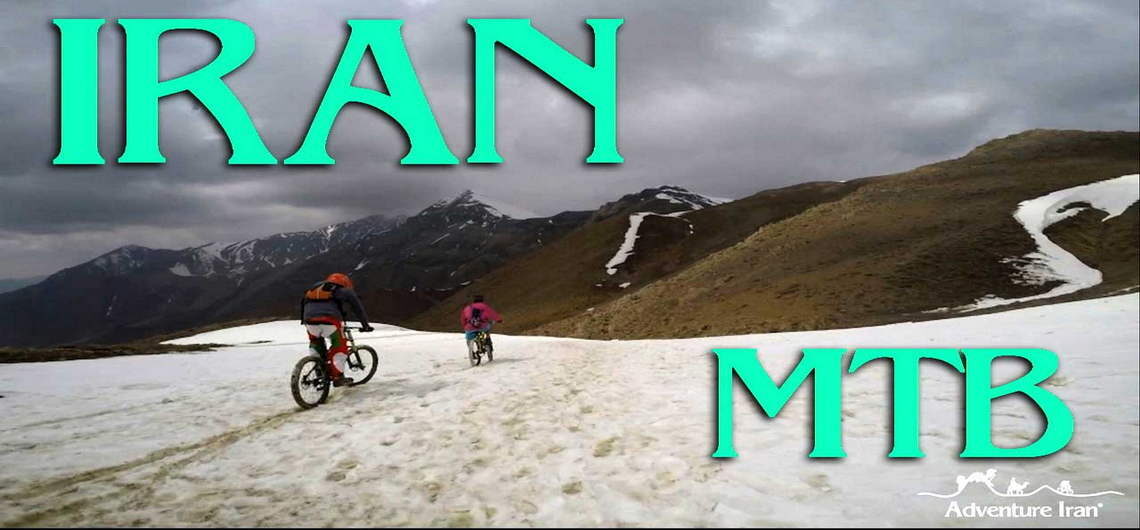
Mountain Biking in Mt Parsoon The video is about the challenging mountain biking of Parsoon Mountain with a couple of Adventure Iran’s mountain biking guides on 6th of April 2018. Parsoon peak is about 3100m which is located in the southern side of central Alborz Mountains. It’s not far from the capital, which is Tehran, but is reachable via lavasan city that is located at the north south of it and it's considered a suburb for Tehran, and from there continue the main road to Afjeh village. The paved road finishes in Afjeh and the real biking adventures starts from there. there is a dirt road that leads you to another big plain called Dasht-e Havij which is several hundred meters higher than Afjeh. Dasht-e Havij is a base camp of a few high altitude peaks which surround this valley. Mt Parsoon (3100m), Mt Saka (3300m), Mt Rizan (3500m) and Mt Atashkooh (3713m) are the mountains you can ascend from Dasht-e Havij. Also there is an old mule road that goes to Dasht-e Lar (Means Lar valley) and from there connect you to the north of Iran in the Caspian Sea region. Locals used to use that road to transfer their goods to Caspian regions about a hundred years ago. On this adventurous trip we transferred the mountain bikes from Adventure Iran’s office in Lavasan to Dasht-e Havij, And from there, the trek started towards the peak. For most of the climb they pushed their bikes to the top of the mountain and sometimes even carried them on their shoulders. They reached the summit around noon and spent a few minutes resting and snacking. The weather was cloudy and there wasn’t much of a chance to see other central Alborz high peaks. On the way they saw another climber
Mountain Biking in Mt Parsoon The video is about the challenging mountain biking of Parsoon Mountain with a couple of Adventure Iran’s mountain biking guides on 6th of April 2018. Parsoon peak is about 3100m which is located in the southern side of central Alborz Mountains. It’s not far from the capital, which is Tehran,
Mount Kolon Bastak in Northern Tehran Northern Tehran has countless mountains above 4000 m, which are geographically located in the central Alborz mountains. Mount Kolon Bastak is one of the highest summits in the Central Alborz region in Iran, with an altitude of 4170 m above sea level. The closest village to this summit is Shemshak, 40 km north of Tehran and 60 km from central Tehran. It is the most convenient place to choose for spending the night before your climb. Shemshak village has a 2700 m altitude above sea level. It is famous for being one of the first ski resorts in Iran which opened in 1958. It is the third largest ski area after Dizin and Darbandsar. Mt. Kolon Bastak is an excellent choice for acclimatization before ascending Mt Damavand (5610m) and Alamkuh (4850m), as it is near Tehran city and is not a technical peak. No particular gear or special equipment is needed to ascend the peak in mid-spring, summer, and autumn. You can drive up to 3400 m to the base of the mountain, the starting point of the trek. From the peak, you can continue the trek through the ridge towards the east and then ascend Sarakchal mountain (4210m). There is a renowned mountain trail called Kolon Basatak-Sarak Chal ridge line, another trekking route for experienced hikers who would appreciate a real challenge. The season starts in mid-spring and finishes at the beginning of autumn. In the summertime, the weather is more stable at the peak, making it suitable for all categories of hikers. Kolon Bastak Mountain Ascent (4156 m) is one of the most popular tours that most hikers will benefit from. Mt. Kolon Bastak to Mt. Sarak Chal ridgeline trek is one of Adventure Iran’s special offers for those of you
Mount Kolon Bastak in Northern Tehran Northern Tehran has countless mountains above 4000 m, which are geographically located in the central Alborz mountains. Mount Kolon Bastak is one of the highest summits in the Central Alborz region in Iran, with an altitude of 4170 m above sea level. The closest village to this summit is
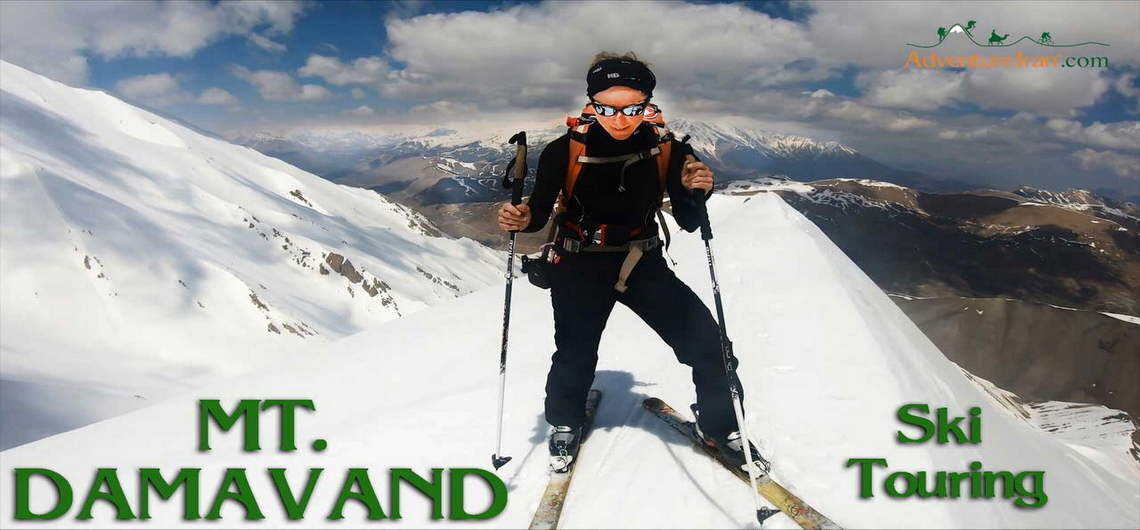
Ski Touring in MT Damavand The video is about our expedition ski touring trip in Mt Damavand in April of 2019 that was made for a Spanish couple. Damavand is a symbol of Iran and ascending it is the dream of many adventurous travelers. The Majority of people climb Mt Damavand in the summer as a trekking activity but at the end of winter or beginning of spring when the mountain has a lot of snow is perfect for ski touring. We have created a trip to ascend Damavand with skis for challenger skiers. The trip is designed to have a few days of ski touring in Dobarar Mountains for the start. Dobarar mountains has a couple of peaks about 4000m which is in the southern side of Mt Damavand and has a very good quality snow for ski touring. Besides that, it’s perfect for warm up and acclimatization before the actual climb to mount Damavand. The plan in Dobarar was to stay in a nearby village and make base and choose a different peak to ascend and ski in every day. luck was on their side on this trip as they had perfect weather most of the days. They did a lot of photography in the high mountains of Dobarar which you can see in here. After this part, we transferred the group toward Mt Damavand base camp where they rested and the next day drove them from the 1st camp towards the 2nd camp. In the midway, they started skiing towards the 3rd camp and carried the bags with porters. In March and April and most of the year, we have snow above the 2nd camp (3100m) so they couldn’t use mules to transfer their baggage. The next day was acclimatization day and they climbed towards 5000m without
Ski Touring in MT Damavand The video is about our expedition ski touring trip in Mt Damavand in April of 2019 that was made for a Spanish couple. Damavand is a symbol of Iran and ascending it is the dream of many adventurous travelers. The Majority of people climb Mt Damavand in the summer as
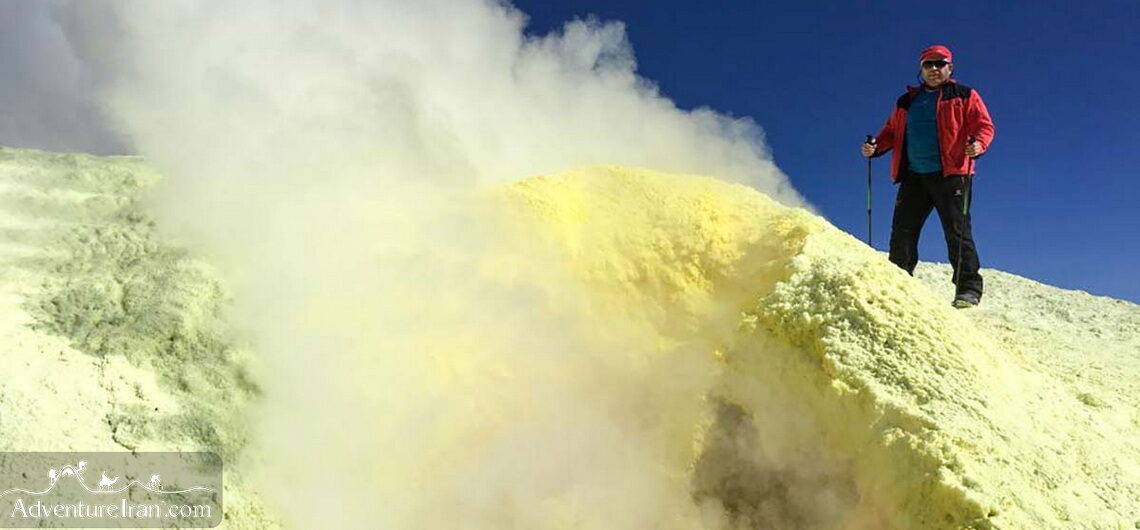
Mount Taftan in Iran Active Volcano Peak Nestled in the southeastern corner of Iran, near the borders of Pakistan and Afghanistan, Mount Taftan stands as one of the country’s most fascinating natural wonders. This dormant stratovolcano, rising to an impressive 4,042 meters (13,261 feet), is not only a geological marvel but also a destination rich in myth, history, and adventure. For travelers seeking a unique and off-the-beaten-path experience, Mount Taftan offers a captivating blend of rugged landscapes, cultural significance, and thrilling outdoor activities. The massive Mount Taftan is situated only 70 km away from the Pakistan border. It is an isolated, active volcanic mountain located in Sistan and Baluchestan province. South of the mountain is Khash, the nearest city. Mt. Taftan has two very famous summits with Chehel Tan peak (Madehkuh) at 3941 m above sea level being the highest one. Iran has numerous mountains over 4000 m, but this, in particular, is one of the more well-known peaks, since it is a solitary mountain in the corner of Iran, with an active volcanic peak. It is attached to Dasht-e lut desert. The Legendary Volcano Mount Taftan, whose name means "burning mountain" in Persian, is part of the Makran volcanic arc. Although dormant, the volcano still emits faint plumes of sulfurous gases, a reminder of its fiery past. Its dramatic peaks, often capped with snow, create a striking contrast against the arid plains of Sistan and Baluchestan Province. The mountain’s unique terrain, shaped by centuries of volcanic activity, features rugged ridges, deep valleys, and colorful mineral deposits, making it a paradise for geology enthusiasts and photographers. Taftan volcanic mountain is a sub-range of Iran’s volcanic arc, with Bazman Mountain in Iran and Sultan Kuh in Pakistan. This volcanic arc has formed over Cretaceous-Eocene sedimentary layers and is derived from
Mount Taftan in Iran Active Volcano Peak Nestled in the southeastern corner of Iran, near the borders of Pakistan and Afghanistan, Mount Taftan stands as one of the country’s most fascinating natural wonders. This dormant stratovolcano, rising to an impressive 4,042 meters (13,261 feet), is not only a geological marvel but also a destination rich
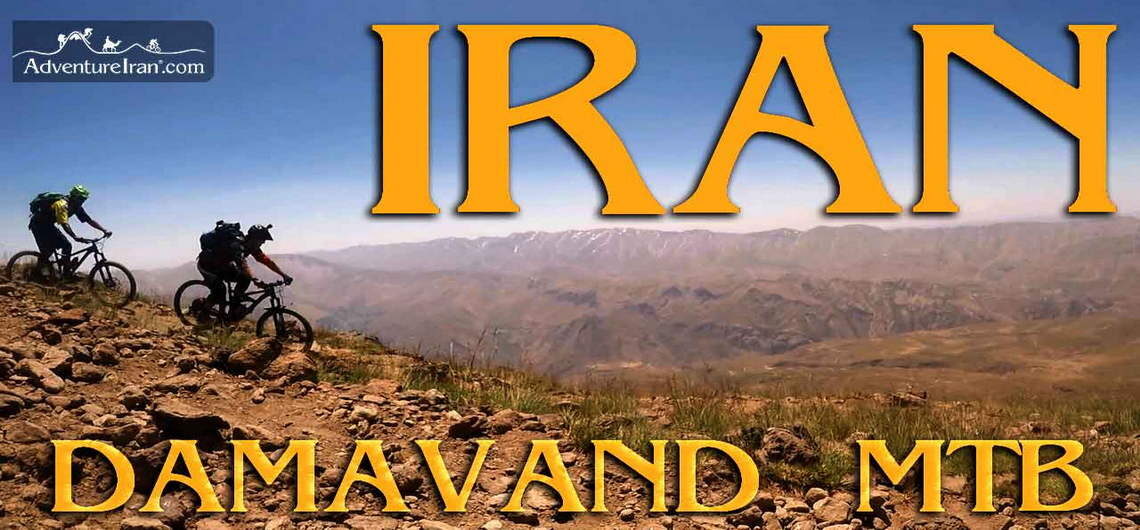
MT Damavand with bicycle The video is about an expedition mountain biking trip to ascent Damavand Mountain (5610m) which was performed in July of 2019. Mt Damavand is Iran’s highest peak and it’s the highest volcanic mountain of Asia. The mountain is in the southern coast of the Caspian Sea and is in the north west of Tehran province. The group was from Slovenia and the Adventure Iran’s team led this expedition trip. It was a one-week tour starting and finishing in Tehran. The journey started with a two days MTB tour in the Lar national park as a warm-up. Lar is a protected area located on the foothills of MT Damavand and it's in the south west of the mountain. They also slept one night inside the park in high altitudes which is perfect for acclimatization when you come around the sea level. After finishing the Lar trip they continued cycling towards the southern part of Mt Damavand and slept one night in the Mount Damavand shelter which is the first camp of Damavand and The next day transferred the bicycles to the 2nd camp. From there they loaded all of the camping equipment and other stuff to the mules and started mountain biking from the 2nd camp at an altitude of about 3100m toward the 3rd camp(4200m). In our original plan the next day was acclimatization day, the day we generally ascend with bicycles up to 5000m and then leave the bikes somewhere in the mountains and descend to the 3rd camp. On this trip the physical fitness of the group was very good and they decided to skip the acclimatization phase. They woke in the dusk and packed to ascend towards the peak. They were at the summit around noon and all of the group reached
MT Damavand with bicycle The video is about an expedition mountain biking trip to ascent Damavand Mountain (5610m) which was performed in July of 2019. Mt Damavand is Iran’s highest peak and it’s the highest volcanic mountain of Asia. The mountain is in the southern coast of the Caspian Sea and is in the north