
Zoorkhaneh
Iran’s Traditional Wrestling and UNESCO Intangible Heritage
Iran is a land of deep-rooted traditions, and among its most fascinating cultural legacies is Pahlavani and Zoorkhaneh, an ancient martial art that blends physical strength, spirituality, and Persian heritage. Recognized by UNESCO as an Intangible Cultural Heritage of Humanity, this centuries-old sport is far more than just wrestling—it is a unique blend of physical training, ethical teachings, and Persian mysticism.
Zoorkhaneh, A Legacy of Strength and Honor
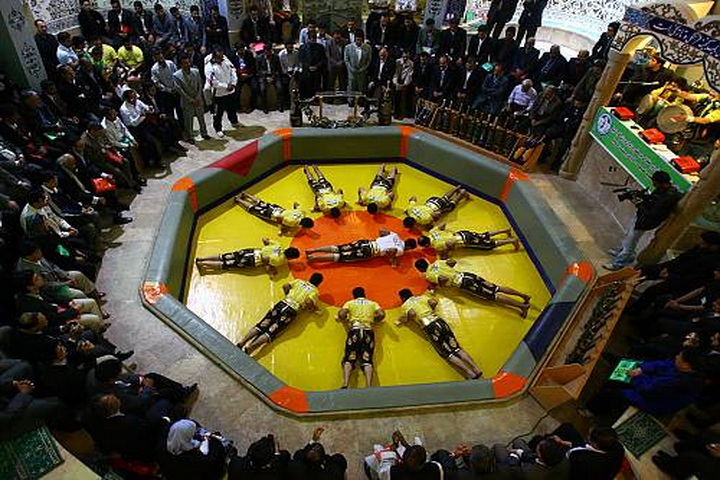
Pahlavani, also known as Varzesh-e Bastani (ancient sport), dates back to the Persian Empire, where warriors trained in Zoorkhanehs (literally “houses of strength”) to prepare for battle. Over time, it evolved into a symbol of heroism, chivalry, and moral integrity, deeply influenced by Sufism and Persian ethics. Practitioners, known as Pahlavans (champions), were not just athletes but also role models of humility, generosity, and respect.

Inside the Zoorkhaneh: The House of Strength
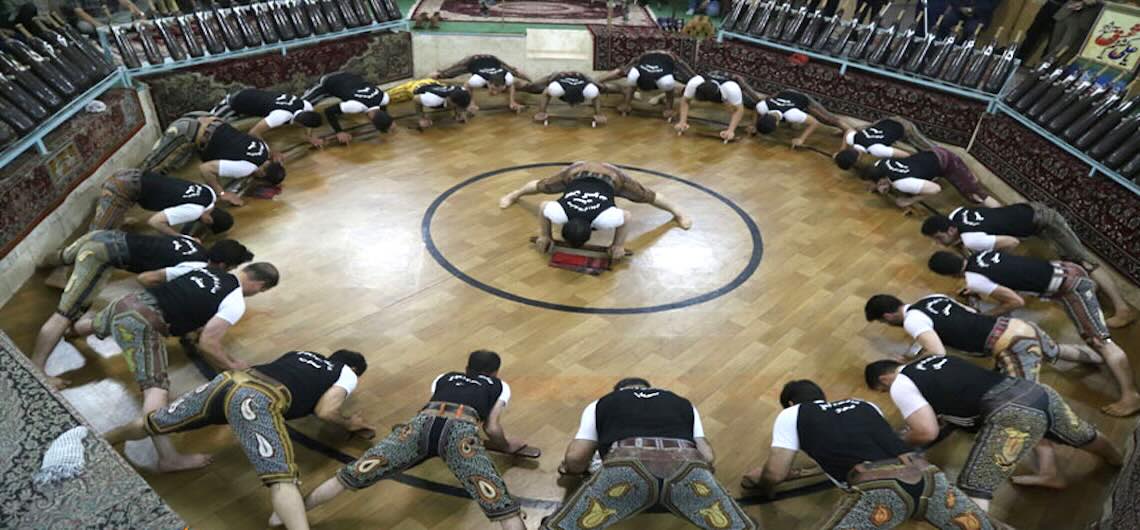
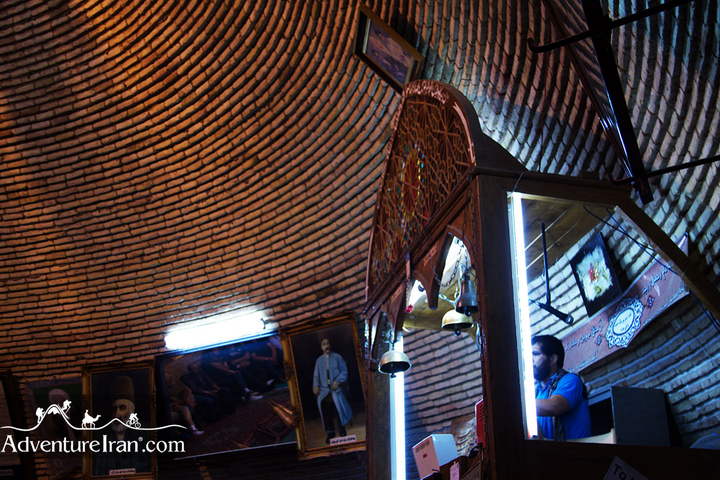
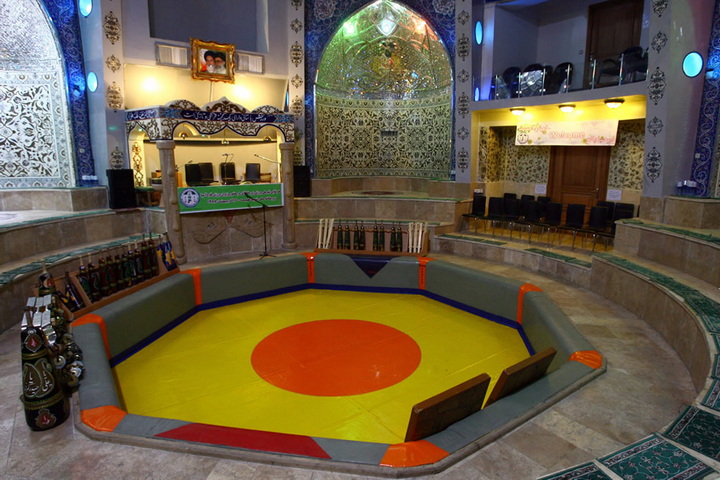
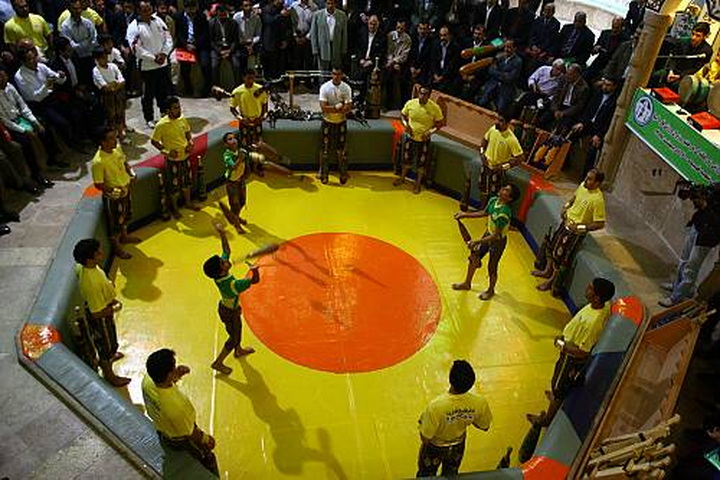
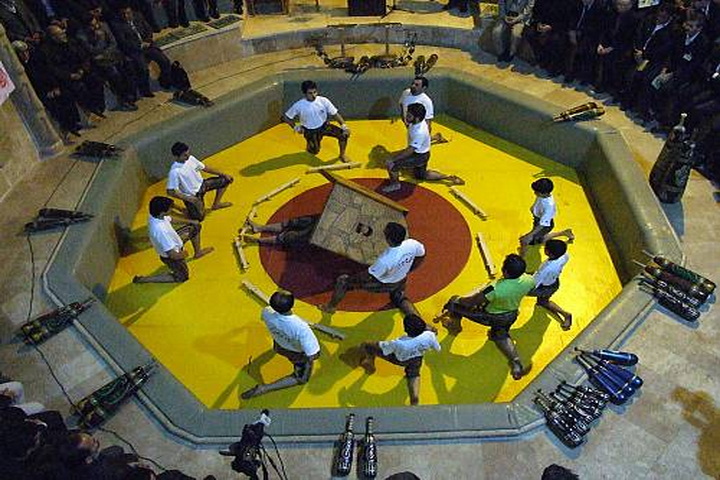
A Zoorkhaneh is a circular domed structure where Pahlavani rituals take place. Upon entering, you’ll witness an inspiring display of strength, discipline, and spirituality:
✅ The Morshed (Master of Ceremony): A key figure in the Zoorkhaneh, the Morshed sits on an elevated platform, reciting epic Persian poetry, religious verses, and rhythmic drumbeats, guiding the athletes through their exercises.
✅ The Gowd (Training Pit): Athletes perform in a sunken pit, symbolizing humility, while their movements synchronize with the rhythmic beats.
✅ Traditional Exercises: Instead of modern gym equipment, wrestlers train using heavy wooden clubs (Mil), iron bows (Kabbadeh), and stone shields (Sang) to build endurance and agility.
✅ The Sacred Rituals: Every session begins with prayers and praises for Ali, the first Imam of Shia Islam, and Persian warriors like Rostam from Ferdowsi’s Shahnameh.
Zoorkhaneh, more Than a Sport: A Cultural and Spiritual Experience
Unlike modern wrestling, Pahlavani is a holistic discipline that combines physical endurance with ethics and spirituality. The sport teaches respect, humility, and unity—qualities deeply embedded in Persian culture. It is also one of the few sports where young apprentices train under the guidance of elder champions, ensuring the transmission of values across generations.
UNESCO Recognition and Global Interest
In 2010, UNESCO inscribed Pahlavani and Zoorkhaneh rituals on the Representative List of the Intangible Cultural Heritage of Humanity. This acknowledgment helped revive global interest in this endangered tradition, encouraging efforts to preserve and promote it beyond Iran’s borders. Today, Zoorkhanehs still thrive in cities like Tehran, Isfahan, Yazd, and Shiraz, offering travelers a rare opportunity to witness this living heritage.
Experience a Zoorkhaneh in Iran
For those visiting Iran, attending a Zoorkhaneh session is an unforgettable experience. It’s not just a sport but a window into the soul of Persian history, ethics, and warrior traditions. Whether you’re a culture enthusiast, a history lover, or simply a traveler eager for authentic experiences, a visit to a Zoorkhaneh will leave you inspired.
Comments