
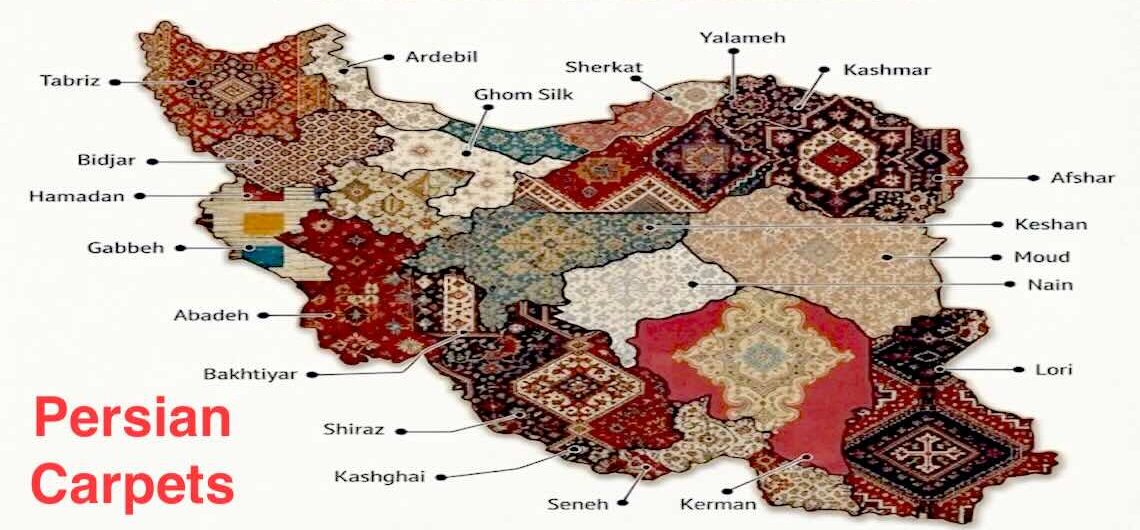
Persian Carpets
A Timeless Art and Cultural Heritage
Persian carpets are among the most renowned and exquisite handcrafted textiles in the world. With a history spanning over 2,500 years, these carpets are not just decorative pieces but also symbols of Persian culture, artistry, and craftsmanship. Woven with intricate designs, vibrant colors, and the highest quality materials, Persian carpets remain a treasured possession in homes and museums worldwide.
The History of Persian Carpets
The tradition of carpet weaving in Persia dates back to ancient times, with the oldest known example being the Pazyryk Carpet, discovered in a Scythian burial mound in Siberia and believed to be over 2,500 years old. Historical records, including those of Greek historians like Herodotus, indicate that Persian carpets were already highly valued in ancient times.
During the Safavid Dynasty (16th–18th century), Persian carpet weaving reached its golden age. Under the patronage of Shah Abbas I, royal workshops in cities like Isfahan, Kashan, and Tabriz produced some of the finest carpets in history, many of which are now preserved in museums such as the Victoria and Albert Museum in London and the Metropolitan Museum of Art in New York.
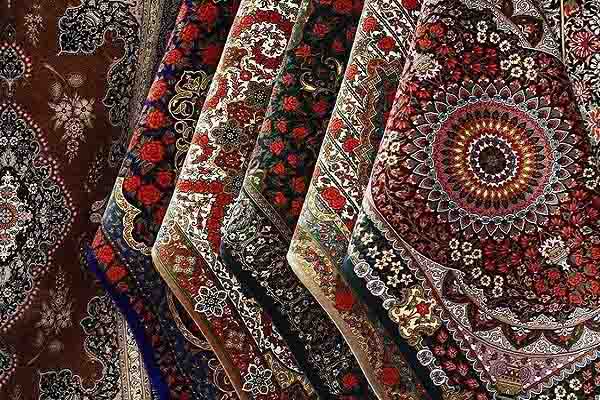
Persian Carpet Designs and Patterns
Persian carpets are known for their distinctive designs, which often feature:
•Medallion Patterns: A central circular or oval motif, often surrounded by elaborate floral patterns.
•All-over Patterns: Repeating floral or geometric motifs without a central medallion.
•Hunting Scenes: Depicting animals and nature, often inspired by Persian miniature paintings.
•Tree of Life Designs: A symbolic representation of paradise and eternity, commonly seen in prayer rugs.
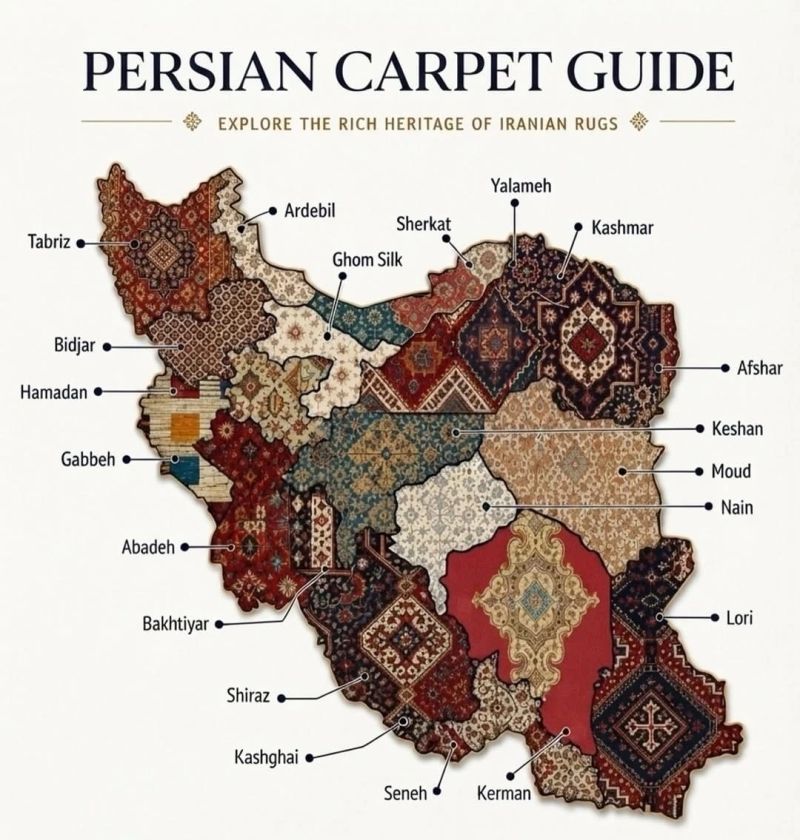
Each region in Iran has its own signature style, with colors and motifs that reflect the local traditions and environment.
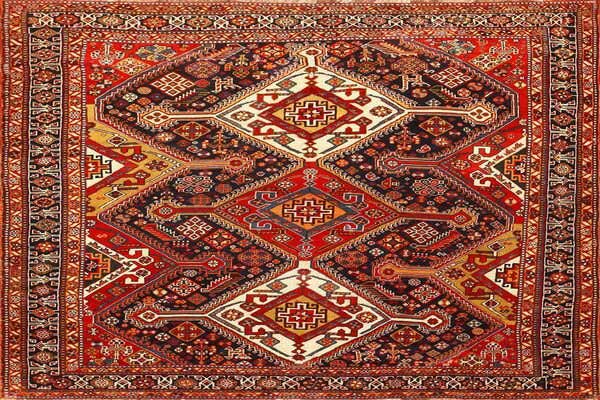
Famous Carpet-Weaving Centers in Iran
Different regions in Iran produce carpets with unique characteristics:
•Tabriz: Known for finely knotted carpets with intricate floral and hunting scene designs.
•Isfahan: Produces high-quality silk carpets with symmetrical floral and arabesque patterns.
•Kashan: Famous for its luxurious wool and silk carpets featuring medallion designs.
•Qom: Specializes in silk carpets with detailed and vibrant color schemes.
•Kerman: Recognized for soft wool carpets with historical and botanical motifs.
•Nomadic Carpets (Bakhtiari, Qashqai, and Lori): Woven by tribal groups, these carpets feature bold geometric patterns and rich colors, reflecting the lifestyle and traditions of the nomads.
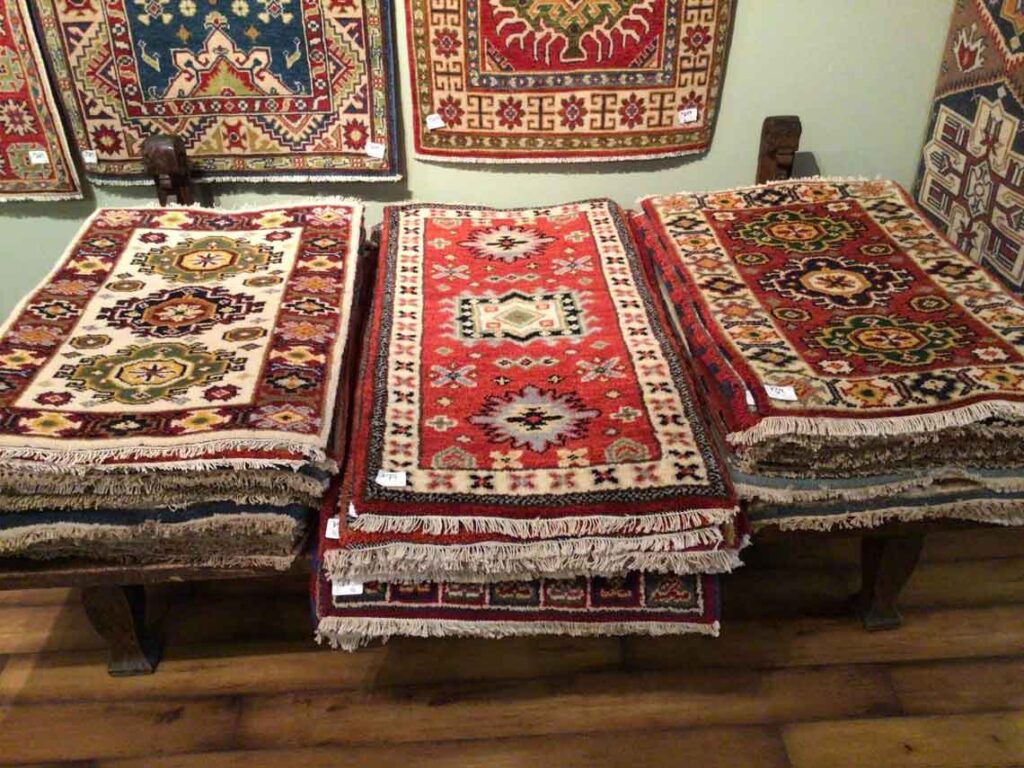
Materials and Weaving Techniques
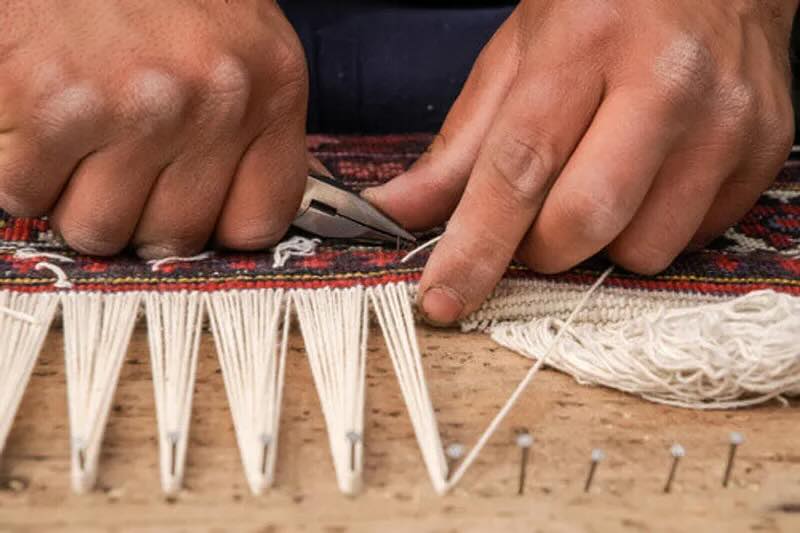
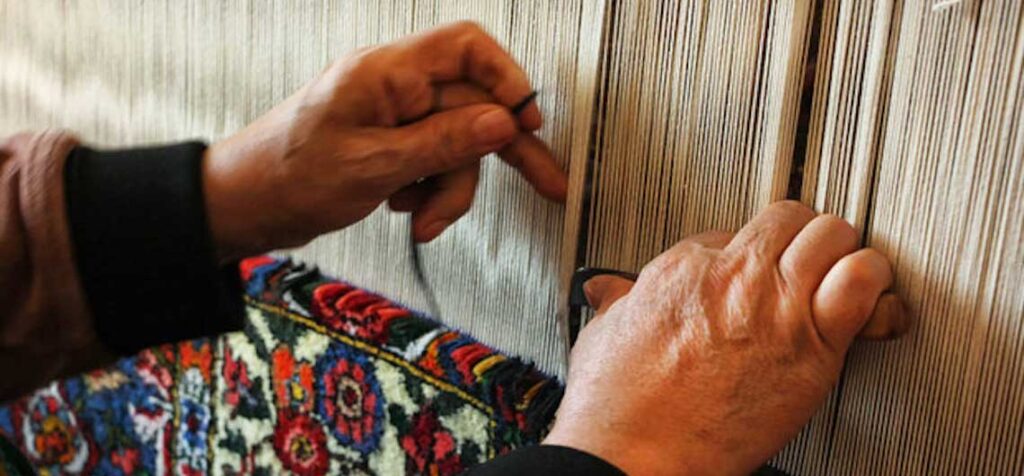
Persian carpets are traditionally made from high-quality wool, silk, or cotton. The finest carpets often use silk for intricate detailing and a luxurious feel. The weaving process involves thousands, sometimes millions, of knots per square meter, with Persian knots (asymmetrical knots) being the most common technique.
The dyeing process is also an essential part of carpet making, using natural dyes derived from plants, insects, and minerals to create rich and long-lasting colors. Madder root produces red, indigo creates blue, and walnut shells provide brown hues.
The Cultural and Economic Importance of Persian Carpets
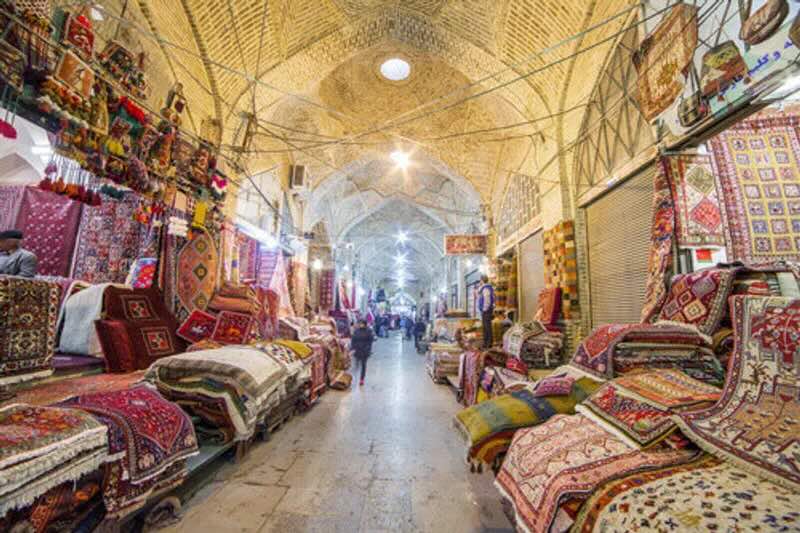
Persian carpets hold a deep cultural significance in Iranian society. They are often given as gifts, used in religious ceremonies, and passed down as family heirlooms. The carpet industry also plays a vital role in Iran’s economy, providing jobs for thousands of artisans across the country. Despite challenges from machine-made alternatives and international sanctions, Persian carpets continue to be highly sought after in global markets.
Buying and Caring for a Persian Carpet
When purchasing a Persian carpet, consider the following:
•Authenticity: Look for hand-knotted craftsmanship rather than machine-made imitations.
•Material: Wool and silk carpets are generally of higher quality than synthetic ones.
•Knot Density: Higher knot density indicates a more detailed and durable carpet.
•Design & Origin: Each region has its distinct style, so choose based on personal preference.
To maintain a Persian carpet:
•Keep it away from direct sunlight to prevent fading.
•Vacuum regularly but avoid using a beater bar.
•Rotate the carpet occasionally to ensure even wear.
•Clean spills immediately with a damp cloth, avoiding harsh chemicals.
Conclusion
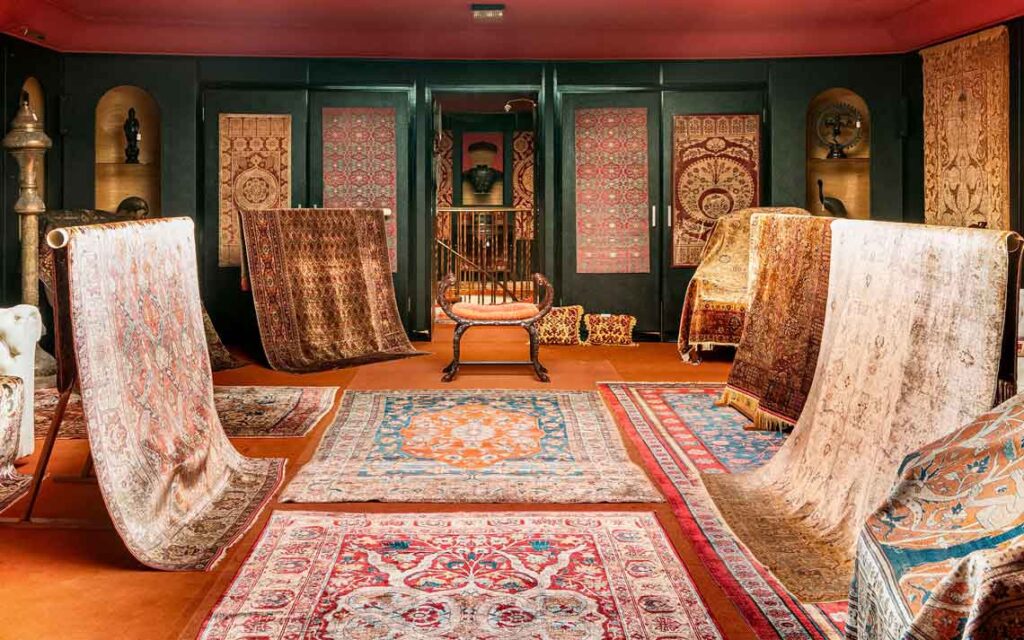
Persian carpets are more than just floor coverings; they are living pieces of history and art that represent the soul of Persian culture. Whether placed in a grand palace or a modest home, these carpets continue to inspire admiration and appreciation worldwide. Owning a Persian carpet means owning a piece of Iran’s rich artistic legacy—woven with tradition, skill, and timeless beauty.
Comments