
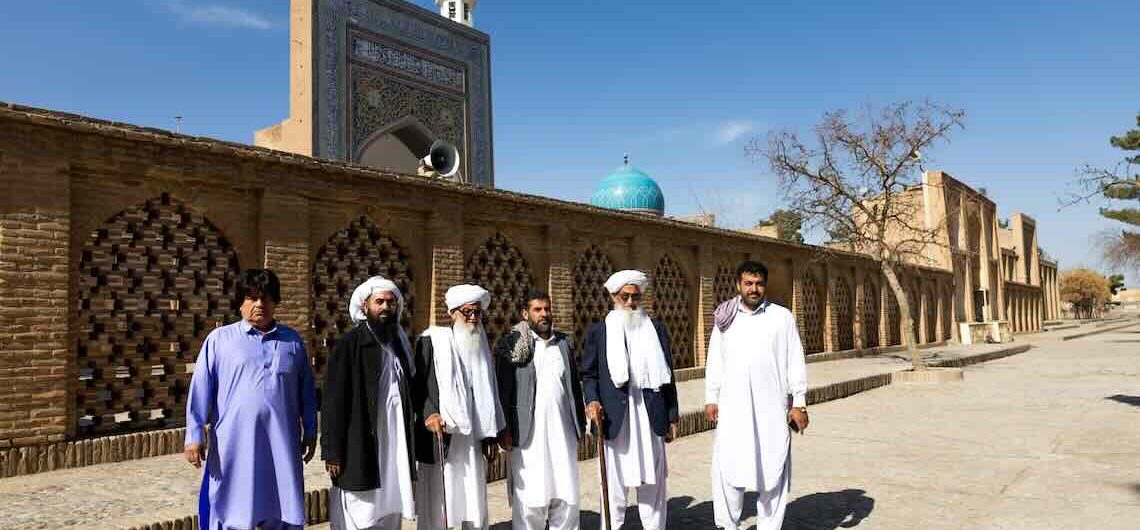
Exploring Sufism in Iran’s Sacred Khorasan
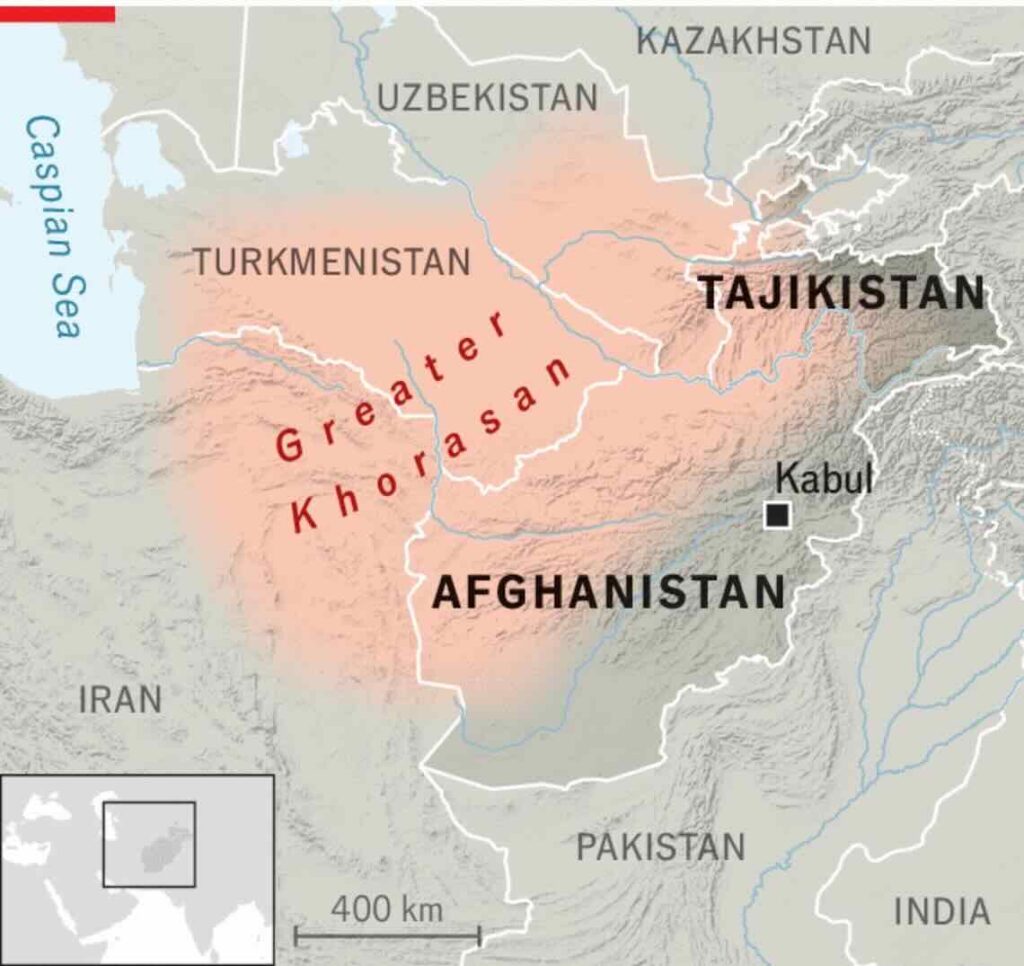
Northeast Iran holds a secret. Beneath the vast skies of Khorasan—a region stretching from the Caspian Sea to the borders of Afghanistan—lies something invisible to the untrained eye. It is not found in guidebooks or captured in postcards. It is the echo of centuries of spiritual seeking, whispered through the wind that sweeps across its deserts and wraps around the domes of ancient shrines.
Khorasan is not merely a place on a map. It is one of the unknown great spiritual centers of the world. For the traveler willing to look deeper, this land offers something far more valuable than monuments: a living connection to the mystics who shaped the soul of Persia.
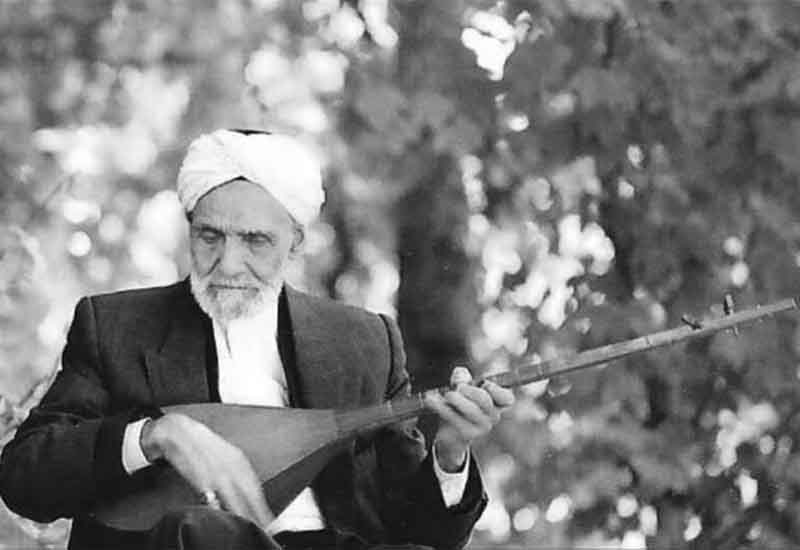
Quick Overview: Khorasan’s Mystical Heritage at a Glance
| Aspect | Details |
|---|---|
| Spiritual Era | 9th–15th centuries CE |
| Key Figures | Bayazid Bastami, Abu Sa’id, Kharaqani, Ahmad-e Jam, Khayyam & Attar of Nishapur |
| Main Sites | Bastam, Torbat-e Jam, Mashhad, Kharaqan, Gonabad, |
| Photography type | People, Architecture, Street and Landscape Photography |
| Best Time to Visit | Spring (March–May) and Autumn (September–November) |
The School of Khorasan: A Mystical Voice Like No Other
While Baghdad developed a Sufism of sobriety and strict discipline, Khorasan gave birth to something more daring. Here, mystics embraced spiritual intoxication—an ecstatic annihilation in divine love that found expression in bold, startling utterances .
This was also the birthplace of the Malāmati tradition, the “Path of Blame.” Its followers deliberately concealed their piety and accepted public criticism as a way to purify the ego. They understood a profound truth: when you care nothing for what others think, you are free to seek only the approval of the Beloved.
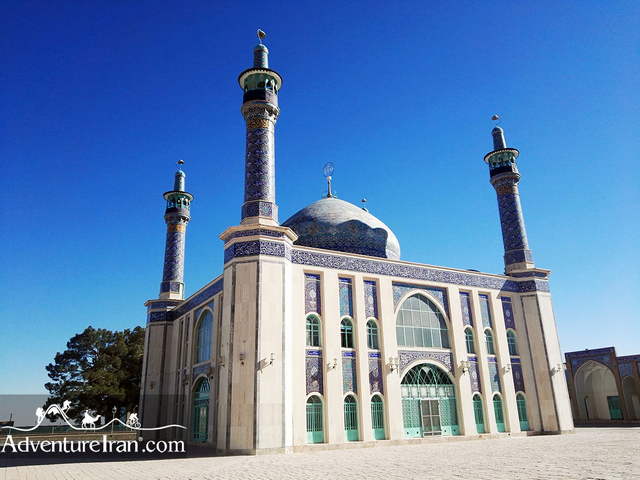
Masters of the Mystic Path
Bayazid Bastami: The Ecstatic Pioneer
In the quiet town of Bastam, we encounter one of Islam’s most extraordinary mystics. Abu Yazid (Bayazid) Bastami (d. 874 CE) was among the first to articulate fanā’—the annihilation of the self in divine unity . His ecstatic utterances, such as “Glory be to me! How great is my majesty!” scandalized the orthodox but opened new dimensions of spiritual expression.
Today, the shrine complex in Bastam draws pilgrims from across Iran. Its Ilkhanid-era tower and Timurid additions create a architectural dialogue spanning centuries, much like the spiritual conversations that continue around the master’s tomb .
Abu Sa’id Abul-Khayr: The Poet Mystic
No figure better embodies Khorasan’s spirit than Abu Sa’id Abul-Khayr (d. 1049 CE). This revolutionary master transformed Sufi practice by incorporating Persian poetry into spiritual gatherings, teaching that the path to God could be traveled with joy rather than grim asceticism.
His influence echoes in every Persian poet who followed, from Attar to Rumi.
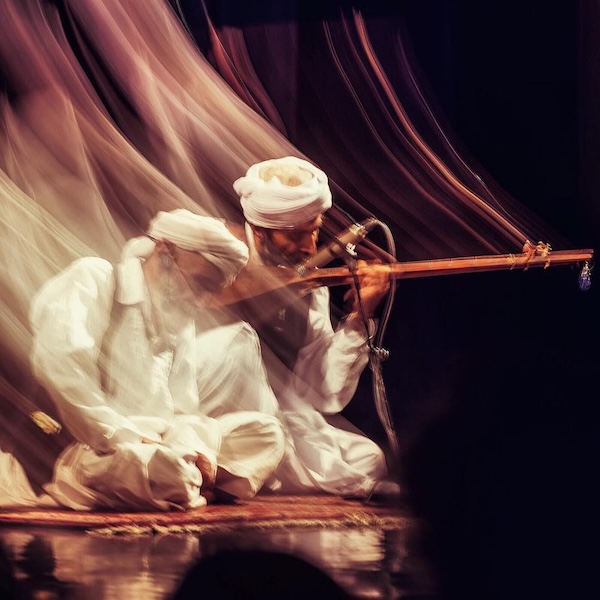
Sheikh Ahmad-e Jam: The Warrior Mystic
Known as “Zhende Pil” (The Living Elephant) for his formidable presence, Sheikh Ahmad-e Jam (d. 1141 CE) established a spiritual lineage that dominated eastern Khorasan for centuries . His shrine complex at Torbat-e Jam in South Khorasan represents one of Iran’s most remarkable architectural ensembles:
-
The Dome Chamber (Gunbad) from 1236 CE, adorned with intricate painted geometric motifs
-
The towering Grand Iwan, rising thirty meters beside the Sheikh’s tomb
-
The Firuzshah Madrasa and Gunbad-i Sabz (Green Dome), added by Timurid patrons in 1440-41
Until the Safavid era, this was the premier pilgrimage destination in eastern Iran, drawing seekers from across the Islamic world .
Where to Experience Khorasan’s Mystical Legacy
| Sacred Site | Location | Highlights | Best Time |
|---|---|---|---|
| Shrine of Bayazid Bastami | Bastam | Ilkhanid tower, Timurid additions, peaceful courtyard | Spring mornings |
| Torbat-e Jam Complex | Torbat-e Jam | Dome Chamber, Grand Iwan, Green Dome | Golden hour |
| Imam Reza Shrine | Mashhad | Eighth Shi’ite Imam’s tomb, mystical atmosphere | Year-round |
| Kharaqani Shrine | Near Bastam | Resting place of Abu’l-Hasan Kharaqani | Spring/autumn |
| Gonābād | Gonābād | Active Gonābādi Sufi order | By arrangement |
The Living Tradition
The mysticism of Khorasan never died. It flowed like an underground river, surfacing in:
-
The poetry of Attar of Nishapur, whose “Conference of the Birds” remains a masterpiece of spiritual allegory
-
The metaphysics of Mulla Sadra, who fused mystical intuition with philosophical rigor
-
The Gonābādi Order, an active Sufi lineage that continues to preserve and transmit the teachings of Khorasan’s masters into the modern era
When Rumi spoke of the “wisdom of Khorasan,” he acknowledged a spiritual inheritance that shaped his own magnificent vision .
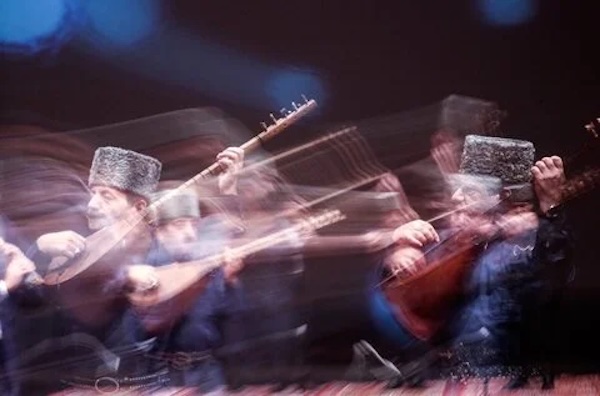
Plan Your Pilgrimage with Adventure Iran
For the spiritual traveler, Khorasan offers an unparalleled journey through Islamic mystical history. At Adventure Iran, we specialize in creating immersive experiences that connect you with the living heritage of this sacred landscape.
Our Khorasan mystical tours include:
-
Visits to major and hidden shrine complexes
-
Expert guides who can illuminate the spiritual significance of each site
-
Opportunities to learn about Sufi traditions from local practitioners
-
Photography at golden hour when the brick domes glow with ancient light
-
Cultural immersion in the towns and villages that nurtured these mystics
Whether you are drawn to the ecstatic utterances of Bayazid, the architectural splendor of Torbat-e Jam, or simply the stillness of a desert shrine at dusk, we will help you find your path.
Practical Information for Travelers
Getting There: Khorasan is accessible via Mashhad International Airport (MHD), with domestic flights from Tehran and other major cities.
Accommodation: Traditional hotels and modern options available in Mashhad, with simpler lodgings in smaller towns like Bastam and Torbat-e Jam.
Best Time to Visit: Spring (March–May) and autumn (September–November) offer mild weather ideal for exploration.
What to Pack: Modest clothing for shrine visits, comfortable walking shoes, camera, and an open heart.
Conclusion: The Path of Khorasan
The mystics of Khorasan understood something that transcends time and culture: the greatest journey is not across deserts, but into the depths of the heart. To walk in their footsteps is to connect with a tradition that has shaped Persian spirituality for over a millennium.
“The path of Khorasan is not marked on maps,” the elders say, “but it is written in the hearts of those who seek.”
Ready to explore the mystical heart of Iran? Contact Adventure Iran today to begin planning your spiritual journey through Khorasan.
Comments