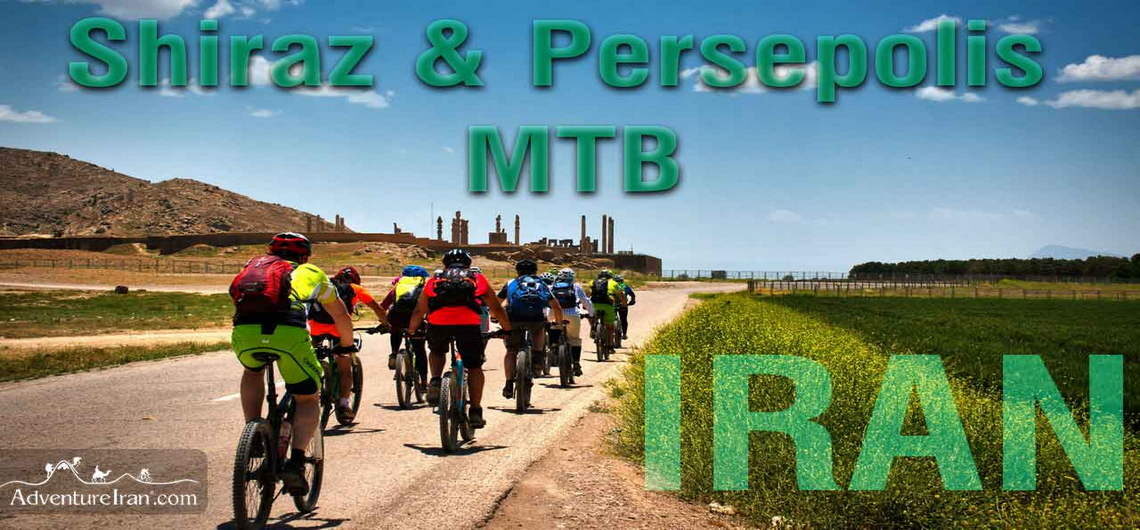
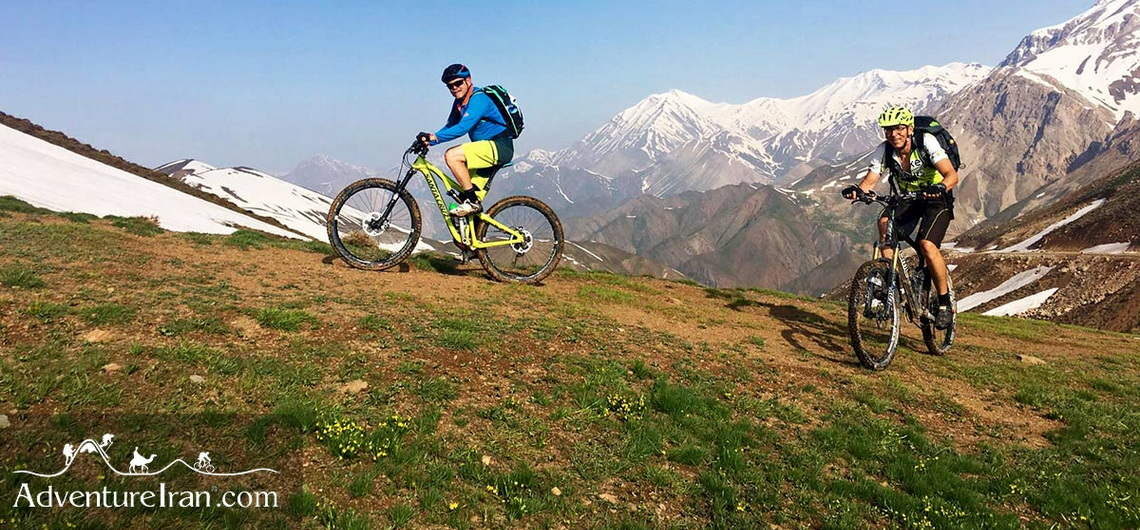
Mountain Biking in Shiraz & Persepolis This video is about the starting part of a 2 weeks cycling tour from Shiraz to Tehran through Alborz and Zagros Mountains. The tour was performed in April of 2019 for a group from Switzerland. They had a short cycling session in the city of Shiraz and after visiting the main highlights of it, traveled to Saadat Shahr city which is near Persepolis complex. The cycling tour started from an Off the Beaten Track region which passes through a few villages and at the end reaches the two important Iran sites of Naghsh-e Rostam and Naghsh-e Rajab which are on the list of UNESCO tentative sites. After visiting the monuments and some picture taking, the journey continued toward the UNESCO site of Persepolis. Hope you enjoy the video and if you like it subscribe to our channel to see more of the beauty of our country. https://www.youtube.com/watch?v=f1QJhjo0fhg
Mountain Biking in Shiraz & Persepolis This video is about the starting part of a 2 weeks cycling tour from Shiraz to Tehran through Alborz and Zagros Mountains. The tour was performed in April of 2019 for a group from Switzerland. They had a short cycling session in the city of Shiraz and after visiting
10 Best Cycling Routes in Iran Cycling in Iran is one of the best ways of traveling for active globetrotters. If you are a cyclist and would like to visit Iran, there are numerous destinations on offer. As Iran has a varied climate, you can cycle in mountains, deserts, forests, and the coastal roads of your choice from the Persian Gulf to the Caspian Sea. Due to the vastness of Iran and the different weather conditions from the north to the south, cycling in Iran is possible at any time of the year. In this post, you will read about the best cycling routes in Iran. If you would like to know the Best Cycling Time in Iran, please check the link below: IRAN CYCLING SEASON In urban areas such as Tehran, Shiraz, and Esfahan, there are no exclusive cycling lanes on the roads. The roads are so busy with countless numbers of cars and motorcycles making them unappealing to cyclists. On the one hand, air pollution is an issue, and on the other hand, most of the roads between the cities are highways or motorways. Cycling is not recommended on these roads for safety reasons. If you are interested in cycling from one big city to another, you have to find a minor or back country road. It is often better to exit the highway in urban areas and start your cycling trip using the appropriate back country roads for your cycling tour. Below, you will read about the 10 most beautiful places for cycling in Iran: 1. Cycling in Lavasanat Lavasanat district is a Tehran countryside region, 40 km outside the capital. It is located in the northeast of Tehran in the Central Alborz Mountains taking only 40 minutes to reach by driving on a mountainous
10 Best Cycling Routes in Iran Cycling in Iran is one of the best ways of traveling for active globetrotters. If you are a cyclist and would like to visit Iran, there are numerous destinations on offer. As Iran has a varied climate, you can cycle in mountains, deserts, forests, and the coastal roads of
Visa restrictions in Iran has been lifted after nearly 20 months of the country closing its borders duo to the Covid-19 pandemic. Visa restrictions were put in place after the pandemic and like most countries in the world Iran has lifted restrictions after starting the vaccination and (as of the 14th of January), with nearly 80 percent of the population getting their first dose and 10 percent getting their 3rd dose, it is reaching the 70% immunity and the Ministry of Cultural Heritage, Handicrafts and Tourism with the green light of National Corona virus Council has finally begin issuing visas for tourists around the world. The tourism board has adjusted a guideline for travelers which includes the requirements for traveling, things you need to do on your trips and etc. For better safety of the travelers and the country. For entering the country you will need to be fully vaccinated with it being at least 2 weeks passed from you second dose and the related paperwork is needed for the issuing of you visa, beside that you will need a PCR test done with a 72 hour time limit before you flight for individuals above the age of 12 and traveling from high risked countries selected by WHO (The World Health Organization) is not possible. Also any countries deemed high risked by the Iranian Ministry of Health and Medical Education are grouped in this category. This requirements are put in place for air borders and most main land boarders with the right infrastructures in place and it applies to all visa types and individual or group trips. So to put it simply the requirements are as below. Terms of traveling to Iran in COVID situation 1- At least 2 weeks has been passed from you second dose of vaccination 2-
Visa restrictions in Iran has been lifted after nearly 20 months of the country closing its borders duo to the Covid-19 pandemic. Visa restrictions were put in place after the pandemic and like most countries in the world Iran has lifted restrictions after starting the vaccination and (as of the 14th of January), with nearly
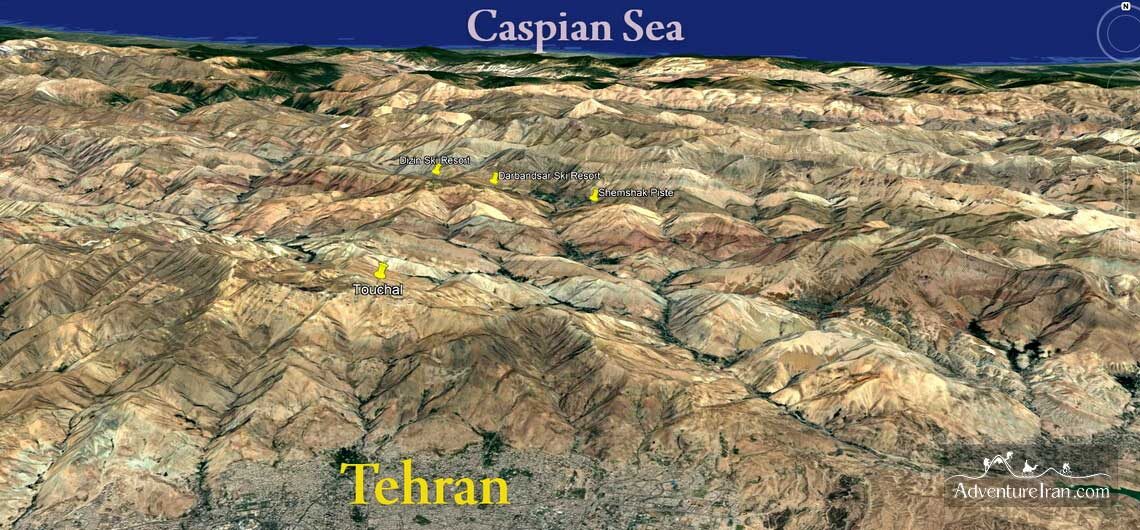
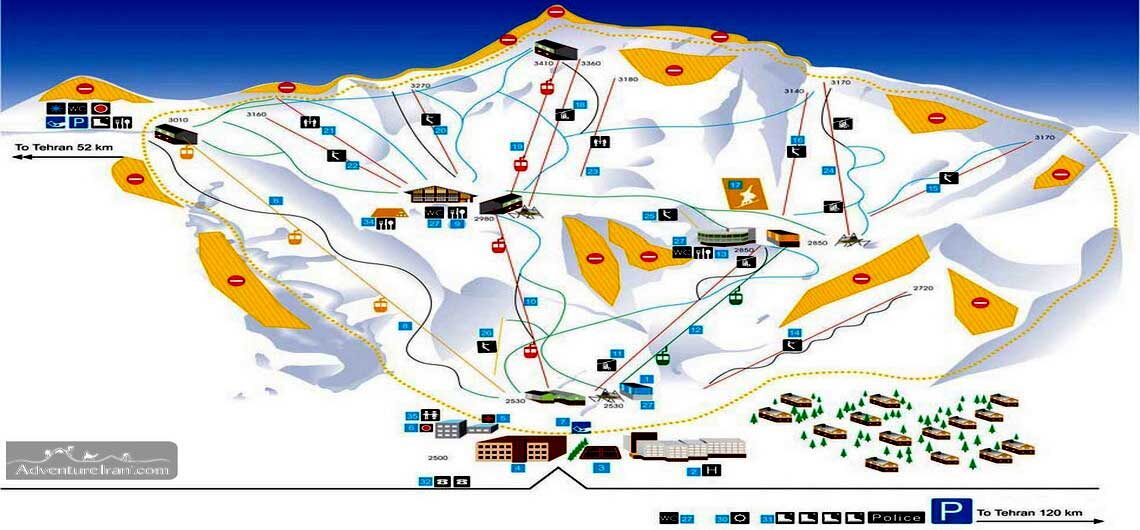
Alborz Ski Region in Iran Iran embraces numerous ski resorts in different mountains of Alborz and Zagros. The most important Ski Resorts were built before the Islamic Revolution, during Mohammad Reza Pahlavi's ruling, and they are still among the best in the country. Alborz mountain starts from the northwest of Iran near the Turkey border and stretches all the way in the south of the Caspian Sea toward the northeast of Iran near the Afghanistan border. Alborz district is divided into three sections, West Alborz, Central Alborz, and East Alborz Mountains. Central Alborz region has a lot of high-altitude peaks above 4000 m, and Mount Damavand, Iran's highest peak with 5610 m, is located in this part as well. In central Alborz, there is a specific region called Alborz Ski Region that starts from Mount Tochal (3960m)- Tehran's highest mountain- and stretches northward to Kolonbastak-Sarakchal ridge with a width of about 20 km. This region has 4 different ski areas that you can see on the map below. Moreover, some famous mountains outside of the ski area are the perfect place for off-piste skiing or Ski Touring. Ski Resorts in Alborz Ski Region in Iran: Tochal Ski Resort Tehran sits at the foot of Tochal mountain which has a ski resort on its heights. The peak altitude is 3960m and the highest point of the ski resort is 3850m. From the Velenjak neighborhood in the north of the capital Tehran, you will have access to the gondola which will take you up to 3700 m after three sections. From there you can take a lift to go to the highest point of the ski resort which is near the Tochal peak (3960m). The length of the gondola from the first to the last station is about 7.5 km
Alborz Ski Region in Iran Iran embraces numerous ski resorts in different mountains of Alborz and Zagros. The most important Ski Resorts were built before the Islamic Revolution, during Mohammad Reza Pahlavi’s ruling, and they are still among the best in the country. Alborz mountain starts from the northwest of Iran near the Turkey border
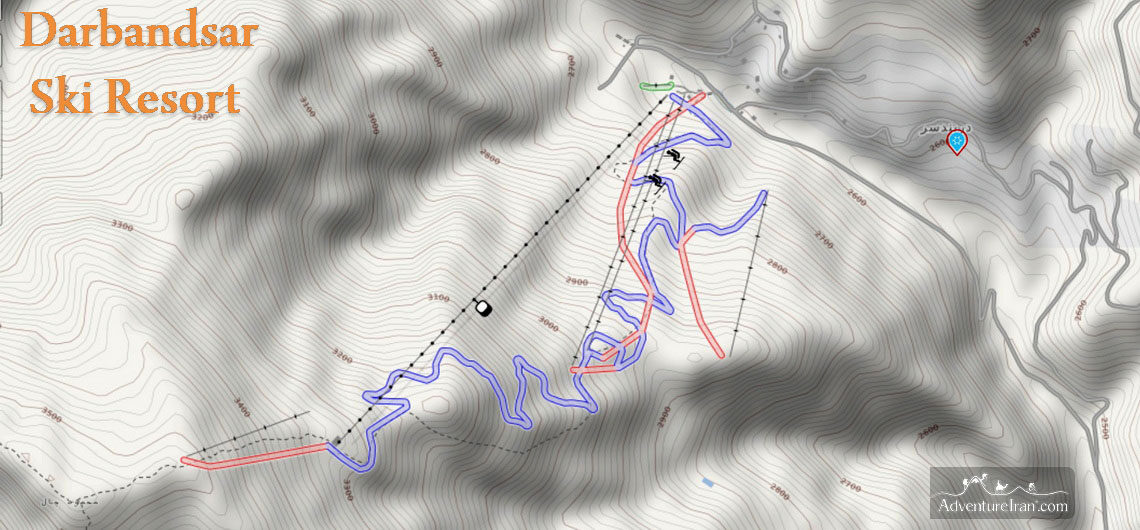
Darbandsar Ski Resort in Iran ALBORZ SKI REGION Darbandsar ski resort in Iran is one of the main ski resorts in the country, located in Darbandsar village, northeast of the capital. From Tehran, it is only 65km away and takes one and half hours to reach it. The history of the piste goes back to around the time of the Iran Islamic revolution. Before the revolution, many local skiers traveled to Europe for the ski championships. With the help and support of a few ski enthusiasts from various countries, decisions were made to create a new ski resort in the Alborz Ski Region. They bought a brand-new lift from the Poma company in France in 1978. This lift was kept in Iran’s customs control for a period due to the timing of the revolution. This project was suspended until things had settled down so it took longer than originally planned. After a few years, actually, at the beginning of 1982, the Darbandsar piste was born. Subsequently, the locals bought more ski lift equipment to improve the piste and make it more advanced and keep pace with other pistes in Iran. The altitude is 2600m to 3600m. This piste, as mentioned, is located in the Alborz ski region in the Central Alborz Mountains. Darbandsar ski resort was originally a small piste in Iran. Fortunately, it now belongs to a private company that developed the region and purchased new ski lift equipment. It is fast increasing in size, overtaking Shemshak and Tochal pistes. Nowadays Darbandsar is an important and well-known ski hub for Iranian skiers. It is also becoming more popular with locals. Lift Systems: 1st station: 2600m Last station: 3600m The ski resort has two ski lifts, three chair lifts (two 4-seater ski lifts, one two-seater chair
Darbandsar Ski Resort in Iran ALBORZ SKI REGION Darbandsar ski resort in Iran is one of the main ski resorts in the country, located in Darbandsar village, northeast of the capital. From Tehran, it is only 65km away and takes one and half hours to reach it. The history of the piste goes
Iran plans to open their borders again for travellers. Visa restrictions in Iran have been lifted The world is opening up and Iran will start issuing tourist visas again from next month. Iran’s Travel Visa will be issued after 18 months The new government of Iran plans to resume issuing Travel Visas after 18 months of suspension amid strict government measures to prevent the spread of coronavirus. Iran’s new Minister of Tourism announced on 28 September 2021, World Tourism Day, that the restrictions for travelling to Iran will be lifted very soon. Visas will be issued for travellers starting next month. Since March 2020, due to the Covid-19 pandemic, all of Iran’s borders were closed to the world. This resulted in the Ministry of Foreign Affairs stopping the issue of visas. From that time, all travellers holding visas that had previously been issued, couldn’t enter the country. Their trips have had to be postponed until the borders are reopened. On 18 June 2021, presidential elections were held in Iran. Iran’s latest president, “Ebrahim Raisi“, became the incumbent on 5 August 2021. The government and Tourism Board changed its Ministers accordingly. Ezzatollah Zarghami was elected as the new Minister of Cultural Heritage, Tourism and Handicraft. He has announced that Iran’s visa restrictions will be lifted in October 2021. The new government’s approval of the issuance of Iranian travel visas has been notified to all relevant organizations and tour operators. Instructions on travelling to Iran and the necessary conditions regarding the observance of health protocols for travelling here will be subsequently announced on the sites blogs and emails to customers. For more information of Iran Travel Visa please please check following link: IRAN Tourist Visa General Info
Iran plans to open their borders again for travellers. Visa restrictions in Iran have been lifted The world is opening up and Iran will start issuing tourist visas again from next month. Iran’s Travel Visa will be issued after 18 months The new government of Iran plans to resume issuing Travel Visas after 18
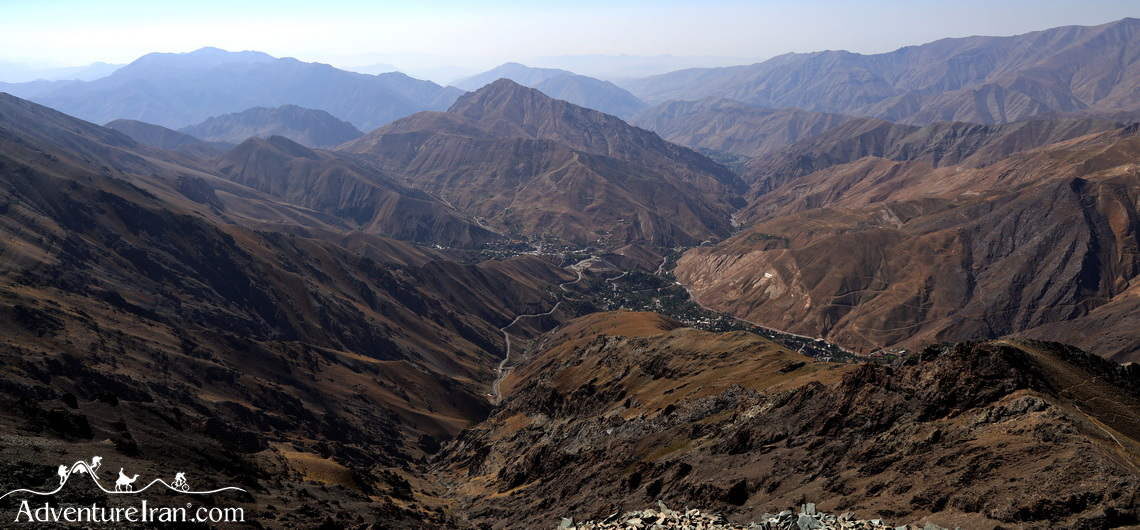
Dizin Ski Resort ALBORZ SKI REGION Dizin is the biggest Ski Resort in Iran, located in Alborz province, northeast of Tehran province, which is on the southern slopes of the Central Alborz Mountains. Dizin ski resort was built around 1960 during the reign of Pahlavi (Mohammad Reza Shah) before Iran’s Islamic revolution. The piste is situated in a staggeringly beautiful geographical position, surrounded by a lot of high mountain peaks around +4000 m, which makes for a very cold winter with amazing visibility of the mountains in the Alborz range. You will have a stunning view of Iran’s highest mountain, Damavand (5610m), from the top of the piste on Sichal peak. From the last station of Dizin, you have to ascend a little bit. It takes 10-15 minutes to reach the peak (Sichal), the highest point in the region. From there, you will have a breathtaking 360-degree panoramic view of the numerous mountains in the heart of Alborz. From the peak, you can see Kolonbastak (4150m), the ridgeline of the Sarakckal mountains, a 15km mountain chain above 4000m with 3 peaks. In the south, you will see Tochal mountain (3960m) which is north of the capital, Tehran. Dizin is, without a doubt, the finest place for skiing in Iran. For those who are looking for a more challenging activity, there are a lot of regions around Dizin that are terrific for Off Piste skiing. You will need a local guide or experienced ski instructor for off-piste skiing in Dizin. There are a few mountains around Dizin that are excellent for Ski-Touring at the end of winter and the beginning of spring. Mount Kolonbastak and Mount Azadkuh are two of them, which are fairly close, and ideal for ski touring. Besides ski activities, the attractive Dizin region is
Dizin Ski Resort ALBORZ SKI REGION Dizin is the biggest Ski Resort in Iran, located in Alborz province, northeast of Tehran province, which is on the southern slopes of the Central Alborz Mountains. Dizin ski resort was built around 1960 during the reign of Pahlavi (Mohammad Reza Shah) before Iran’s Islamic revolution. The
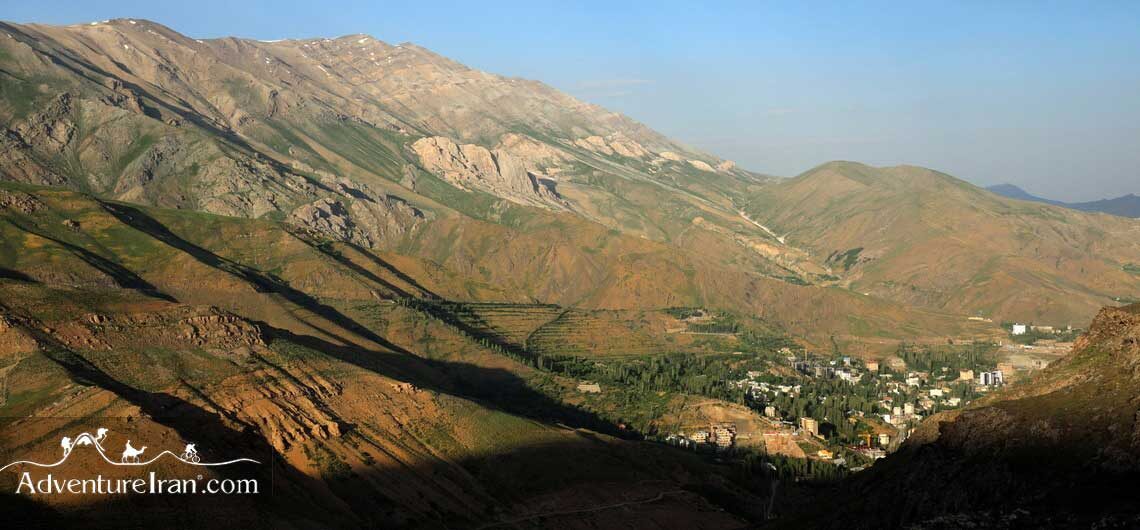
Darbandsar Village in Iran ALBORZ SKI REGION Darbandsar is a village in the heart of the Alborz Mountains of Iran, 60 km away from the capital and northeast of Tehran province. The village is situated on the slope of the southern part of the Central Alborz mountains with various altitudes. The average height is approximately 2600m above sea level. Darbandsar is also the name of the ski resort which was created after Iran’s revolution. Darbandsar village became famous in Iran as the piste is owned by a private company. The company built the length of the ski slope as well as bought a new lift system for the ski resort, which, by the way, is more up-to-date compared to other ski resorts in Iran. Winter time is the busiest time of the year, with Tehranians coming to ski. It is generally even busier at the weekends, (which are Thursday and Friday in Iran). Due to this influx of visitors, the main road (Fasham-Shemshak) is usually packed full of cars at this time. Apart from the ski activity in winter, the region is a perfect destination for other activities such as trekking and mountain biking during other seasons. A lot of high mountains above 3000 m surround this village with plenty of canyons and spring water, flora, and wildlife. Darbandsar is located in the Alborz Markazi protected area which makes this region one of the best places to visit for those who live in the capital and would like to spend their weekend in northern Tehran in the central Alborz Mountains. The highest point of Darbandsar is 2650m, a mountain above the ski resort which locals call Mahmoud Chal peak. There are also a few very high mountains around Darbandsar such as MT Kolonbastak 4150m, Sarakchal 1 (4120m), Sarakchal 2
Darbandsar Village in Iran ALBORZ SKI REGION Darbandsar is a village in the heart of the Alborz Mountains of Iran, 60 km away from the capital and northeast of Tehran province. The village is situated on the slope of the southern part of the Central Alborz mountains with various altitudes. The average height is approximately
Mount Kolon Bastak in Northern Tehran Northern Tehran has countless mountains above 4000 m, which are geographically located in the central Alborz mountains. Mount Kolon Bastak is one of the highest summits in the Central Alborz region in Iran, with an altitude of 4170 m above sea level. The closest village to this summit is Shemshak, 40 km north of Tehran and 60 km from central Tehran. It is the most convenient place to choose for spending the night before your climb. Shemshak village has a 2700 m altitude above sea level. It is famous for being one of the first ski resorts in Iran which opened in 1958. It is the third largest ski area after Dizin and Darbandsar. Mt. Kolon Bastak is an excellent choice for acclimatization before ascending Mt Damavand (5610m) and Alamkuh (4850m), as it is near Tehran city and is not a technical peak. No particular gear or special equipment is needed to ascend the peak in mid-spring, summer, and autumn. You can drive up to 3400 m to the base of the mountain, the starting point of the trek. From the peak, you can continue the trek through the ridge towards the east and then ascend Sarakchal mountain (4210m). There is a renowned mountain trail called Kolon Basatak-Sarak Chal ridge line, another trekking route for experienced hikers who would appreciate a real challenge. The season starts in mid-spring and finishes at the beginning of autumn. In the summertime, the weather is more stable at the peak, making it suitable for all categories of hikers. Kolon Bastak Mountain Ascent (4156 m) is one of the most popular tours that most hikers will benefit from. Mt. Kolon Bastak to Mt. Sarak Chal ridgeline trek is one of Adventure Iran’s special offers for those of you
Mount Kolon Bastak in Northern Tehran Northern Tehran has countless mountains above 4000 m, which are geographically located in the central Alborz mountains. Mount Kolon Bastak is one of the highest summits in the Central Alborz region in Iran, with an altitude of 4170 m above sea level. The closest village to this summit is
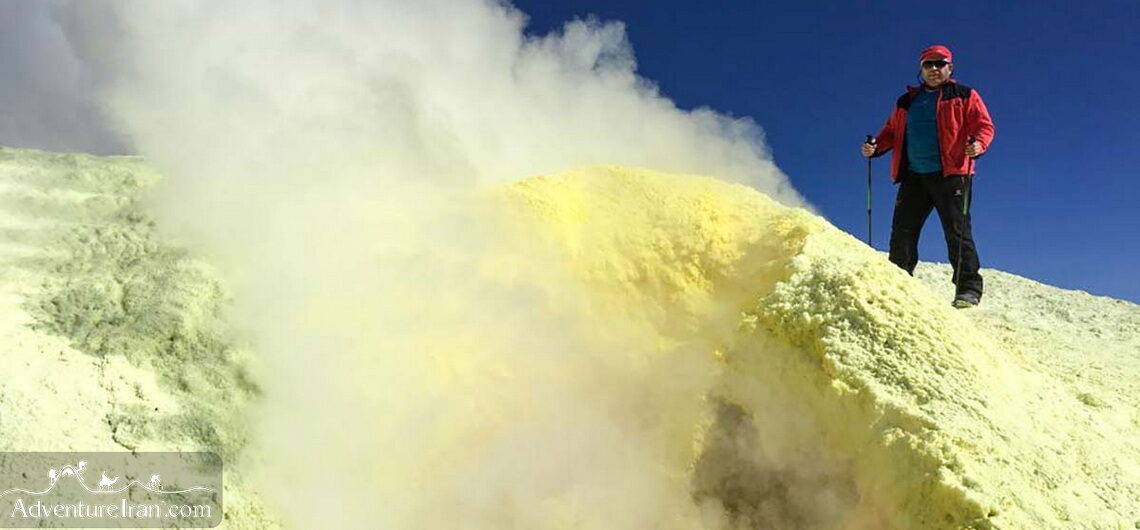
Mount Taftan in Iran Active Volcano Peak Nestled in the southeastern corner of Iran, near the borders of Pakistan and Afghanistan, Mount Taftan stands as one of the country’s most fascinating natural wonders. This dormant stratovolcano, rising to an impressive 4,042 meters (13,261 feet), is not only a geological marvel but also a destination rich in myth, history, and adventure. For travelers seeking a unique and off-the-beaten-path experience, Mount Taftan offers a captivating blend of rugged landscapes, cultural significance, and thrilling outdoor activities. The massive Mount Taftan is situated only 70 km away from the Pakistan border. It is an isolated, active volcanic mountain located in Sistan and Baluchestan province. South of the mountain is Khash, the nearest city. Mt. Taftan has two very famous summits with Chehel Tan peak (Madehkuh) at 3941 m above sea level being the highest one. Iran has numerous mountains over 4000 m, but this, in particular, is one of the more well-known peaks, since it is a solitary mountain in the corner of Iran, with an active volcanic peak. It is attached to Dasht-e lut desert. The Legendary Volcano Mount Taftan, whose name means "burning mountain" in Persian, is part of the Makran volcanic arc. Although dormant, the volcano still emits faint plumes of sulfurous gases, a reminder of its fiery past. Its dramatic peaks, often capped with snow, create a striking contrast against the arid plains of Sistan and Baluchestan Province. The mountain’s unique terrain, shaped by centuries of volcanic activity, features rugged ridges, deep valleys, and colorful mineral deposits, making it a paradise for geology enthusiasts and photographers. Taftan volcanic mountain is a sub-range of Iran’s volcanic arc, with Bazman Mountain in Iran and Sultan Kuh in Pakistan. This volcanic arc has formed over Cretaceous-Eocene sedimentary layers and is derived from
Mount Taftan in Iran Active Volcano Peak Nestled in the southeastern corner of Iran, near the borders of Pakistan and Afghanistan, Mount Taftan stands as one of the country’s most fascinating natural wonders. This dormant stratovolcano, rising to an impressive 4,042 meters (13,261 feet), is not only a geological marvel but also a destination rich