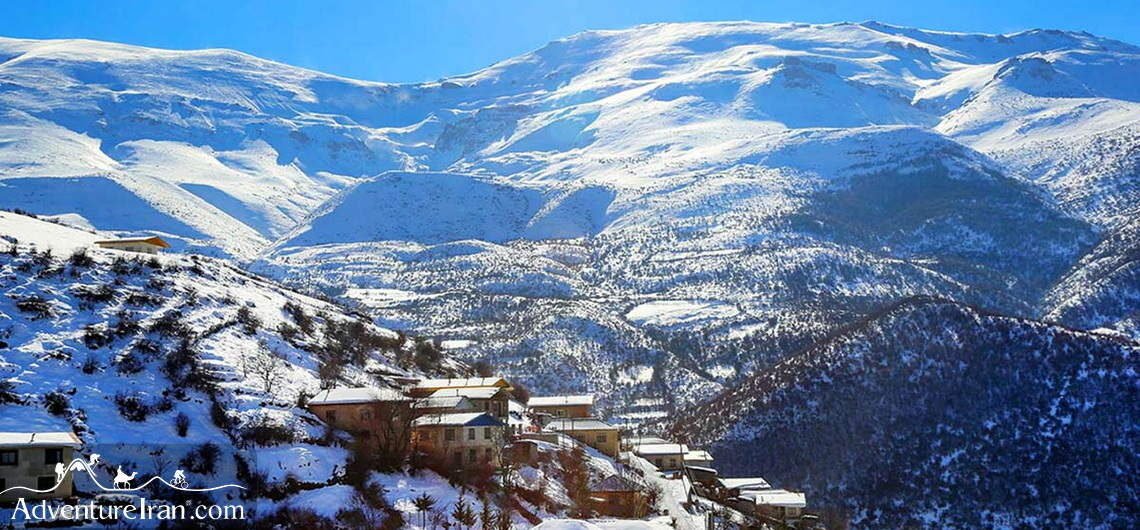
Mount Sabalan Iran’s Sacred Volcanic Summit Mount Sabalan, located in Ardabil Province in northwestern Iran, is the country’s third highest peak, and third tallest volcanoes in Asia standing at 4,811 meters (15,784 feet). This majestic mountain is an extinct stratovolcano, known not only for its challenging trekking routes but also for its breathtaking landscapes and spiritual aura. At its summit, trekkers are rewarded with a spectacular crater lake, frozen for most of the year, which adds a surreal beauty to the high-altitude experience. The mountain’s volcanic nature has shaped its dramatic terrain—featuring lava flows, rocky outcrops, and hot springs scattered throughout the region. These geothermal features, along with the clear skies and alpine flora, make Sabalan a unique destination for nature lovers, adventure seekers, and mountaineers. The slopes are dotted with wildflowers in spring and summer, turning the area into a natural paradise for trekking, photography, and wildlife observation. Trekking Mount Sabalan does not require technical climbing skills in the summer months, but due to its elevation, proper acclimatization is strongly recommended. Adventure Iran offers short trekking tours to Sabalan, suitable for those who want to experience high-altitude trekking in Iran without the need for heavy mountaineering equipment. The normal route to the summit starts from the Shabil hot spring area, where trekkers can enjoy a relaxing soak before or after their climb. Beyond its natural beauty, Sabalan is considered a sacred mountain by locals. Legends connect it with ancient Persian mythology and spirituality. Many believe that the prophet Zoroaster meditated on its slopes, and the mountain has long been a symbol of endurance and purity for the people of the region. So far, not too many foreign climbers choose this pinnacle as it is in the northwest corner of the country, far from the capital. However, it certainly
Mount Sabalan Iran’s Sacred Volcanic Summit Mount Sabalan, located in Ardabil Province in northwestern Iran, is the country’s third highest peak, and third tallest volcanoes in Asia standing at 4,811 meters (15,784 feet). This majestic mountain is an extinct stratovolcano, known not only for its challenging trekking routes but also for its breathtaking landscapes
Kandelus Village in Iran Kandelus is a historical village in Mazandaran province, located in the Caspian Sea region in the north of Iran. The province itself lies between the southern coast of the Caspian Sea and the northern slopes of the Central Alborz mountains. Mazandaran is one of the most densely populated provinces in Iran and has a multitude of natural resources. Kandolus is a breath-taking and blessed village in the heart of dense forests on a mild slope at the foothill of the Alborz Mountain Range. This village, being in a mountainous region, is in one of the most scenic valleys of the Alborz Mountain Range at an altitude of 1,650 meters above sea level. The inhabitants speak in the Mazandarani dialect. The village has a dense residential fiber with householders owning sheep, goats, and hens and boasts a unique architecture. It was registered on the list of national heritage villages of Iran. Due to its distinct identity, the alleys and streets are renovated by the Iran Cultural Heritage and Tourism Ministry. There are many fruit trees and a wide variety of medicinal plants in the forest. The whole area is surrounded by a large and spectacular forest, with an exquisite trail that leads to a mountain called Anaron Peak at a height of 3150 m. There are numerous springs throughout the mountains. Kandelus is also well-known for its worth-to-visit rural museums. Kandelus Museum of Anthropology exhibits a precious range of objects from the ancient time before Christ to the Islamic era. The latest ones date back to the Qajar era. The museum narrates the history and culture of the region showing a wide variety of woven, wooden, metal, and china materials, as well as clothes, statues, and paintings. It will be interesting for culture lovers who travel
Kandelus Village in Iran Kandelus is a historical village in Mazandaran province, located in the Caspian Sea region in the north of Iran. The province itself lies between the southern coast of the Caspian Sea and the northern slopes of the Central Alborz mountains. Mazandaran is one of the most densely populated provinces in Iran
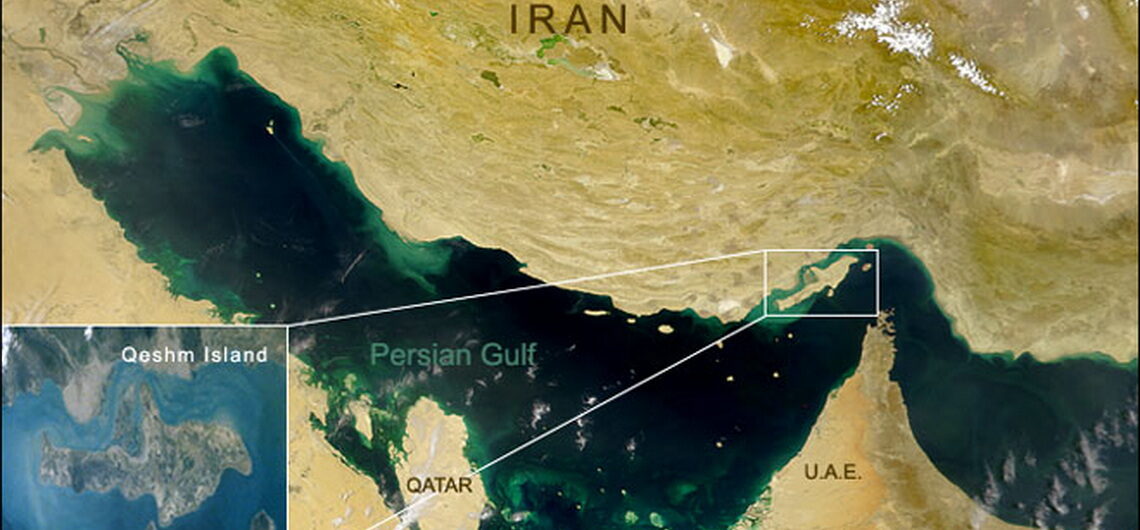
Qeshm Island in Iran Qeshm Island, in Hormozgan province, Iran, is the largest island in the waters of the Persian Gulf. We have always heard a lot about the unique beauties and features of this island. The countless attractions have made Qeshm one of the most important tourist destinations in Iran. It is located in the Strait of Hormuz and has long belonged to Iran. Its pristine and beautiful nature, together with its history dating back to the Sassanid era, has made this southern island a popular tourist destination for many Iranians and foreign tourists. Qeshm Island has an area of 460 square miles (1,200 square km). The beaches are generally rocky, except for the northwest coast, with its sandy bays and muddy plains. Irregular hills cover most of Qeshm. Several of them are more than 900 feet (270 meters) high, and one of them, Kish Kuh, reaches 1,331 feet (406 meters). Salt is extracted on the southeastern shores and there are springs of naphtha. The island is largely barren, but cereals, vegetables, melons, and dates are grown there. Fishing and weaving are common in this region. Shipbuilding is also one of the oldest indigenous industries of the people of Qeshm. On the 5th of May 2017, Qeshm Island was designated as a UNESCO Global Geopark. This Geopark has the shape of a dolphin. The world's longest salt cave is also situated on the island. It is 6,600 meters long. In addition to the formation of salt and complex, other sedimentary formations are located in various anticline structures on it. The island has rich wildlife; various birds, reptiles, dolphins, and turtles can be seen in this area. In Qeshm Island, zoo geographical areas of Palearctic and Oriental, and phytogeographical areas of Afro-tropical, Oriental and Eurasian face each
Qeshm Island in Iran Qeshm Island, in Hormozgan province, Iran, is the largest island in the waters of the Persian Gulf. We have always heard a lot about the unique beauties and features of this island. The countless attractions have made Qeshm one of the most important tourist destinations in Iran. It is located in