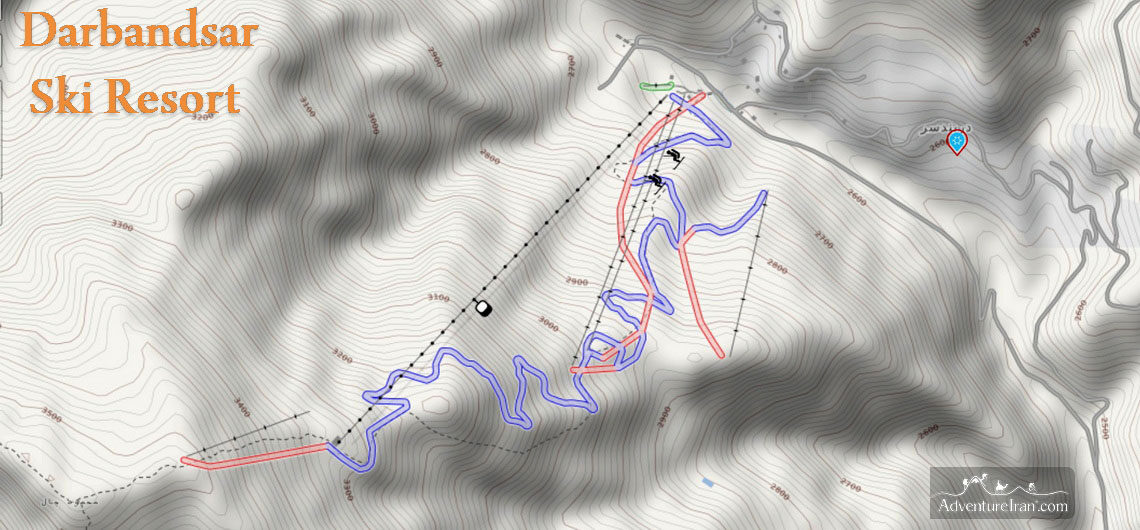
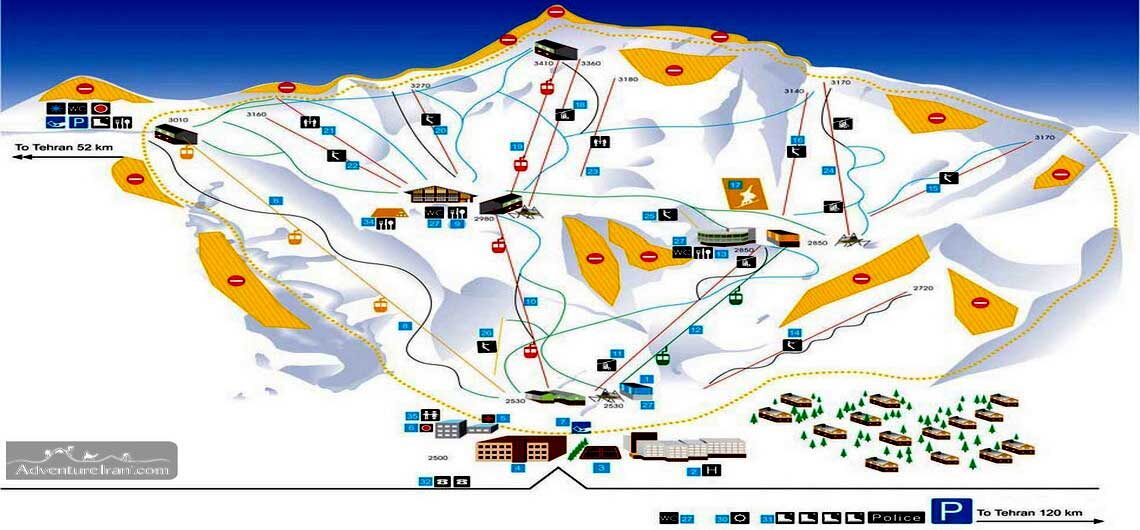
Darbandsar Ski Resort in Iran ALBORZ SKI REGION Darbandsar ski resort in Iran is one of the main ski resorts in the country, located in Darbandsar village, northeast of the capital. From Tehran, it is only 65km away and takes one and half hours to reach it. The history of the piste goes back to around the time of the Iran Islamic revolution. Before the revolution, many local skiers traveled to Europe for the ski championships. With the help and support of a few ski enthusiasts from various countries, decisions were made to create a new ski resort in the Alborz Ski Region. They bought a brand-new lift from the Poma company in France in 1978. This lift was kept in Iran’s customs control for a period due to the timing of the revolution. This project was suspended until things had settled down so it took longer than originally planned. After a few years, actually, at the beginning of 1982, the Darbandsar piste was born. Subsequently, the locals bought more ski lift equipment to improve the piste and make it more advanced and keep pace with other pistes in Iran. The altitude is 2600m to 3600m. This piste, as mentioned, is located in the Alborz ski region in the Central Alborz Mountains. Darbandsar ski resort was originally a small piste in Iran. Fortunately, it now belongs to a private company that developed the region and purchased new ski lift equipment. It is fast increasing in size, overtaking Shemshak and Tochal pistes. Nowadays Darbandsar is an important and well-known ski hub for Iranian skiers. It is also becoming more popular with locals. Lift Systems: 1st station: 2600m Last station: 3600m The ski resort has two ski lifts, three chair lifts (two 4-seater ski lifts, one two-seater chair
Darbandsar Ski Resort in Iran ALBORZ SKI REGION Darbandsar ski resort in Iran is one of the main ski resorts in the country, located in Darbandsar village, northeast of the capital. From Tehran, it is only 65km away and takes one and half hours to reach it. The history of the piste goes
Iran plans to open their borders again for travellers. Visa restrictions in Iran have been lifted The world is opening up and Iran will start issuing tourist visas again from next month. Iran’s Travel Visa will be issued after 18 months The new government of Iran plans to resume issuing Travel Visas after 18 months of suspension amid strict government measures to prevent the spread of coronavirus. Iran’s new Minister of Tourism announced on 28 September 2021, World Tourism Day, that the restrictions for travelling to Iran will be lifted very soon. Visas will be issued for travellers starting next month. Since March 2020, due to the Covid-19 pandemic, all of Iran’s borders were closed to the world. This resulted in the Ministry of Foreign Affairs stopping the issue of visas. From that time, all travellers holding visas that had previously been issued, couldn’t enter the country. Their trips have had to be postponed until the borders are reopened. On 18 June 2021, presidential elections were held in Iran. Iran’s latest president, “Ebrahim Raisi“, became the incumbent on 5 August 2021. The government and Tourism Board changed its Ministers accordingly. Ezzatollah Zarghami was elected as the new Minister of Cultural Heritage, Tourism and Handicraft. He has announced that Iran’s visa restrictions will be lifted in October 2021. The new government’s approval of the issuance of Iranian travel visas has been notified to all relevant organizations and tour operators. Instructions on travelling to Iran and the necessary conditions regarding the observance of health protocols for travelling here will be subsequently announced on the sites blogs and emails to customers. For more information of Iran Travel Visa please please check following link: IRAN Tourist Visa General Info
Iran plans to open their borders again for travellers. Visa restrictions in Iran have been lifted The world is opening up and Iran will start issuing tourist visas again from next month. Iran’s Travel Visa will be issued after 18 months The new government of Iran plans to resume issuing Travel Visas after 18
Dizin Ski Resort ALBORZ SKI REGION Dizin is the biggest Ski Resort in Iran, located in Alborz province, northeast of Tehran province, which is on the southern slopes of the Central Alborz Mountains. Dizin ski resort was built around 1960 during the reign of Pahlavi (Mohammad Reza Shah) before Iran’s Islamic revolution. The piste is situated in a staggeringly beautiful geographical position, surrounded by a lot of high mountain peaks around +4000 m, which makes for a very cold winter with amazing visibility of the mountains in the Alborz range. You will have a stunning view of Iran’s highest mountain, Damavand (5610m), from the top of the piste on Sichal peak. From the last station of Dizin, you have to ascend a little bit. It takes 10-15 minutes to reach the peak (Sichal), the highest point in the region. From there, you will have a breathtaking 360-degree panoramic view of the numerous mountains in the heart of Alborz. From the peak, you can see Kolonbastak (4150m), the ridgeline of the Sarakckal mountains, a 15km mountain chain above 4000m with 3 peaks. In the south, you will see Tochal mountain (3960m) which is north of the capital, Tehran. Dizin is, without a doubt, the finest place for skiing in Iran. For those who are looking for a more challenging activity, there are a lot of regions around Dizin that are terrific for Off Piste skiing. You will need a local guide or experienced ski instructor for off-piste skiing in Dizin. There are a few mountains around Dizin that are excellent for Ski-Touring at the end of winter and the beginning of spring. Mount Kolonbastak and Mount Azadkuh are two of them, which are fairly close, and ideal for ski touring. Besides ski activities, the attractive Dizin region is
Dizin Ski Resort ALBORZ SKI REGION Dizin is the biggest Ski Resort in Iran, located in Alborz province, northeast of Tehran province, which is on the southern slopes of the Central Alborz Mountains. Dizin ski resort was built around 1960 during the reign of Pahlavi (Mohammad Reza Shah) before Iran’s Islamic revolution. The
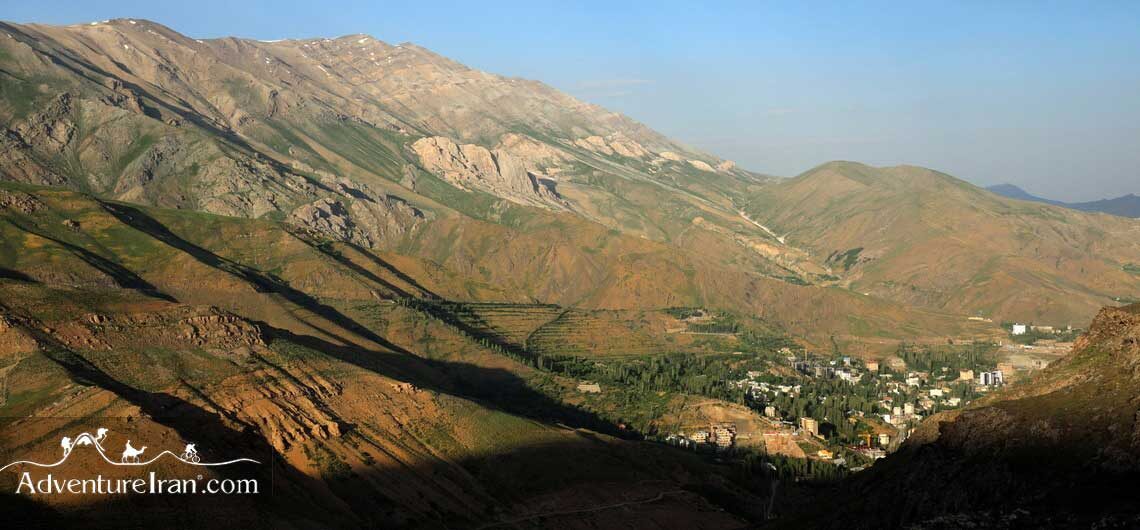
Darbandsar Village in Iran ALBORZ SKI REGION Darbandsar is a village in the heart of the Alborz Mountains of Iran, 60 km away from the capital and northeast of Tehran province. The village is situated on the slope of the southern part of the Central Alborz mountains with various altitudes. The average height is approximately 2600m above sea level. Darbandsar is also the name of the ski resort which was created after Iran’s revolution. Darbandsar village became famous in Iran as the piste is owned by a private company. The company built the length of the ski slope as well as bought a new lift system for the ski resort, which, by the way, is more up-to-date compared to other ski resorts in Iran. Winter time is the busiest time of the year, with Tehranians coming to ski. It is generally even busier at the weekends, (which are Thursday and Friday in Iran). Due to this influx of visitors, the main road (Fasham-Shemshak) is usually packed full of cars at this time. Apart from the ski activity in winter, the region is a perfect destination for other activities such as trekking and mountain biking during other seasons. A lot of high mountains above 3000 m surround this village with plenty of canyons and spring water, flora, and wildlife. Darbandsar is located in the Alborz Markazi protected area which makes this region one of the best places to visit for those who live in the capital and would like to spend their weekend in northern Tehran in the central Alborz Mountains. The highest point of Darbandsar is 2650m, a mountain above the ski resort which locals call Mahmoud Chal peak. There are also a few very high mountains around Darbandsar such as MT Kolonbastak 4150m, Sarakchal 1 (4120m), Sarakchal 2
Darbandsar Village in Iran ALBORZ SKI REGION Darbandsar is a village in the heart of the Alborz Mountains of Iran, 60 km away from the capital and northeast of Tehran province. The village is situated on the slope of the southern part of the Central Alborz mountains with various altitudes. The average height is approximately
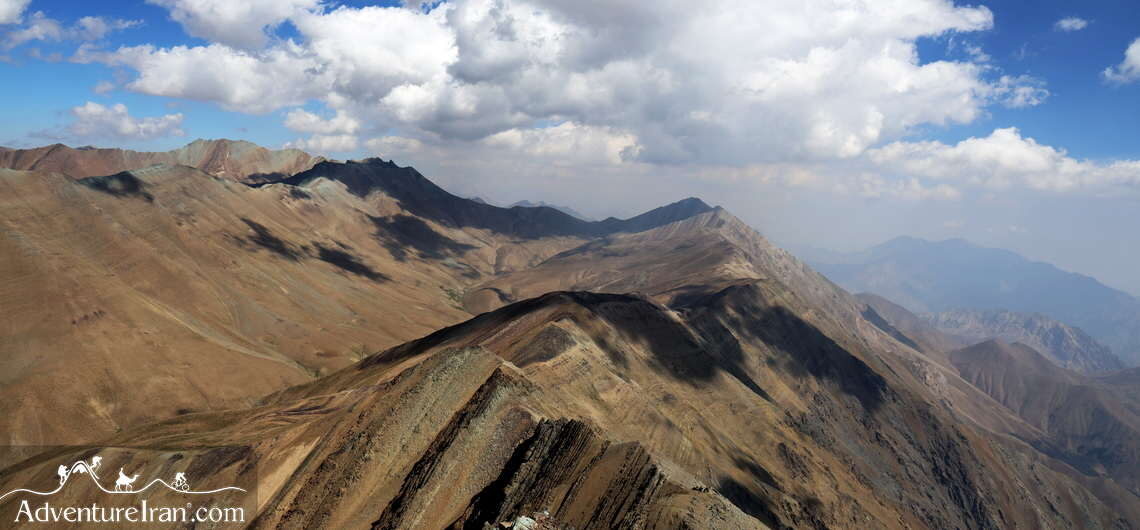
Mount Sarak Chal in Iran Mount Sarak Chal (or Sarakchal) is one of the highest summits in the central Alborz Mountains in Iran, at 4210m above sea level. There are three Sarak Chal peaks which are located on the famous Kolon Bastak-Sarak Chal mountain ridge line. All three mountains are above 4000 m. The closest village to this mountain is Shemshak, the last one on the famous mountainous road of Tehran-Fasham. It is 60 km away from downtown Tehran. As a matter of interest, one of the most notable ski resorts in Iran for professional skiers is in Shemshak village. The altitude of the village is about 2700 m above sea level, which is the starting point of the trek to Sarak Chal peak. There is a shelter at 3492 m on the way to the peak, which is convenient as it is also the ideal location for acclimatization. There is a 15 km famous ridgeline above Shemshak village from west to east, which starts from Mount Koloon Bastak (4170m) in the west and ends at Mount Sarak Chal 3 (4210m) in the east. Between these two mountains, there are the two peaks of Sarak Chal 1 (4080m) and Sarak Chal 2 (4100m), making this ridgeline very challenging. From the peak, you have an excellent view of the immense Central Alborz mountains. In clear weather, you can see most of them, such as the Abak (3520m), Kholeno (4387m), Azadkuh (4350m), and Borj (4326m) mountains as well as the mighty Damavand (5610m), the roof of Iran. The season runs from mid-spring till the beginning of autumn. Summertime is the most popular period for ascending the mountain, as the weather is more stable for trekking. Mount Sarak Chal Ascend is the shortest hiking tour that we offer for this mountain. Hike
Mount Sarak Chal in Iran Mount Sarak Chal (or Sarakchal) is one of the highest summits in the central Alborz Mountains in Iran, at 4210m above sea level. There are three Sarak Chal peaks which are located on the famous Kolon Bastak-Sarak Chal mountain ridge line. All three mountains are above 4000 m. The closest
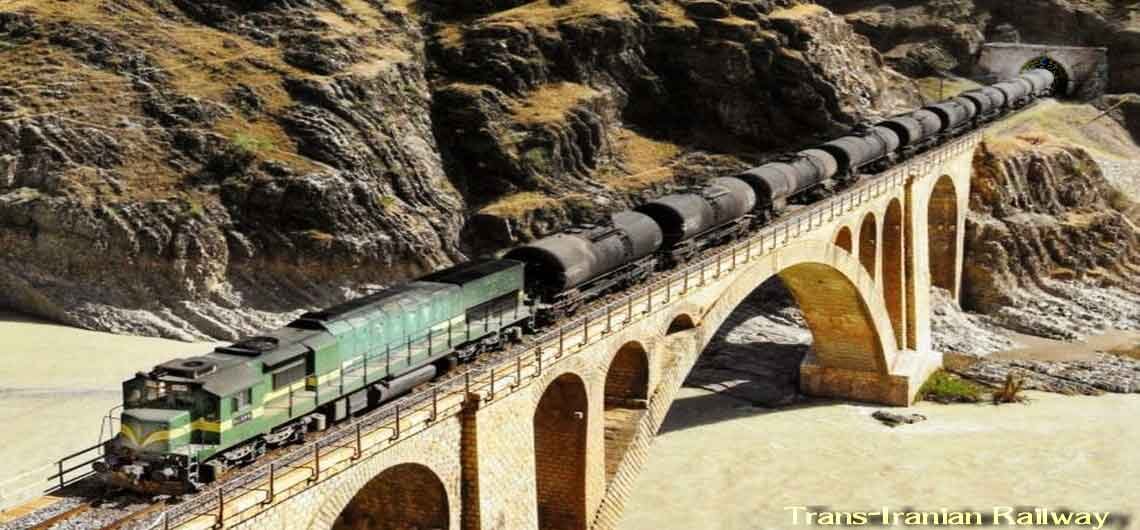
Trans-Iranian Railway 25th Iranian UNESCO World Heritage site (Reg. June 2021) One of the forgotten tourist attractions in Iran was traveling by train and passing through scenic areas with different climates and spectacular sceneries. Thanks to joining the UNESCO World Heritage List in June 2021 with the help of Iran's Cultural Heritage Organization, it can be brought back to life. Iran has many routes on its railway lines, with each of them having different historical, cultural, and tourism aspects, connecting all cities and villages of this vast country differently. One of the lines that is of great global importance is the Trans-Iranian Railway which is the northeast to the southwest line connecting the Caspian Sea to the Persian Gulf. The length of this long railway is about 1,394 km, which is one of the most strategic railways in Iran, passing through four completely different climatic regions, including the Caspian Sea, the huge forests of Hyrcanian (UNESCO Natural site), Iran Mountain ranges (Alborz and Zagros ranges), rivers, highlands, plains and a desert (Dasht-e Kavir), Persian Caravanserai in the Ancient Silk Road and ending in the Persian Gulf which is a totally different story from all of the mentioned climates. Along with this climate change, the diversity of ethnicities, cultures, customs, traditions, and languages of all these regions are highlights of this long route, especially for travelers who are interested in getting in touch with the locals and curious about new cultures and lifestyles. The Trans-Iranian railways construction started in 1927 and ended in 1938. It is famous for its vastness and the workmanship required to overcome the difficulties along the way. It was a joint work between the Iranians and 43 contractors from all around the world. They made about 174 large bridges, 224 tunnels (and 11 spiral tunnels), and
Trans-Iranian Railway 25th Iranian UNESCO World Heritage site (Reg. June 2021) One of the forgotten tourist attractions in Iran was traveling by train and passing through scenic areas with different climates and spectacular sceneries. Thanks to joining the UNESCO World Heritage List in June 2021 with the help of Iran’s Cultural Heritage Organization, it can
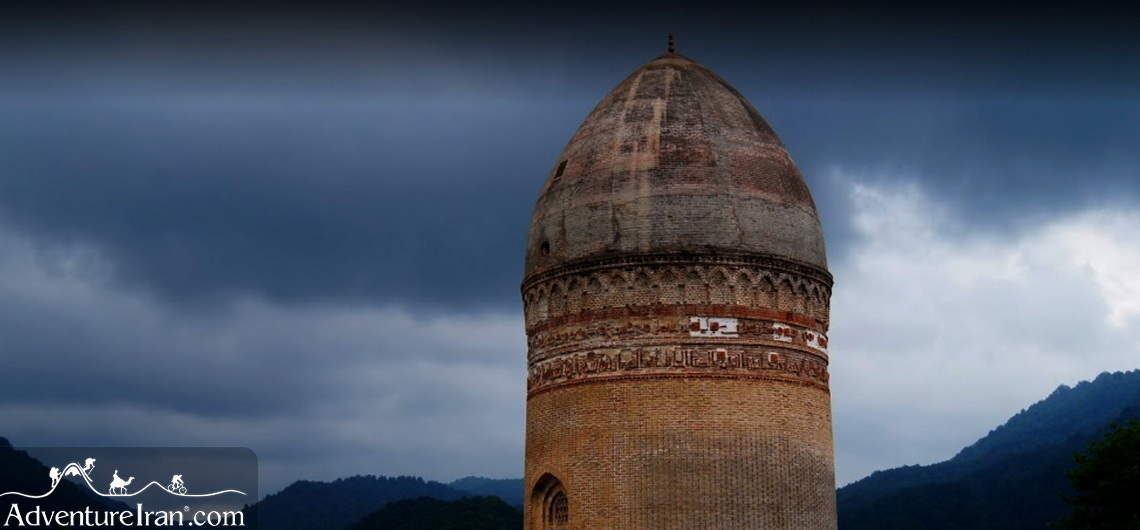
Lajim Tower Lajim Tower is located in Lajim village in the county of Savad Kooh in Mazandaran province, south of the Caspian Sea, Iran. It is circular in shape with a conical dome. There are two unique inscriptions on the brick which carry the Kufic, Pahlavi, and Sassanid Scripts. One of them defines the date as 413 AH. After a fundamental renovation, this district has currently become a site of pilgrimage for the residents of Lajim village and other rustic regions of Savadkuh. https://www.adventureiran.com/gonbad-e-qabus-iran/ https://www.adventureiran.com/the-silk-road-in-iran-and-the-persian-caravanserai/
Lajim Tower Lajim Tower is located in Lajim village in the county of Savad Kooh in Mazandaran province, south of the Caspian Sea, Iran. It is circular in shape with a conical dome. There are two unique inscriptions on the brick which carry the Kufic, Pahlavi, and Sassanid Scripts. One of them defines the date
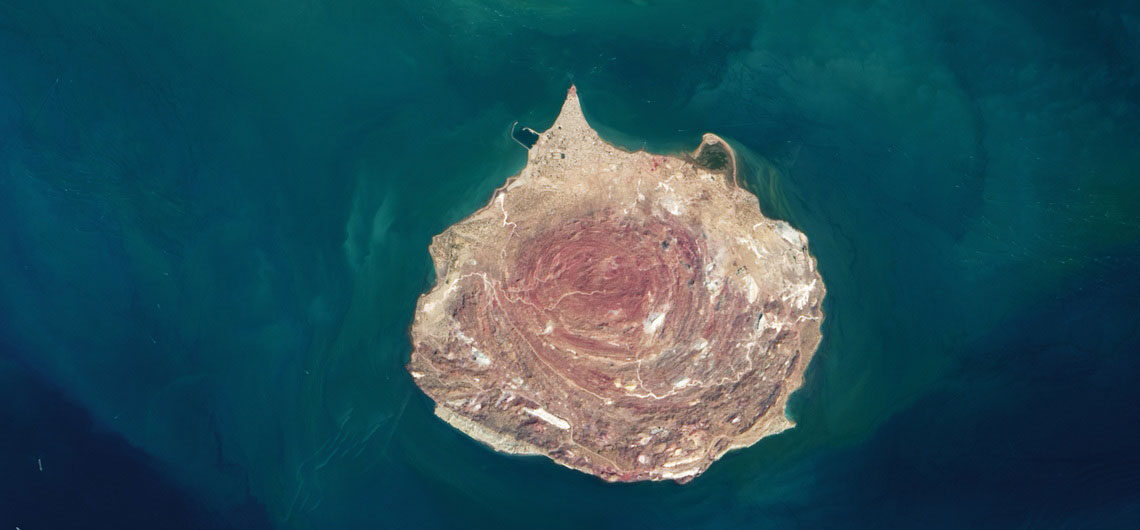
Hormuz Island in Iran Hormuz Island, Hormozgan province, is an oval island 8 km from Bandar Abbas and is considered to be one of the most exquisite islands in Iran. Situated in the Persian Gulf, it is actually a salt dome with an area of 42 square km. It is regarded as the key to the Persian Gulf due to its geographical location and proximity to the Strait of Hormuz. As a result of its position, Qeshm Island’s proximity to Hormuz Island greatly helped it to achieve importance commercially. Historically, Hormuz Island’s location, in a strategically very important region, has given it a significant commercial status. The island's population may halve in the summer with local migration due to the climate. Hormuz village is the only permanent settlement. Resources comprise of red ochre for international trade. Around 1300, the governor of Hormuz left the mainland to avoid thieves and established New Hormuz on the island. Slowly, it suppressed Qeys as the most important commercial center in the Persian Gulf, dominating other islands in the Persian Gulf and sometimes the land of Oman. The Portuguese seized Hormuz and built a castle there in 1514. The Island remained Portuguese for more than a hundred years. However, together with the rise of the local English combined with the Persian Shah’s rage and displeasure at the Portuguese occupancy, a climax was reached. Thus, the Portuguese on Hormuz Island were overthrown by joint Anglo-Persian forces in 1622. From this ancient and well-known city, nothing has left except for a part of the Portuguese castle. Hormuz was rented out to the governor of Muscat and Oman from 1868 to 1798 with the neighboring larger island of Jeshun and the land port of Bandar Abbas. Breath-taking scenery, colorful mountains, cliffs formed over millions
Hormuz Island in Iran Hormuz Island, Hormozgan province, is an oval island 8 km from Bandar Abbas and is considered to be one of the most exquisite islands in Iran. Situated in the Persian Gulf, it is actually a salt dome with an area of 42 square km. It is regarded as the key to
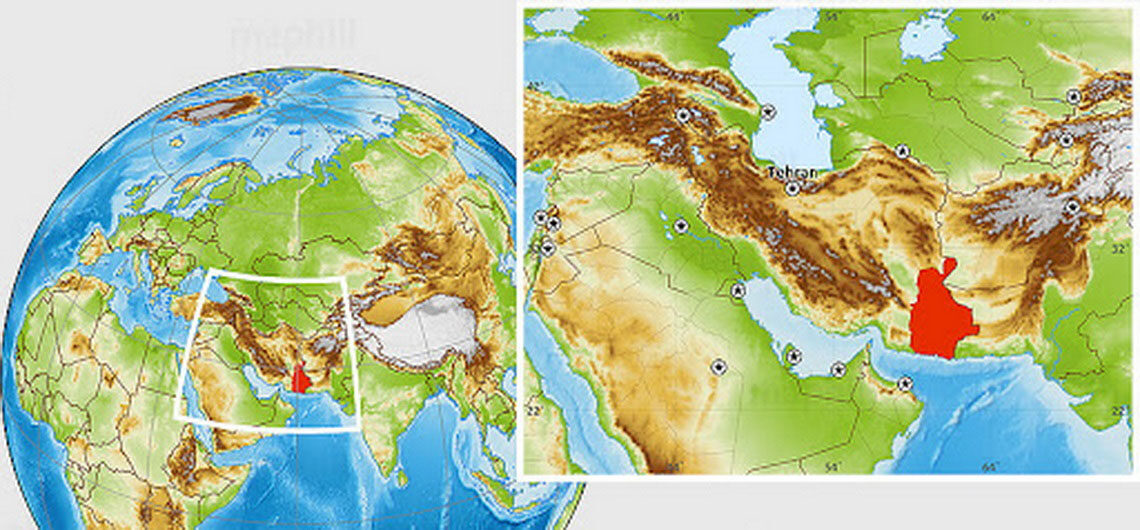
Sistan and Baluchistan in Iran Sistan and Baluchistan province (also spelled Sistan and Baluchestan / Balochistan) is in the southeast of Iran on the border with Afghanistan and Pakistan. To the south lies the Indian Ocean and the Gulf of Oman. This province is about the size of Switzerland, the Netherlands, Belgium, Denmark, and Slovenia combined. As a result of its huge dimensions, there is a fair amount of driving from the north to the south. It has 1,100 km of land along the border with Pakistan and Afghanistan together with a coastal stretch of 300 km along the Indian Ocean’s Gulf of Oman. The inhabitants consist of two tribes, one is the Baluchi tribe, who are Sunni Muslims, and the other the Sistani tribe, who are Shi’a Muslims. Both speak Persian. Balochistan offers adventurous travelers a unique opportunity to explore a region rich in ethnic culture, ancient traditions, and surreal landscapes. This vast province is part of Sistan and Baluchestan, one of Iran’s largest and most ethnically diverse regions. Though historically overlooked due to its remoteness, it’s now emerging as a fascinating destination for those seeking something truly different. The province is really amazing with huge contrasts between the deserts, snow-capped mountains, peculiar rock formations, an active 4,000 m volcano, Martian scenery, cliff-enclosed fishing villages along the coast, plus tropical rivers with the rare Mugger crocodile. This is a lesser-known destination in Iran but, at the same time, one of the most beautiful areas of our country. Top Places to Visit in Iranian Balochistan 1. Chabahar The gateway to Balochistan, Chabahar is a strategic port city on the Gulf of Oman, and one of the few coastal towns in Iran with a tropical climate. Highlights: 🌊 Martian Mountains (Miniature Mountains): Otherworldly rock formations with dramatic ridges that
Sistan and Baluchistan in Iran Sistan and Baluchistan province (also spelled Sistan and Baluchestan / Balochistan) is in the southeast of Iran on the border with Afghanistan and Pakistan. To the south lies the Indian Ocean and the Gulf of Oman. This province is about the size of Switzerland, the Netherlands, Belgium, Denmark, and Slovenia
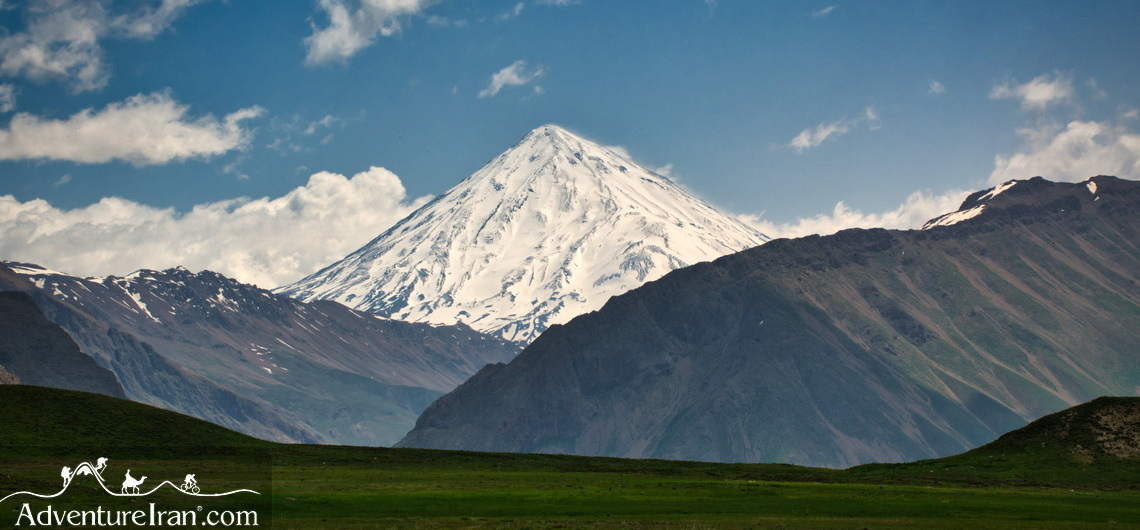
Damavand Acclimatisation Programme A Complete Guide for a Safe and Successful Climb Mount Damavand, the highest peak in Iran and the tallest volcano in Asia, is a dream destination for climbers and adventure enthusiasts worldwide. Standing at 5,610 meters (18,405 feet), this majestic mountain offers breathtaking views and a challenging yet rewarding climbing experience. However, one of the most critical aspects of a successful Damavand climb is proper acclimatisation. In this article, we’ll explore everything you need to know about acclimatizing for Mount Damavand, ensuring a safe and enjoyable adventure. Why Acclimatisation is Crucial for Climbing Mount Damavand Acclimatization is the process of allowing your body to adapt to the decreasing levels of oxygen at higher altitudes. As you ascend Mount Damavand, the air becomes thinner, and the oxygen levels drop significantly. Without proper acclimatization, climbers are at risk of developing Altitude Sickness (Acute Mountain Sickness or AMS), which can lead to severe symptoms like headaches, nausea, dizziness, and, in extreme cases, life-threatening conditions such as High Altitude Pulmonary Edema (HAPE) or High Altitude Cerebral Edema (HACE). Proper acclimatization not only reduces the risk of altitude sickness but also improves your overall climbing performance, allowing you to enjoy the journey to the summit. Understanding Altitude Zones on Mount Damavand Mount Damavand has several key altitude zones, each requiring careful acclimatization: Base Camp (2,200 - 3,000 meters): This is where most climbers begin their journey. Popular base camps include Goosfandsara and Polour. Spend at least 1-2 days here to allow your body to adjust to the altitude. Mid-Level Camps (3,000 - 4,000 meters): Camps like Bargah-e Sevom (Camp 3) at 4,200 meters are ideal for further acclimatization. Climbers often hike to these camps during the day and return to lower altitudes to sleep, following the "climb high, sleep low"
Damavand Acclimatisation Programme A Complete Guide for a Safe and Successful Climb Mount Damavand, the highest peak in Iran and the tallest volcano in Asia, is a dream destination for climbers and adventure enthusiasts worldwide. Standing at 5,610 meters (18,405 feet), this majestic mountain offers breathtaking views and a challenging yet rewarding climbing experience. However,