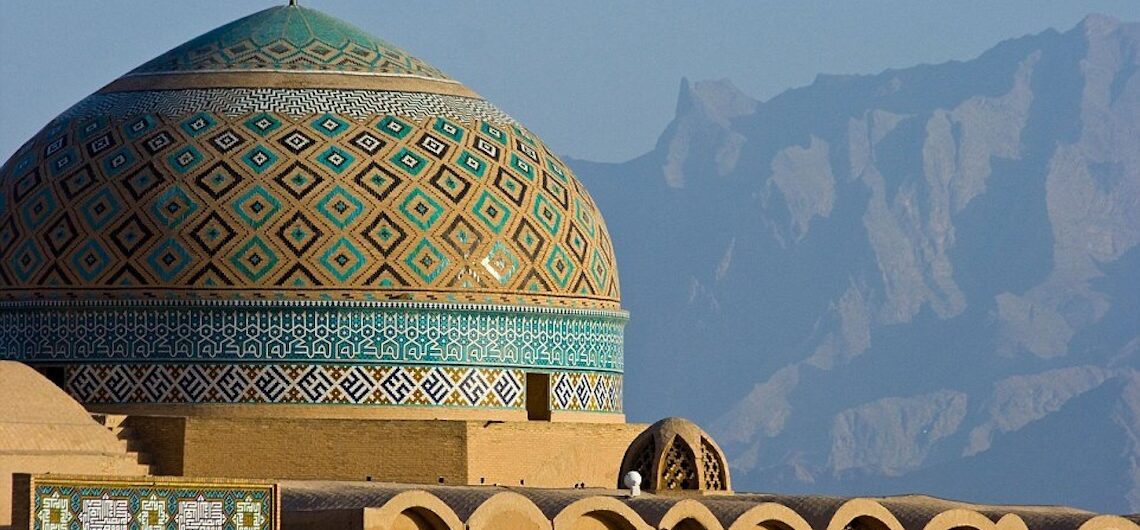
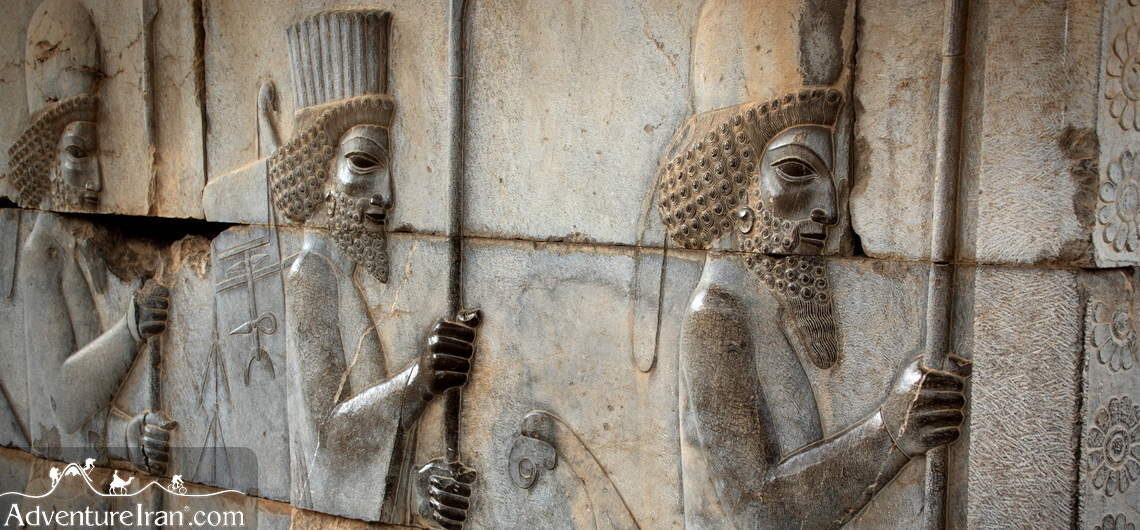
Iran's 20 best locations for Instagram Photography Iran Best places for Instagram photography guide will helps both influencers and photographers to find Iran most beautiful places for their travel purpose. Exploring Iran offers a captivating journey through a tapestry of history, culture, and natural beauty, visiting UNESCO sites, providing endless opportunities for photographers seeking to capture stunning images for Instagram. From ancient ruins and architectural wonders to breathtaking landscapes and vibrant bazaars, Iran boasts a diverse array of picturesque locations that are sure to inspire awe and admiration. Here are 20 of the best places for Instagram photography in Iran: 1- Persepolis: Delve into the ancient history of Iran at Persepolis, the UNESCO World Heritage Site renowned for its majestic ruins and intricately carved reliefs. Photograph the grandeur of its towering columns and palatial structures against the backdrop of the surrounding mountains. 2- Nasir al-Mulk Mosque (Pink Mosque): Step into a world of ethereal beauty at the Nasir al-Mulk Mosque in Shiraz, where the play of light through stained glass windows creates a kaleidoscope of colors. Capture the mesmerizing patterns and reflections that adorn the mosque's prayer hall during the early morning hours. 3- Naqsh-e Jahan Square: Immerse yourself in the architectural splendor of Isfahan's Naqsh-e Jahan Square, a UNESCO-listed site that serves as the centerpiece of the city. Photograph the intricate tilework and soaring minarets of the Shah Mosque, the elegant dome of the Sheikh Lotfollah Mosque, and the majestic Ali Qapu Palace. 4- Tomb of Hafez: Pay homage to one of Iran's most beloved poets at the Tomb of Hafez in Shiraz, surrounded by tranquil gardens and reflecting pools. Capture the serene atmosphere and timeless beauty of this poetic sanctuary. 5- Abyaneh Village: Journey back in time to the ancient village
Iran’s 20 best locations for Instagram Photography Iran Best places for Instagram photography guide will helps both influencers and photographers to find Iran most beautiful places for their travel purpose. Exploring Iran offers a captivating journey through a tapestry of history, culture, and natural beauty, visiting UNESCO sites, providing endless opportunities for photographers seeking to
Best Iran Tours Choosing the right trip at the right time for your holiday in Iran 1. Introduction The “Best Iran Tours” article is prepared for first-time visitors to Iran who are planning to travel to the country. We know how important it is to have an efficient travel itinerary to make good use of your limited holiday time to visit the top tourist highlights. We have received a lot of common questions related to this topic from many clients. Therefore, in this Iran’s tourist guide article, we would like to delve into and share our past two-decades of experience for enthusiastic travellers who are choosing Iran as their destination. 2. First time travel to Iran If this is your first trip to Iran, you will most likely want to visit the country’s essential and most beautiful tourist highlights. For those who are interested in the cultural, historical and heritage attractions, it is recommended to follow the Iran Classic Route. This route passes through five tourist destinations, and is recommended by the Lonely Planet travel guide book on Iran. There are so many attractions on this route which you have to mark on your “must see” travel itinerary. Some of them are inscribed on the list of UNESCO sites and many of them are on the waiting approval list. The majority of travellers spend two weeks following this route. 3. Iran Best tourist cities The best tourist cities on this popular classical route are Tehran, Kashan, Isfahan, Yazd and Shiraz. Each one of those 5 main destinations has its own theme and is famous for a specific attraction. Depending on your interest, you could spend more days in the ones that appeal to you most. There are also some interesting small towns and villages on your
Best Iran Tours Choosing the right trip at the right time for your holiday in Iran 1. Introduction The “Best Iran Tours” article is prepared for first-time visitors to Iran who are planning to travel to the country. We know how important it is to have an efficient travel itinerary to make good
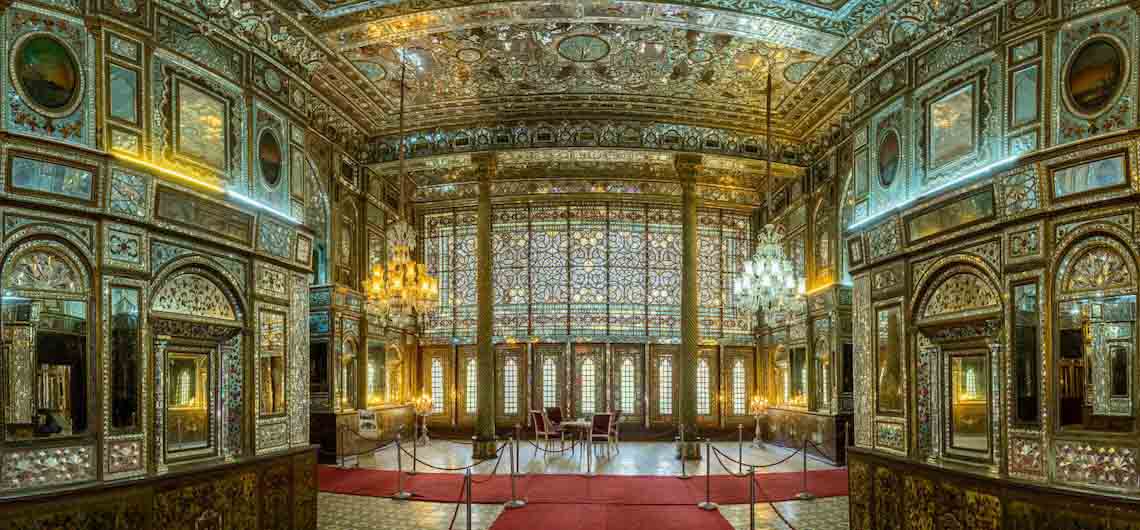
Golestan Palace: Jewel of Tehran's Cultural Heritage I. Introduction: A Regal Oasis in Tehran Nestled in the heart of Tehran, Golestan Palace stands as a testament to Iran's rich history and cultural legacy. This opulent complex, with its stunning architecture and lush gardens, offers visitors a captivating journey through the country's royal past. II. Historical Background: Echoes of Persian Royalty A. Origins Golestan Palace, meaning "Palace of Flowers," traces its origins to the Safavid era in the 16th century, undergoing expansions and renovations under subsequent dynasties, including the Qajars. B. UNESCO World Heritage Site Recognized for its historical significance, Golestan Palace was designated a UNESCO World Heritage Site in 2013, solidifying its place as a cultural treasure. III. Architectural Marvels: A Symphony of Persian Design A. Brilliant Mosaic of Styles Golestan Palace showcases a harmonious blend of Persian, European, and Russian architectural styles. From intricate tilework to grand halls adorned with mirrors, every corner exudes regality. B. Nane-Saraj Pavilion The Nane-Saraj Pavilion, a highlight of the palace, captivates with its delicate stucco, mirror work, and painted decorations, exemplifying the artistry of the Qajar period. IV. The Grand Complex: Golestan Palace Highlights A. Takht-e Marmar (Marble Throne) One of the most iconic features, the Marble Throne, dates back to 1806 and serves as a symbol of royal authority. The throne's canopy, adorned with mirrors and paintings, adds to its grandeur. B. Shams-ol Emareh (Edifice of the Sun) A striking edifice with two towers, Shams-ol Emareh offers panoramic views of Tehran. Its architecture seamlessly fuses Persian and European elements. C. Hall of Mirrors (Talar-e Aineh) The Hall of Mirrors, adorned with intricate mirrorwork, crystal chandeliers, and vibrant stained glass, reflects the grandeur of ceremonial gatherings during the Qajar era. V. Beautiful Gardens: Serenity Amidst Grandeur A. Emarat Badgir (Wind Towers)
Golestan Palace: Jewel of Tehran’s Cultural Heritage I. Introduction: A Regal Oasis in Tehran Nestled in the heart of Tehran, Golestan Palace stands as a testament to Iran’s rich history and cultural legacy. This opulent complex, with its stunning architecture and lush gardens, offers visitors a captivating journey through the country’s royal past. II.
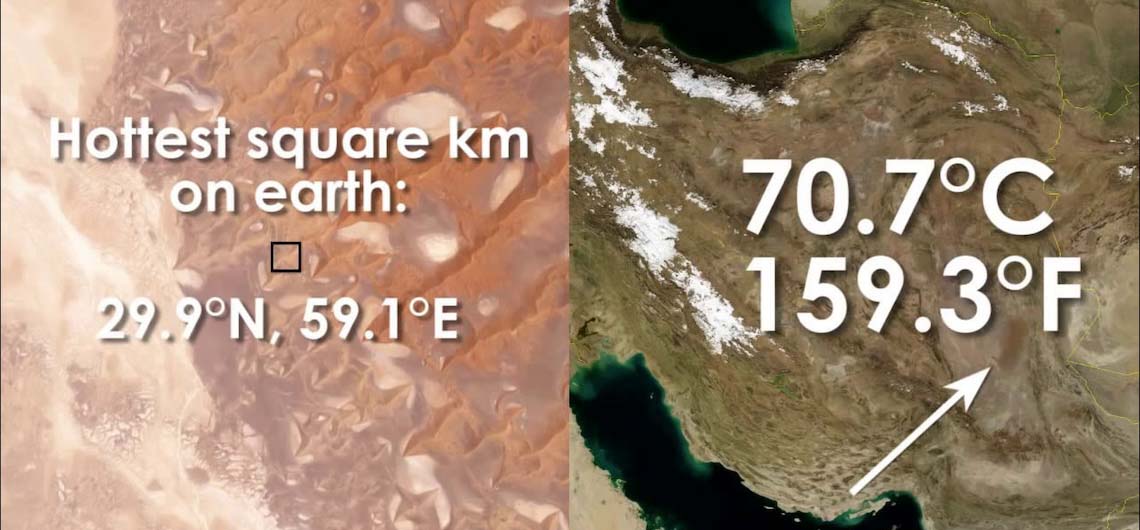
Gandom Beryan: Unveiling the Secrets of the World's Hottest Place in the Lut Desert I. Introduction: The Lut Desert's Fiery Crown Nestled within the arid expanse of the Lut Desert in southeastern Iran, Gandom Beryan stakes its claim as the hottest place on Earth. This natural wonder, shrouded in mystery and extremes, beckons adventurers and scientists alike to witness the scorching temperatures that define its otherworldly landscapes. II. The Lut Desert: A Harsh Beauty The Lut Desert, also known as Dasht-e Lut, sprawls across an area of about 51,800 square kilometers, making it one of the Earth's driest and hottest places. Its unearthly beauty lies in its vast sand dunes, mesmerizing rock formations, and the elusive phenomenon of Gandom Beryan. III. Gandom Beryan: The Epicenter of Heat A. Record-Breaking Temperatures Gandom Beryan holds the record for the highest ground temperature ever recorded, reaching a blistering 159.3 degrees Fahrenheit (70.7 degrees Celsius) in 2005. This makes it the hottest naturally occurring point on the planet. B. Geological Origins The name "Gandom Beryan" translates to "Toasted Wheat," a testament to the parched conditions. The site's geological composition, including dark volcanic rock and fine sediment, contributes to its ability to absorb and retain extreme heat. IV. The Lut Desert's Unique Features A. Kaluts: Yardangs of Lut Within the Lut Desert, Gandom Beryan shares its home with Kaluts, dramatic yardangs sculpted by the wind and sand over millennia. These towering ridges add an extra layer of surrealism to an already mesmerizing landscape. B. Playa Surfaces and Salt Plains The desert's topography is further adorned by expansive salt plains and playa surfaces, creating an ethereal panorama that showcases the forces of nature in their rawest form. V. The Science Behind the Heat A. Atmospheric Conditions Scientists study Gandom Beryan to understand the
Gandom Beryan: Unveiling the Secrets of the World’s Hottest Place in the Lut Desert I. Introduction: The Lut Desert’s Fiery Crown Nestled within the arid expanse of the Lut Desert in southeastern Iran, Gandom Beryan stakes its claim as the hottest place on Earth. This natural wonder, shrouded in mystery and extremes, beckons
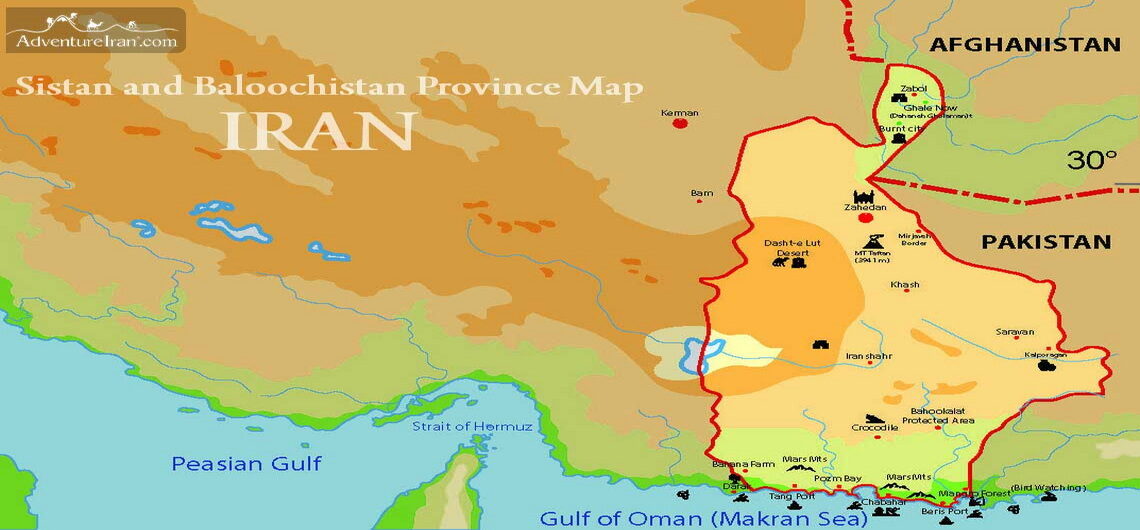
Sistan and Baluchestan Travel Guide If you wish to travel to Off the Beaten Track destinations in Iran, do NOT miss this Sistan and Baluchestan Travel Guide! Introduction Read this short article as Sistan and Baluchestan Travel Guide and see the photos and videos of this untraveled route of Iran to understand why you should travel to Sistan and Baluchestan and put it on your bucket list. Sistan and Baluchestan is one of Iran's provinces located in the southeastern corner of the country. Baluchestan, also spelled Balochistan or Baluchistan as well. Iran has 31 provinces, each one with its own special tourist attractions. The Main Tourist Cities, well-known among travelers, are located on the major traveling route of CLASSIC IRAN. There are also other tourist cities off the main route, which have also been mentioned in most travel guides to Iran like Lonely Plant, Bradt guide, and Petit Futé. Apart from the main tourist destinations, there are also Off the Beaten Track destinations with special attractions in Iran. Some of those are unknown to travelers, and they have not been mentioned in the guide books or popular traveling sites. Sistan and Baluchestan province is definitely on top of this list that could be considered an independent destination in Iran. According to the time of your travel to Sistan and Baluchestan, your interests, and the types of activities you would like to do during your holiday, you can stay from at least one week to one month in this region. General Information Sistan and Baluchestan province comprises two large sections, Sistan in the north and Baluchestan in the south. The Farsi name “Sistan” comes from Old Persian Sakastana, meaning "Land of the Saka". The name Baluchestan- also written “Baluchestan”- means "Land of the Baluch" in the Persian language and is
Sistan and Baluchestan Travel Guide If you wish to travel to Off the Beaten Track destinations in Iran, do NOT miss this Sistan and Baluchestan Travel Guide! Introduction Read this short article as Sistan and Baluchestan Travel Guide and see the photos and videos of this untraveled route of Iran to understand why you should
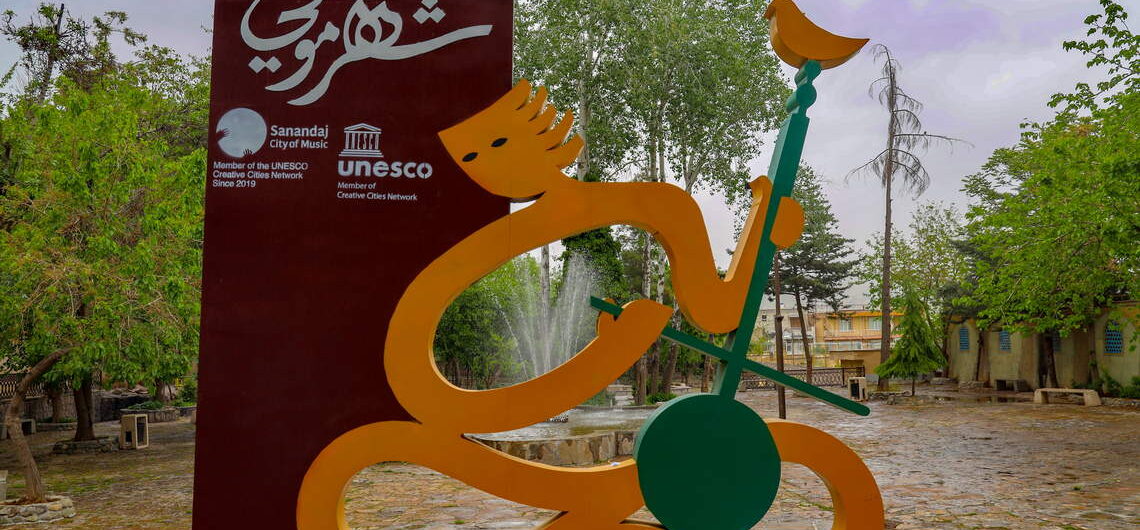
Travel to Iranian Kurdistan Kurdistan Introduction Iranian Kurdistan with 21137 sq./m is located in the west of Iran with a joint border with Iraq. It’s one of the destinations of Iran that offers you a lot of Off the Beaten track for those who are looking for new experiences. Depending on your travel style and the type of activity you would like to do, you could travel to Iranian Kurdistan from one week up to one month. Most Iran visitors who already visited the Main tourist destinations of Iran travel to Kurdistan as a cultural tour. They only visit a couple of spots mentioned in the guidebooks. Also, most of the tours designed to visit Kurdistan are two to three-week tours of northwestern and western Iran, which spend only one or more days in this province and actually pass through this province and cannot explore the attractions of this region and understand the intangible highlights of this exotic destinations. Kurdistan has a long list of attractions for travelers and in this article, we try to mention the main important highlights of the province. Kurdish Region locations The Kurdish region of Iran is a geographical area in northwestern Iran that has been historically and is presently inhabited by a predominantly Kurdish population. This region includes parts of three Iranian provinces; the Kordestan Province, the Kermanshah Province, and the West Azerbaijan Province. These three Iranian provinces share borders with parts of Iraq and Turkey that are also inhabited by the Kurds. West Azerbaijan Province location in Iran Map Kurdistan Province location in Iran Map Kermanshah Province location in Iran Map Kurdish People The Kurdish people have inhabited the northwestern region of Iran for centuries – dating back before the Islamic conquests of the 7th century. It
Travel to Iranian Kurdistan Kurdistan Introduction Iranian Kurdistan with 21137 sq./m is located in the west of Iran with a joint border with Iraq. It’s one of the destinations of Iran that offers you a lot of Off the Beaten track for those who are looking for new experiences. Depending on your travel style
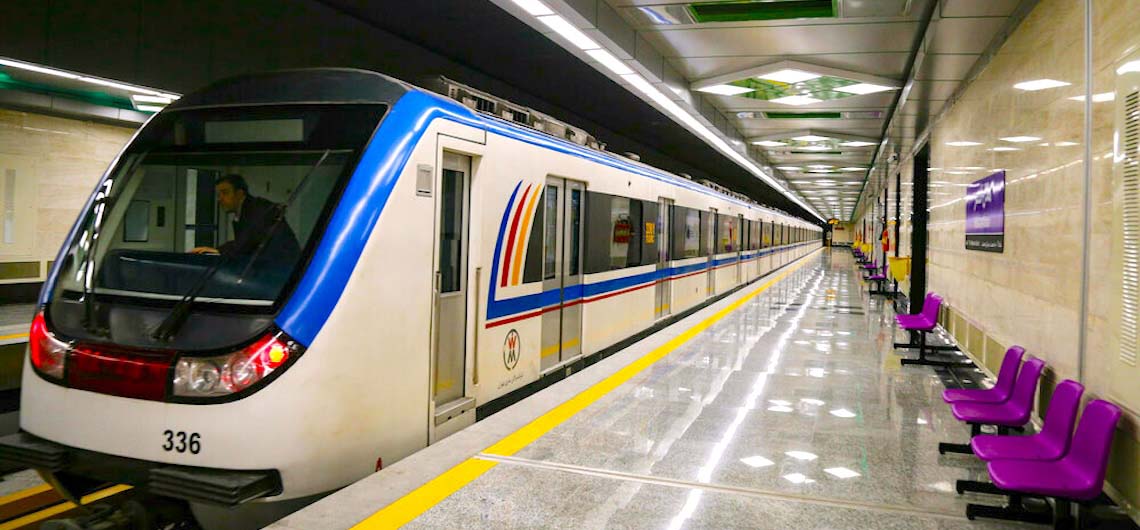
Tehran Metro Guide Map The Tehran Metro is a fastest transportation system in Tehran, the capital of Iran. It is the largest metro system in the Middle East. It consists of six operational metro lines (and an additional commuter rail line), with construction under way on four lines including northwestern extension of line 4, south extension line 6, north and east extension line 7 and Line 10. Discover Tehran Metro: The Beating Heart of Iran’s Capital As one of the most modern and efficient metro systems in the Middle East, the Tehran Metro is not just a transportation network—it’s a gateway to the city’s history, culture, and daily life. With over 7 lines and 120 stations, it connects Tehran’s bustling neighborhoods, historic landmarks, and commercial hubs, offering both convenience and a glimpse into Iranian urban life. Why Ride the Tehran Metro? ✔ Affordable & Efficient: Avoid traffic while zipping across the city at a fraction of the cost of taxis. ✔ Clean & Safe: Women-only cars (during peak hours) and strict security ensure comfort for all passengers. ✔ Cultural Stops: Key stations like Tajrish (for the bazaar), Meydan-e Azadi (Azadi Tower), and Meydan-e Imam Hossein (for parks and theaters) put Tehran’s highlights within easy reach. ✔ Art Underground: Many stations feature stunning tilework, murals, and calligraphy celebrating Persian heritage. Pro Tips for Travelers Get a Metro Card: Rechargeable cards (sold at stations) make rides seamless. Avoid Rush Hour: 7–9 AM and 4–6 PM get crowded. Combine with Attractions: Use Line 1 (Red) for Golestan Palace or Line 4 (Yellow) for the Milad Tower. Final Thought: Whether you’re a tourist or a local, the Tehran Metro is the smartest way to explore the capital’s vibrant energy. Hop on and see the city like a true Tehrani!
Tehran Metro Guide Map The Tehran Metro is a fastest transportation system in Tehran, the capital of Iran. It is the largest metro system in the Middle East. It consists of six operational metro lines (and an additional commuter rail line), with construction under way on four lines including northwestern extension of line 4,
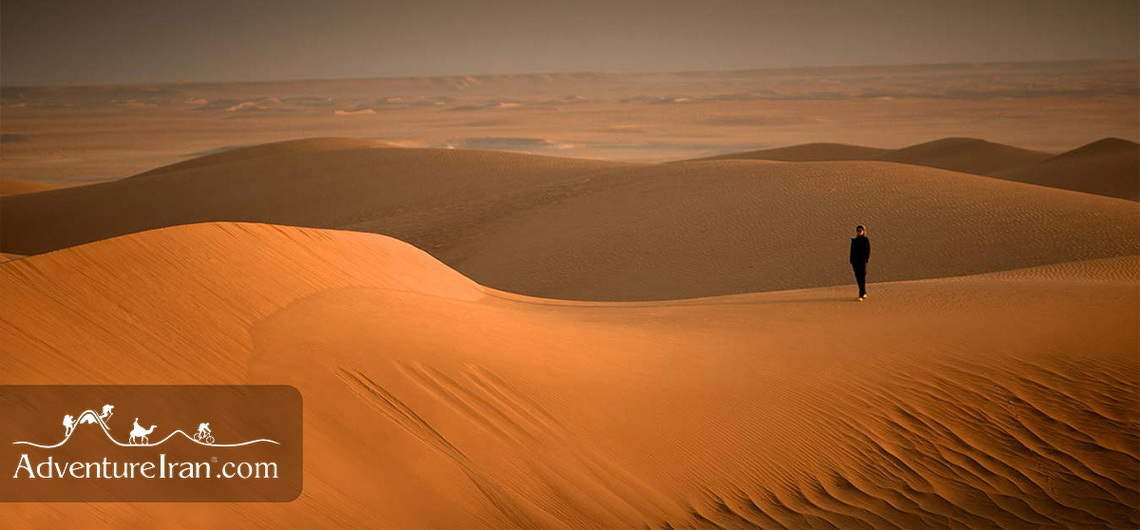
Iran Deserts Iran DesertsThe deserts in Iran are probably its main attraction. These deserts are vast and spectacular covering 25% of the entire country. The two main ones are Dasht-e Kavir and Dasht-e Lut, both being gigantic. Dasht-e Kavir, also called Kavir Desert, Iran Central Desert, or in Persian Kavir Markazi-e Iran is situated to the south of the Alborz Mountains approximately in the center of Iran. Lut Desert also called Dasht-e Lut, Kavir-e Lut or Dasht-e Lut Desert is situated in the south-east of Iran. It is also one of the two UNESCO natural sites of Iran that were registered in 2016. You might have visited deserts in other parts of the world but, by comparison, Iran’s deserts are a combination of them all in terms of natural attractions. They are made up of sand dunes, flat desert areas, salt lakes, dry lakes, wetlands, rock formations, canyons, rivers, various mines, birds, animals, flora, caves, high mountains and diverse coloured soils surrounded by villages. It’s possible to find a cluster of oases with agricultural areas in the middle of nowhere where you never thought there could be water. People still follow their customary way of life and live in their traditional houses. There are numerous citadels in these deserts dating back to over one thousand years. There is also an abundance of historical villages with special desert lands and Persian architecture built several hundred years ago. There are countless ancient Qanat “underground water channel systems” in many of Iran’s deserts dating back thousands of years. The Persian Qanat was registered in 2016 in the UNESCO heritage sites of Iran, which is one of Iran's historical phenomena. Persian cuisine is another attraction of our deserts, as you can find a wide variety of Iranian food on every corner. As you may
Iran Deserts Iran DesertsThe deserts in Iran are probably its main attraction. These deserts are vast and spectacular covering 25% of the entire country. The two main ones are Dasht-e Kavir and Dasht-e Lut, both being gigantic. Dasht-e Kavir, also called Kavir Desert, Iran Central Desert, or in Persian Kavir Markazi-e Iran is situated to