

Christmas in Iran offers a beautiful and lesser-known cultural experience where history, faith, hospitality, and winter charm come together. Although Iran is a predominantly Muslim country, Christmas holds a meaningful place in the lives of Armenian, Assyrian, Catholic, and Protestant Christian communities, particularly in cities such as Tehran, Isfahan, Tabriz, Shiraz, and Urmia. Today, Christmas
Top Tehran Mountains and Trekking Trails
- Activities, Destinations
- Hiking Iran, Hiking Tehran, iran trekking, Iran Trekking Tour, Iran Trekking Tours, Northern Tehran, Tehran, Tehran Adventure Tour, Tehran Adventures, Trekking Iran
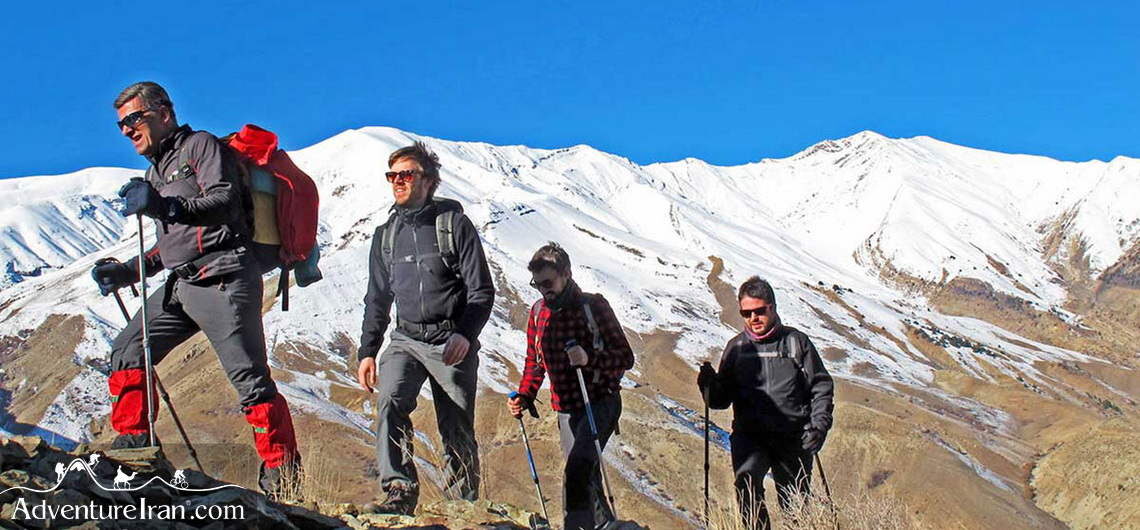
Top Tehran Mountains and Trekking Trails Top Tehran Mountains are located in the central Alborz mountain and has a lot of amazing and Trekking Trails. Tehran is the capital city of Iran and it is the first entry point for the majority of travelers who visit Iran. The IKA airport in Tehran is the most
Video Story: Mountain Biking in Lavasan
- Activities, Attractions, Videos
- Adventure, Adventure Iran, Iran Adventure, Iran Cycling Tours, Iran Mountain Biking, Iran Mountain Biking Holiday, Iran MTB, Lavasan, Lavasanat, Mount Damavand, Mountain Biking, Slovenia, Tehran Adventure Tour, Tehran cycling, Tehran Mountain Biking, Tehran MTB
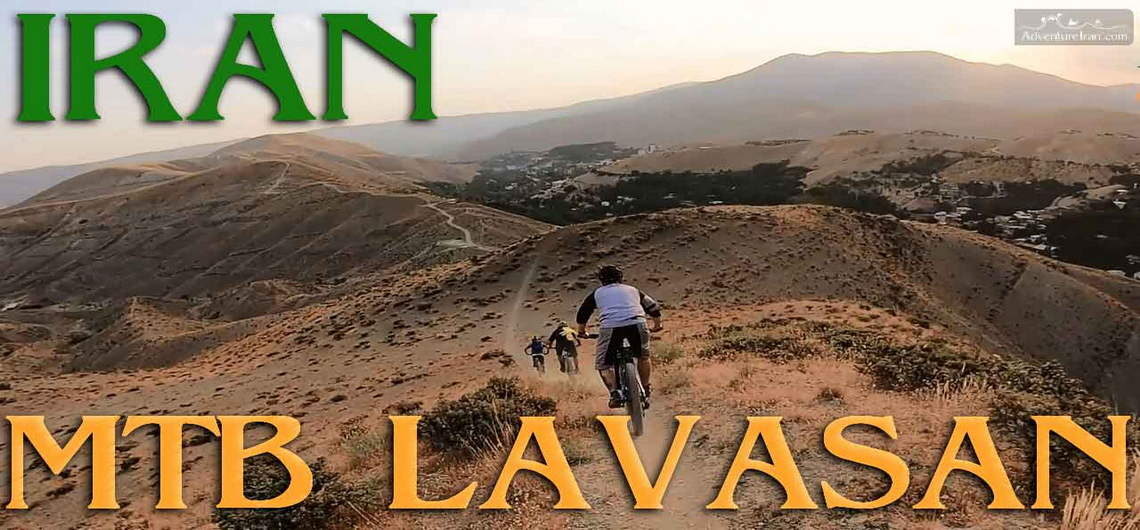
Mountain Biking in Lavasan This video is made of the highlights of a mountain biking tour in Lavasan that we did for a group of professional cyclists from Slovenia. They arrived in the June of 2019 as it is in the middle of summer, it’s the best time to ascend the mountains. They even brought