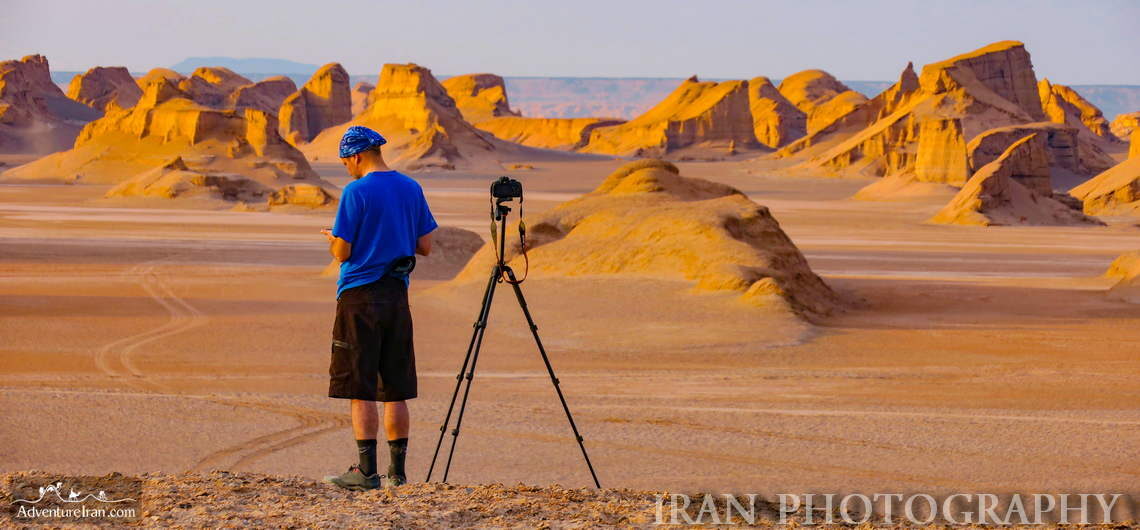
Photography Travel in Iran Iran is an amazing destination for photography and depending on your photography type there is so much to offer for experts in this field. The most important type we could mention are as below: 1- Landscape photography in Iran 2- Iran portrait photography 3- Architecture photography in Iran 4- On the Road Photography 5- Iran’s Tribes and nomads (and their lifestyle) Photography Along with the above main categories, there is also another topic for special interests like bird-watching and wildlife adventure photography in Iran and a much unrelated subject, Persian historical houses. Photography of events or special festivals is also another specific topic that many travelers come to Iran for. Some travelers are interested in these events but for photographers it’s a whole different story. Ashoora and Tasooa are the two main important religious ceremonies which are in the summer this year. On the 7 and 8 of August 2022. But every year those date move 12 days forward so, on 2023 the event would be 20 and 21 of July. In some towns, Ashoora and Tasooa ceremony and their special customs are totally different which is amazing for taking some out of this world shots. Along this ceremony, there are other historical ceremonies in Iran which is amazing for event photography as well. Pireh Shaliar is a traditional dance festival of Kurdish people in Howramanat and it is one of the best locations for traveling for photography. In Adventure Iran, we have done photography in all main categories and we have performed a few photography tours in different regions. Also, another important matter for photography is that you have to visit places when it’s not crowded and you have to have local information or special guides for the destination and the topic of your
Photography Travel in Iran Iran is an amazing destination for photography and depending on your photography type there is so much to offer for experts in this field. The most important type we could mention are as below: 1- Landscape photography in Iran 2- Iran portrait photography 3- Architecture photography in Iran 4- On the
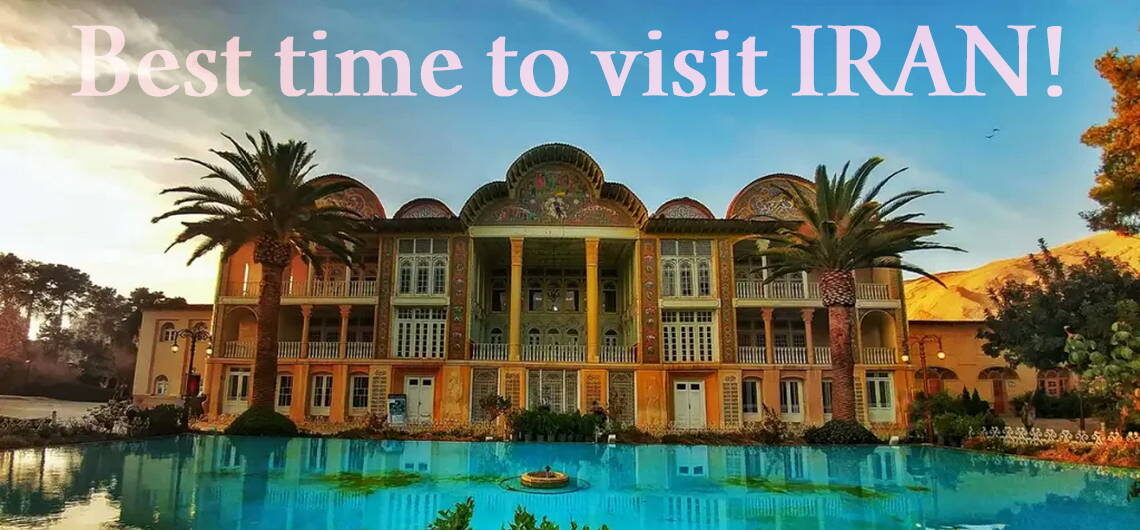
Best Time to Visit Iran? Iran’s four seasons are very well defined. Due to its big size, the various regions that make up the country have very different weather conditions, temperature, rainfall and level of humidity during the year. Depending on where you are, whether in a high mountainous area, a vast desert, a forest, or one of the two coastal regions going from north to south, (the Caspian Sea to the Persian Gulf ), this climate diversity makes it possible to travel all year round. So a question easily arises: What is the best time to visit Iran? High season / Low season As an example, what is known as the LOW SEASON is due to the high summer temperatures in most parts of the country making it unattractive for travelers to visit the cities. However, the Caspian Sea area has its busiest time of the year during this season as many locals from all over Iran, especially from the capital, are traveling there to soak up the sun and swim. For mountain lovers, summer is the best time to ascend the high peaks. Yet another example is the OFF-SEASON. This is the winter season when large parts of the country have very cold weather. Many domestic travelers go to the southern coast to enjoy the sunny weather there. In winter, when most of Iran’s tourist destinations are deserted, travelers will find it extremely difficult to find a vacant room in the Persian Gulf islands or tourist destinations along the southern coast. It's vital to mention the region and name of the destination when we use the term HIGH SEASON and LOW SEASON. As Iran is not yet a popular destination to travel to in the world, most of Iran’s visitors are cultural-historical travelers who come here to
Best Time to Visit Iran? Iran’s four seasons are very well defined. Due to its big size, the various regions that make up the country have very different weather conditions, temperature, rainfall and level of humidity during the year. Depending on where you are, whether in a high mountainous area, a vast desert, a forest,
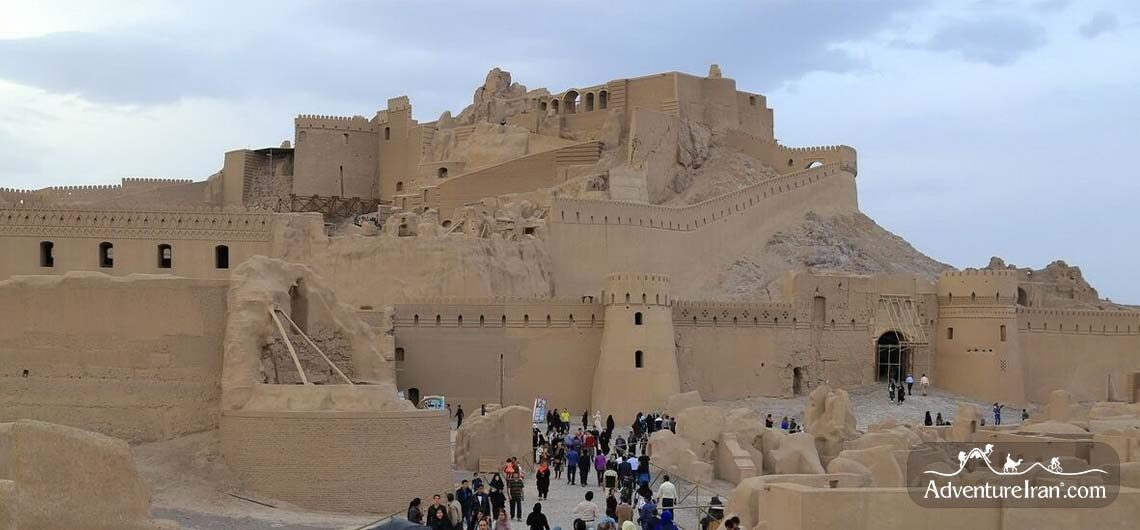
UNESCO sites of Iran: Bam and its Cultural Landscape Bam is based in Kerman province in south east of Iran. it was placed in the UNESCO world heritage sites of Iran in the year 2004. It is 1050m above sea level and have a warm and dry environment. It covers about 5175 square kilometers of Iran. You can reach it from Tehran by car in about 12 hours. Domestic flights and trains are more quicker. When you reach Bam the first thing you’ll notice are the beautiful palm trees across the city. In every house and every park you can see one. The economy of the city depend on these date palms as well. Dates produced in Bam are exported to nearly 15 countries in the world. They are also a known delicacy in all the regions of Iran. Historically Bam was famous for being the exchange point for goods and cargo. Near the end of Lotf Ali Khan's time (the last Shah of Zand dynasty) he escaped to Bam. For a short while the Capital of Iran was Bam. Bam was in the spice road (one of the routes of the Silk Road for spices and fabrics) and connected the west civilization to Sistan and ultimately to the population of the Indus River in India. The gate of the east of Iran on the Silk Road was Bam. Also it was the central exchange point between Khorasan and Kerman in the boarders of the country. Historical sightsees of Bam the earthquake rocked and destroyed the city and most of the buildings, but it reveled the Tal-e Atashin site. Tal-e Atashin is from the Neolithic era. The decayed old city gave its place to the new city and was forgotten. the house like structures underneath are still
UNESCO sites of Iran: Bam and its Cultural Landscape Bam is based in Kerman province in south east of Iran. it was placed in the UNESCO world heritage sites of Iran in the year 2004. It is 1050m above sea level and have a warm and dry environment. It covers about 5175 square kilometers of
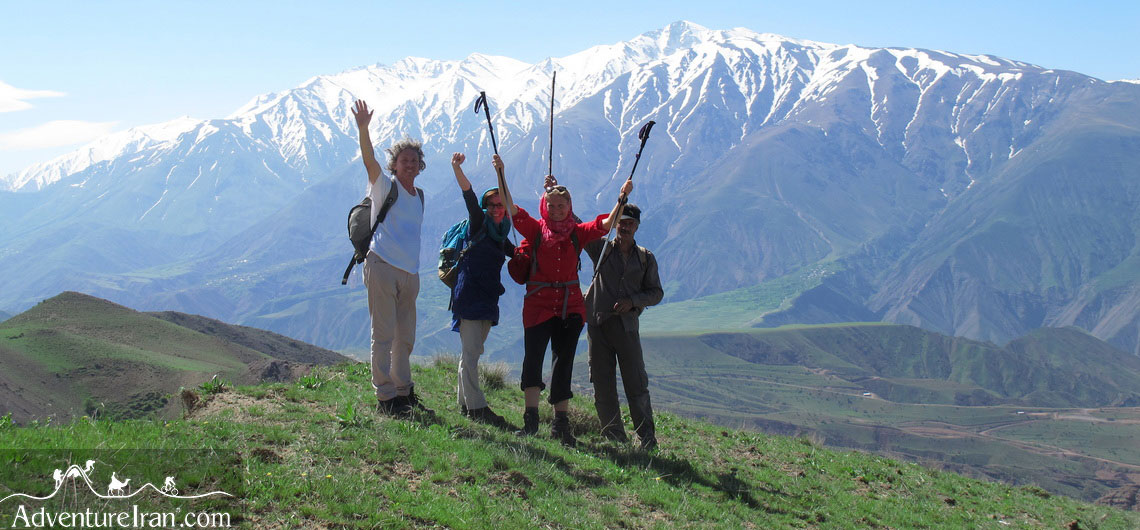
10 Best Off the Beaten Path Hiking Trails in Iran Iran’s geographical location has made it one of the most exceptional countries in the world for hiking. There are two seas in the north and south of the country, as well as the two long mountain ranges of Alborz and Zagros. Moreover, a lot of sub-ranges and mountain chains, high-altitude peaks in each corner of the country, the famous Hyrcanian forests (UNESCO), and two vast deserts of Dasht-e Kavir and Lut (UNESCO) plus numerous springs and lakes have made Iran unique. Iran, with so much to see as well as numerous Off the Beaten hiking trails, is perfect for all types of hikers who wish to experience an unusual and exciting journey. The varieties of terrain and climate have created amazing opportunities for freak (atypical) hikers to hike in different regions all year round. Having excellent information about the Off the Beaten hiking trails in Iran and knowing the right regions in the right month is one of the main steps to have a memorable trekking holiday. Another advantage of Iran is enjoying a varied climate and ecosystem simultaneously in its different regions. To give you a better idea, we will explain a few of Adventure Iran’s tours during spring. While we perform hiking tours in the forests, south of the Caspian Sea, we also have other hiking tours in the central Alborz mountains, north of Tehran. At the same time, we have another hiking tour in the Dasht-e Kavir desert located in central Iran. We have had a lot of experience performing these tours. As there is still snow on the high-altitude mountains in the central parts of the country, you will see a lot of flowers and trees in bloom while people in the south of Iran, in
10 Best Off the Beaten Path Hiking Trails in Iran Iran’s geographical location has made it one of the most exceptional countries in the world for hiking. There are two seas in the north and south of the country, as well as the two long mountain ranges of Alborz and Zagros. Moreover, a lot of
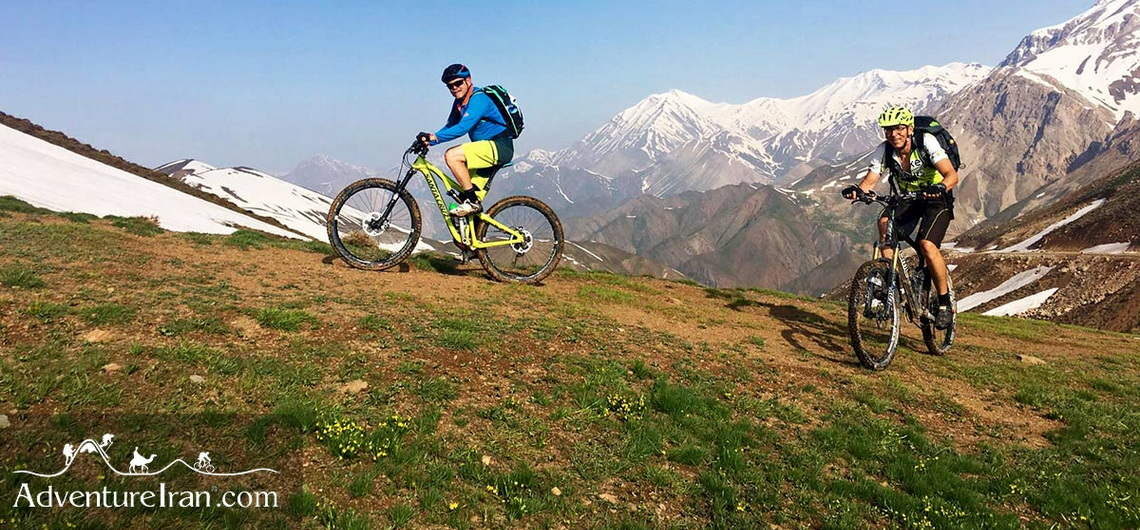
Best time for Cycling in Iran (A Cycling Guide for Traveling in Iran by Bicycle) When is the best time to travel to Iran for a cycling holiday? You can cycle all year round as every corner of the country has something to offer, depending on the season and the region, and it is a great advantage. This means there is not a high season, low season, or off-season for cyclists like in many other countries. To answer this question, we need to explain a little more about Iran to find out when is the best time for cycling in Iran. Iran is a vast country with a lot of high mountains, deserts, rivers, many national parks, and natural protected areas. It has a varied climate with two seas, the Caspian Sea in the north and the Persian Gulf in the south, and has different ecosystems. It means when we have winter in the north, people are skiing in the Alborz mountains, north of Tehran, whereas other people in the south are swimming in the Persian Gulf. Moreover, when people in the southern part of Iran, or around the desert, are experiencing a very hot temperature between 50-60 centigrade in summer, other people in the north enjoy a pleasant temperature of 20-25 centigrade in the Alborz mountains. These varieties make ideal conditions for cycling tours in Iran, so depending on your time of travel and your interests, you can cycle all year round. Iran is not yet a well-known cycling destination among cyclists because of the lack of information for travelers and marketing for cycling tours. There aren’t any cycling maps or specific official trails for cycling either. Adventure Iran is a pioneer company that has started serious official research concerning the potential cycling routes of Iran. We
Best time for Cycling in Iran (A Cycling Guide for Traveling in Iran by Bicycle) When is the best time to travel to Iran for a cycling holiday? You can cycle all year round as every corner of the country has something to offer, depending on the season and the region, and it
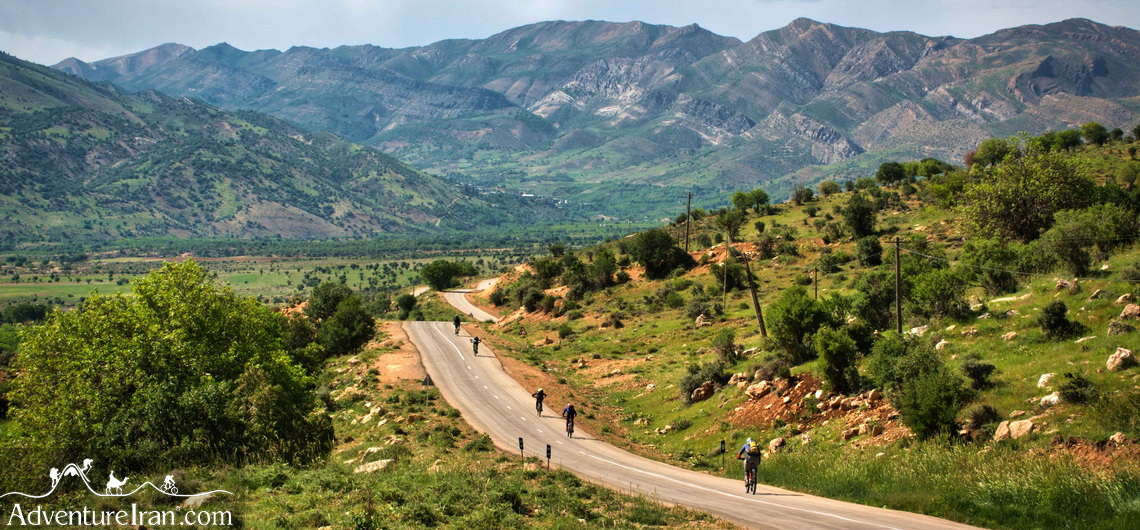
10 Best Cycling Routes in Iran Cycling in Iran is one of the best ways of traveling for active globetrotters. If you are a cyclist and would like to visit Iran, there are numerous destinations on offer. As Iran has a varied climate, you can cycle in mountains, deserts, forests, and the coastal roads of your choice from the Persian Gulf to the Caspian Sea. Due to the vastness of Iran and the different weather conditions from the north to the south, cycling in Iran is possible at any time of the year. In this post, you will read about the best cycling routes in Iran. If you would like to know the Best Cycling Time in Iran, please check the link below: IRAN CYCLING SEASON In urban areas such as Tehran, Shiraz, and Esfahan, there are no exclusive cycling lanes on the roads. The roads are so busy with countless numbers of cars and motorcycles making them unappealing to cyclists. On the one hand, air pollution is an issue, and on the other hand, most of the roads between the cities are highways or motorways. Cycling is not recommended on these roads for safety reasons. If you are interested in cycling from one big city to another, you have to find a minor or back country road. It is often better to exit the highway in urban areas and start your cycling trip using the appropriate back country roads for your cycling tour. Below, you will read about the 10 most beautiful places for cycling in Iran: 1. Cycling in Lavasanat Lavasanat district is a Tehran countryside region, 40 km outside the capital. It is located in the northeast of Tehran in the Central Alborz Mountains taking only 40 minutes to reach by driving on a mountainous
10 Best Cycling Routes in Iran Cycling in Iran is one of the best ways of traveling for active globetrotters. If you are a cyclist and would like to visit Iran, there are numerous destinations on offer. As Iran has a varied climate, you can cycle in mountains, deserts, forests, and the coastal roads of
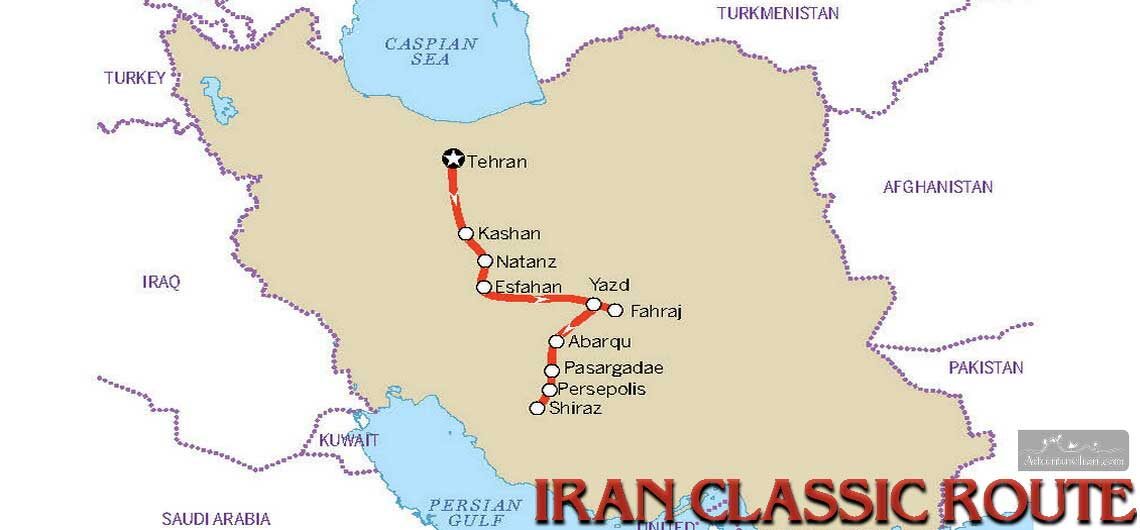
Iran Classic Route The word CLASSIC got more and more popular as Lonely Planet’s travel guide books used it for all of their main destinations and routes around the globe. Most travelers, who had limited time for their holiday, preferred to follow this route to visit the most famous parts of each country. For such a huge country like Iran, the Classic route covers only a fraction of it. Iran Classic route includes 5 Major Tourist Destinations of Tehran, Kashan, Esfahan, Yazd, and Shiraz which are the most well-known tourist destinations in Iran and are stretched across a straight line from Tehran, in the southern part of the Caspian Sea, toward Shiraz, in the northern part of the Persian Gulf. This ancient Persian travel route passes by 7 of UNESCO’s World Heritage Sites out of the 30 Iran's UNESCO Sites which are among the most popular cultural and historical attractions in Iran. The route is the most popular travel itinerary during the spring season and is on the Best Iran Tours list. It is possible to explore the Iran Classic route and most of Iran’s highlights in two weeks, but you have to move fast. Most travelers start this route from Tehran but some of them choose to start it from Shiraz. If you have even less time than two weeks to visit Iran, we recommend you fly to Tehran and eventually fly out of Shiraz or vice versa. The best time to follow this route is between March-May which is Iran’s high season when the weather is perfect for all cities. The majority of travelers visit Iran during this period. Moreover, autumn (during September and November) is another ideal season for those who would like to join the Classic route. For those who would like to
Iran Classic Route The word CLASSIC got more and more popular as Lonely Planet’s travel guide books used it for all of their main destinations and routes around the globe. Most travelers, who had limited time for their holiday, preferred to follow this route to visit the most famous parts of each country. For such
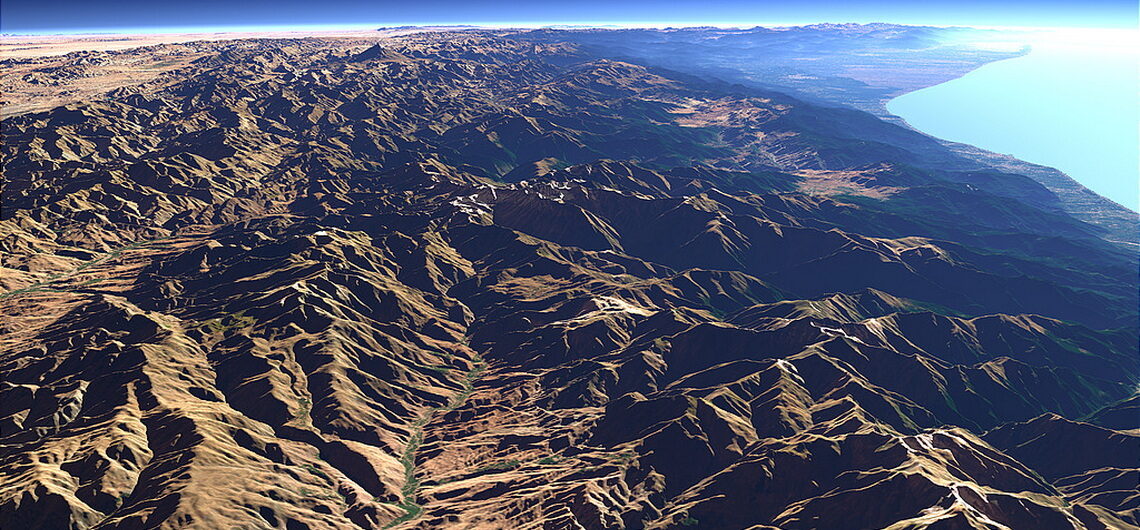
Iran's Most Famous Mountains and High Peaks Iran has a long list of mountains above 4000m in different regions in the Alborz and Zagros ranges. Surprisingly, even in the deserts of Iran, there are many mountains above 3000 m plus a few famous mountains above 4000m. Moreover, along these two long mountain ranges, there are numerous special regions such as Dasht-e Lut or Sistan and Baluchistan province embracing some mountains which are not well known to travelers. They have an ideal climate, perfect for a winter ascend. It is impossible to list all of Iran’s mountains here. We have chosen only a few of them for adventurous travelers who would like to specifically experience Iran’s mountains. We considered many factors to create the list below from more than 100 mountain names that local climbers generally choose for their various activities. We appraised the combination of the mountains’ altitude, the levels of difficulty, accessibility, special regions, protected areas, exquisite landscapes, and Off the Beaten Track, to cover a multitude of activities bearing in mind the best season for each activity to cover the whole year. Besides, our 20 years' experience of performing a lot of tours in different regions of Iran was another important aspect as to why we have chosen these specific mountains in our Iran’s Most Famous Mountains and High Peaks List. According to your travel time in Iran and your level of fitness, we have special offers for you. Also included are popular activities such as Trekking, Mountain Biking, and Ski-touring. The list has been prepared by Adventure Iran’s mountain guides’ team. It reflects our point of view of what we think is just right for you. Certainly, there are a lot of other mountains which are not listed in our famous mountains of Iran. If you are looking
Iran’s Most Famous Mountains and High Peaks Iran has a long list of mountains above 4000m in different regions in the Alborz and Zagros ranges. Surprisingly, even in the deserts of Iran, there are many mountains above 3000 m plus a few famous mountains above 4000m. Moreover, along these two long mountain ranges, there are numerous
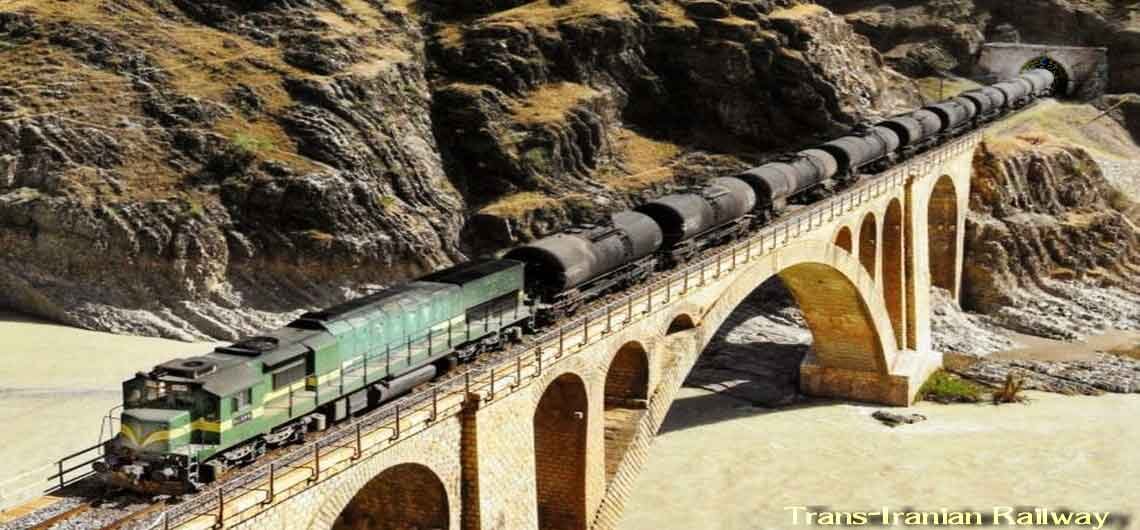
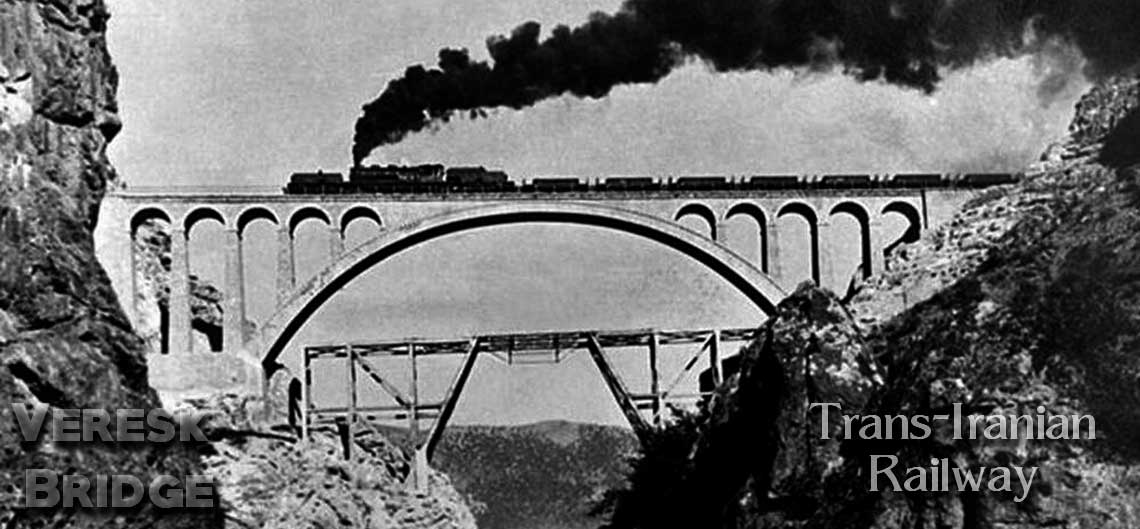
Trans-Iranian Railway 25th Iranian UNESCO World Heritage site (Reg. June 2021) One of the forgotten tourist attractions in Iran was traveling by train and passing through scenic areas with different climates and spectacular sceneries. Thanks to joining the UNESCO World Heritage List in June 2021 with the help of Iran's Cultural Heritage Organization, it can be brought back to life. Iran has many routes on its railway lines, with each of them having different historical, cultural, and tourism aspects, connecting all cities and villages of this vast country differently. One of the lines that is of great global importance is the Trans-Iranian Railway which is the northeast to the southwest line connecting the Caspian Sea to the Persian Gulf. The length of this long railway is about 1,394 km, which is one of the most strategic railways in Iran, passing through four completely different climatic regions, including the Caspian Sea, the huge forests of Hyrcanian (UNESCO Natural site), Iran Mountain ranges (Alborz and Zagros ranges), rivers, highlands, plains and a desert (Dasht-e Kavir), Persian Caravanserai in the Ancient Silk Road and ending in the Persian Gulf which is a totally different story from all of the mentioned climates. Along with this climate change, the diversity of ethnicities, cultures, customs, traditions, and languages of all these regions are highlights of this long route, especially for travelers who are interested in getting in touch with the locals and curious about new cultures and lifestyles. The Trans-Iranian railways construction started in 1927 and ended in 1938. It is famous for its vastness and the workmanship required to overcome the difficulties along the way. It was a joint work between the Iranians and 43 contractors from all around the world. They made about 174 large bridges, 224 tunnels (and 11 spiral tunnels), and
Trans-Iranian Railway 25th Iranian UNESCO World Heritage site (Reg. June 2021) One of the forgotten tourist attractions in Iran was traveling by train and passing through scenic areas with different climates and spectacular sceneries. Thanks to joining the UNESCO World Heritage List in June 2021 with the help of Iran’s Cultural Heritage Organization, it can
Two New UNESCO World Heritage Sites of Iran (25 June 2021) Since 1978, every year, UNESCO picks a number of World Heritage Sites for their "outstanding universal value" in the two sections of cultural and natural sites. This year in June 2021, UNESCO has picked two Iran Heritage Sites for the list alongside others from around the world. In 2021, 37 new sites were inscribed on the UNESCO World Heritage list and it was a big week for Iran with two historic sites achieving UNESCO status. Iran UNESCO World Heritage Sites registered in 2021: 1. Iran UNESCO Heritage of Trans-Iranian Railway Iran Railway The first site is an old and long Railway in Iran from the southwest of the country to the northeast of it. This masterwork of engineering covers 1,394 kilometers, from the Caspian Sea to the Persian Gulf, and goes through 4 different climate regions and two mountain ranges (Alborz & Zagros), Tehran (Capital), Hyrcanian Forests, and Iran plateau, that are home to people from various ethnic and linguistic backgrounds. The railway is now the 25th Iranian title on the World Heritage List. That makes the country one of the richest in the world in terms of protecting cultural heritage. With this new UNESCO site, Iran becomes the fifth country in the world with a railway designated as a world heritage site. The name of this famous North-South Railway is Rah-Ahan Shomal-Jonub in Persian. It was completed in 1938, after 11 years of construction, which involved massive works on mountains and terrains up and down the country. 2. Cultural Landscape of Hawraman/Uramanat The second UNESCO site is Hawraman cultural landscape which is the 26th Iranian UNESCO World Heritage site. Hawraman is located in the Kurdistan and Kermanshah provinces of Iran, on the western border
Two New UNESCO World Heritage Sites of Iran (25 June 2021) Since 1978, every year, UNESCO picks a number of World Heritage Sites for their “outstanding universal value” in the two sections of cultural and natural sites. This year in June 2021, UNESCO has picked two Iran Heritage Sites for the list alongside others from