
Abyaneh Village
A Living Museum of Persian Heritage
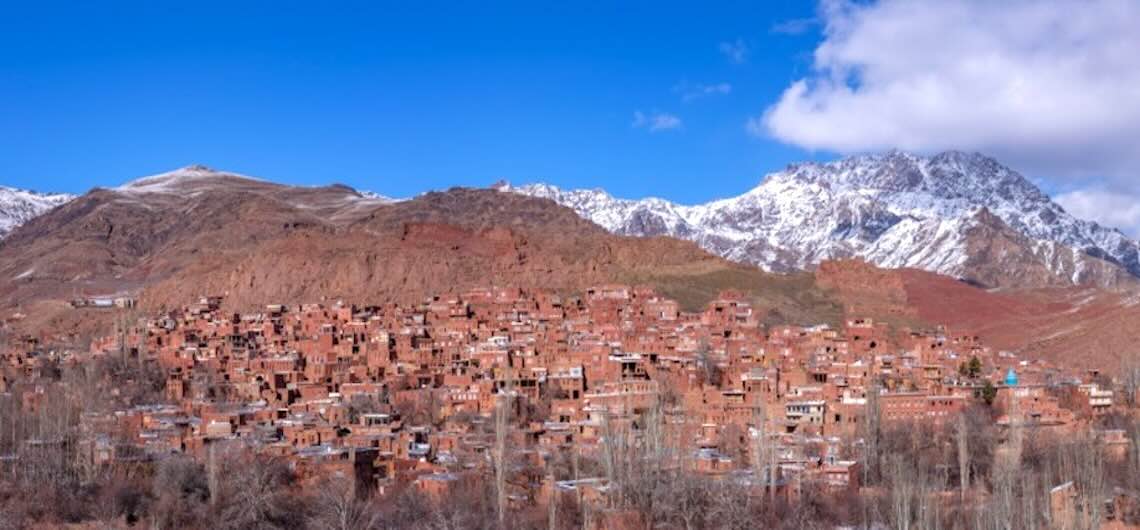
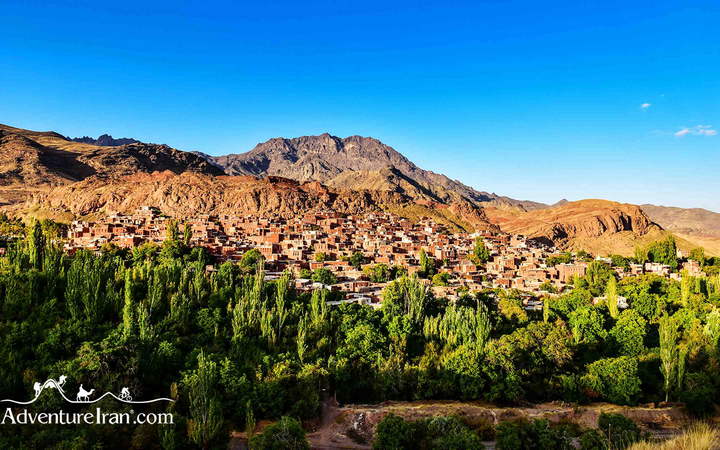
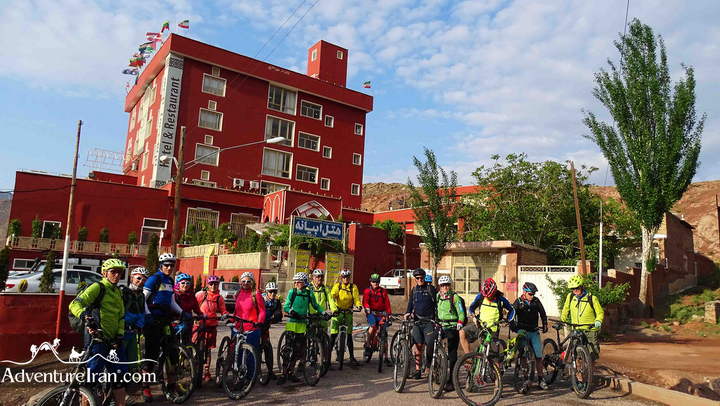
Nestled in the foothills of the Karkas Mountains in Isfahan Province, the village of Abyaneh is one of Iran’s most fascinating and well-preserved historical settlements. Known as the “Red Village” due to its unique red-clay architecture, Abyaneh offers travelers a journey through time, showcasing a way of life that has remained largely unchanged for centuries. With its distinct culture, traditional dress, and rich history, Abyaneh is considered a living museum and one of the most picturesque villages in Iran.
Abyaneh Village Location and Accessibility
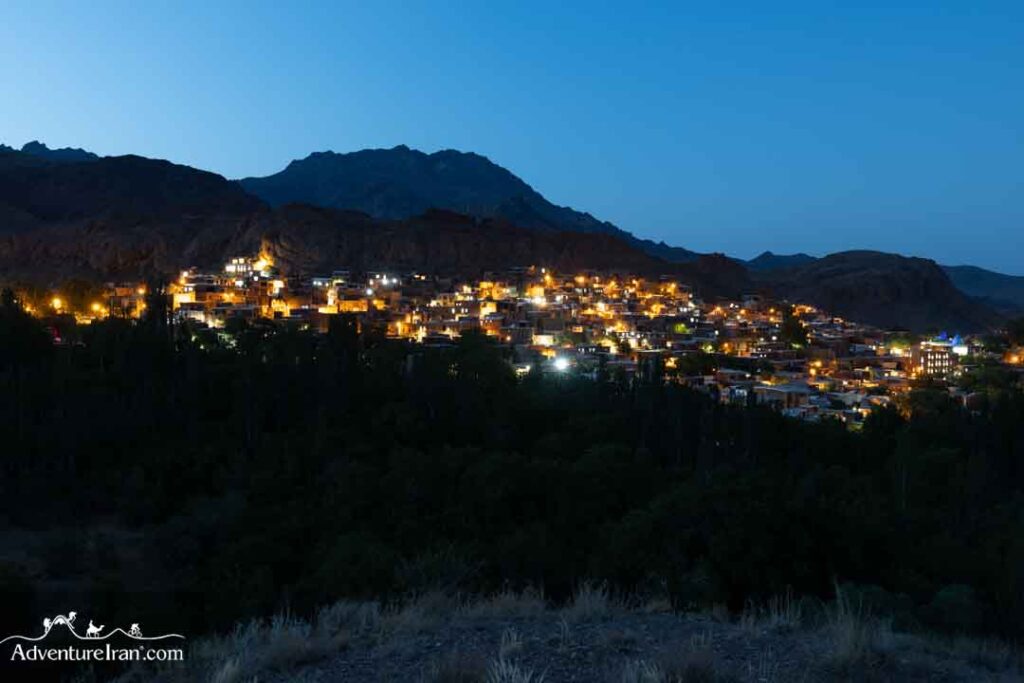
Abyaneh is situated at an altitude of about 2,200 meters above sea level, in the Natanz region of Isfahan Province. It lies approximately 70 km southeast of Kashan and 40 km west of Natanz, making it a perfect detour for those traveling between Isfahan, Kashan, and Tehran. The village is accessible via a scenic road that winds through the mountains, offering breathtaking views of the surrounding landscape.
Due to its high-altitude location, Abyaneh enjoys a cool climate, making it an excellent destination for escaping the summer heat. The best time to visit is during spring and autumn, when the weather is pleasant, and the surrounding mountains are covered in lush greenery or golden autumn leaves.
A Glimpse into Abyaneh’s History
Abyaneh is believed to have been established over 1,500 years ago, with roots stretching back to the Sassanid era(224–651 AD). The village flourished during the Seljuk, Safavid, and Qajar periods, each leaving its mark on Abyaneh’s architecture and traditions. It was a favored summer retreat for Persian royalty, especially during the Safavid dynasty, when Persian kings and noblemen sought refuge in its pleasant climate.
Despite changes in Iran’s urban landscape, Abyaneh has preserved its ancient way of life, language, and traditions. The local dialect, an ancient variant of Persian, includes words and structures that have disappeared from modern Farsi, making it a linguistic treasure for scholars and historians.
Abyaneh village Unique Architecture: The Red Village
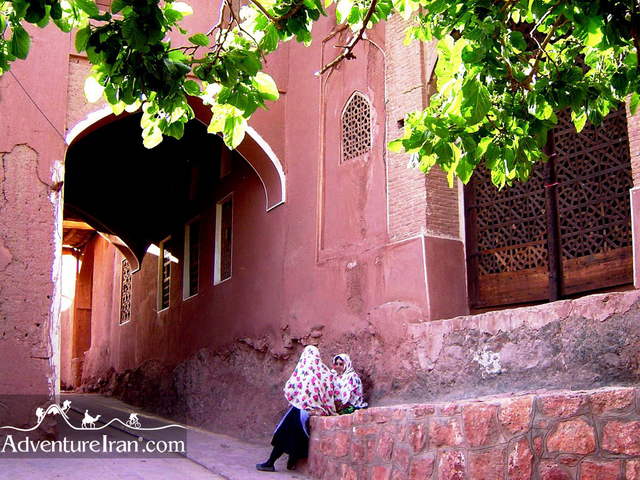
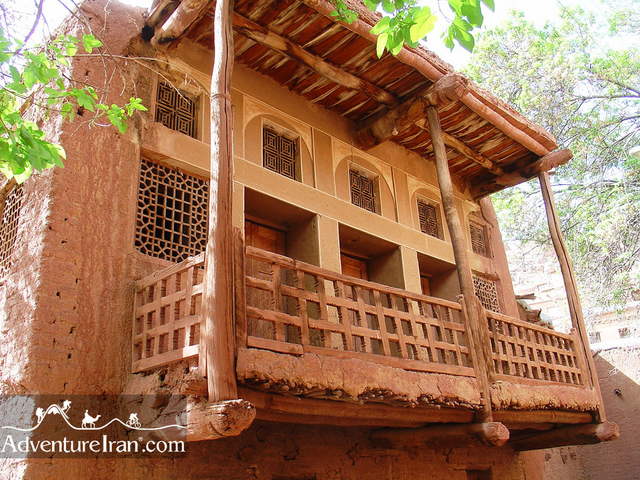
One of Abyaneh’s most striking features is its distinctive red-clay buildings, which give the village a mesmerizing charm. The houses, built on the steep slopes of the mountain, follow a stepped layout, meaning the roof of one house serves as the courtyard of another. This terraced structure is not only aesthetically beautiful but also practical, as it provides stability against earthquakes and maximizes space in the mountainous terrain.
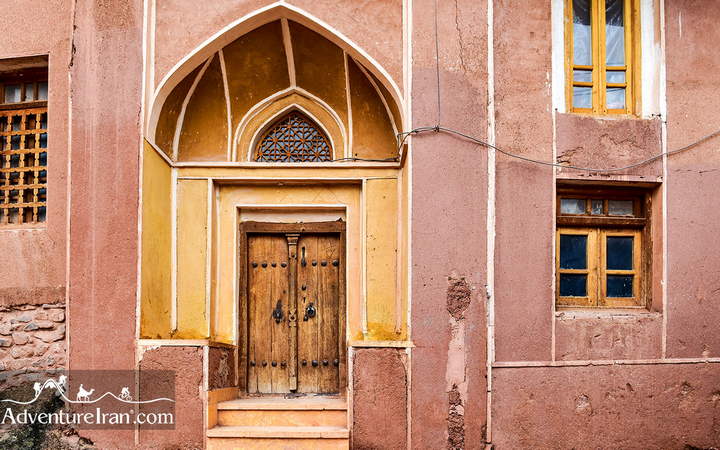
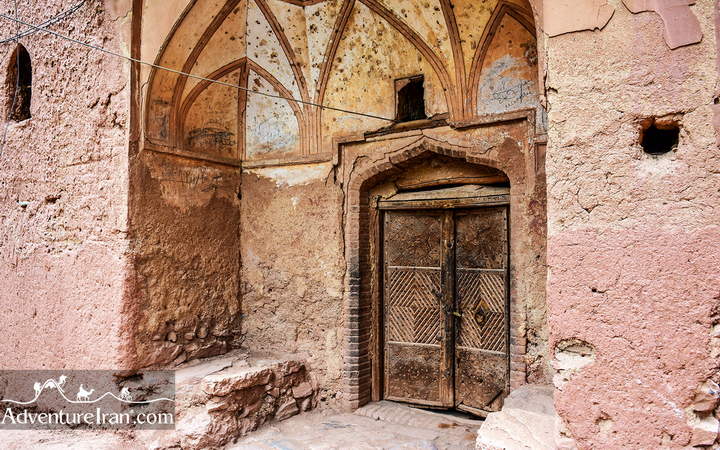
The use of red soil, rich in iron oxide, is characteristic of the region and gives Abyaneh its famous reddish hue. The houses feature wooden lattice windows, carved wooden doors, and verandas with intricate decorations. Many of the homes date back to the Safavid and Qajar periods, showcasing elements of traditional Persian architecture.
Walking through the narrow, winding alleys of Abyaneh feels like stepping back in time. The village has strict building regulations to ensure its heritage is preserved, and modern construction is limited to maintain its authentic charm.
Abyaneh Cultural Heritage and Traditions
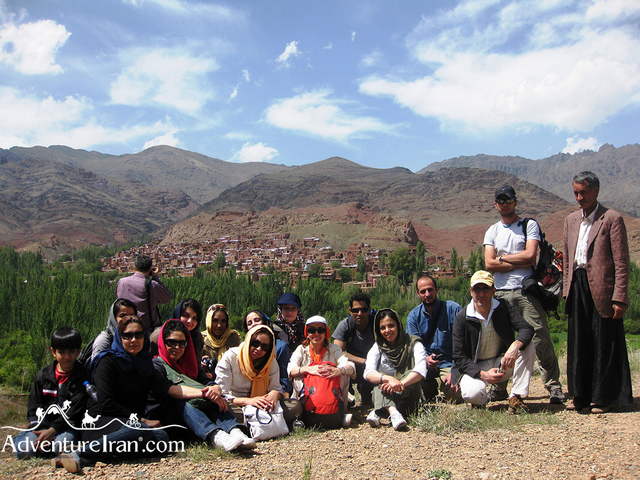
Abyaneh is famous not only for its architecture but also for its rich cultural heritage. The village is home to one of the most distinct and well-preserved traditional Iranian communities. The locals, known as Abyanehans, take pride in their customs, dress, and way of life.
One of the most recognizable aspects of Abyaneh’s culture is the traditional attire worn by both men and women. The women wear colorful floral-patterned dresses with white headscarves, a style that has remained unchanged for centuries. The men wear wide trousers and felt hats, reflecting a historical fashion unique to the region. Unlike many other parts of Iran, where modern clothing has replaced traditional dress, Abyaneh’s residents continue to wear their historical garments as a symbol of their identity.
The village hosts traditional celebrations and festivals, particularly during Nowruz (Persian New Year) and other national and religious events. These festivals offer visitors a glimpse into ancient Persian customs, music, and dance that have been preserved for generations.
Key Attractions in Abyaneh
1. The Jameh Mosque of Abyaneh
This historic mosque, dating back to the Seljuk period (11th century), features a beautifully carved wooden Mihraband inscriptions that showcase Abyaneh’s deep Islamic heritage.
2. Zoroastrian Fire Temple (Harpak Fire Temple)
Abyaneh is believed to have been home to Zoroastrians before the spread of Islam. Remnants of an ancient Zoroastrian fire temple, known as Harpak Fire Temple, still stand in the village, offering insight into its pre-Islamic history.
3. The Shrine of Hojat Ibn Al-Hassan
This Safavid-era shrine is a popular pilgrimage site in Abyaneh, adorned with traditional blue tilework and Persian calligraphy.
4. Ancient Fortresses
Abyaneh has several historical fortresses, such as the Palace of Deylamian and Yar Castle, which were once used as defensive structures against invaders.
5. Traditional Handicrafts and Souvenirs
Abyaneh is known for its handwoven carpets, kilims, and traditional handicrafts. Visitors can buy souvenirs such as handmade jewelry, wooden carvings, and locally produced dried fruits and herbs.

Why Visit Abyaneh?
- A Unique Historical Experience: Unlike many modernized villages, Abyaneh has remained largely unchanged, offering an authentic look at Persian village life.
- Scenic Beauty: Surrounded by the stunning Karkas Mountains, Abyaneh provides breathtaking landscapes perfect for photography and nature lovers.
- Cultural Immersion: Visitors can interact with locals, witness traditional festivals, and experience a rare Persian dialect.
- Architectural Wonder: The red-clay houses and stepped layout make Abyaneh one of Iran’s most visually distinctive villages.
Muharram in Abyaneh (Ashura & Tasua Ritual)
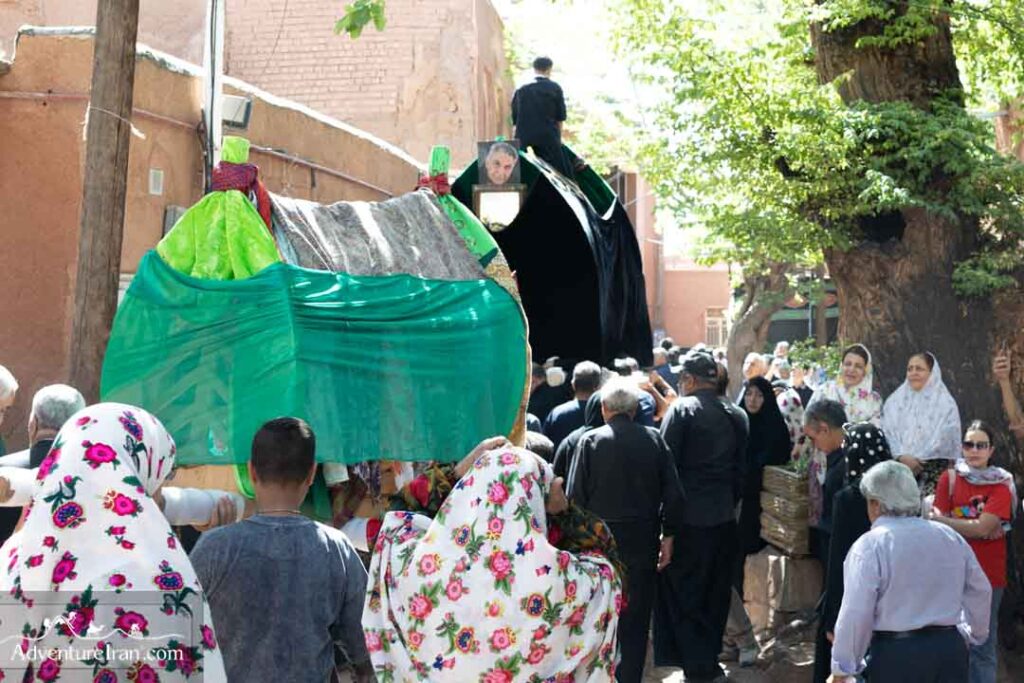
The historic mountain village of Abyaneh, stands as one of the most extraordinary places to witness the rituals of Muharram. During the days of Tasua and Ashura in Abyaneh, the village transforms into a living stage of communal grief, collective memory, and devotion. Through its narrow, red-soiled lanes, time-honored ceremonies unfold—traditions carefully safeguarded and passed down through countless generations of its inhabitants.
Muharram is the first month of the Islamic lunar calendar and holds deep significance for Shia Muslim. Tasua is the ninth day of Muharram. Ashura is the tenth day of Muharram and the culmination of the mourning period.
Final Thoughts
Abyaneh is more than just a village; it is a living piece of Iranian history. Whether you are an adventure traveler, a history enthusiast, or simply someone looking for a unique experience, Abyaneh is a must-visit destination. With its breathtaking landscape, well-preserved traditions, and charming atmosphere, it continues to be one of Iran’s most cherished cultural treasures.
Visiting Abyaneh is like walking into a Persian miniature painting—where every corner tells a story of Iran’s rich and diverse past.
Comments