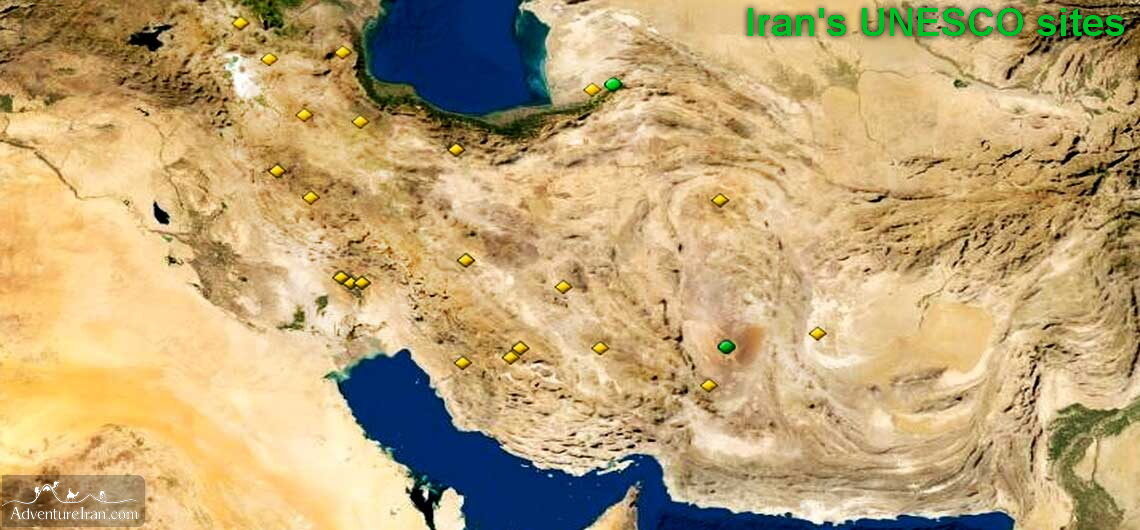
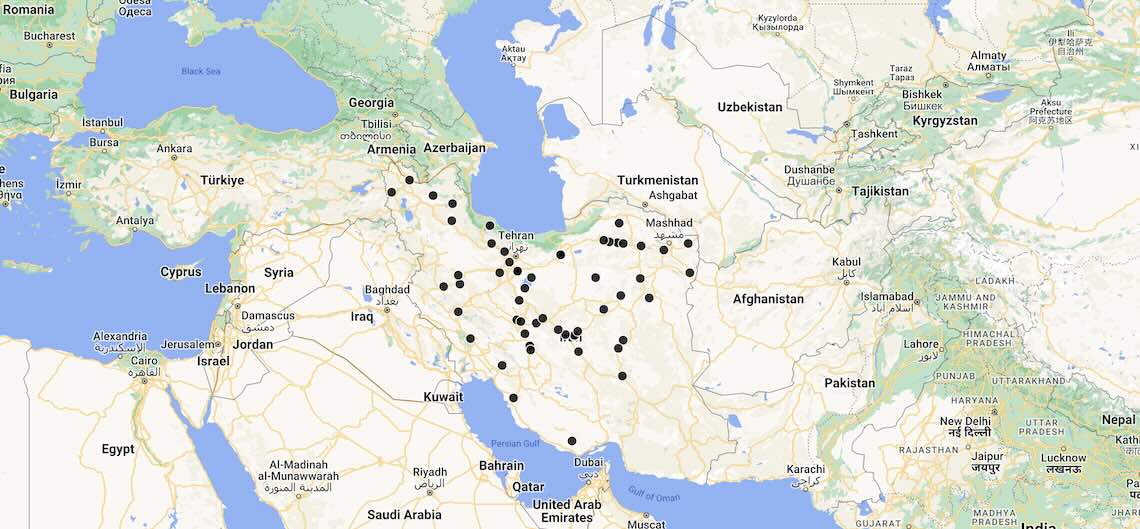
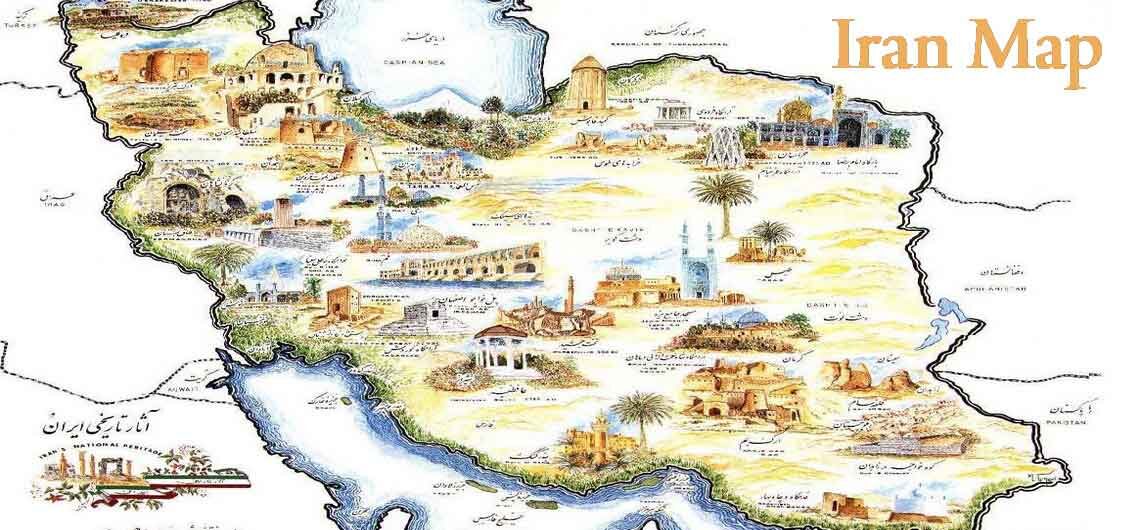
7 Most Famous UNESCO World Heritage Sites in Iran Iran has 29 UNESCO World Heritage Sites as of July 2025. In overall 27 of which are cultural heritage sites and 2 are natural sites. The first Iranian sites registered with UNESCO were Persepolis and Chogha Zanbil, which were registered in 1979. The latest registered sites are the Prehistoric Sites of the Khorramabad Valley registered in July 2025, Hegmataneh registered in July 2024 and the Persian Caravanserai, registered in September 2023 and the Cultural Landscape of Hawraman/Uramanat, registered in June 2021. Iran has proudly secured its place among the top 10 countries with the most UNESCO World Heritage Sites, a remarkable achievement that highlights its rich cultural and natural heritage. With all recognized sites, Iran stands as a testament to millennia of history, from the grandeur of the ancient Persian Empire to the artistic brilliance of the Islamic Golden Age. Iconic landmarks like Persepolis, Naqsh-e Jahan Square, and the Lut Desert showcase the country’s unique blend of architectural mastery, historical significance, and breathtaking natural beauty. This recognition not only underscores Iran’s importance as a global heritage destination but also invites travelers and history enthusiasts to explore its unparalleled treasures. For adventurers seeking to connect with the roots of human civilization, Iran is a must-visit destination that continues to inspire awe and admiration. These 28 Iranian UNESCO sites are located throughout Iran, 7 of which are situated along the Iran Classic Tourism route. The Iran Classic route crosses through 5 main tourist destinations which are Tehran, Kashan, Esfahan, Yazd, and Shiraz. Most travelers start this route in Tehran as the majority of international flights land in the capital, although a minority of visitors commence their trip from Shiraz. There are also a few other international airports in Iran as well as the
7 Most Famous UNESCO World Heritage Sites in Iran Iran has 29 UNESCO World Heritage Sites as of July 2025. In overall 27 of which are cultural heritage sites and 2 are natural sites. The first Iranian sites registered with UNESCO were Persepolis and Chogha Zanbil, which were registered in 1979. The latest registered
Countries with the Most UNESCO World Heritage Sites Are you curious about which countries are home to the most UNESCO World Heritage Sites? Here’s a guide to the top 10 nations rich in cultural and natural wonders. If you’re seeking remarkable destinations to explore, focusing on UNESCO World Heritage Sites is a fantastic idea, as these locations represent some of the world’s most awe-inspiring treasures. As of 2024, there are 1,223 designated sites worldwide, meticulously selected by the World Heritage Committee based on strict cultural and natural criteria. Below is a list of the countries with the most World Heritage Sites, highlighting Iran as a key heritage destination. 1. Iran (29 Sites) Iran with the highest number of UNESCO World Heritage Sites in Central Asia and ranking 10th globally, Iran stands as a testament to the extraordinary achievements of both nature and humanity. This land of wonders transcends generations, environments, and dynasties, offering a treasure trove of cultural and natural marvels. From the shimmering shores of the Gulf of Oman to the lush landscapes near the Caspian Sea and the historic depths of the Persian Gulf, Iran’s 29 UNESCO sites invite you on an endless journey of discovery. Even a month of exploration would only begin to unveil the profound beauty and legacy of this ancient land. As of 2025, Iran boasts 29 UNESCO World Heritage Sites, including 27 cultural and 2 natural. This year, The Prehistoric Sites of the Khorramabad Valley in Lorestan Province (west of IRan) and last year Hegmataneh, known historically as Ecbatana, was added to the list. Located in Hamadan, it dates back to the Medes period. Persepolis, built in the 6th century BCE by Darius the Great, is a monumental complex that showcases the grandeur of the Persian Empire, recognized as a World Heritage Site
Countries with the Most UNESCO World Heritage Sites Are you curious about which countries are home to the most UNESCO World Heritage Sites? Here’s a guide to the top 10 nations rich in cultural and natural wonders. If you’re seeking remarkable destinations to explore, focusing on UNESCO World Heritage Sites is a fantastic idea, as
Persian Caravanserai Iran’s UNESCO world heritage site Introduction The Persian Caravanserai is one of the recent Iranian UNESCO world heritage sites to be inscribed on the new list of world heritage sites on September 2023. Iran now has 27 UNESCO-listed historical sites, including 54 Iranian Caravanserais located all over the country. Iran belongs on the list of the top 10 countries which have the most world heritage sites. Persian Caravanserai history The earliest caravanserais in Iran were built during the Achaemenid era (550 - 330 BC). Centuries later, when Shah Abbas I assumed power from 1588 to 1629, he ordered the construction of a network of caravanserais across the country. Such roadside inns were once constructed along ancient caravan routes in the Muslim world to shelter people, their goods, and animals. The former Silk Road may well have the most famous examples of caravanserais dotted along the route. Persian Caravanserai usages The Persian Caravanserai, where a lot of historical monuments were discovered in Iran, represent the way of travelling in desert regions before modern roads and railways existed. Caravanserais were roadside inns, providing shelter, food and water for caravans, pilgrims and other travellers. The routes and the locations of the caravanserais were determined by the presence of water, geographical conditions and security concerns. Connection of Caravanserai with the Silk Road The Caravanserai were built as road stations along trade routes, (such as the Silk Road), and pilgrimage routes. Their design evolved over the centuries, from the Sassanian to the Qajar period, which also varied due to the geographic setting. Meaning of the caravanserai and the architecture Caravanserai or caravansary is a compound word combining “caravan” with “sara”; CARAVAN stands for a group of travellers and SARA means the building and place to rest. They often
Persian Caravanserai Iran’s UNESCO world heritage site Introduction The Persian Caravanserai is one of the recent Iranian UNESCO world heritage sites to be inscribed on the new list of world heritage sites on September 2023. Iran now has 27 UNESCO-listed historical sites, including 54 Iranian Caravanserais located all over the country. Iran belongs on the
Persian Caravanserais Inscribed on UNESCO’s World Heritage List The Persian Caravanserais, designated as UNESCO World Heritage Sites, stand as enduring testaments to the rich history and cultural significance of Iran's ancient trade routes. These architectural marvels served as vital hubs along the Silk Road, facilitating trade and commerce between the East and West for centuries. Built during the Safavid and Qajar periods, Persian caravanserais were strategically located along major trade routes, providing shelter, sustenance, and security to merchants, travelers, and their livestock. These expansive complexes typically featured a central courtyard surrounded by covered passageways, stables, lodging quarters, and amenities such as baths, mosques, and markets. The design of Persian caravanseraisreflected the ingenuity of their creators, with sturdy walls, domed ceilings, and intricate tilework that showcased the artistic prowess of Iran's craftsmen. Despite their utilitarian function, these structures exuded a sense of grandeur and hospitality, offering weary travelers a respite from the rigors of the road. Today, many Persian caravanserais have been restored and repurposed for modern use, serving as cultural centers, museums, and boutique hotels that provide visitors with a glimpse into Iran's rich past. By preserving these historic landmarks, UNESCO honors the legacy of the Silk Roadand celebrates the enduring spirit of cross-cultural exchange and cooperation that defined this ancient trade network. Here are the most famous ones still standing today: 1. Zein-o-din Caravanserai (Yazd Province) Why Famous: A perfectly circular, 16th-century desert caravanserai restored into a boutique hotel. UNESCO Status: Part of Iran’s Serial Nomination of Caravanserais (2023). Experience: Sleep under starry skies just like Silk Road merchants did 400 years ago. 2. Shah Abbasi Caravanserai (Meybod, Near Yazd) Why Famous: A massive mud-brick complex with a bazaar, icehouse (yakhchal), and pigeon tower. Highlight: Its strategic location on the Isfahan-Yazd route made it a vital trade
Persian Caravanserais Inscribed on UNESCO’s World Heritage List The Persian Caravanserais, designated as UNESCO World Heritage Sites, stand as enduring testaments to the rich history and cultural significance of Iran’s ancient trade routes. These architectural marvels served as vital hubs along the Silk Road, facilitating trade and commerce between the East and West for
Ten Useful Tips for Traveling to Iran As one of the ancient cradles of civilization, Iran is a vast country embracing various climatic conditions, ethnic groups, and cultures. The variety in attractions, number of UNESCO Sites, landscapes, traditions, customs, and activities is so amazing that may make you bewildered. If you wish to travel to Iran for the first time or you are a tour operator thinking about adding Iran as a destination to your tour list, there might be a long list of different topics that you have to know before preparing your travel itinerary to Iran. There may also be many questions in your mind, and sometimes it is hard to find the right answer or source of information altogether. So, you had better know about some useful tips before traveling to Iran. Questions about how to get an Iran visa, when is the best time for traveling to Iran, what to visit in Iran, how to wear as a female traveler in Iran, and how and where to exchange currency in Iran are some of the questions that come first to the first-time travelers’ minds. In this travel advice and post, we create the most popular topics that you have to know to lead you through a good path for preparing your package for this authentic traveling destination. Here read about the ten essential tips for traveling to Iran: 1. Visa Information 2. Covid Latest Information and Travel Requirements 3. Iran Weather and Climate for Traveling 4. Iran Best Tourist Destinations 5. Iran’s Most Famous UNESCO Sites for Visit 6. Classic Iran – Famous Traveling Route for First Visitors: 7. Best Time to Visit Iran 8. Best Traveling Time for Different Activities 9. Dress Code 10. Iran Currency (Iranian Rials)
Ten Useful Tips for Traveling to Iran As one of the ancient cradles of civilization, Iran is a vast country embracing various climatic conditions, ethnic groups, and cultures. The variety in attractions, number of UNESCO Sites, landscapes, traditions, customs, and activities is so amazing that may make you bewildered. If you wish to travel to
Iran Top 10 Off the Beaten Paths You Should Visit! Iran is a vast country with a wealth of impressive tourist attractions. You will be amazed at the long list of famous destinations on the Classical Route of Iran, the UNESCO world heritage sites, the most famous Off the Beaten Track villages, and the most famous tourist villages of Iran. But you may still wish to add other exciting destinations to your Iran Adventure tour. Iran off the beaten paths could be the best option if you are interested in a thrilling adventure. Iran offers many untraveled routes for explorers around the world. You may not know much about these paths, but they are filled with cultural and natural attractions, scenic sceneries, and the potential for lots of exhilarating activities such as photography, biking, mounting, and trekking, as well as boating and other sea activities. Since these off the Beaten Paths are scattered in various districts with different climatic conditions, the time of the visit varies in different seasons or months. Traveling through these paths, you will enjoy an authentic experience of less-known parts of Iran. Besides picturesque landscapes in different seasons, as well as cultural, historical, and even ancient sites, you will have the opportunity to socialize with rural people whose hospitality is well-known among all tourists who traveled to these Off the Beaten Paths of Iran. Here is a list of Iran's top 10 Off the Beaten Paths you should visit during your Iran’s tailor-made journey: 1. Shush (Susa), Khuzestan Province A Journey to Iran’s Ancient Capital Shush, known historically as Susa, is one of the oldest cities in the world and a hidden gem in southwestern Iran. Once the capital of the Elamite Empire and later a significant city during the Achaemenid dynasty, it boasts a
Iran Top 10 Off the Beaten Paths You Should Visit! Iran is a vast country with a wealth of impressive tourist attractions. You will be amazed at the long list of famous destinations on the Classical Route of Iran, the UNESCO world heritage sites, the most famous Off the Beaten Track villages, and the most
Iran 5 Best Touristic Destinations In this article, you can read about Iran best touristic destinations and all the activities you can do in them in detail. These tourist cities are in the most popular travel itinerary of travellers during the spring season and is on the Best Iran Tours list. Iran has proudly secured its place among the top 10 countries with the most UNESCO World Heritage Sites, a remarkable achievement that highlights its rich cultural and natural heritage. Iran, with 28 UNESCO world heritage sites, (as of JULY 2024), is the tenth country in the world with regard to the number of such sites. Contrary to the perception of many tourists who haven’t read about Iran, it’s too much to even see its major highlights in a month. For this reason, most travelers prefer to make the main touristic cities of the country their main priority which includes Tehran, Kashan, Esfahan, Yazd, and Shiraz. Also, Lonely Planet’s travel guide book, which is a reference for many travelers, has chosen these cities for Iran’s first-time visitors. Also, Lonely Planet uses the term “CLASSIC” to describe a short travel itinerary for each country where travelers wish to visit a famous site. CLASSIC IRAN route is an overland journey that includes the main 5 urban tourist destinations of Tehran, Kashan, Esfahan, Yazd, and Shiraz with 7 UNESCO World Heritage Sites along with a couple of other attractions on the route. You need two weeks to visit these 5 major cities but depending on the holiday time you have available, the season of travel and your interests, you may want to extend your visit to see more attractions or even if time is a problem, make it shorter. Along with the historical and cultural attractions of this major cities, this route
Iran 5 Best Touristic Destinations In this article, you can read about Iran best touristic destinations and all the activities you can do in them in detail. These tourist cities are in the most popular travel itinerary of travellers during the spring season and is on the Best Iran Tours list. Iran has proudly secured
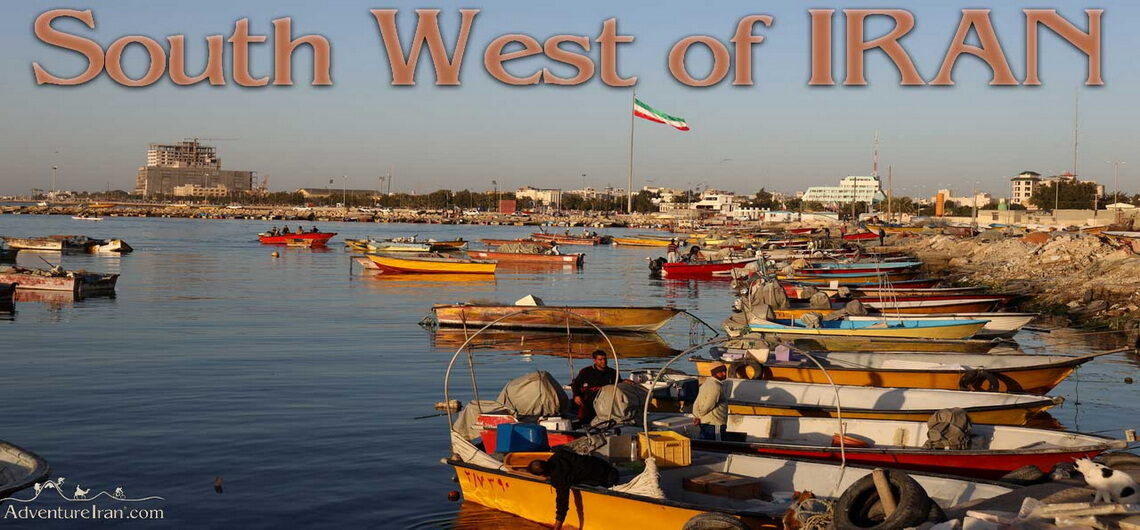
South West of Iran The video is about a special expedition journey to south west of Iran with Adventure Iran colleagues who came from France. They had two intensive weeks starting from the capital and after having cooking classes in Tehran, took a first class night train to Shiraz. Our guests have been to Iran before and they explored Iran Classic destinations, So on this trip they visited some unexplored parts of Shiraz and had another cooking class to learn Shirazian Traditional foods. From there they continued their journey towards Bishapur which was an ancient city in Sassanid Persia and the Ruins of Shapour Palace. The ruins and the site were registered on the list of UNESCO sites in 2018, and then continued towards Bushehr which is one of the unreachable Off the Beaten Tracks in Iran and spent a couple of nights there. The fish market, old Bazaar and historical part of the town with exceptional architecture are the most attractive parts of the city that needed to be visited. They continued the trip through the coastal road towards the west and visited a lot of attractions on their way to Genaveh. The amazing view of the Persian Gulf, the date trees and Siraaf town (Iran’s historical sea port) were some of the places they saw. In Genaveh they had a boat trip through the sea port and saw a couple of old boats which were for fishing and the old fresh market is one of the must see in this region. They also had an unforgettable trek through a canyon near the beach which was superb as it had an amazing view of the sunset on the Persian Gulf. With a night bus towards Ahvaz and a short ride they reached Shooshtar which is famous for
South West of Iran The video is about a special expedition journey to south west of Iran with Adventure Iran colleagues who came from France. They had two intensive weeks starting from the capital and after having cooking classes in Tehran, took a first class night train to Shiraz. Our guests have been to Iran
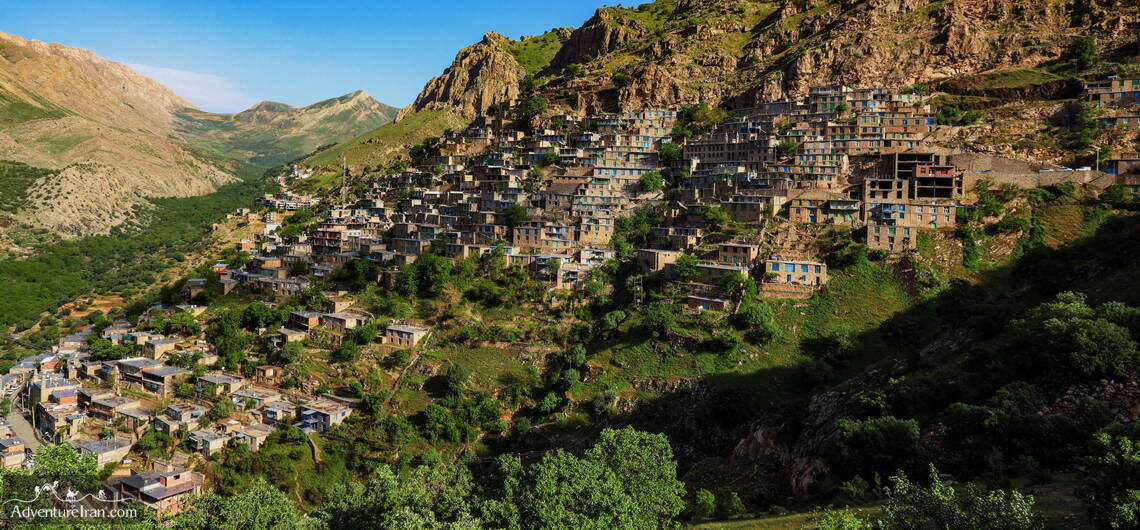
Iranian UNESCO Site of Hawraman (Uramanat) Hawraman (or Uramanat) is the name of a historical valley located in the mountains shared between the two provinces of Kurdistan and Kermanshah in the west of Iran. Uraman is the Kurdish word for Hawraman which is pronounced Huraaman. Generally, in different parts of Iran, it is called Uraman, Uraaman, or Avroman. It means the land of Ahura Mazda (the supreme god in ancient Iranian religion) in ancient Persian language. It is also the name of the mountainous region of Hawraman valley. In June 2021, The Cultural Landscape of Hawraman/Uramanat was inscribed on the UNESCO World Heritage List as the 26th tangible cultural heritage of Iran at the 44th session of the UNESCO World Heritage Committee. This valley, unknown for many years, is one of the main natural/historical attractions of the west of Iran. Along with the long history of the region and Kurdish people, the valley has many villages which have unique stair-like architecture. The villages are special in the way the rural areas house many dense and step-like rows of accommodation in such a way that the roof of each house forms the yard of the upper one, making it an exceptional sight to see. The rich culture of the Hawramani people which is famous for their hospitality is one of the other attractions of Uramanat and makes this destination different from other regions. Since 3000 BCE Kurdish tribes have inhabited the region and lived on the economy based on agro-pastoral activities in this valley. Kurdish people are famous for being the tough guys and they are used to live and survive in the mountains for many years. Hawraman or Uramanat is in the heart of the Zagros Mountains range, one of the two main mountain ranges of Iran, where
Iranian UNESCO Site of Hawraman (Uramanat) Hawraman (or Uramanat) is the name of a historical valley located in the mountains shared between the two provinces of Kurdistan and Kermanshah in the west of Iran. Uraman is the Kurdish word for Hawraman which is pronounced Huraaman. Generally, in different parts of Iran, it is called
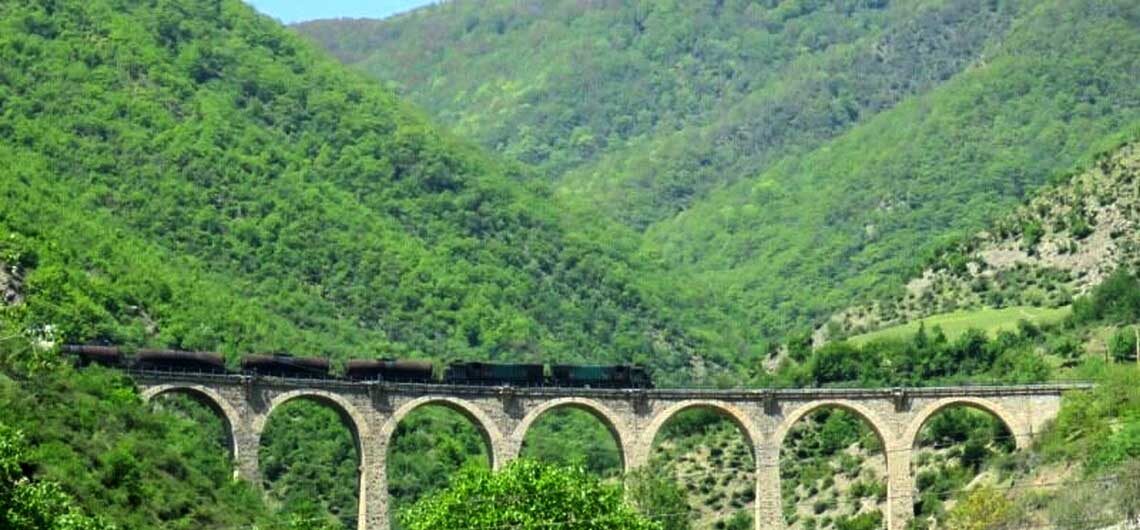
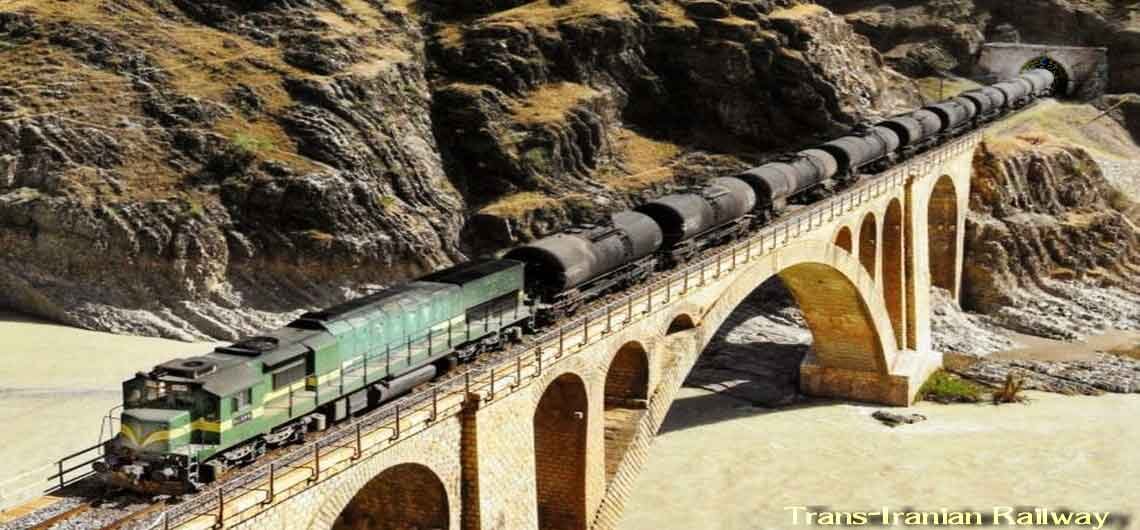
Trans-Iranian Railway 25th Iranian UNESCO World Heritage site (Reg. June 2021) One of the forgotten tourist attractions in Iran was traveling by train and passing through scenic areas with different climates and spectacular sceneries. Thanks to joining the UNESCO World Heritage List in June 2021 with the help of Iran's Cultural Heritage Organization, it can be brought back to life. Iran has many routes on its railway lines, with each of them having different historical, cultural, and tourism aspects, connecting all cities and villages of this vast country differently. One of the lines that is of great global importance is the Trans-Iranian Railway which is the northeast to the southwest line connecting the Caspian Sea to the Persian Gulf. The length of this long railway is about 1,394 km, which is one of the most strategic railways in Iran, passing through four completely different climatic regions, including the Caspian Sea, the huge forests of Hyrcanian (UNESCO Natural site), Iran Mountain ranges (Alborz and Zagros ranges), rivers, highlands, plains and a desert (Dasht-e Kavir), Persian Caravanserai in the Ancient Silk Road and ending in the Persian Gulf which is a totally different story from all of the mentioned climates. Along with this climate change, the diversity of ethnicities, cultures, customs, traditions, and languages of all these regions are highlights of this long route, especially for travelers who are interested in getting in touch with the locals and curious about new cultures and lifestyles. The Trans-Iranian railways construction started in 1927 and ended in 1938. It is famous for its vastness and the workmanship required to overcome the difficulties along the way. It was a joint work between the Iranians and 43 contractors from all around the world. They made about 174 large bridges, 224 tunnels (and 11 spiral tunnels), and
Trans-Iranian Railway 25th Iranian UNESCO World Heritage site (Reg. June 2021) One of the forgotten tourist attractions in Iran was traveling by train and passing through scenic areas with different climates and spectacular sceneries. Thanks to joining the UNESCO World Heritage List in June 2021 with the help of Iran’s Cultural Heritage Organization, it can