Mount Sabalan Iran’s Sacred Volcanic Summit Mount Sabalan, located in Ardabil Province in northwestern Iran, is the country’s third highest peak, and third tallest volcanoes in Asia standing at 4,811 meters (15,784 feet). This majestic mountain is an extinct stratovolcano, known not only for its challenging trekking routes but also for its breathtaking landscapes and spiritual aura. At its summit, trekkers are rewarded with a spectacular crater lake, frozen for most of the year, which adds a surreal beauty to the high-altitude experience. The mountain’s volcanic nature has shaped its dramatic terrain—featuring lava flows, rocky outcrops, and hot springs scattered throughout the region. These geothermal features, along with the clear skies and alpine flora, make Sabalan a unique destination for nature lovers, adventure seekers, and mountaineers. The slopes are dotted with wildflowers in spring and summer, turning the area into a natural paradise for trekking, photography, and wildlife observation. Trekking Mount Sabalan does not require technical climbing skills in the summer months, but due to its elevation, proper acclimatization is strongly recommended. Adventure Iran offers short trekking tours to Sabalan, suitable for those who want to experience high-altitude trekking in Iran without the need for heavy mountaineering equipment. The normal route to the summit starts from the Shabil hot spring area, where trekkers can enjoy a relaxing soak before or after their climb. Beyond its natural beauty, Sabalan is considered a sacred mountain by locals. Legends connect it with ancient Persian mythology and spirituality. Many believe that the prophet Zoroaster meditated on its slopes, and the mountain has long been a symbol of endurance and purity for the people of the region. So far, not too many foreign climbers choose this pinnacle as it is in the northwest corner of the country, far from the capital. However, it certainly
Mount Sabalan Iran’s Sacred Volcanic Summit Mount Sabalan, located in Ardabil Province in northwestern Iran, is the country’s third highest peak, and third tallest volcanoes in Asia standing at 4,811 meters (15,784 feet). This majestic mountain is an extinct stratovolcano, known not only for its challenging trekking routes but also for its breathtaking landscapes
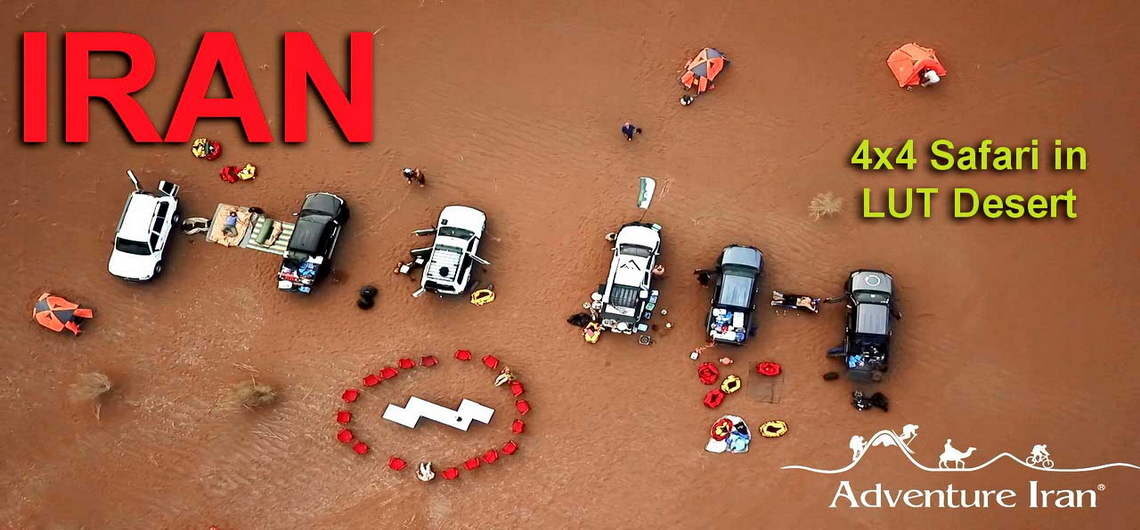
4X4 Safari in Dasht-E Lut desert The clip is an adventurous 4x4 desert safari in the heart of Dasht-e Lut desert that we arranged for an Italian group, performed in November of 2018. Dasht-e Lut is one of the two main deserts which are located in the south east of Iran, it's one of the most beautiful Iranian attractions for travelers who are looking for a bit of sun and heat. Lut is a natural world heritage site registered in the UNESCO list of Iran in 2016. Back to the video, The Journey was a 5 days expedition desert tour with jeeps inside Dasht-e Lut desert to visit the most attractive places of this beautiful desert. Dasht-e Lut’s Lut plain is very large with an area of about 2,278,015 ha which covers nearly three provinces of Iran. South Khorasan province is north west, Sistan and Baluchistan province is in the east, and Kerman province is located in south west of Lut desert. The group entered the desert through the north western side in South Khorasan and exited from the south east of the desert in Kerman province and drove an average of 100-200 kilometers per day to explore different sights of the desert and also slept in different regions every night. They mostly camped throughout the journey and our team managed the cooking and setting up the tents. They crossed Rig-e Yalan which as you might know is the famous huge sand hill and Kalouts fantasy city which is a special tight structure of sand created with rain and wind during several hundreds of years. At the end of the trip they reached Shahdad town and from there continued their journey towards Mahan and Kerman city. Hope you enjoy the video, if you like it subscribe to our channel to
4X4 Safari in Dasht-E Lut desert The clip is an adventurous 4×4 desert safari in the heart of Dasht-e Lut desert that we arranged for an Italian group, performed in November of 2018. Dasht-e Lut is one of the two main deserts which are located in the south east of Iran, it’s one of the
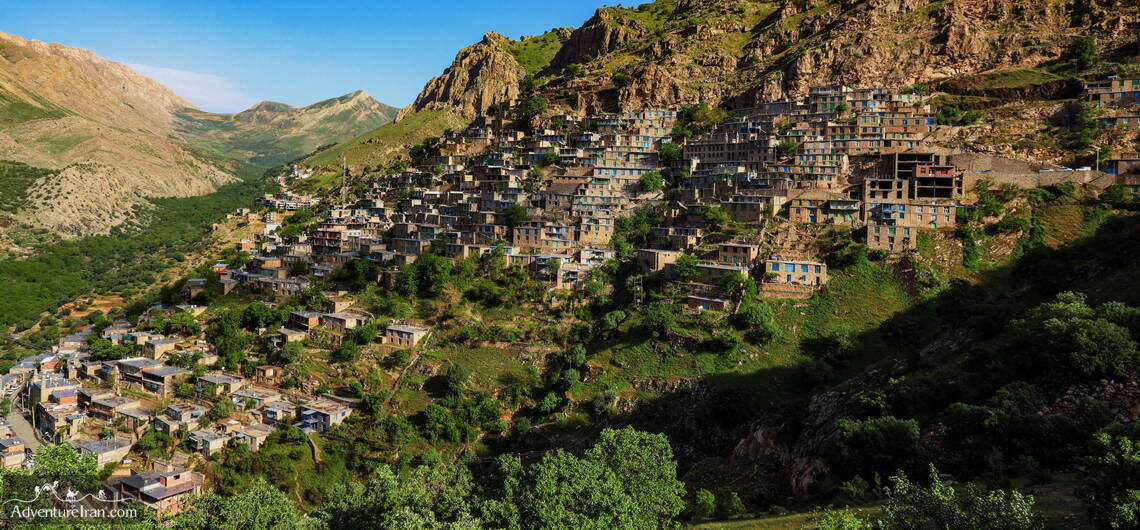
Iranian UNESCO Site of Hawraman (Uramanat) Hawraman (or Uramanat) is the name of a historical valley located in the mountains shared between the two provinces of Kurdistan and Kermanshah in the west of Iran. Uraman is the Kurdish word for Hawraman which is pronounced Huraaman. Generally, in different parts of Iran, it is called Uraman, Uraaman, or Avroman. It means the land of Ahura Mazda (the supreme god in ancient Iranian religion) in ancient Persian language. It is also the name of the mountainous region of Hawraman valley. In June 2021, The Cultural Landscape of Hawraman/Uramanat was inscribed on the UNESCO World Heritage List as the 26th tangible cultural heritage of Iran at the 44th session of the UNESCO World Heritage Committee. This valley, unknown for many years, is one of the main natural/historical attractions of the west of Iran. Along with the long history of the region and Kurdish people, the valley has many villages which have unique stair-like architecture. The villages are special in the way the rural areas house many dense and step-like rows of accommodation in such a way that the roof of each house forms the yard of the upper one, making it an exceptional sight to see. The rich culture of the Hawramani people which is famous for their hospitality is one of the other attractions of Uramanat and makes this destination different from other regions. Since 3000 BCE Kurdish tribes have inhabited the region and lived on the economy based on agro-pastoral activities in this valley. Kurdish people are famous for being the tough guys and they are used to live and survive in the mountains for many years. Hawraman or Uramanat is in the heart of the Zagros Mountains range, one of the two main mountain ranges of Iran, where
Iranian UNESCO Site of Hawraman (Uramanat) Hawraman (or Uramanat) is the name of a historical valley located in the mountains shared between the two provinces of Kurdistan and Kermanshah in the west of Iran. Uraman is the Kurdish word for Hawraman which is pronounced Huraaman. Generally, in different parts of Iran, it is called
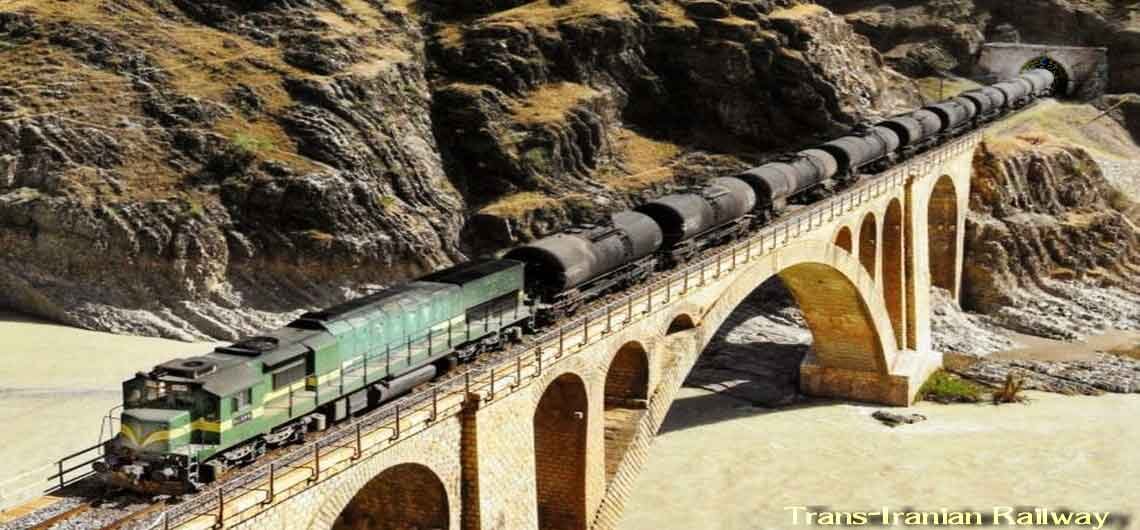
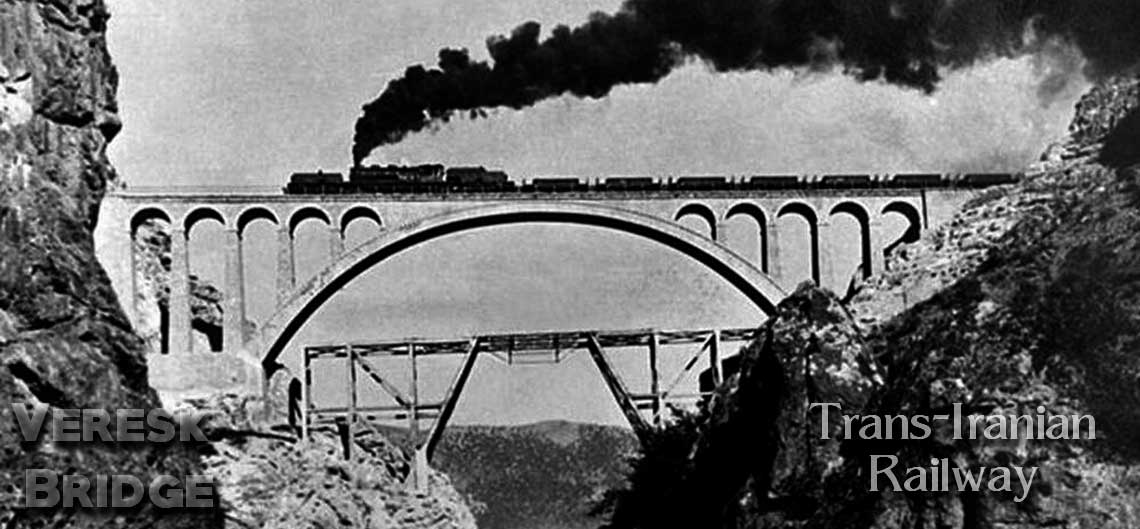
Trans-Iranian Railway 25th Iranian UNESCO World Heritage site (Reg. June 2021) One of the forgotten tourist attractions in Iran was traveling by train and passing through scenic areas with different climates and spectacular sceneries. Thanks to joining the UNESCO World Heritage List in June 2021 with the help of Iran's Cultural Heritage Organization, it can be brought back to life. Iran has many routes on its railway lines, with each of them having different historical, cultural, and tourism aspects, connecting all cities and villages of this vast country differently. One of the lines that is of great global importance is the Trans-Iranian Railway which is the northeast to the southwest line connecting the Caspian Sea to the Persian Gulf. The length of this long railway is about 1,394 km, which is one of the most strategic railways in Iran, passing through four completely different climatic regions, including the Caspian Sea, the huge forests of Hyrcanian (UNESCO Natural site), Iran Mountain ranges (Alborz and Zagros ranges), rivers, highlands, plains and a desert (Dasht-e Kavir), Persian Caravanserai in the Ancient Silk Road and ending in the Persian Gulf which is a totally different story from all of the mentioned climates. Along with this climate change, the diversity of ethnicities, cultures, customs, traditions, and languages of all these regions are highlights of this long route, especially for travelers who are interested in getting in touch with the locals and curious about new cultures and lifestyles. The Trans-Iranian railways construction started in 1927 and ended in 1938. It is famous for its vastness and the workmanship required to overcome the difficulties along the way. It was a joint work between the Iranians and 43 contractors from all around the world. They made about 174 large bridges, 224 tunnels (and 11 spiral tunnels), and
Trans-Iranian Railway 25th Iranian UNESCO World Heritage site (Reg. June 2021) One of the forgotten tourist attractions in Iran was traveling by train and passing through scenic areas with different climates and spectacular sceneries. Thanks to joining the UNESCO World Heritage List in June 2021 with the help of Iran’s Cultural Heritage Organization, it can
Two New UNESCO World Heritage Sites of Iran (25 June 2021) Since 1978, every year, UNESCO picks a number of World Heritage Sites for their "outstanding universal value" in the two sections of cultural and natural sites. This year in June 2021, UNESCO has picked two Iran Heritage Sites for the list alongside others from around the world. In 2021, 37 new sites were inscribed on the UNESCO World Heritage list and it was a big week for Iran with two historic sites achieving UNESCO status. Iran UNESCO World Heritage Sites registered in 2021: 1. Iran UNESCO Heritage of Trans-Iranian Railway Iran Railway The first site is an old and long Railway in Iran from the southwest of the country to the northeast of it. This masterwork of engineering covers 1,394 kilometers, from the Caspian Sea to the Persian Gulf, and goes through 4 different climate regions and two mountain ranges (Alborz & Zagros), Tehran (Capital), Hyrcanian Forests, and Iran plateau, that are home to people from various ethnic and linguistic backgrounds. The railway is now the 25th Iranian title on the World Heritage List. That makes the country one of the richest in the world in terms of protecting cultural heritage. With this new UNESCO site, Iran becomes the fifth country in the world with a railway designated as a world heritage site. The name of this famous North-South Railway is Rah-Ahan Shomal-Jonub in Persian. It was completed in 1938, after 11 years of construction, which involved massive works on mountains and terrains up and down the country. 2. Cultural Landscape of Hawraman/Uramanat The second UNESCO site is Hawraman cultural landscape which is the 26th Iranian UNESCO World Heritage site. Hawraman is located in the Kurdistan and Kermanshah provinces of Iran, on the western border
Two New UNESCO World Heritage Sites of Iran (25 June 2021) Since 1978, every year, UNESCO picks a number of World Heritage Sites for their “outstanding universal value” in the two sections of cultural and natural sites. This year in June 2021, UNESCO has picked two Iran Heritage Sites for the list alongside others from
Mount Alam kuh in Iran Alam Kuh, is the name of a huge mountain in northern Iran, in Mazandaran province, located in the Takht-e Soleyman massif mountain chain. Takht-e Soliman is also a part of the west Alborz Mountain range. Alam Kuh’s altitude is 4,850 m above sea level and is the second highest mountain in Iran after Damavand Mountain (5,610 m). Mount Alam Kuh is known as the Alps of Iran, which is the main center for professional Iranian climbers and hikers. The north face of Mt Alam Kuh is a steep, enormous vertical wall. This feature has made it famous for climbers around the world looking for something different. The height of this granite rock rises to about 480 m to reach the summit. One of the main highlights is that the base of the wall starts from 4,400 m above sea level. Climbers have found this formation extremely inspiring and challenging. Since 1936, there have been several routes to choose from, all created by famous international and local climbers. They are still ongoing. Mount Alam Kuh has at least two desirable hiking routes to reach its peak from various directions. One of the most beautiful is a week-long trail starting from the southern side of Alborz from Alamut valley to MT Alam Kuh. This is the link for the tour: Alamut Long Trek. Apart from this, there is another trail to ascend the peak starting from a city near the Caspian Sea called Kelardasht. Most local climbers choose this route for ascending the summit during the summertime. Locals call this route Hesarchal which is on the south face of Alam Kuh as it is the easiest and shortest route compared to the other trails. Below is the link for that trek, (an excellent choice for
Mount Alam kuh in Iran Alam Kuh, is the name of a huge mountain in northern Iran, in Mazandaran province, located in the Takht-e Soleyman massif mountain chain. Takht-e Soliman is also a part of the west Alborz Mountain range. Alam Kuh’s altitude is 4,850 m above sea level and is the second highest mountain
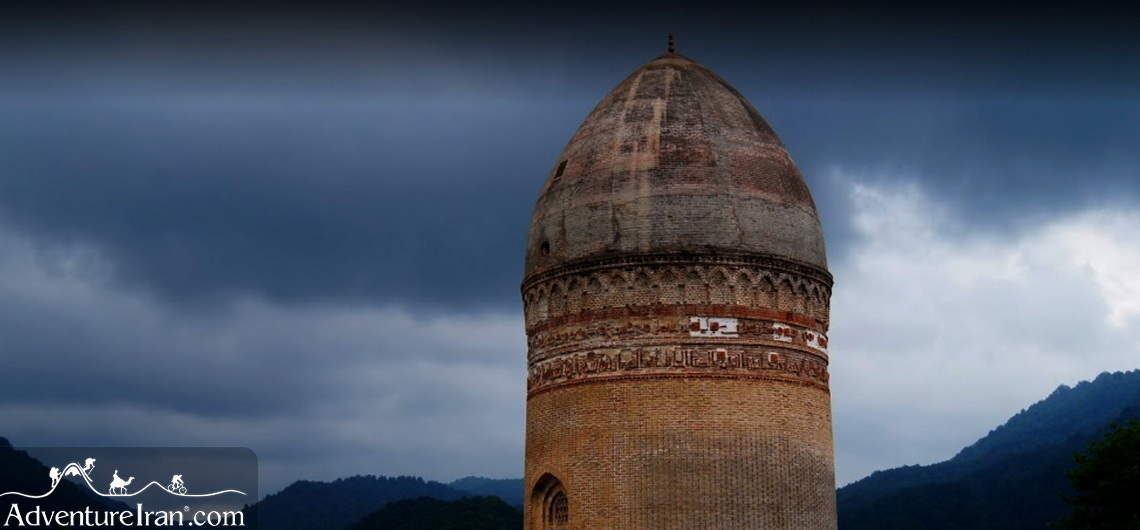
Lajim Tower Lajim Tower is located in Lajim village in the county of Savad Kooh in Mazandaran province, south of the Caspian Sea, Iran. It is circular in shape with a conical dome. There are two unique inscriptions on the brick which carry the Kufic, Pahlavi, and Sassanid Scripts. One of them defines the date as 413 AH. After a fundamental renovation, this district has currently become a site of pilgrimage for the residents of Lajim village and other rustic regions of Savadkuh. https://www.adventureiran.com/gonbad-e-qabus-iran/ https://www.adventureiran.com/the-silk-road-in-iran-and-the-persian-caravanserai/
Lajim Tower Lajim Tower is located in Lajim village in the county of Savad Kooh in Mazandaran province, south of the Caspian Sea, Iran. It is circular in shape with a conical dome. There are two unique inscriptions on the brick which carry the Kufic, Pahlavi, and Sassanid Scripts. One of them defines the date
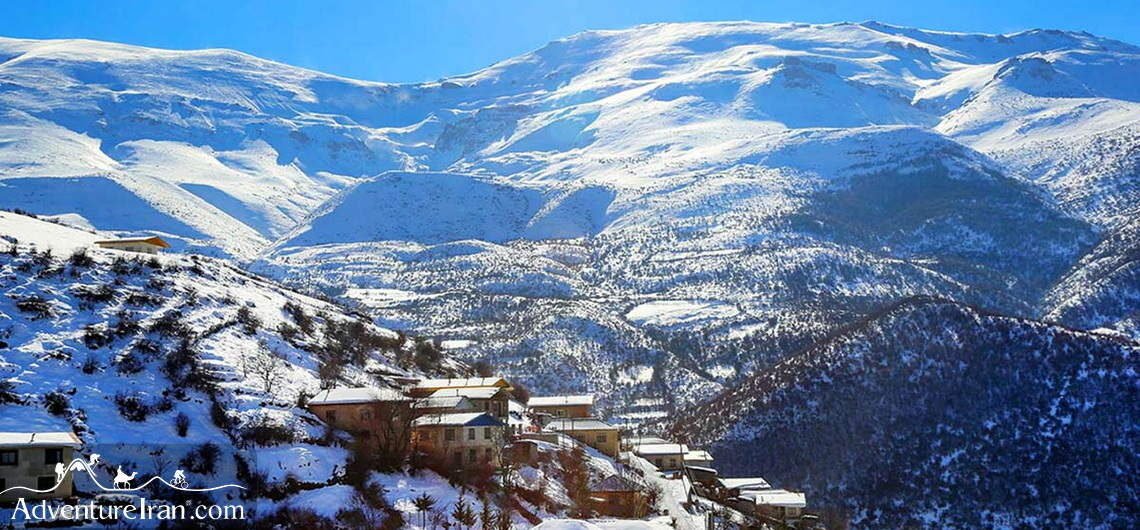
Kandelus Village in Iran Kandelus is a historical village in Mazandaran province, located in the Caspian Sea region in the north of Iran. The province itself lies between the southern coast of the Caspian Sea and the northern slopes of the Central Alborz mountains. Mazandaran is one of the most densely populated provinces in Iran and has a multitude of natural resources. Kandolus is a breath-taking and blessed village in the heart of dense forests on a mild slope at the foothill of the Alborz Mountain Range. This village, being in a mountainous region, is in one of the most scenic valleys of the Alborz Mountain Range at an altitude of 1,650 meters above sea level. The inhabitants speak in the Mazandarani dialect. The village has a dense residential fiber with householders owning sheep, goats, and hens and boasts a unique architecture. It was registered on the list of national heritage villages of Iran. Due to its distinct identity, the alleys and streets are renovated by the Iran Cultural Heritage and Tourism Ministry. There are many fruit trees and a wide variety of medicinal plants in the forest. The whole area is surrounded by a large and spectacular forest, with an exquisite trail that leads to a mountain called Anaron Peak at a height of 3150 m. There are numerous springs throughout the mountains. Kandelus is also well-known for its worth-to-visit rural museums. Kandelus Museum of Anthropology exhibits a precious range of objects from the ancient time before Christ to the Islamic era. The latest ones date back to the Qajar era. The museum narrates the history and culture of the region showing a wide variety of woven, wooden, metal, and china materials, as well as clothes, statues, and paintings. It will be interesting for culture lovers who travel
Kandelus Village in Iran Kandelus is a historical village in Mazandaran province, located in the Caspian Sea region in the north of Iran. The province itself lies between the southern coast of the Caspian Sea and the northern slopes of the Central Alborz mountains. Mazandaran is one of the most densely populated provinces in Iran
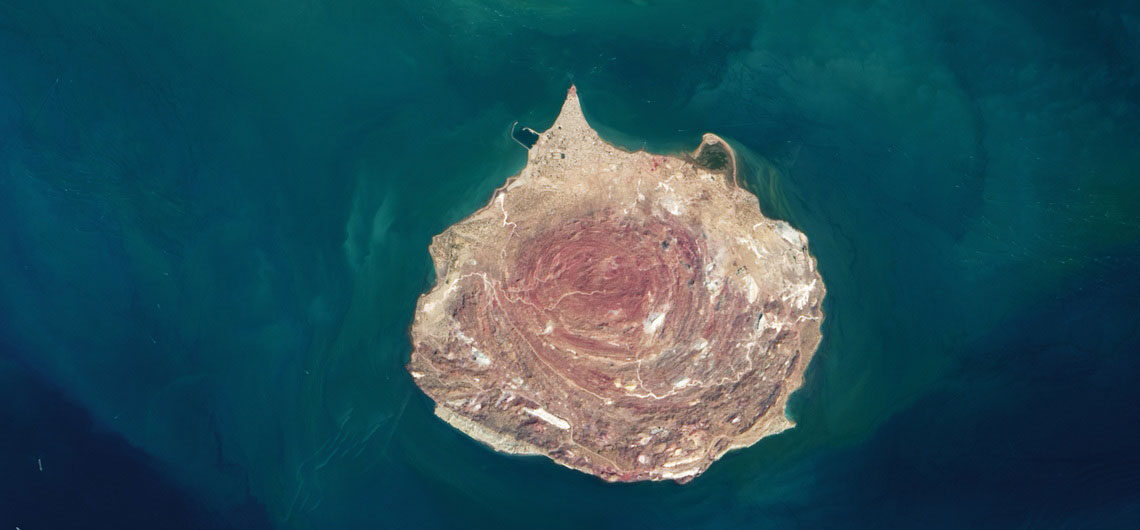
Hormuz Island in Iran Hormuz Island, Hormozgan province, is an oval island 8 km from Bandar Abbas and is considered to be one of the most exquisite islands in Iran. Situated in the Persian Gulf, it is actually a salt dome with an area of 42 square km. It is regarded as the key to the Persian Gulf due to its geographical location and proximity to the Strait of Hormuz. As a result of its position, Qeshm Island’s proximity to Hormuz Island greatly helped it to achieve importance commercially. Historically, Hormuz Island’s location, in a strategically very important region, has given it a significant commercial status. The island's population may halve in the summer with local migration due to the climate. Hormuz village is the only permanent settlement. Resources comprise of red ochre for international trade. Around 1300, the governor of Hormuz left the mainland to avoid thieves and established New Hormuz on the island. Slowly, it suppressed Qeys as the most important commercial center in the Persian Gulf, dominating other islands in the Persian Gulf and sometimes the land of Oman. The Portuguese seized Hormuz and built a castle there in 1514. The Island remained Portuguese for more than a hundred years. However, together with the rise of the local English combined with the Persian Shah’s rage and displeasure at the Portuguese occupancy, a climax was reached. Thus, the Portuguese on Hormuz Island were overthrown by joint Anglo-Persian forces in 1622. From this ancient and well-known city, nothing has left except for a part of the Portuguese castle. Hormuz was rented out to the governor of Muscat and Oman from 1868 to 1798 with the neighboring larger island of Jeshun and the land port of Bandar Abbas. Breath-taking scenery, colorful mountains, cliffs formed over millions
Hormuz Island in Iran Hormuz Island, Hormozgan province, is an oval island 8 km from Bandar Abbas and is considered to be one of the most exquisite islands in Iran. Situated in the Persian Gulf, it is actually a salt dome with an area of 42 square km. It is regarded as the key to
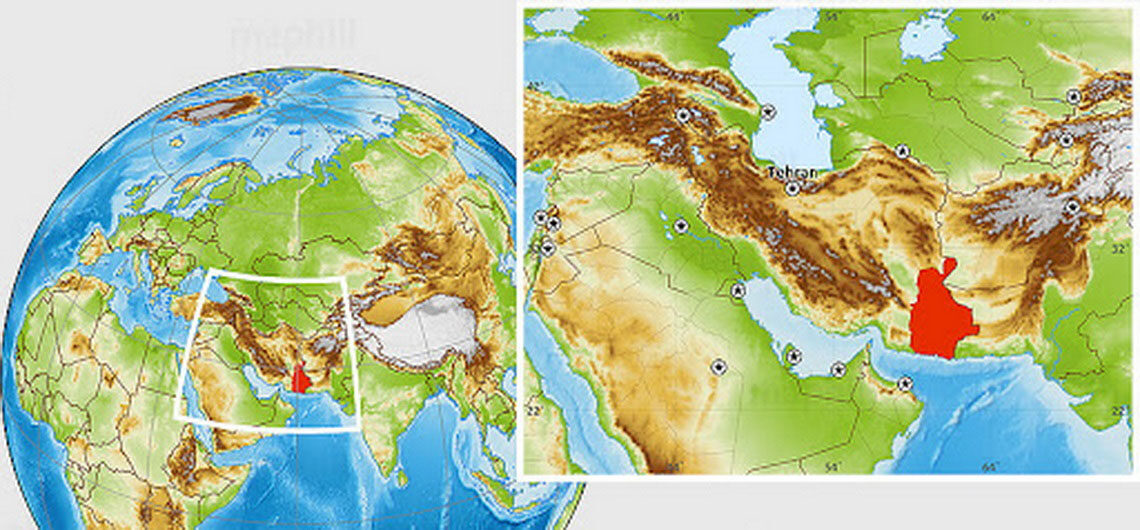
Sistan and Baluchistan in Iran Sistan and Baluchistan province (also spelled Sistan and Baluchestan / Balochistan) is in the southeast of Iran on the border with Afghanistan and Pakistan. To the south lies the Indian Ocean and the Gulf of Oman. This province is about the size of Switzerland, the Netherlands, Belgium, Denmark, and Slovenia combined. As a result of its huge dimensions, there is a fair amount of driving from the north to the south. It has 1,100 km of land along the border with Pakistan and Afghanistan together with a coastal stretch of 300 km along the Indian Ocean’s Gulf of Oman. The inhabitants consist of two tribes, one is the Baluchi tribe, who are Sunni Muslims, and the other the Sistani tribe, who are Shi’a Muslims. Both speak Persian. Balochistan offers adventurous travelers a unique opportunity to explore a region rich in ethnic culture, ancient traditions, and surreal landscapes. This vast province is part of Sistan and Baluchestan, one of Iran’s largest and most ethnically diverse regions. Though historically overlooked due to its remoteness, it’s now emerging as a fascinating destination for those seeking something truly different. The province is really amazing with huge contrasts between the deserts, snow-capped mountains, peculiar rock formations, an active 4,000 m volcano, Martian scenery, cliff-enclosed fishing villages along the coast, plus tropical rivers with the rare Mugger crocodile. This is a lesser-known destination in Iran but, at the same time, one of the most beautiful areas of our country. Top Places to Visit in Iranian Balochistan 1. Chabahar The gateway to Balochistan, Chabahar is a strategic port city on the Gulf of Oman, and one of the few coastal towns in Iran with a tropical climate. Highlights: 🌊 Martian Mountains (Miniature Mountains): Otherworldly rock formations with dramatic ridges that
Sistan and Baluchistan in Iran Sistan and Baluchistan province (also spelled Sistan and Baluchestan / Balochistan) is in the southeast of Iran on the border with Afghanistan and Pakistan. To the south lies the Indian Ocean and the Gulf of Oman. This province is about the size of Switzerland, the Netherlands, Belgium, Denmark, and Slovenia