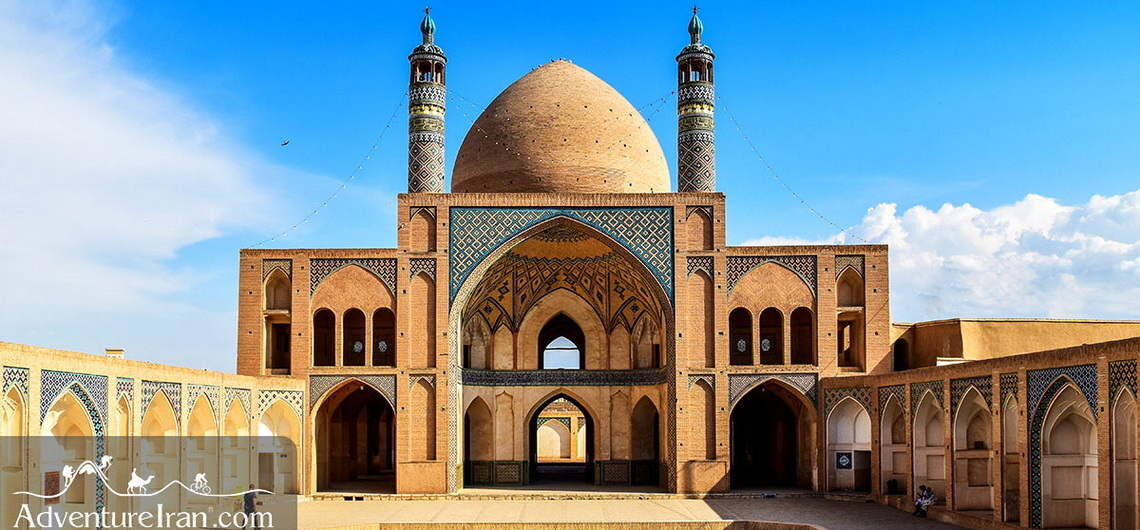
Kashan: Iran’s UNESCO Creative City of Architecture Kashan, Iran, has joined UNESCO’s Creative Cities Network as a Creative City of Architecture. Discover why this historic desert city is now recognized internationally for its architectural heritage, climate-responsive design, traditional craftsmanship and living urban culture. There are cities that preserve beautiful old buildings, and there are cities where architecture is still part of everyday life. Kashan belongs to the second group. In 2025, UNESCO designated Kashan, Iran, as a Creative City of Architecture, making it one of only five cities in the world selected in the first UNESCO Creative Cities Network designation for architecture. The other four are Bistrița in Romania, Lusail in Qatar, Quito in Ecuador and Rovaniemi in Finland. For a city in the heart of Iran’s dry central plateau, this recognition has a particular meaning. Kashan’s architecture was not created simply to impress the eye. It was developed to make life possible in a hot and dry environment. Its courtyards, windcatchers, thick walls, underground water systems, shaded passages and compact neighbourhoods show how architecture, climate, water and daily life were connected long before modern discussions about sustainable architecture began. What Is a UNESCO Creative City? The UNESCO Creative Cities Network was established in 2004 to connect cities that use culture and creativity as important parts of sustainable urban development. The network covers different creative fields, including crafts and folk art, design, film, gastronomy, literature, media arts and music. In 2025, UNESCO added architecture as a new creative field. Fifty-eight cities joined the network that year, bringing the total network to 408 cities in more than 100 countries. This distinction is important. Being a UNESCO Creative City of Architecture is not the same as being a UNESCO World Heritage Site. The designation recognizes a city’s creative ecosystem, architectural
Kashan: Iran’s UNESCO Creative City of Architecture Kashan, Iran, has joined UNESCO’s Creative Cities Network as a Creative City of Architecture. Discover why this historic desert city is now recognized internationally for its architectural heritage, climate-responsive design, traditional craftsmanship and living urban culture. There are cities that preserve beautiful old buildings, and there are cities
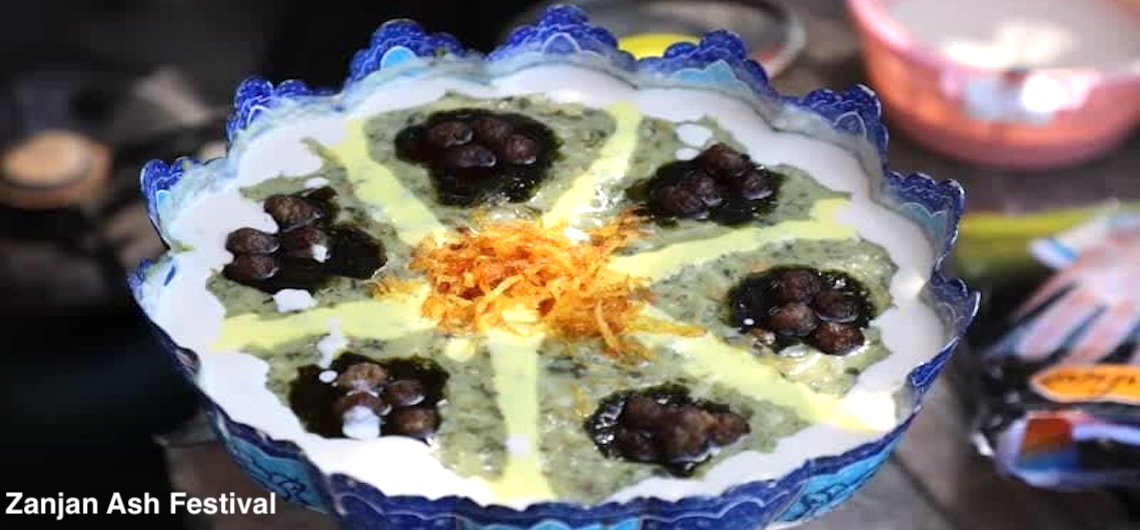
The National Ash Festival of Zanjan A Celebration of Iran's Culinary and Cultural Heritage Introduction: A Feast of Flavors and Unity In the heart of northwestern Iran, the city of Zanjan plays host to one of the country's most vibrant and culturally significant events: the National Ash Festival. This is not just a food fair; it is a colorful, four-day celebration that brings together Iran's diverse ethnic groups to share their unique culinary traditions and strengthen national unity. Held annually at the scenic Gavazang (El Daghi) recreational center near Zanjan, the festival was established in 2005 and has since grown to become the largest food festival in Iran. It revolves around "Ash" (Āsh), a traditional, slow-cooked thick soup that is a cornerstone of Persian cuisine. However, its importance extends far beyond the kitchen, serving as a powerful symbol of community, hospitality, and cultural diversity. What is "Ash"? More Than Just a Soup In the Persian language, "Ash" refers to a beloved family of nearly 50 varieties of thick, nourishing soups, each with its own distinct recipe and regional character. It is a dish deeply embedded in Iranian culture, often prepared for special occasions, gatherings, and even in times of mourning to express solidarity. The basic Ash is a hearty concoction, typically made with a combination of chickpeas, beans, noodles, and an abundance of fresh herbs. However, the variations are endless. Depending on the region, it can include ingredients like: Broccoli, carrots, onion, celery, spinach Dill, mint, coriander, parsley Ground lamb, beef, or chicken Yogurt, garlic, and spices such as turmeric and saffron A Glimpse into Zanjan's Diverse Ash Dishes The province of Zanjan alone boasts a remarkable variety of Ash dishes, each a testament to its agricultural abundance and cultural fusion. Some of the most prominent include:
The National Ash Festival of Zanjan A Celebration of Iran’s Culinary and Cultural Heritage Introduction: A Feast of Flavors and Unity In the heart of northwestern Iran, the city of Zanjan plays host to one of the country’s most vibrant and culturally significant events: the National Ash Festival. This is not just a food
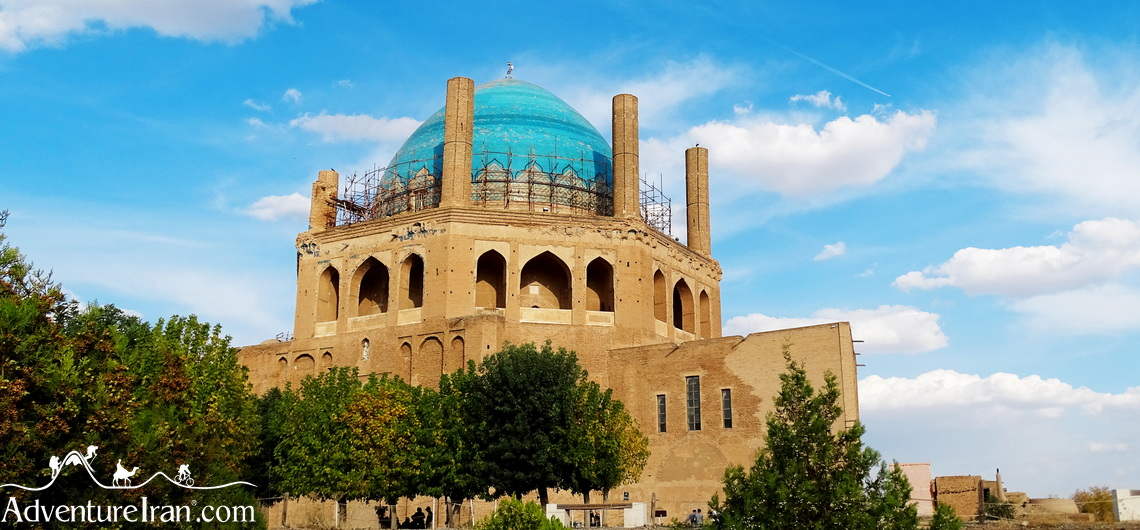
Zanjan tourist attractions Where History, Culture, and Nature Converge Introduction: Zanjan, A City of Hidden Treasures Zanjan is not just another stop on the map. It's a city where history and culture intertwine, offering a glimpse into Persian life beyond the typical tourist path . Located in the northwestern part of Iran, Zanjan province is a treasure trove of remarkable attractions that range from a UNESCO World Heritage site to a vibrant, historic bazaar and breathtaking natural wonders. From the awe-inspiring dome of Soltaniyeh to the bustling alleys of its ancient bazaar, Zanjan promises an authentic and unforgettable journey for every traveler. Top Tourist Attractions in Zanjan 1. Soltaniyeh Dome: A UNESCO World Heritage Site The Dome of Soltaniyeh is the crown jewel of Zanjan and one of Iran's most significant historical sites. This UNESCO World Heritage site the mausoleum of the 14th-century Mongol Ilkhanid ruler Öljaitü and is renowned for its remarkable Persian architecture . It is the largest brick dome in the world, and its sheer scale and intricate design will leave you in awe . Practical Information: Location: Approximately 240 kilometers northwest of Tehran, in the city of Soltaniyeh . Getting There: About a 30-minute drive from Zanjan city center . Best Time to Visit: Spring and autumn offer the most pleasant weather . 2. Zanjan Bazaar: The Longest Covered Marketplace in Iran Step into the heart of Zanjan's history at the Zanjan Bazaar, a living reflection of the culture, tradition, and enduring spirit of its people . Spanning an impressive 15 hectares and built in 1790 CE, this is the longest covered marketplace in Iran . With its 56 entrances, 940 shops, and a labyrinth of alleys, it is much more than a center of trade—it is a vibrant hub where history and
Zanjan tourist attractions Where History, Culture, and Nature Converge Introduction: Zanjan, A City of Hidden Treasures Zanjan is not just another stop on the map. It’s a city where history and culture intertwine, offering a glimpse into Persian life beyond the typical tourist path . Located in the northwestern part of Iran, Zanjan province
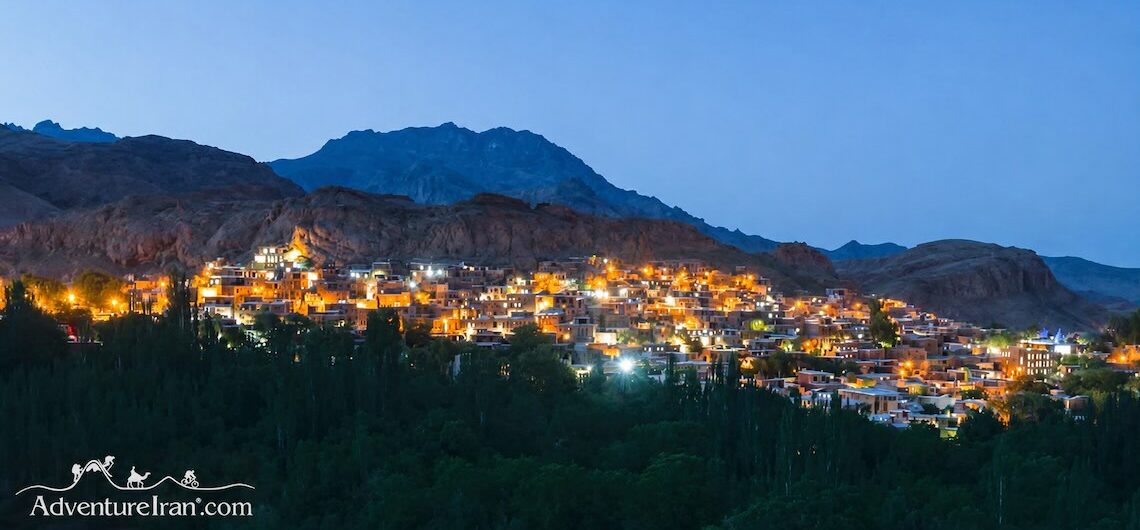
Tasua and Ashura in Abyaneh An Ancient Muharram Tradition in Iran Every year, with the arrival of the Islamic month of Muharram, a very different atmosphere is felt in Iran. Streets and mosques are decorated, especially with black flags appearing in towns and villages. People gather for mourning ceremonies, prayers, religious speeches, and processions. In many parts of the country, families prepare NAZRI—food and drinks are distributed freely as a religious offering—and communities come together to remember one of the most important and emotional events in Islamic history. Many people prepare free tea and Sharbat, a type of syrup well known in Persian Culture- in the streets and villages. For Shia Muslims, Muharram is a month of mourning for Imam Hussein, the grandson of the Prophet Muhammad, and his companions, who were killed in the Battle of Karbala in 680 CE. The tenth day of Muharram, known as Ashura, is the central day of mourning. The day before it, Tasua, is also deeply significant, particularly because of its association with Abbas ibn Ali, the half-brother of Imam Hussein and one of the central figures of the Karbala story. Across Iran, Muharram is observed in many different ways. Some cities are famous for enormous processions, others for Ta'zieh, a traditional form of religious theater, while villages and local communities often preserve their own distinctive rituals. One of the most remarkable places to experience these traditions is the historic mountain village of Abyaneh in central Iran. During Tasua and Ashura, Abyaneh becomes a place of mourning, remembrance, and community. Its narrow red-earth streets fill with traditional ceremonies that have been preserved by generations of villagers. Among them are Jaghjagheh-zani, Nakhl-gardani, Parsa or Porseh, Shada-gardani, Tolu-khani, and Sham-e Ghariban. Together, these ceremonies reveal a side of Iranian culture that cannot be understood simply
Tasua and Ashura in Abyaneh An Ancient Muharram Tradition in Iran Every year, with the arrival of the Islamic month of Muharram, a very different atmosphere is felt in Iran. Streets and mosques are decorated, especially with black flags appearing in towns and villages. People gather for mourning ceremonies, prayers, religious speeches, and processions. In