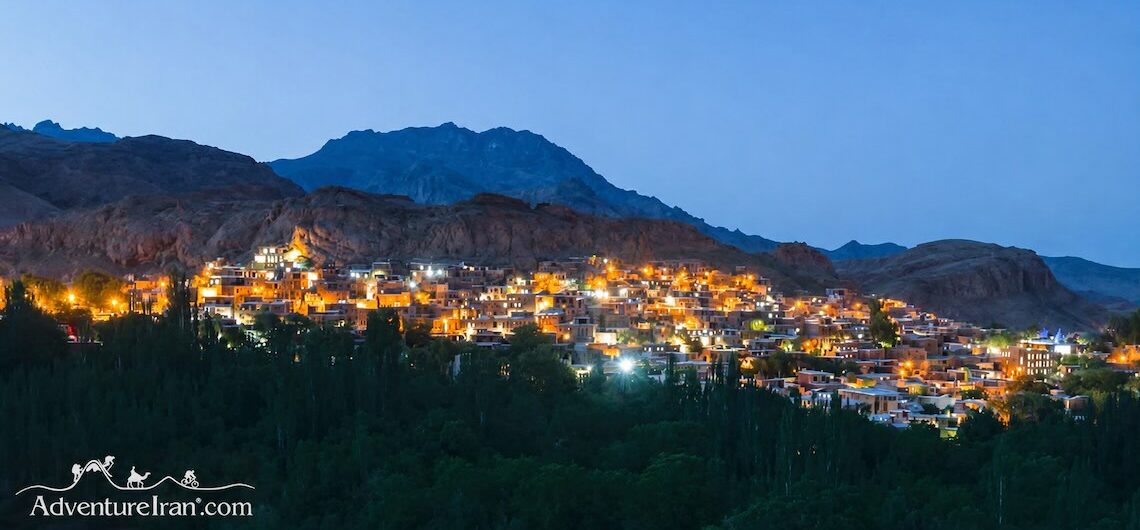
Tasua and Ashura in Abyaneh An Ancient Muharram Tradition in Iran Every year, with the arrival of the Islamic month of Muharram, a very different atmosphere is felt in Iran. Streets and mosques are decorated, especially with black flags appearing in towns and villages. People gather for mourning ceremonies, prayers, religious speeches, and processions. In many parts of the country, families prepare NAZRI—food and drinks are distributed freely as a religious offering—and communities come together to remember one of the most important and emotional events in Islamic history. Many people prepare free tea and Sharbat, a type of syrup well known in Persian Culture- in the streets and villages. For Shia Muslims, Muharram is a month of mourning for Imam Hussein, the grandson of the Prophet Muhammad, and his companions, who were killed in the Battle of Karbala in 680 CE. The tenth day of Muharram, known as Ashura, is the central day of mourning. The day before it, Tasua, is also deeply significant, particularly because of its association with Abbas ibn Ali, the half-brother of Imam Hussein and one of the central figures of the Karbala story. Across Iran, Muharram is observed in many different ways. Some cities are famous for enormous processions, others for Ta'zieh, a traditional form of religious theater, while villages and local communities often preserve their own distinctive rituals. One of the most remarkable places to experience these traditions is the historic mountain village of Abyaneh in central Iran. During Tasua and Ashura, Abyaneh becomes a place of mourning, remembrance, and community. Its narrow red-earth streets fill with traditional ceremonies that have been preserved by generations of villagers. Among them are Jaghjagheh-zani, Nakhl-gardani, Parsa or Porseh, Shada-gardani, Tolu-khani, and Sham-e Ghariban. Together, these ceremonies reveal a side of Iranian culture that cannot be understood simply
Tasua and Ashura in Abyaneh An Ancient Muharram Tradition in Iran Every year, with the arrival of the Islamic month of Muharram, a very different atmosphere is felt in Iran. Streets and mosques are decorated, especially with black flags appearing in towns and villages. People gather for mourning ceremonies, prayers, religious speeches, and processions. In