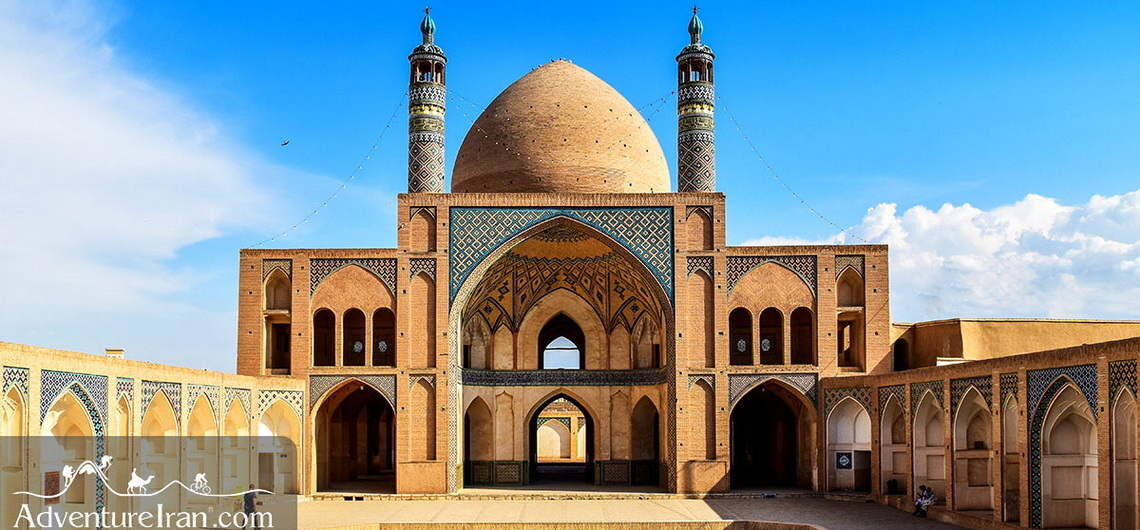
Kashan: Iran’s UNESCO Creative City of Architecture Kashan, Iran, has joined UNESCO’s Creative Cities Network as a Creative City of Architecture. Discover why this historic desert city is now recognized internationally for its architectural heritage, climate-responsive design, traditional craftsmanship and living urban culture. There are cities that preserve beautiful old buildings, and there are cities where architecture is still part of everyday life. Kashan belongs to the second group. In 2025, UNESCO designated Kashan, Iran, as a Creative City of Architecture, making it one of only five cities in the world selected in the first UNESCO Creative Cities Network designation for architecture. The other four are Bistrița in Romania, Lusail in Qatar, Quito in Ecuador and Rovaniemi in Finland. For a city in the heart of Iran’s dry central plateau, this recognition has a particular meaning. Kashan’s architecture was not created simply to impress the eye. It was developed to make life possible in a hot and dry environment. Its courtyards, windcatchers, thick walls, underground water systems, shaded passages and compact neighbourhoods show how architecture, climate, water and daily life were connected long before modern discussions about sustainable architecture began. What Is a UNESCO Creative City? The UNESCO Creative Cities Network was established in 2004 to connect cities that use culture and creativity as important parts of sustainable urban development. The network covers different creative fields, including crafts and folk art, design, film, gastronomy, literature, media arts and music. In 2025, UNESCO added architecture as a new creative field. Fifty-eight cities joined the network that year, bringing the total network to 408 cities in more than 100 countries. This distinction is important. Being a UNESCO Creative City of Architecture is not the same as being a UNESCO World Heritage Site. The designation recognizes a city’s creative ecosystem, architectural
Kashan: Iran’s UNESCO Creative City of Architecture Kashan, Iran, has joined UNESCO’s Creative Cities Network as a Creative City of Architecture. Discover why this historic desert city is now recognized internationally for its architectural heritage, climate-responsive design, traditional craftsmanship and living urban culture. There are cities that preserve beautiful old buildings, and there are cities