
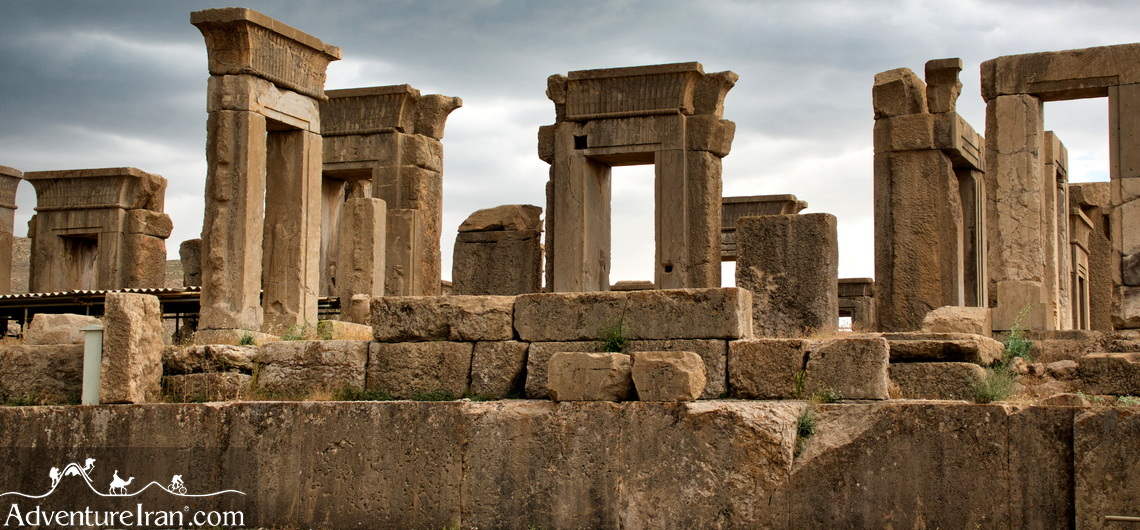
Persepolis: The Majestic Ruins of the Persian Empire
Discover the Glory of Persepolis, Iran’s Timeless Treasure
Persepolis, one of the most awe-inspiring historical sites in the world, is an essential stop for travelers visiting Iran. As the ceremonial capital of the Achaemenid Empire, Persepolis represents the height of Persian art, culture, and power. Recognized as a UNESCO World Heritage Site, these magnificent ruins continue to captivate history lovers, archaeologists, and adventure seekers alike.
If you are planning an Iran tour and want to explore the rich history of Persian civilization, Persepolis should be at the top of your itinerary. In this guide, we will take you through the history, architecture, and essential travel tips for visiting Persepolis, one of Iran’s most remarkable ancient landmarks.
A Brief History of Persepolis
Persepolis, known as Takht-e Jamshid in Persian, was founded by King Darius I in 518 BCE. It served as the ceremonial center of the Persian Empire for nearly two centuries. Under Darius and his successors, including Xerxes I and Artaxerxes I, Persepolis grew into a grand complex of palaces, halls, and monumental gateways.
The city flourished as a symbol of the empire’s wealth and diversity, showcasing the artistry and craftsmanship of different cultures within the Achaemenid domain. However, in 330 BCE, Alexander the Great invaded Persia and set Persepolis ablaze, marking the end of its glory. Despite this destruction, the ruins remain a testament to the grandeur of ancient Persian civilization.

The Architectural Wonders of Persepolis
The ruins of Persepolis feature some of the most exquisite stone carvings and architectural elements from the ancient world. Here are some of the key structures that visitors should explore:
1. The Grand Staircase
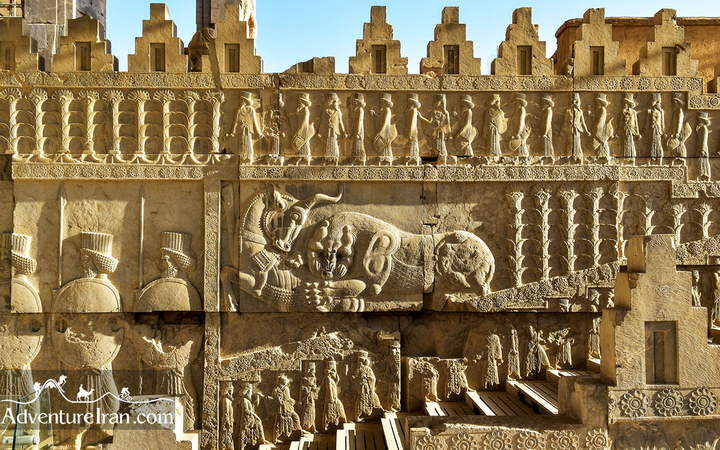
The grand entrance of Persepolis is a wide double staircase designed with such precision that each step is shallow, allowing dignitaries to ascend in a graceful and majestic manner. These staircases lead to the imposing Gate of All Nations.
2. The Gate of All Nations
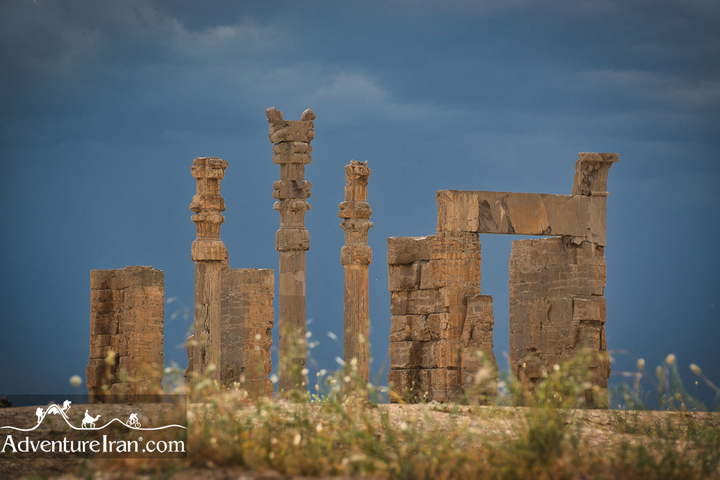
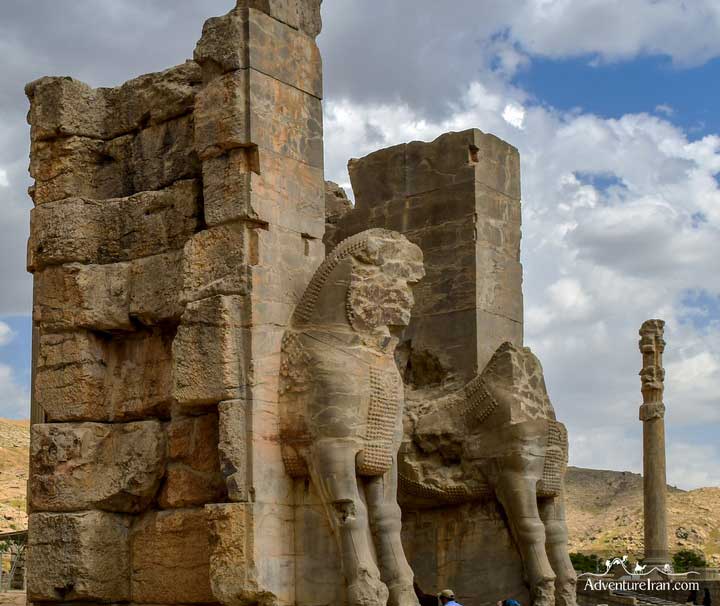
Built by Xerxes I, this monumental gateway was designed to impress foreign dignitaries visiting Persepolis. It features colossal winged bull statues with human heads, symbolizing the power of the Persian Empire.
3. The Apadana Palace
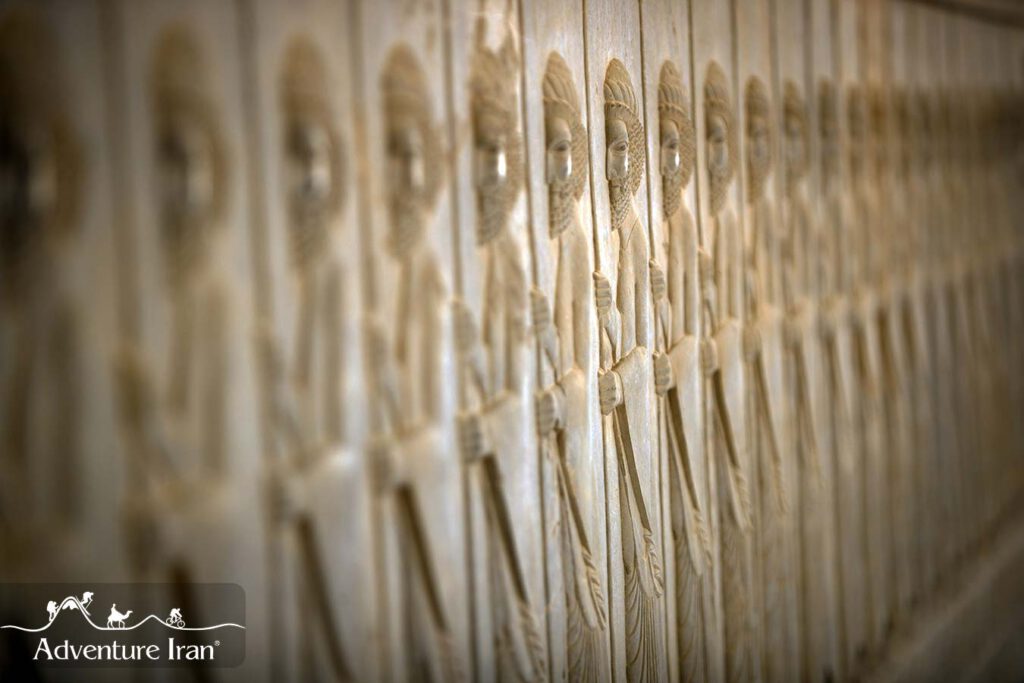
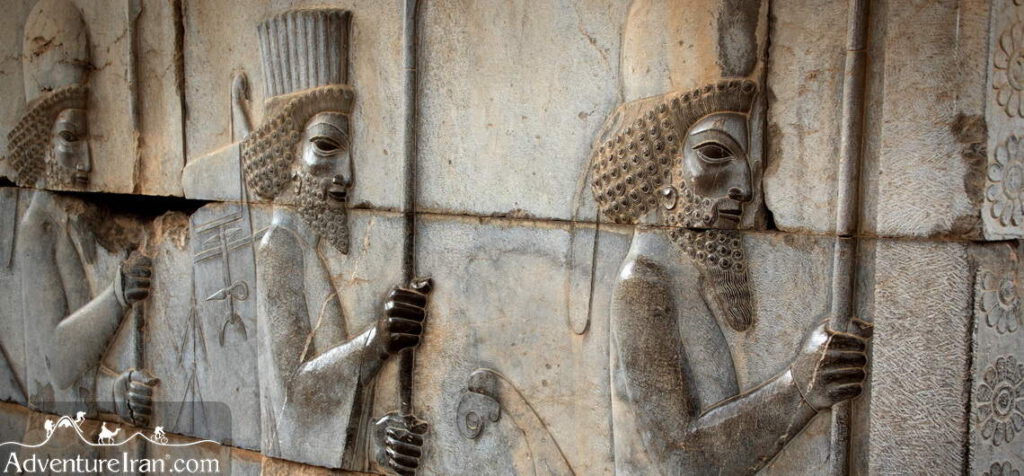
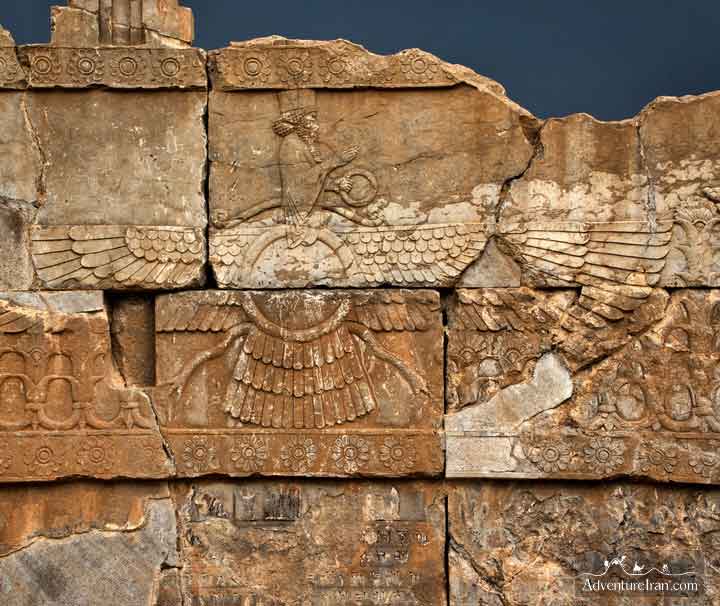
One of the most significant buildings in Persepolis, the Apadana Palace was used for royal audiences and grand ceremonies. Its massive columns and intricately carved reliefs depict scenes of delegates from different nations bringing gifts to the Persian king.
4. The Throne Hall (Hall of 100 Columns)
This vast hall was used for important state ceremonies and meetings. The hall originally had 100 towering columns, of which several still stand, offering a glimpse into its former magnificence.
5. The Royal Tombs
Located on a rocky hillside near Persepolis, the tombs of Darius I and his successors are carved into the cliffs. These impressive burial chambers reflect the Achaemenid kings’ connection to both earthly and divine power.

How to Visit Persepolis
Location & Accessibility
Persepolis is located in Fars Province, about 60 kilometers northeast of Shiraz. The easiest way to reach Persepolis is by car or tour bus from Shiraz, which takes approximately one hour.
Best Time to Visit
For the best experience at Persepolis, visit during the mild weather of spring (March-May) or autumn (September-November). Be aware that the busiest time is during Nowruz, the Persian New Year. This time Iran’s busiest traveling time in Iranian calendar. This holiday lasts approximately two weeks from March 21st to around April 3rd, which is Iran’s peak travel season. We highly recommend booking all transport and accommodation far in advance during this period
Entrance Fee & Opening Hours
- Opening Hours: Persepolis is open daily from 8:00 AM to sunset.
- Entrance Fee: Fees vary for domestic and international visitors. It is recommended to check the latest ticket prices before your visit.
What to Bring
- Comfortable walking shoes (as you will walk on uneven terrain)
- Sunscreen, hat, and sunglasses (especially in summer)
- A guidebook or audio guide for a deeper understanding of the site’s history
- Water and snacks (as there are limited facilities inside)
Adventure Iran’s Persepolis Tours
At Adventure Iran, we offer curated tours that bring the history of Persepolis to life. Our guided tours to Persepolis include:
- Cultural & Historical Iran Tours: Explore Persepolis along with other Persian heritage sites such as Pasargadae, Naqsh-e Rustam, and Shiraz.
- Customized Private Tours: Tailor your visit based on your interests, whether you prefer a deep historical dive or a relaxed cultural experience.
- Trekking & Nomadic Tours: Combine your visit to Persepolis with an off-the-beaten-track adventure in Iran, including trekking in the Zagros Mountains or meeting nomadic tribes.
For those seeking a deeper connection with Iran’s past, our expert guides provide insightful narratives about Persepolis, ensuring an unforgettable experience.
Why Visit Persepolis?
Persepolis is more than just an archaeological site; it is a journey through time, a place where ancient Persian kings left their mark on history. Visiting Persepolis allows you to:
- Walk through the ruins of an empire that once ruled over vast lands.
- Marvel at intricate carvings and monumental architecture.
- Learn about the diverse cultures that shaped the Achaemenid dynasty.
- Experience the grandeur of Persian heritage in one of the world’s most significant historical sites.
Whether you are a history enthusiast, an adventurous traveler, or someone looking to connect with the rich past of Iran, Persepolis is a must-visit destination.


Book Your Persepolis Tour with Adventure Iran
Ready to explore the wonders of Persepolis? Adventure Iran offers expertly designed tours that take you through the heart of Persian history. Contact us today to customize your Iran travel experience and embark on an unforgettable journey through time!
For more information, visit our website or get in touch with our travel experts. Let us guide you through the fascinating history of ancient Persia!
Comments