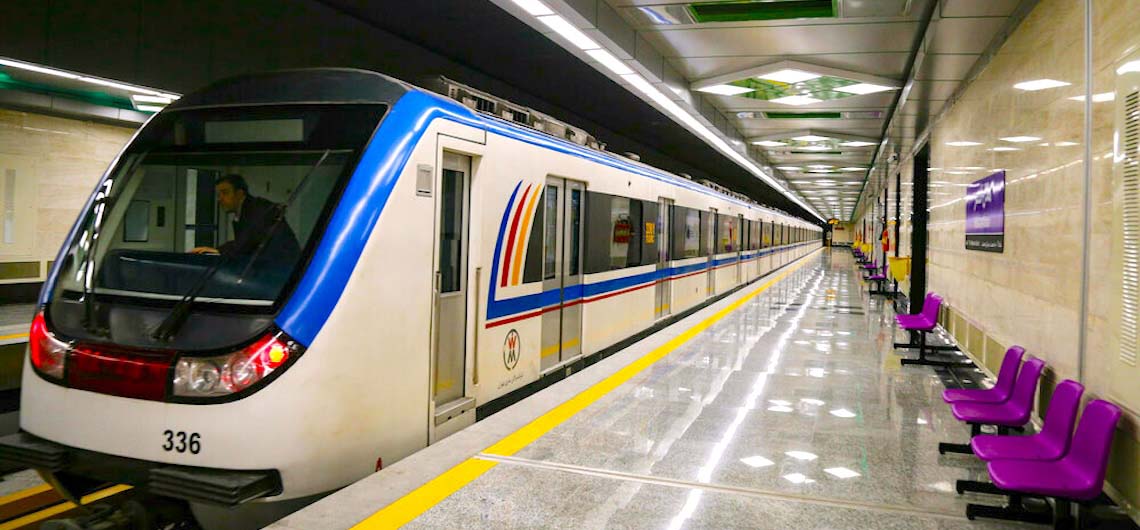
Tehran Metro Guide Map The Tehran Metro is a fastest transportation system in Tehran, the capital of Iran. It is the largest metro system in the Middle East. It consists of six operational metro lines (and an additional commuter rail line), with construction under way on four lines including northwestern extension of line 4, south extension line 6, north and east extension line 7 and Line 10. Discover Tehran Metro: The Beating Heart of Iran’s Capital As one of the most modern and efficient metro systems in the Middle East, the Tehran Metro is not just a transportation network—it’s a gateway to the city’s history, culture, and daily life. With over 7 lines and 120 stations, it connects Tehran’s bustling neighborhoods, historic landmarks, and commercial hubs, offering both convenience and a glimpse into Iranian urban life. Why Ride the Tehran Metro? ✔ Affordable & Efficient: Avoid traffic while zipping across the city at a fraction of the cost of taxis. ✔ Clean & Safe: Women-only cars (during peak hours) and strict security ensure comfort for all passengers. ✔ Cultural Stops: Key stations like Tajrish (for the bazaar), Meydan-e Azadi (Azadi Tower), and Meydan-e Imam Hossein (for parks and theaters) put Tehran’s highlights within easy reach. ✔ Art Underground: Many stations feature stunning tilework, murals, and calligraphy celebrating Persian heritage. Pro Tips for Travelers Get a Metro Card: Rechargeable cards (sold at stations) make rides seamless. Avoid Rush Hour: 7–9 AM and 4–6 PM get crowded. Combine with Attractions: Use Line 1 (Red) for Golestan Palace or Line 4 (Yellow) for the Milad Tower. Final Thought: Whether you’re a tourist or a local, the Tehran Metro is the smartest way to explore the capital’s vibrant energy. Hop on and see the city like a true Tehrani!
Tehran Metro Guide Map The Tehran Metro is a fastest transportation system in Tehran, the capital of Iran. It is the largest metro system in the Middle East. It consists of six operational metro lines (and an additional commuter rail line), with construction under way on four lines including northwestern extension of line 4,
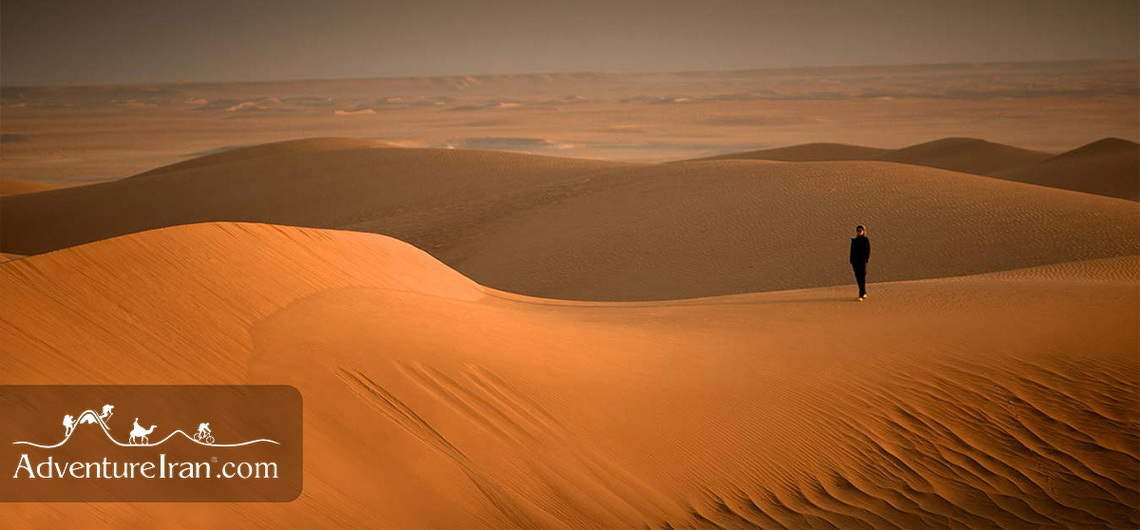
Iran Deserts Iran DesertsThe deserts in Iran are probably its main attraction. These deserts are vast and spectacular covering 25% of the entire country. The two main ones are Dasht-e Kavir and Dasht-e Lut, both being gigantic. Dasht-e Kavir, also called Kavir Desert, Iran Central Desert, or in Persian Kavir Markazi-e Iran is situated to the south of the Alborz Mountains approximately in the center of Iran. Lut Desert also called Dasht-e Lut, Kavir-e Lut or Dasht-e Lut Desert is situated in the south-east of Iran. It is also one of the two UNESCO natural sites of Iran that were registered in 2016. You might have visited deserts in other parts of the world but, by comparison, Iran’s deserts are a combination of them all in terms of natural attractions. They are made up of sand dunes, flat desert areas, salt lakes, dry lakes, wetlands, rock formations, canyons, rivers, various mines, birds, animals, flora, caves, high mountains and diverse coloured soils surrounded by villages. It’s possible to find a cluster of oases with agricultural areas in the middle of nowhere where you never thought there could be water. People still follow their customary way of life and live in their traditional houses. There are numerous citadels in these deserts dating back to over one thousand years. There is also an abundance of historical villages with special desert lands and Persian architecture built several hundred years ago. There are countless ancient Qanat “underground water channel systems” in many of Iran’s deserts dating back thousands of years. The Persian Qanat was registered in 2016 in the UNESCO heritage sites of Iran, which is one of Iran's historical phenomena. Persian cuisine is another attraction of our deserts, as you can find a wide variety of Iranian food on every corner. As you may
Iran Deserts Iran DesertsThe deserts in Iran are probably its main attraction. These deserts are vast and spectacular covering 25% of the entire country. The two main ones are Dasht-e Kavir and Dasht-e Lut, both being gigantic. Dasht-e Kavir, also called Kavir Desert, Iran Central Desert, or in Persian Kavir Markazi-e Iran is situated to