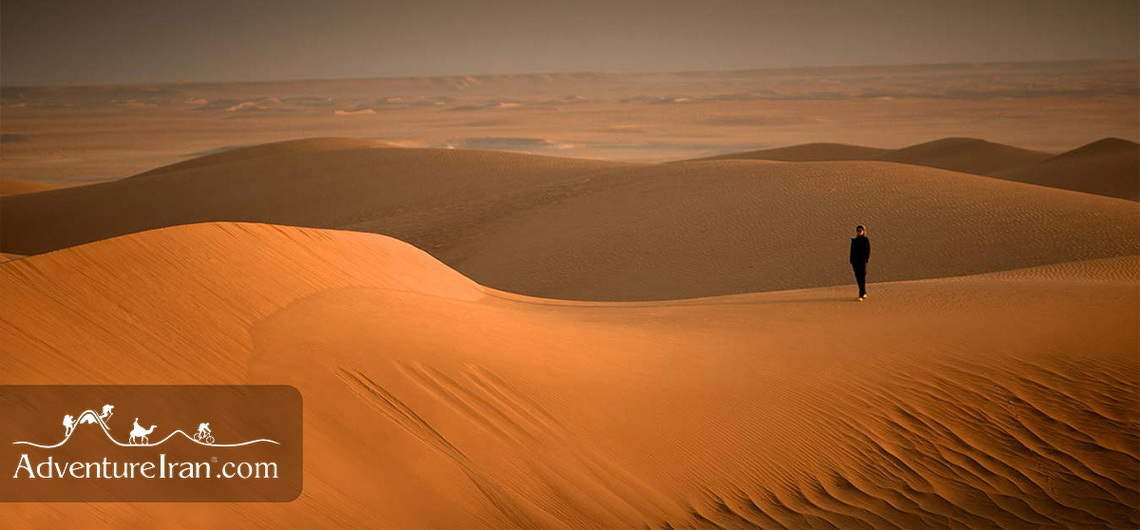
Iran Deserts Iran DesertsThe deserts in Iran are probably its main attraction. These deserts are vast and spectacular covering 25% of the entire country. The two main ones are Dasht-e Kavir and Dasht-e Lut, both being gigantic. Dasht-e Kavir, also called Kavir Desert, Iran Central Desert, or in Persian Kavir Markazi-e Iran is situated to the south of the Alborz Mountains approximately in the center of Iran. Lut Desert also called Dasht-e Lut, Kavir-e Lut or Dasht-e Lut Desert is situated in the south-east of Iran. It is also one of the two UNESCO natural sites of Iran that were registered in 2016. You might have visited deserts in other parts of the world but, by comparison, Iran’s deserts are a combination of them all in terms of natural attractions. They are made up of sand dunes, flat desert areas, salt lakes, dry lakes, wetlands, rock formations, canyons, rivers, various mines, birds, animals, flora, caves, high mountains and diverse coloured soils surrounded by villages. It’s possible to find a cluster of oases with agricultural areas in the middle of nowhere where you never thought there could be water. People still follow their customary way of life and live in their traditional houses. There are numerous citadels in these deserts dating back to over one thousand years. There is also an abundance of historical villages with special desert lands and Persian architecture built several hundred years ago. There are countless ancient Qanat “underground water channel systems” in many of Iran’s deserts dating back thousands of years. The Persian Qanat was registered in 2016 in the UNESCO heritage sites of Iran, which is one of Iran's historical phenomena. Persian cuisine is another attraction of our deserts, as you can find a wide variety of Iranian food on every corner. As you may
Iran Deserts Iran DesertsThe deserts in Iran are probably its main attraction. These deserts are vast and spectacular covering 25% of the entire country. The two main ones are Dasht-e Kavir and Dasht-e Lut, both being gigantic. Dasht-e Kavir, also called Kavir Desert, Iran Central Desert, or in Persian Kavir Markazi-e Iran is situated to
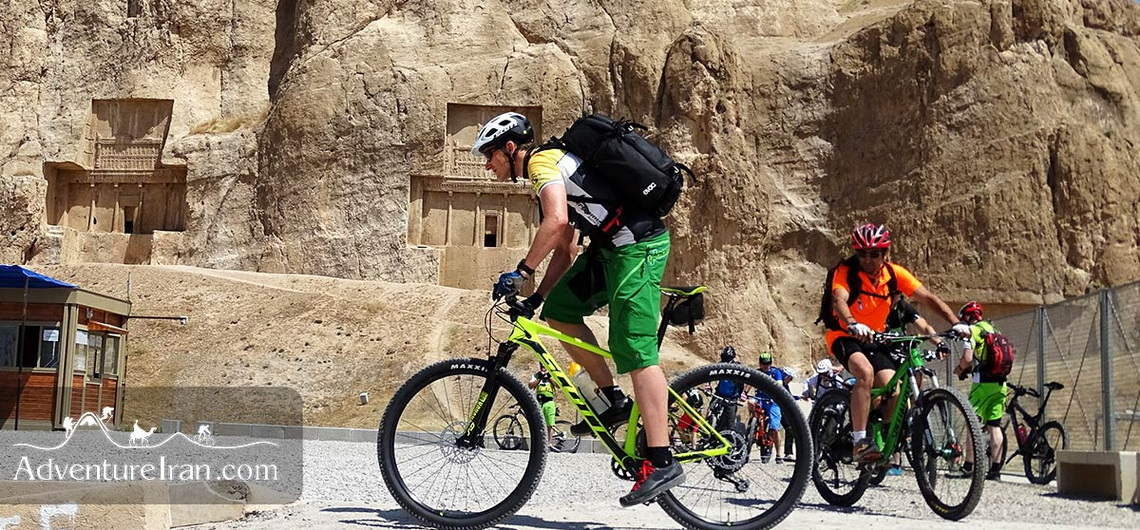
Cycling in Iran Iran consists of distinctive lands and climate. The terrain includes mountains, deserts, forests and seas which give both beginner cyclists and adventurous mountain bikers so many choices. From the hot temperature of the Persian Gulf coast, (at sea level), in the south, to the Mt Damavand at 5,610 m, the highest mountain in the Middle East, there are a wide range of options for cycling. You can choose to cycle: on a road on one of the islands in the southern part of the Persian Gulf or have an adventure expedition by cycling across one of our deserts or if you are an experienced cyclist, the tough single-track mountain biking on the heights of the Alborz or Zagros mountains may be for you. For advanced bikers, we can offer to ascend Mt Damavand with a Mountain Bike. We offer various destinations for your adventure journey to Iran taking into account the challenging terrain, your riding experience, your fitness and endurance level and time of travel. In Adventure Iran, our mountain biking trips start from one-day easy cycling tours in the north of Tehran to one-month tours. The Iranian Coast to Coast by Bicycle tour is one of the best examples of Adventure Iran’s long Mountain Biking tour. There are plenty of options for cycling with this particular one starting off from the Persian Gulf and finishing at the Caspian Sea. You can see that our enchanting country has a lot of potential for carrying out exceptional types of cycling tours, with something for everyone to fit their experience and wishes. If you are unable to bring your own bicycle, you can hire one from Adventure Iran. We provide good quality bicycles from XS to XL size. We have both cross country and enduro mountain
Cycling in Iran Iran consists of distinctive lands and climate. The terrain includes mountains, deserts, forests and seas which give both beginner cyclists and adventurous mountain bikers so many choices. From the hot temperature of the Persian Gulf coast, (at sea level), in the south, to the Mt Damavand at 5,610 m, the highest