Nomadic Tribes in Iran Iran is a multi-ethnic country, made up of different ethnic groups who live in every corner of the land. There are also umpteen types of nomadic tribes living in the various regions of the Alborz and Zagros mountain ranges in Iran. They consist of Bakhtiari, Qashqai, Shah Savan (Ilsavan nomads), Kurdish, Taleshi, Mamiand, Boier Ahmadi, Khamseh, Behmaiee, Mamasani, Kord, Taiebi, Jalali, Zalaki, Baluchi, and Afshar. Their customs, language, culture, and food are dissimilar to each other. They are supported by the Nomads Affairs Organization of Iran, a government organization responsible for supplying services to mountain climbers by managing the migration and relocation of nomads. It regulates the essential guidelines and schemes in coordination with the superior organizations such as parliament, government, and the Nomads supreme council. The nomads with their families and herds generally move from lower altitudes to higher mountains during the hot season, moving again to lower altitudes during the cold season. The majority start moving from early spring “depending on the region” till mid-autumn with their families and sheep. The biggest and best-known Iran nomads are the Bakhtiari who live mainly in the provinces of Esfahan, Khuzestan, and Chaharmahal with the remaining ones (approximately 200,000 people), located in the west. Qashghais with around 120,000 people are the second most populous nomads, who have a seasonal life in Bushehr, Fars, and a small part of Esfahan, Chaharmahal, and Bakhtiari provinces. Shahsavans are the third most populous nomads in Iran with around 500,000 people. They live in the northwest in the provinces of East Azarbaijan, Gilan, and Ardabil. The lifestyle of the indigenous people is set to be changed. Iranian nomads are also changing with the times. In recent decades, Iran's nomads are fading away. Comparing the first Adventure Iran nomadic trips
Nomadic Tribes in Iran Iran is a multi-ethnic country, made up of different ethnic groups who live in every corner of the land. There are also umpteen types of nomadic tribes living in the various regions of the Alborz and Zagros mountain ranges in Iran. They consist of Bakhtiari, Qashqai, Shah Savan (Ilsavan nomads), Kurdish,
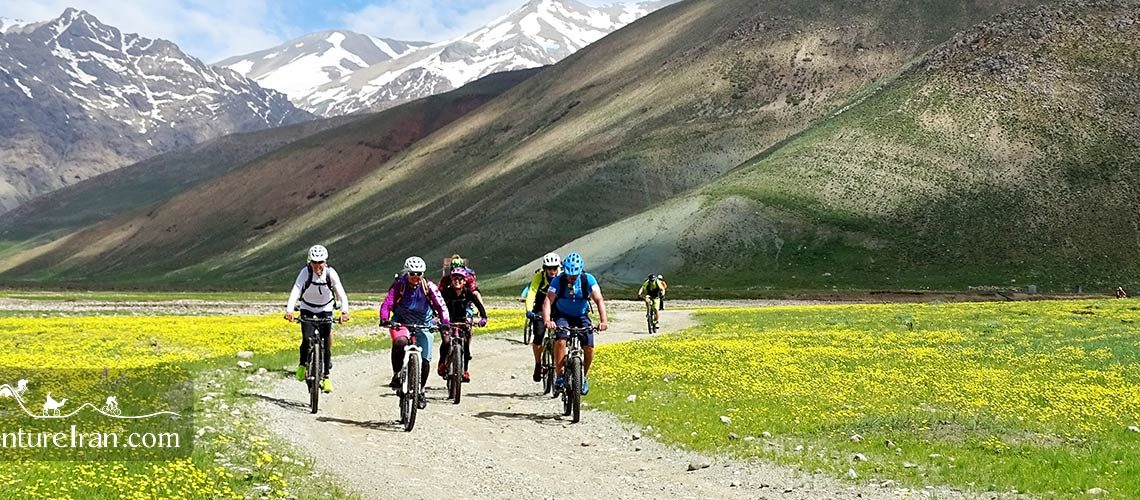
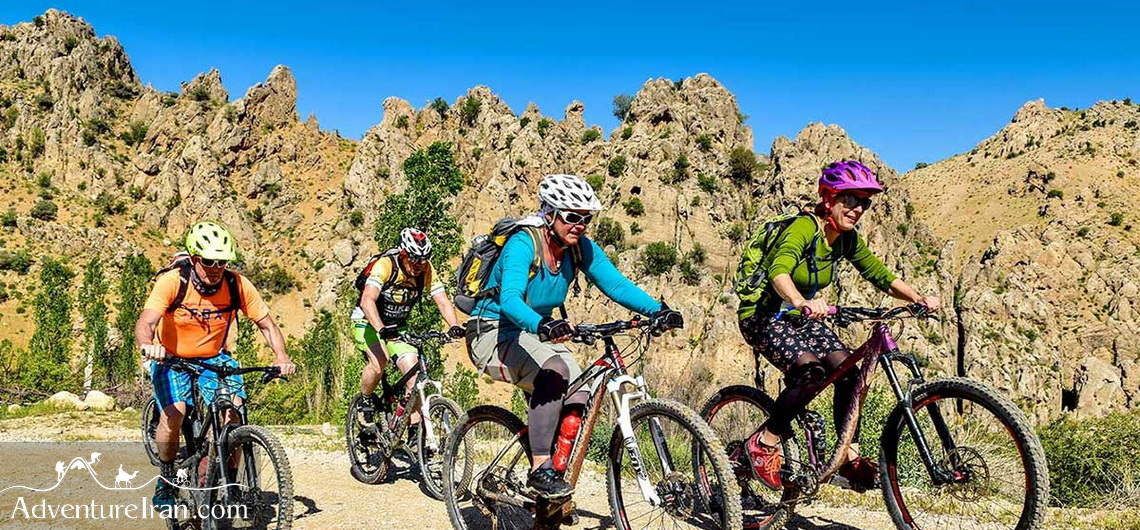
Mountain Biking in Iran Mountain Biking in Iran is a new activity for adventure travelers who come from all around the world. Iran is really an ideal mountain biking destination, but, unfortunately, it is not yet covered in the press and media. There are many Mountain Biking clubs, and over the past ten years, this challenge has appealed to a lot of women. Mountain Biking is not a popular activity as it is in some countries in Europe; there is not an exclusive cycling path in the streets of Iran. The mountains offer a lot of good trails and single-track roads which are proper for MTB freaks. There are a lot of dirt roads in our deserts between the villages and also single trails between oases which are perfect for this sport. We also have very decent roads with good quality asphalt in most parts of the country. As Iran is a mountainous country the roads are not flat so you will experience a lot of ascent and descent in most of them. We have created a wide range of mountain biking Iran tours from the Persian Gulf to the Caspian Sea. Iranian Coast to Coast by Bicycle tour is one of the good examples of our various mountain biking tours. If you check the CYCLING tour tab below the Iran Tours menus in the Adventure Iran website, you will find our Mountain Biking tours from January to December. In spring, we conduct most of our mountain biking tours in central Iran, where there are mountains and deserts. In summertime, we send our adventurous riders to the high peaks and sometimes to the Caspian Sea. Our mountain biking tours in autumn could take place in various regions. Autumn is a desert season. Desert of Iran “Dasht-e Kavir
Mountain Biking in Iran Mountain Biking in Iran is a new activity for adventure travelers who come from all around the world. Iran is really an ideal mountain biking destination, but, unfortunately, it is not yet covered in the press and media. There are many Mountain Biking clubs, and over the past ten years, this
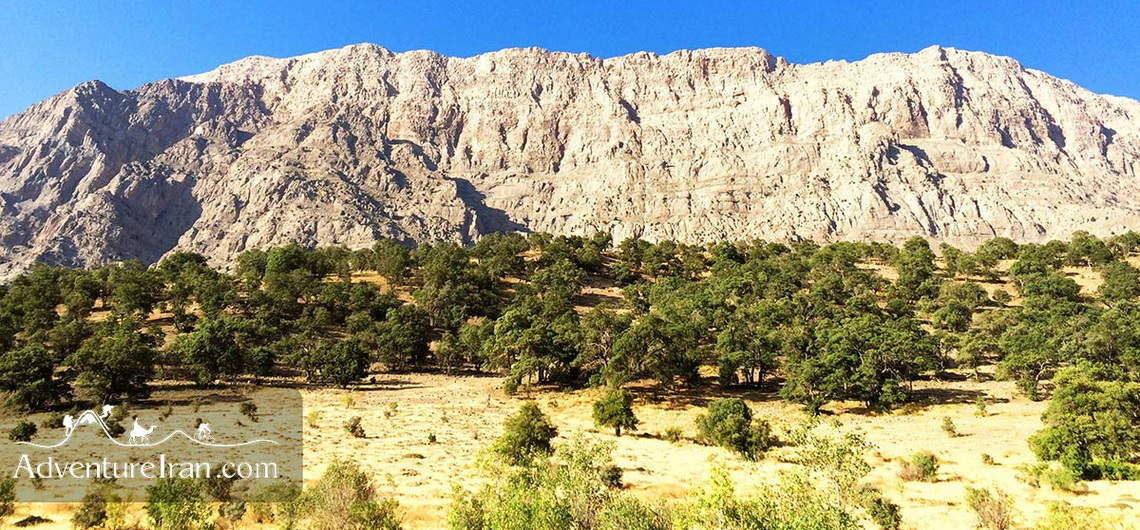
Dena National Park Dena National Park, with an approximate area of 250,000 hectares, is located in the middle of the Zagros mountain range covering the whole Dena mountain chain as explained in another article. Dena National Park is located in Dena Protected Area that is conserved by the Iranian Department of the Environment. The central part of Dena National Park was registered in 2010 on the UNESCO list as a Biosphere Reserve site. A biosphere reserve is an ecosystem with unusual plants and animals with scientific and natural interests. It is a label given by UNESCO to help preserve this remarkable region. The core area of the park is around 35,000 hectares, a large expanse indeed. The Dena region possesses an extensive number of plants, various native mammals seriously at risk of extinction, and different types of natural resources. Almond and pistachio trees can be seen mostly in the low-lying areas, whereas oak trees stand on elevated regions. Walnut, hackberry, and pear trees are also spread all over this spectacular area. This district has long been a protected habitat for many animals such as brown bears, wild goats, eagles, wolves, various wild cats including Caracas, lynxes, and leopards. In addition, many vast rivers namely the Dez, Karun, and Karkheh originate from this region where they flow into the Persian Gulf and the Oman Sea. Picturesque falls, lakes, and pools make this mountainous area even more remarkably striking. In this geographical area, a significant number of individuals live a nomadic lifestyle. Smaller groups still maintain their medieval lifestyle. The multiculturalism of local residents, like nomadic communities, is totally evidenced by their languages, local cuisine, dress code, dance folklore, various festivals, herding, weaving, and other traditional production and crafts. Moreover, their understanding and way of living with regard to seasonal
Dena National Park Dena National Park, with an approximate area of 250,000 hectares, is located in the middle of the Zagros mountain range covering the whole Dena mountain chain as explained in another article. Dena National Park is located in Dena Protected Area that is conserved by the Iranian Department of the Environment. The
Dena Mountain Chain Dena mountain chain is the name of sub-range mountains located in the middle of the Zagros mountain range of Iran. It is around 90 km long with an average 15 km width. Most parts of this chain reach nearly 3,000 meters in height with a spectacular view of the whole region. They are home to some of the highest mountains in the entire Zagros range with more than 40 peaks rising to an elevation of 4,000 meters or more above sea level. One of these, the stunning Ghash Mastaan (Bijan 3), is the highest peak of all, with an elevation of 4,450 meters. There are two starting points to ascend the main peaks: The first one is the easiest and the most popular. It starts from Sisakht, the town on the southern west side of Dena. There is a delightful trail that leads you to the shelter and the main peaks above 4000m. The second accessible way to the peaks is called the Northern route. It starts from Khafr village in the lowlands of Dena. If your goal is to just climb the highest peak, (Ghash Mastan), this is the shortest way to do it. Also, on both sides of the mountain there is a shelter above 3000 m which is convenient to stop for refreshments before ascending the peak. Dena National Park and Dena mountain chain, which includes the whole foothill area around the chain, is protected by the Department of the Environment of Iran. For more information, please check Dena Protected Area. With the exception of the mountain range, so amazing for expert hikers, there are plenty of villages in Dena Park, nestled in the mountains with breath taking scenery, wonderful for long distance hiking. In this area, there is a vast
Dena Mountain Chain Dena mountain chain is the name of sub-range mountains located in the middle of the Zagros mountain range of Iran. It is around 90 km long with an average 15 km width. Most parts of this chain reach nearly 3,000 meters in height with a spectacular view of the whole region. They