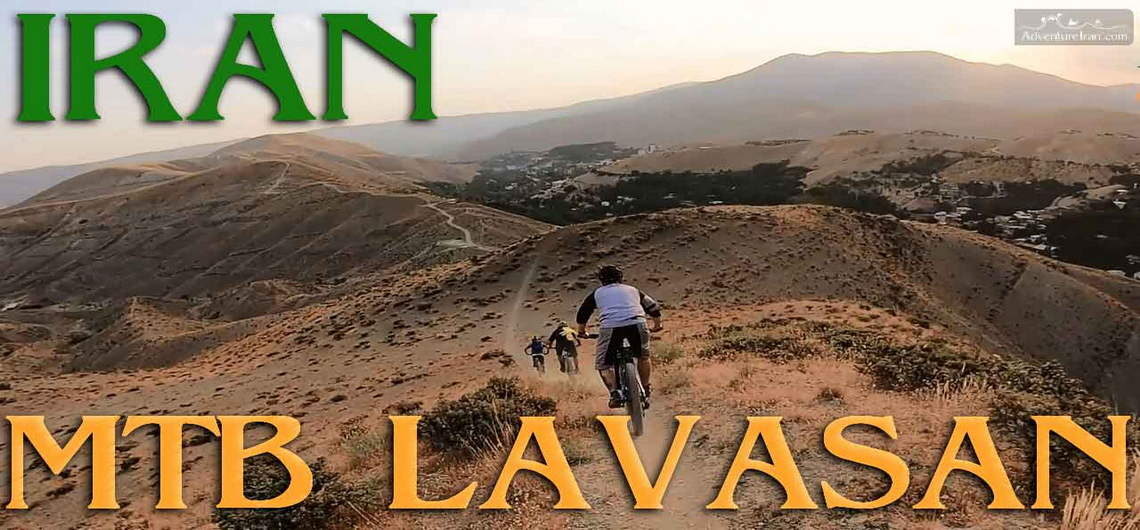
Mountain Biking in Lavasan This video is made of the highlights of a mountain biking tour in Lavasan that we did for a group of professional cyclists from Slovenia. They arrived in the June of 2019 as it is in the middle of summer, it’s the best time to ascend the mountains. They even brought their own bikes to ascend Mt Damavand (5610m), Iran’s highest mountain. Beside MT. Damavand, we prepared another MTB trip for them for a much exciting and adventurous mountain biking experience in Iran. They started their trip from Adventure Iran’s office in Lavasan by bicycle and ascended one of the mountains around the city. From there they had a single track MTB through a canyon and forest and a stop by Latian lake. the trip came to an end with them returning to our office. Lavasan city is the center of Lavasanat which is something of a suburb for Tehran, it is located in the north east of Tehran province with an average altitude of 1700m. It's located in a huge valley and now it's one of the most famous cities in the country with plenty of mountains. It's located in the central Alborz Mountains. plenty of villages surround the city. The southern part of central Alborz mountains has a bunch of high mountains like Mt. Kholeno, Mt Sarakchal, Mt Kolon Bastak and Mt Kharsang, that create a famous river called Jajrood. The end of this river reaches Lavasan and has made a lake called Latian in the southern part of the city. Also there is a dam with the same name “Latian dam” located in the south east of Lavasan, which you can see in most parts of the video. Hope you enjoy the video, if you like it subscribe to our channel to see
Mountain Biking in Lavasan This video is made of the highlights of a mountain biking tour in Lavasan that we did for a group of professional cyclists from Slovenia. They arrived in the June of 2019 as it is in the middle of summer, it’s the best time to ascend the mountains. They even brought
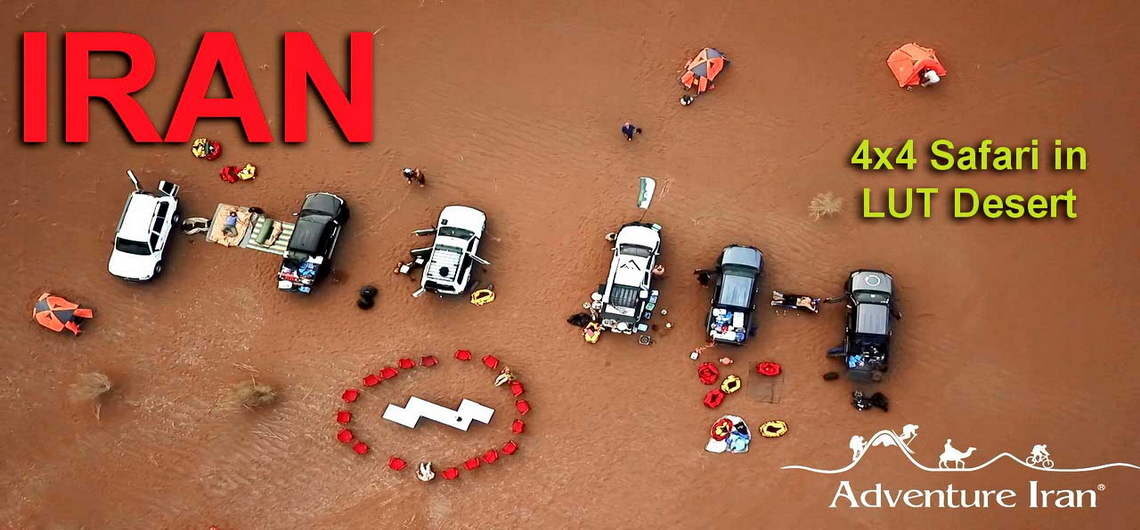
4X4 Safari in Dasht-E Lut desert The clip is an adventurous 4x4 desert safari in the heart of Dasht-e Lut desert that we arranged for an Italian group, performed in November of 2018. Dasht-e Lut is one of the two main deserts which are located in the south east of Iran, it's one of the most beautiful Iranian attractions for travelers who are looking for a bit of sun and heat. Lut is a natural world heritage site registered in the UNESCO list of Iran in 2016. Back to the video, The Journey was a 5 days expedition desert tour with jeeps inside Dasht-e Lut desert to visit the most attractive places of this beautiful desert. Dasht-e Lut’s Lut plain is very large with an area of about 2,278,015 ha which covers nearly three provinces of Iran. South Khorasan province is north west, Sistan and Baluchistan province is in the east, and Kerman province is located in south west of Lut desert. The group entered the desert through the north western side in South Khorasan and exited from the south east of the desert in Kerman province and drove an average of 100-200 kilometers per day to explore different sights of the desert and also slept in different regions every night. They mostly camped throughout the journey and our team managed the cooking and setting up the tents. They crossed Rig-e Yalan which as you might know is the famous huge sand hill and Kalouts fantasy city which is a special tight structure of sand created with rain and wind during several hundreds of years. At the end of the trip they reached Shahdad town and from there continued their journey towards Mahan and Kerman city. Hope you enjoy the video, if you like it subscribe to our channel to
4X4 Safari in Dasht-E Lut desert The clip is an adventurous 4×4 desert safari in the heart of Dasht-e Lut desert that we arranged for an Italian group, performed in November of 2018. Dasht-e Lut is one of the two main deserts which are located in the south east of Iran, it’s one of the
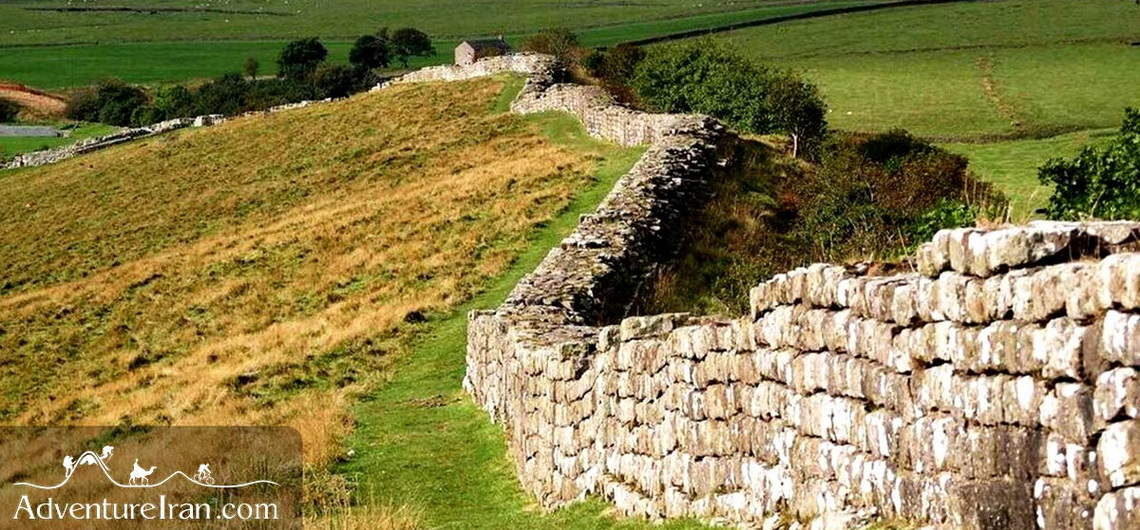
Great Wall of Gorgan The remains of the Great Wall of Gorgan, also known as “The Red Snake Wall” due to the color of its bricks, are located in northern Iran in the Golestan Province. Dating back to the Sasanid dynasty, the wall was originally built in approx. 420-530AD, which makes it 1,000 years older than the Great Wall of China. It has the remains of 38 fortifications and stretches for almost 200km. The Wall is believed by some to be the longest manmade ancient barrier between Central Europe and China and even longer than the Hadrian’s Wall and the Antonine Wall put together. Since there was not any stone or timber in the area, the wall was constructed with bricks. Substantial sections of the Great Wall of Gorgan appear, however, to be buried under the Caspian Sea. Together with the Tammisheh Wall, a shorter defensive barrier of similar design, also dating from the Sasanid time, both walls were part of the same defense system and were built of large fired bricks of similar shape and size and lined by an earth bank and ditch supplied with water by the canals. The canals bridged the Gorgan River via qanats. The Wall and the canals prove the hydraulic engineering skills of the Iranians in the Sassanid era. https://www.adventureiran.com/golestan-province-and-turkmen-plain-tourist-highlights/ https://www.adventureiran.com/golestan-national-park/
Great Wall of Gorgan The remains of the Great Wall of Gorgan, also known as “The Red Snake Wall” due to the color of its bricks, are located in northern Iran in the Golestan Province. Dating back to the Sasanid dynasty, the wall was originally built in approx. 420-530AD, which makes it 1,000 years older