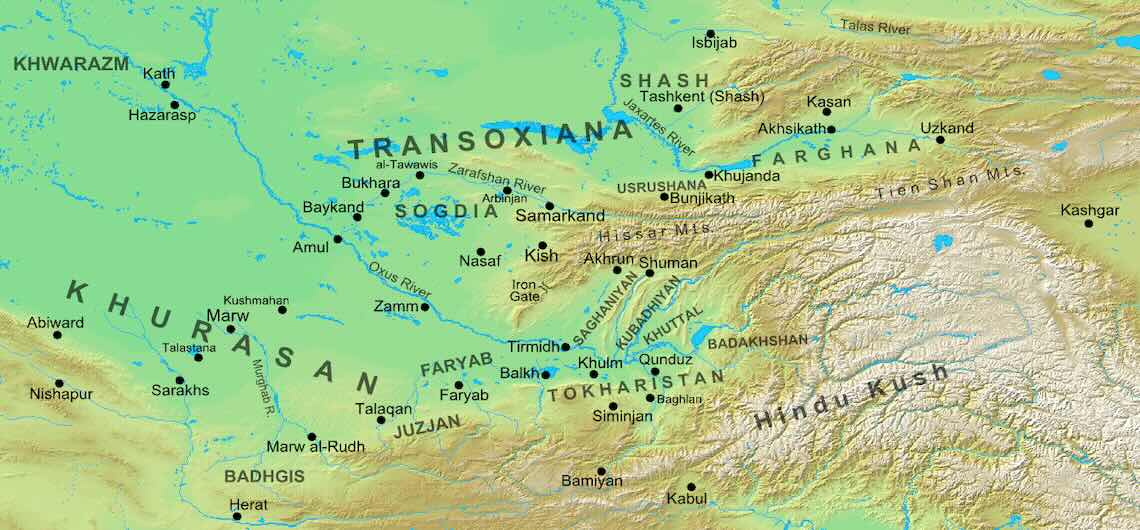
Greater Khorasan The Historic Heart of Eastern Persia Greater Khorasan stands as one of the most influential historical regions of the Persian world. For centuries, this vast territory connected civilizations, shaped empires, and produced some of the greatest thinkers, poets, and scholars in Iranian history. The name “Khorasan” means “Land of the Rising Sun.” It marked the eastern frontier of ancient Persia and extended far beyond modern political borders. Today, travelers who explore eastern Iran still feel the depth of this powerful heritage. For cultural explorers and off-the-beaten-track travelers, Greater Khorasan offers a journey into the intellectual and spiritual backbone of Iran. Where Was Greater Khorasan? Greater Khorasan once covered a vast territory that included: Northeastern Iran Parts of modern Afghanistan Sections of Turkmenistan Areas of Uzbekistan and Tajikistan Today, Iran divides its share of this historic region into three provinces: North Khorasan Razavi Khorasan South Khorasan Although modern borders changed the map, the cultural identity of Khorasan still unites these lands through language, music, architecture, and tradition. A Crossroads of Civilization of Greater Khorasan Greater Khorasan connected East and West along the Silk Road. Caravans carried silk, spices, ideas, and philosophies through its cities. Traders, scholars, and mystics moved across its deserts and mountains. Major historical cities such as Nishapur, Merv, and Herat flourished as centers of science, literature, and trade. This region produced towering figures of Persian civilization, including: Ferdowsi, author of the Shahnameh Omar Khayyam, mathematician and poet Al-Ghazali, influential philosopher and jurist Their legacy still defines Persian identity today. When you travel through Khorasan, you walk through landscapes that shaped epic poetry and philosophical thought. Cultural Identity and Traditions Greater Khorasan developed a strong cultural character that still influences eastern Iran. The region preserves: Epic storytelling traditions Spiritual and Sufi practices Rich
Greater Khorasan The Historic Heart of Eastern Persia Greater Khorasan stands as one of the most influential historical regions of the Persian world. For centuries, this vast territory connected civilizations, shaped empires, and produced some of the greatest thinkers, poets, and scholars in Iranian history. The name “Khorasan” means “Land of the Rising Sun.”
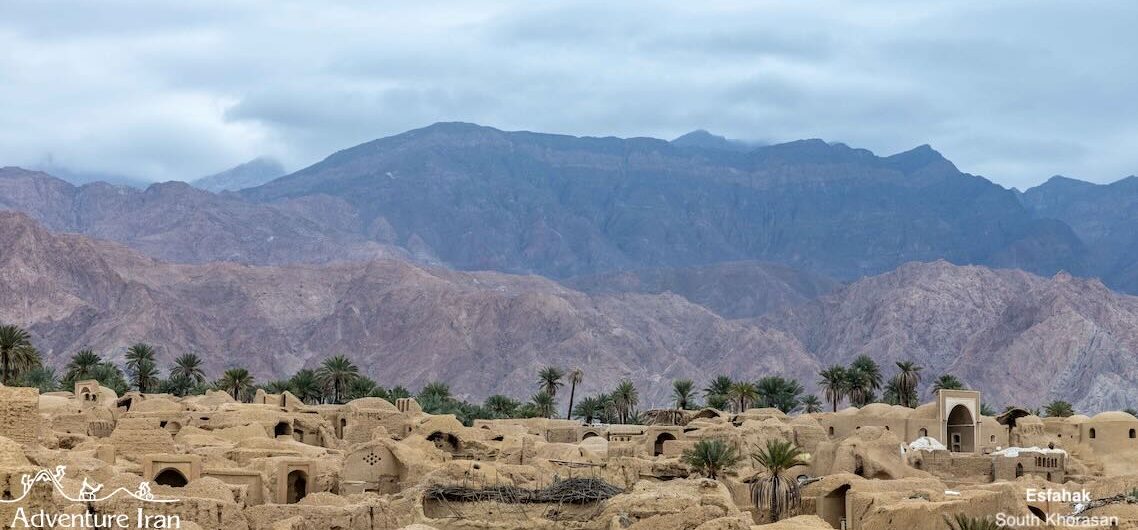
South Khorasan Travel Guide Desert Landscapes, Tabas Geopark & Hidden Gems of Eastern Iran South Khorasan Province in Iran is a region where ancient history, vibrant cultural traditions, and a unique desert landscape come together. Often called the “Land of Gems” for its famous saffron and barberry (Zereshk), its identity was shaped as a historic crossroads and a refuge throughout the centuries. Known in the past as Qohestan, it was part of the larger historical region of Greater Khorasan. Some scholars believe the name Qohestan is an Arabicized form of “Kohestan,” meaning “mountainous area,” due to its terrain. Today, South Khorasan remains one of Iran’s most authentic and less-visited provinces, offering travelers a rare opportunity to experience traditional lifestyles, dramatic landscapes, and architectural heritage far from mass tourism. Geography and Landscape of South Khorasan Located in eastern Iran along the border with Afghanistan, South Khorasan is characterized by vast desert plains, rugged mountains, oasis settlements, and wind-shaped rock formations. The climate is mostly arid and semi-arid, with hot summers and cold winters, yet life has flourished here for centuries thanks to qanat irrigation systems and resilient local communities. The contrast between golden deserts, green saffron fields, mud-brick villages, and distant mountain ranges creates exceptional opportunities for landscape and documentary photography. Music and Musical Heritage of Khorasan Alongside its landscape and cultural history, South Khorasan is part of Greater Khorasan one of Iran’s richest musical regions. In the north of this region traditional Khorasani music reflects the spiritual, historical, and everyday life of its people, with roots that stretch across eastern Iran and deep into local village and tribal traditions. While the broader Khorasan region is known for the Bakhshi maqami musical tradition — recognized by UNESCO as an intangible cultural heritage, featuring the long-necked dotār lute
South Khorasan Travel Guide Desert Landscapes, Tabas Geopark & Hidden Gems of Eastern Iran South Khorasan Province in Iran is a region where ancient history, vibrant cultural traditions, and a unique desert landscape come together. Often called the “Land of Gems” for its famous saffron and barberry (Zereshk), its identity was shaped as