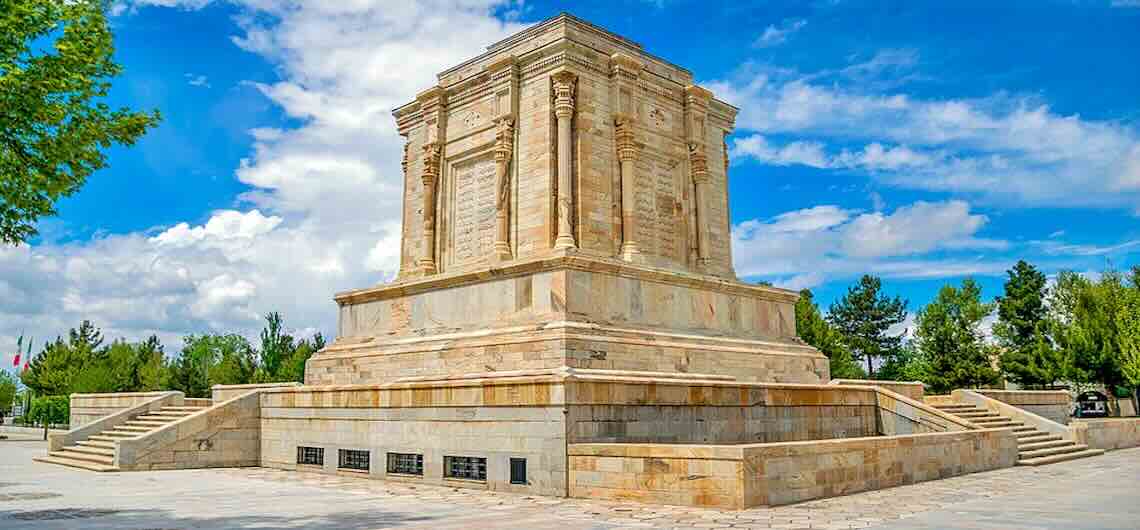
Ferdowsi THE VOICE OF ANCIENT PERSIA AND GUARDIAN OF THE PERSIAN LANGUAGE INTRODUCTION: THE POET WHO PRESERVED A CIVILIZATION For over a thousand years, one name has stood as the guardian of Persian identity: Ferdowsi. Born in the lush fields of Tus, in northeastern Iran in Khorasan, he spent over three decades crafting a masterpiece that would rescue the Persian language and culture from fading into history. For travelers who journey to Iran to uncover the soul of this ancient land, understanding Ferdowsi is essential. His words are woven into the fabric of Persian life, from the stories told in teahouses to the inscriptions on monuments. To walk in the footsteps of Ferdowsi is to connect with the timeless spirit of Iran. WHO WAS FERDOWSI? A MAN ON A MISSION Abu'l-Qasem Ferdowsi Tusi was born around 940 CE near the city of Tus in the Khorasan Razavi province. He came from a family of dehqans, a class of landowners who were the true keepers of pre-Islamic Persian heritage. He began his poetic career under the patronage of the Samanid dynasty (819–999 CE), a period when the Persian language was being rediscovered after the Arab conquest. Using a now-lost prose version of the Persian Book of Kings, Ferdowsi dedicated 35 years of his life to transforming it into a breathtaking epic poem. When he finally completed his life's work in 1010 CE, he was an old man. THE SHAHNAMEH: THE BOOK OF KINGS The Shahnameh, or "Book of Kings," is Ferdowsi's immortal achievement. It is a colossal work of approximately 50,000 rhymed couplets, making it one of the longest epic poems ever written by a single poet. The poem traces the history of Persia, from the creation of the world to the fall of the Achaemenid era
Ferdowsi THE VOICE OF ANCIENT PERSIA AND GUARDIAN OF THE PERSIAN LANGUAGE INTRODUCTION: THE POET WHO PRESERVED A CIVILIZATION For over a thousand years, one name has stood as the guardian of Persian identity: Ferdowsi. Born in the lush fields of Tus, in northeastern Iran in Khorasan, he spent over three decades crafting