
Golestan Palace Damaged: A UNESCO Treasure Under Threat
Introduction
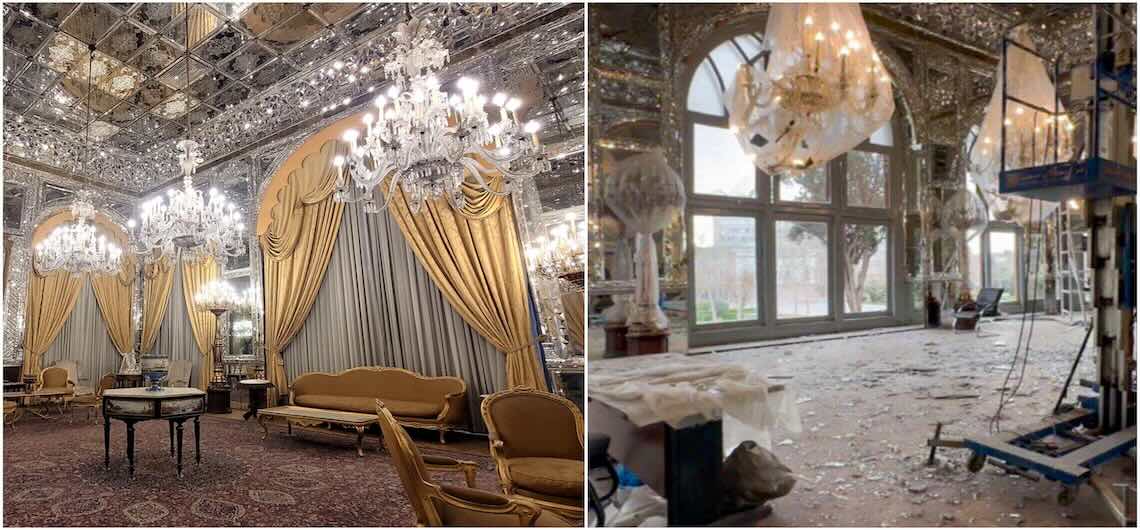
Iran’s cultural heritage has suffered a devastating blow. On Monday, March 2, 2026, the historic Golestan Palace in Tehran—a jewel of Qajar-era architecture and a UNESCO World Heritage site—was reportedly damaged by debris and the shockwave of an airstrike that hit the nearby Arag Square, located within the buffer zone of the palace complex.
This attack marks a dark moment in the ongoing conflict, raising urgent questions about the protection of cultural property under international law. For travelers, historians, and lovers of Persian culture, this is a loss that resonates far beyond Iran’s borders.
What Is Golestan Palace?
Golestan Palace (Kākh-e Golestān) is one of Tehran’s oldest and most significant historical complexes. Built during the Qajar dynasty** (1789–1925), it served as the official residence of the royal family. The palace is renowned for its:
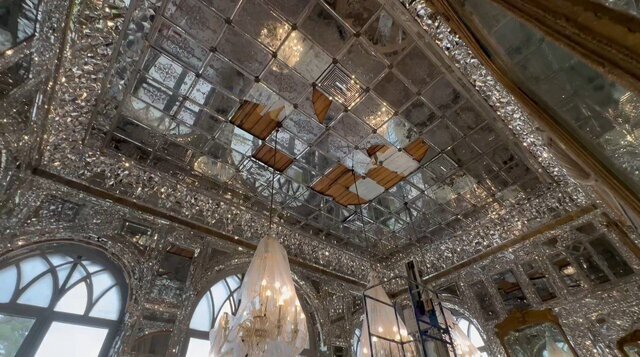
- Mirror Hall (Tālār-e Āyneh): A dazzling chamber covered in intricate mirrorwork.
- Marble Throne (Takht-e Marmar): An ornate throne made of yellow marble from Yazd.
- Shams-ol-Emāreh: A striking seven-story tower that was Tehran’s first skyscraper.
- Fountain rooms, museums, and galleries housing Qajar-era art and artifacts.
Inscribed on the UNESCO World Heritage List in 2013, Golestan Palace is a masterpiece of Persian architecture and garden design, blending traditional Persian elements with Western influences.
What Happened on March 2, 2026?
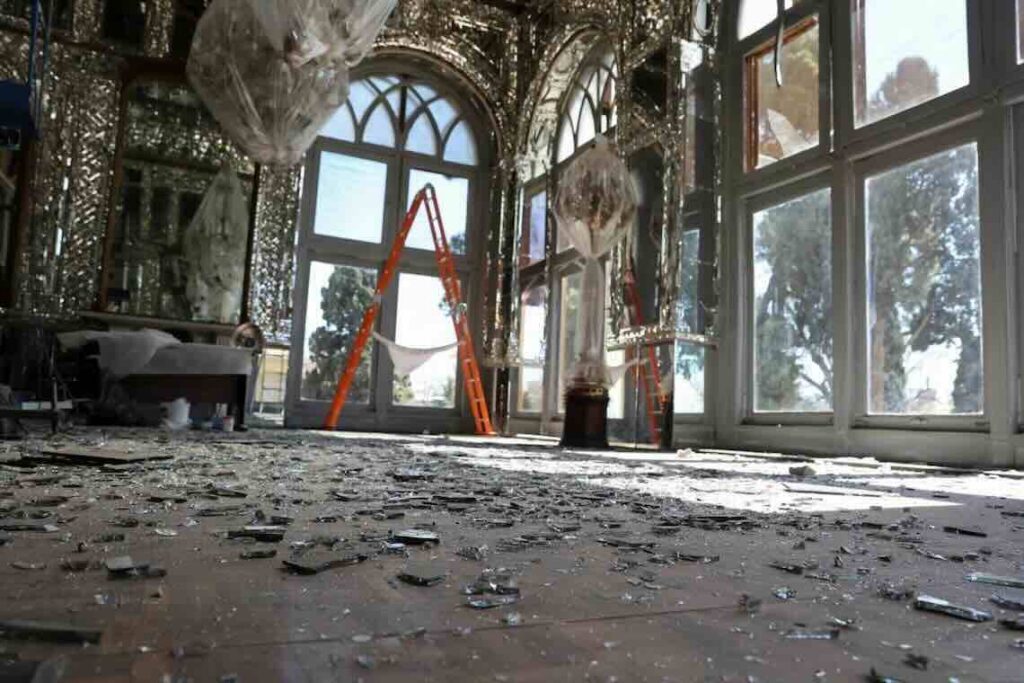
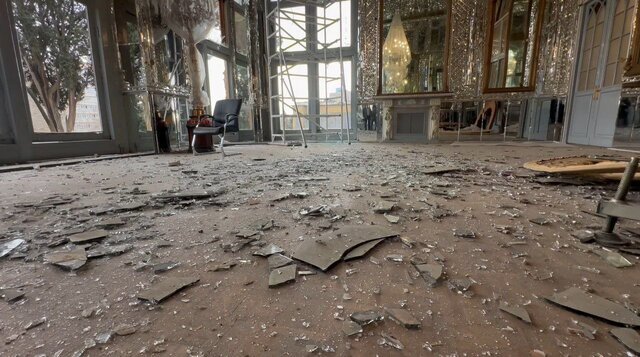
According to official reports from Iran’s Ministry of Cultural Heritage and international media, an airstrike targeted a location in Arag Square, which lies within the buffer zone of the Golestan Palace World Heritage site. The explosion sent a shockwave through the area, and debris struck parts of the palace complex.
Initial assessments indicate:
- The Mirror Hall suffered shattered mirrors and cracked walls.
- Several windows in the Marble Throne building were blown out.
- Damage to decorative tiles and ceilings in the main courtyard.
- Non-structural cracks in some walls, though the overall integrity of the palace remains intact.
No casualties have been reported at the palace itself, but the psychological and cultural impact is immense.
UNESCO’s Response and International Law
Immediately after the incident, **UNESCO** issued a statement expressing deep concern. The organization is closely monitoring the situation and has communicated the geographical coordinates of all World Heritage sites—including Golestan Palace—to all parties involved in the conflict, with the aim of avoiding further damage.
UNESCO has also reminded all parties of their legal obligations under:
- The 1954 Hague Convention for the Protection of Cultural Property in the Event of Armed Conflict (and its First Protocol of 1954 and Second Protocol of 1999).
- The 1972 Convention Concerning the Protection of the World Cultural and Natural Heritage.
These treaties prohibit any act of hostility directed against cultural property and require parties to refrain from using such sites for military purposes. Attacks on cultural heritage may constitute war crimes under the Rome Statute of the International Criminal Court.

Why This Matters for Travelers and the World
Golestan Palace is not just an Iranian treasure—it is a -shared heritage of humanity-. Millions of visitors from around the world have walked its halls, admired its artistry, and experienced a chapter of Persian history. The damage inflicted on March 2 is a blow to cultural diversity, historical memory, and the global effort to preserve our collective past.
For those planning to visit Iran, Golestan Palace has long been a must‑see destination. While the site remains open (with restricted access to damaged areas), restoration efforts will take years. The loss of original fabric—shattered mirrors, cracked tiles, broken stucco—can never be fully reversed.

What Comes Next?
Iran’s Cultural Heritage Organization has already begun emergency stabilization work:
- Debris removal and structural assessments.
- Temporary coverings for broken windows and damaged roofs.
- Documentation of the damage for potential legal action and future restoration.
UNESCO has offered technical assistance, and international conservation bodies have expressed willingness to help. However, full restoration will depend on an end to hostilities and access to funds.
In the meantime, the world watches. Travelers who wish to support Golestan Palace can do so by visiting once it is safe, respecting any restrictions, and spreading awareness of the importance of protecting cultural heritage during wartime.
Comments