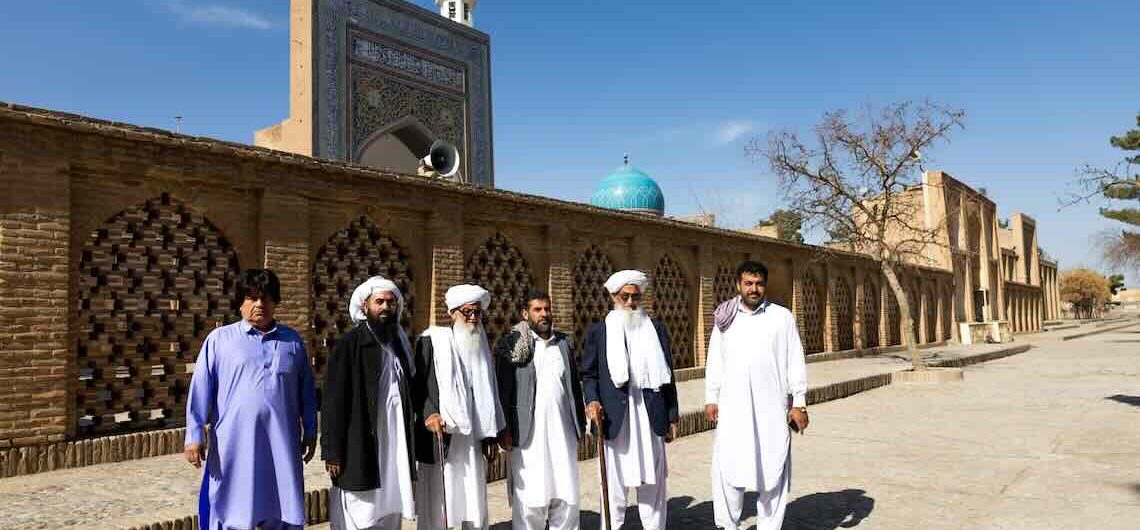
Exploring Sufism in Iran's Sacred Khorasan Northeast Iran holds a secret. Beneath the vast skies of Khorasan—a region stretching from the Caspian Sea to the borders of Afghanistan—lies something invisible to the untrained eye. It is not found in guidebooks or captured in postcards. It is the echo of centuries of spiritual seeking, whispered through the wind that sweeps across its deserts and wraps around the domes of ancient shrines. Khorasan is not merely a place on a map. It is one of the unknown great spiritual centers of the world. For the traveler willing to look deeper, this land offers something far more valuable than monuments: a living connection to the mystics who shaped the soul of Persia. Quick Overview: Khorasan's Mystical Heritage at a Glance Aspect Details Spiritual Era 9th–15th centuries CE Key Figures Bayazid Bastami, Abu Sa'id, Kharaqani, Ahmad-e Jam, Khayyam & Attar of Nishapur Main Sites Bastam, Torbat-e Jam, Mashhad, Kharaqan, Gonabad, Photography type People, Architecture, Street and Landscape Photography Best Time to Visit Spring (March–May) and Autumn (September–November) The School of Khorasan: A Mystical Voice Like No Other While Baghdad developed a Sufism of sobriety and strict discipline, Khorasan gave birth to something more daring. Here, mystics embraced spiritual intoxication—an ecstatic annihilation in divine love that found expression in bold, startling utterances . This was also the birthplace of the Malāmati tradition, the "Path of Blame." Its followers deliberately concealed their piety and accepted public criticism as a way to purify the ego. They understood a profound truth: when you care nothing for what others think, you are free to seek only the approval of the Beloved. Masters of the Mystic Path Bayazid Bastami: The Ecstatic Pioneer In the quiet town of Bastam, we encounter one of Islam's most extraordinary mystics. Abu Yazid (Bayazid)
Exploring Sufism in Iran’s Sacred Khorasan Northeast Iran holds a secret. Beneath the vast skies of Khorasan—a region stretching from the Caspian Sea to the borders of Afghanistan—lies something invisible to the untrained eye. It is not found in guidebooks or captured in postcards. It is the echo of centuries of spiritual seeking, whispered