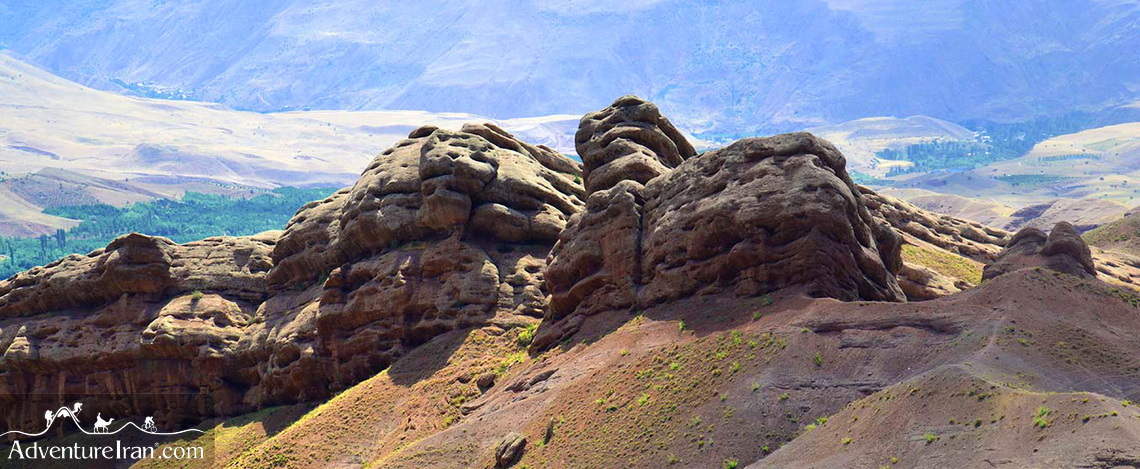
Iran Celebrates Its 30th World Heritage Site Alamut Castle and Its Historic Fortresses Inscribed on the UNESCO Iran has officially welcomed its 30th UNESCO World Heritage Site as the Alamut Castle and its Associated Fortifications. These were inscribed on the UNESCO World Heritage List during the 48th Session of the UNESCO World Heritage Committee held in Busan, South Korea. The newly inscribed building is not limited just to the famous Alamut Castle. UNESCO recognized a defensive network consisting of seven historic fortresses spread across the alleys of Eastern and Western Alamut in the Alborz Mountains. The property includes: Alamut Castle Lambsar Fortress Navizar Shah Fortress Shams Kalayeh Fortress Qostin Lar Fortress Shirkuh Fortress Ilan Fortress Together, these castles formed one of medieval Iran's most sophisticated mountain defense systems. Perched dramatically on a towering rocky cliff about 105 kilometers north of Qazvin, Alamut Castle overlooks deep valleys and rugged mountain landscapes. For nearly two centuries, from the late 11th century until the Mongol invasion in 1256, it served as the political, military, and intellectual center of the Nizari Ismaili state under Hasan-i Sabbah’s leadership. Apart from its reputation, Alamut was an extraordinary example of medieval engineering where archaeological studies highlighted its advanced water collection and storage systems. Its carefully designed fortifications, and strategic mountain architecture enabled the fortress to withstand long sieges. Historical records also describe Alamut as a center of scholarship, home to an important library and scientific activities. Rising above the cliffs, Alamut is far more than an ancient fortress. It is a symbol of resilience, strategic ingenuity, and one of Iran's most fascinating episodes of medieval history. For centuries, Alamut Castle has watched over the valleys of the Alborz, preserving stories that continue to inspire historians, archaeologists, and travelers from around the world. This new inscription
Iran Celebrates Its 30th World Heritage Site Alamut Castle and Its Historic Fortresses Inscribed on the UNESCO Iran has officially welcomed its 30th UNESCO World Heritage Site as the Alamut Castle and its Associated Fortifications. These were inscribed on the UNESCO World Heritage List during the 48th Session of the UNESCO World Heritage Committee held
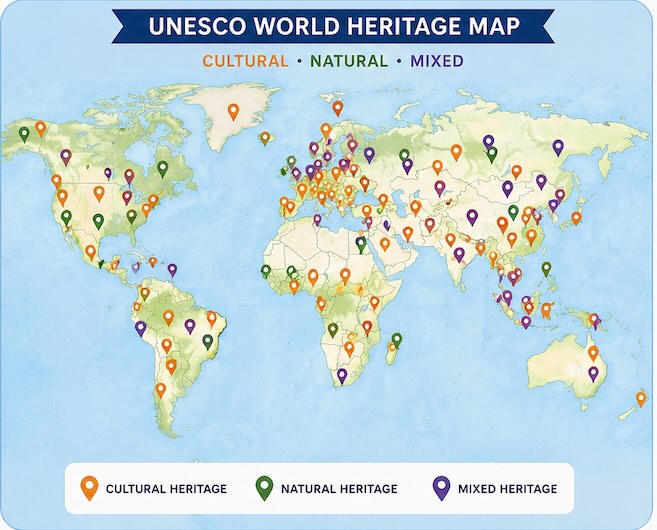
UNESCO’s New 2025–2026 World Heritage Map Now Features Iran’s Khorramabad Valley UNESCO’s Latest World Heritage Map Includes Iran’s Newest Treasure UNESCO has unveiled its 2025–2026 World Heritage Map, showcasing every property currently inscribed on the World Heritage List. For the first time, the Prehistoric Sites of the Khorramabad Valley appear on UNESCO’s official global map, marking another important milestone for one of the world’s most significant archaeological landscapes. Although the Khorramabad Valley was inscribed on the UNESCO World Heritage List in 2025, its inclusion on the newly published map gives the site even greater international visibility. Used by travelers, researchers, educators, and heritage enthusiasts worldwide, the UNESCO World Heritage Map is far more than a simple geographic reference—it is a visual guide to humanity’s most exceptional cultural and natural treasures. For Iran, the addition of the Khorramabad Valley represents another proud moment. The country now boasts 30 UNESCO World Heritage Sites, highlighting its extraordinary contribution to the story of human civilization. What Is the UNESCO World Heritage Map? Every few years, UNESCO publishes an updated World Heritage Map reflecting the current list of recognized cultural and natural properties across the globe. The map is designed to help travelers, students, historians, and governments explore the distribution of World Heritage Sites while raising awareness about their protection. Every new inscription is eventually added to this official map, making it one of the most authoritative visual references for global heritage. The publication of the 2025–2026 edition is particularly significant for Iran because it introduces the Prehistoric Sites of the Khorramabad Valley to millions of people who use UNESCO’s educational materials and travel resources. Where Is the Khorramabad Valley? The Khorramabad Valley lies in Lorestan Province in western Iran, surrounded by the spectacular Zagros Mountains. For thousands of years, these mountains
UNESCO’s New 2025–2026 World Heritage Map Now Features Iran’s Khorramabad Valley UNESCO’s Latest World Heritage Map Includes Iran’s Newest Treasure UNESCO has unveiled its 2025–2026 World Heritage Map, showcasing every property currently inscribed on the World Heritage List. For the first time, the Prehistoric Sites of the Khorramabad Valley appear on UNESCO’s official global
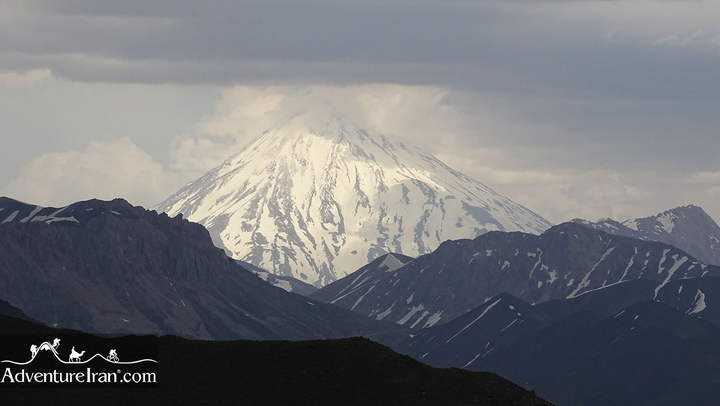
Commemorating Mount Damavand Day The Myths, Legends & Majesty of Iran’s Highest Mountain Every year on the 13th of Tir (July 4), Iranians commemorate Mount Damavand Day, honoring the country’s highest peak and one of its most enduring national symbols. More than simply celebrating a mountain, this day recognizes the natural heritage, mythology, literature, and cultural identity that have made Mount Damavand an icon throughout Persian history. Standing proudly above the Alborz Mountains, Damavand has inspired generations of climbers, poets, artists, and travelers. It represents resilience, freedom, and the timeless connection between nature and Persian civilization. Today, Mount Damavand Day reminds us that some landscapes are more than geographical landmarks—they become part of a nation’s identity. Mount Damavand: The Roof of Iran Towering at 5,610 meters (18,406 feet) above sea level, Mount Damavand is the highest mountain in Iran, the highest volcano in Asia, and the tallest peak in the Middle East. Located about 70 kilometers northeast of Tehran within the central Alborz Mountain Range, its perfectly symmetrical, snow-covered cone dominates the northern Iranian skyline. Damavand is also a dormant stratovolcano. Its volcanic origins are still visible through sulfur vents, hot springs, and colorful mineral deposits scattered across its slopes. For mountaineers around the world, reaching its summit is a remarkable achievement. For Iranians, however, Damavand represents something far greater than altitude—it is a symbol of perseverance, justice, and national pride. The Mountain of Legends Few mountains anywhere in the world possess a mythology as rich as Mount Damavand. Its towering silhouette has inspired countless legends, the most famous preserved in the Shahnameh (The Book of Kings) by the great Persian poet Abu al-Qasim Ferdowsi. Completed over a thousand years ago, the Shahnameh is the world’s longest epic poem written by a single author. It preserves the myths,
Commemorating Mount Damavand Day The Myths, Legends & Majesty of Iran’s Highest Mountain Every year on the 13th of Tir (July 4), Iranians commemorate Mount Damavand Day, honoring the country’s highest peak and one of its most enduring national symbols. More than simply celebrating a mountain, this day recognizes the natural heritage, mythology, literature, and