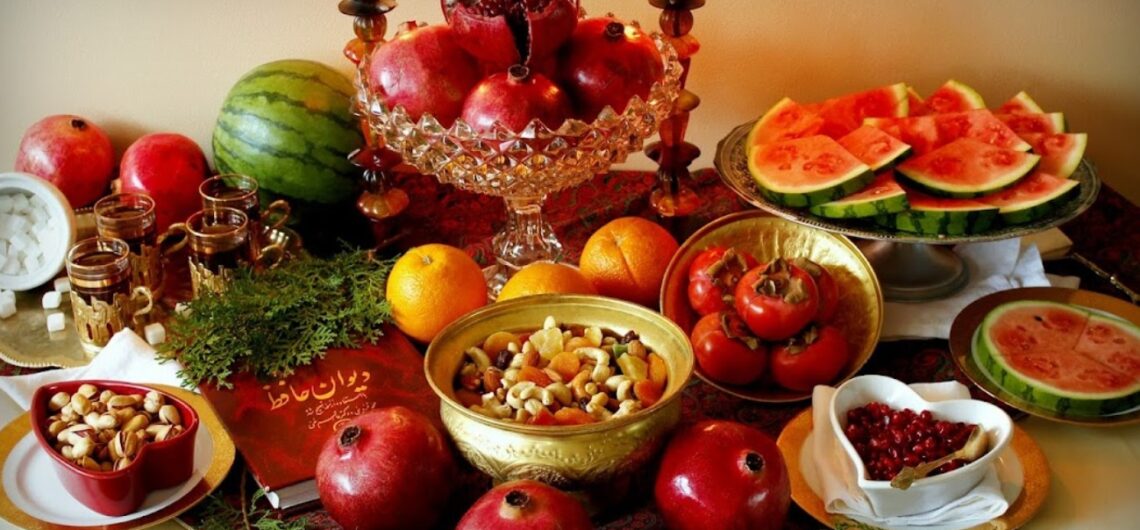
Yalda Night, known in Persian as Shab-e Yalda, is the ancient Iranian celebration of the longest night of the year. Observed on the winter solstice, this cultural event brings families together to welcome the return of longer days through poetry, symbolic food, and storytelling. According to historical sources, Yalda Night traditions date back thousands of years and are deeply rooted in Persian cosmology and seasonal cycles. What Is Yalda Night Yalda marks the transition from darkness to light. The word Yalda originates from the Syriac term meaning birth, symbolizing the rebirth of the sun after the longest night. For Iranians, this night represents hope, resilience, and continuity across generations. Key Traditions of Yalda Night in Iran Family Gatherings Yalda is traditionally celebrated at the home of elders. Families and friends stay awake late into the night, sharing food, stories, and conversation as a symbol of unity and warmth during winter. Symbolic Yalda Foods Pomegranate: Symbol of life, vitality, and renewal. Watermelon: Represents the sun and is believed to protect against winter illness. Nuts and dried fruits: Signs of abundance and prosperity. Poetry and Fal-e Hafez One of the most meaningful Yalda rituals is reading poetry from the Divan of Hafez. Families practice Fal-e Hafez by opening the book at random and reflecting on the selected poem as guidance for the future. How Yalda Night Is Celebrated Across Iran While core traditions are shared nationwide, regional customs vary. In some areas, storytelling from the Shahnameh is common, while in others local music and folklore shape the celebration. This diversity reflects Iran’s rich cultural landscape. Why Yalda Night Matters Today Yalda Night is more than a seasonal event. It connects modern Iranian life with ancient beliefs about nature, light, and endurance. For travelers, Yalda offers a rare opportunity to experience Iranian hospitality
Yalda Night, known in Persian as Shab-e Yalda, is the ancient Iranian celebration of the longest night of the year. Observed on the winter solstice, this cultural event brings families together to welcome the return of longer days through poetry, symbolic food, and storytelling. According to historical sources, Yalda Night traditions date back thousands of