
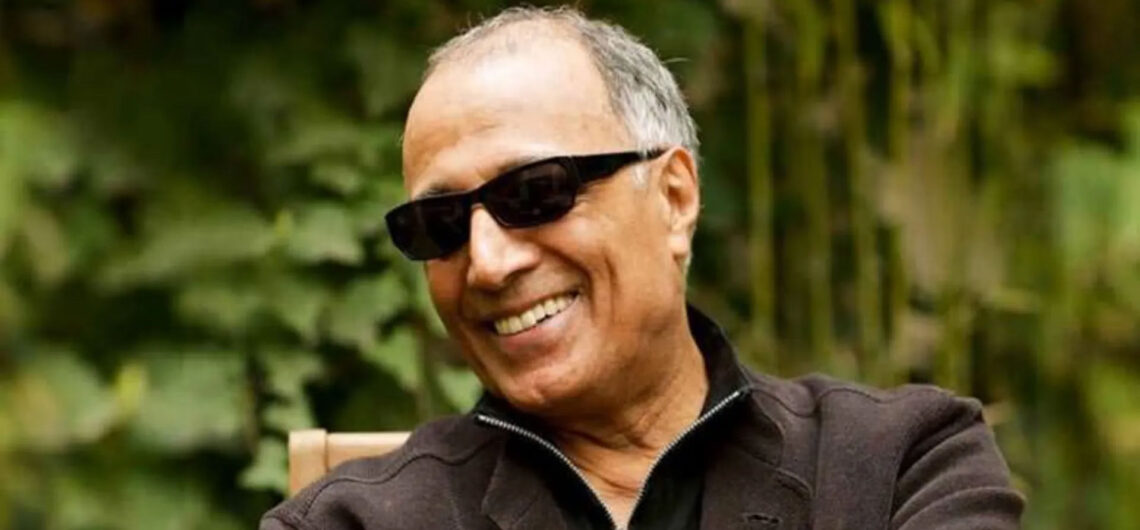
Abbas Kiarostami is widely regarded as one of the most influential filmmakers in the history of world cinema. His work transcended national borders, languages, and cinematic conventions, placing Iranian cinema firmly on the global cultural map. More than a director, Kiarostami was a poet, photographer, screenwriter, painter, and philosopher of everyday life. His films continue to inspire filmmakers, critics, and travelers seeking to understand Iran beyond stereotypes.
Who Was Abbas Kiarostami
Abbas Kiarostami was born in Tehran in 1940 and began his artistic career as a graphic designer and illustrator. He entered cinema through the Institute for the Intellectual Development of Children and Young Adults, where he created educational films that later evolved into deeply human cinematic works. Over decades, Kiarostami developed a unique language rooted in realism, silence, simplicity, and profound emotional depth.
A Global Master of Minimalist Cinema
Kiarostami’s cinema is often described as minimalist, but its emotional and philosophical impact is immense. His films rely on non professional actors, natural settings, open endings, and long contemplative shots. Rather than telling audiences what to think, he invites them to observe, question, and participate mentally in the narrative. This approach reshaped the boundaries between documentary and fiction.
Key Films That Defined His Legacy
Where Is the Friend’s Home (1987)
This film introduced international audiences to Kiarostami’s poetic realism. Through the simple story of a child returning a notebook, the film explores responsibility, friendship, and moral duty. It is set in rural northern Iran and presents everyday life with extraordinary emotional clarity.
Close Up (1990)
Often considered one of the greatest films ever made, Close Up blurs the line between reality and fiction. It reconstructs a real court case involving identity, deception, and the love of cinema. The film challenged cinematic form and influenced generations of filmmakers worldwide.
Taste of Cherry (1997)
Winner of the Palme d’Or at the Cannes Film Festival, Taste of Cherry is a philosophical journey through Tehran’s outskirts. The film reflects on life, death, choice, and human connection through sparse dialogue and long, meditative scenes. It became a landmark of world cinema.
The Wind Will Carry Us (1999)
Set in a remote Kurdish village, this film captures the rhythm of rural Iran and the quiet tension between tradition and modern observation. The film’s subtle humor, poetic references, and off screen storytelling reflect Kiarostami’s mature cinematic vision.
Kiarostami Beyond Cinema
Abbas Kiarostami was not limited to filmmaking. His photography, poetry, calligraphy, and visual art were exhibited in major galleries and museums worldwide. His photographs of roads, landscapes, and isolated trees echo the themes of solitude and contemplation found in his films.
Why Abbas Kiarostami Matters to Travelers
For travelers interested in Iran, Kiarostami’s work offers a deeply authentic lens into Iranian life. His films reveal villages, landscapes, roads, and human interactions that travelers encounter firsthand. Watching his films before visiting Iran allows travelers to connect emotionally with places and people long before arrival.
Many cultural travelers explore Iran seeking the quiet beauty, rural rhythm, and philosophical depth portrayed in Kiarostami’s cinema. These experiences are reflected in cultural and nature focused journeys offered by
Adventure Iran cultural tours.
International Recognition and Influence
Kiarostami was admired by filmmakers such as Martin Scorsese, Jean Luc Godard, and Akira Kurosawa. His influence can be seen in global art house cinema, independent filmmaking, and modern narrative experimentation. Universities around the world continue to teach his films as essential cinematic texts.
For an overview of his international career and awards, see:
Abbas Kiarostami Biography.
Legacy and Cultural Impact
Abbas Kiarostami passed away in 2016, but his artistic legacy remains alive. His films continue to be screened at festivals, studied by scholars, and discovered by new audiences. He represents Iran not through politics or spectacle, but through humanity, silence, and everyday truth.
Final Thoughts
Abbas Kiarostami stands among the great cultural figures of world cinema. His work teaches viewers how to see, listen, and reflect. For anyone interested in Iranian culture, cinema, or meaningful travel experiences, discovering Kiarostami’s films is not optional. It is essential.
Comments