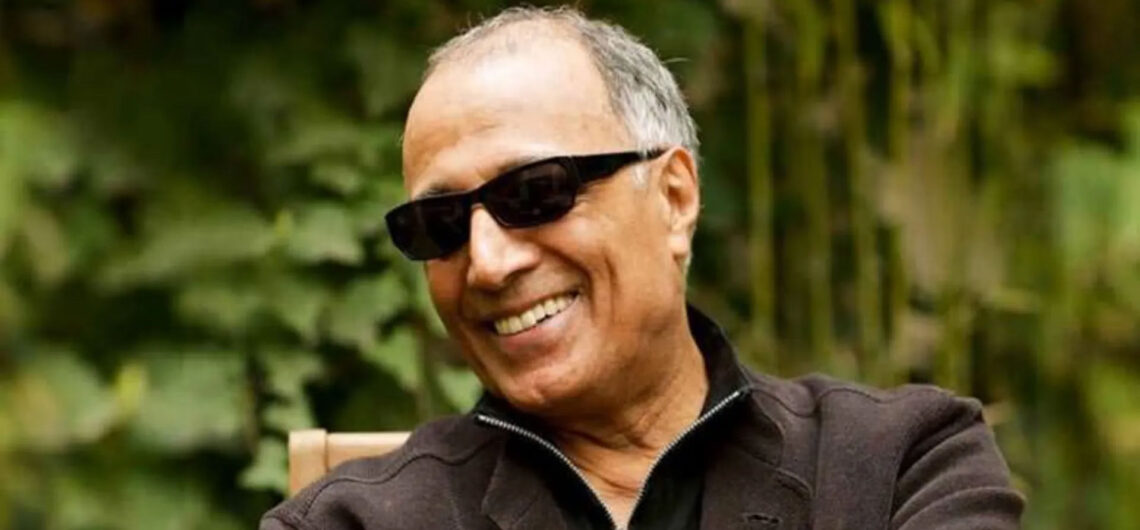
Abbas Kiarostami is widely regarded as one of the most influential filmmakers in the history of world cinema. His work transcended national borders, languages, and cinematic conventions, placing Iranian cinema firmly on the global cultural map. More than a director, Kiarostami was a poet, photographer, screenwriter, painter, and philosopher of everyday life. His films continue to inspire filmmakers, critics, and travelers seeking to understand Iran beyond stereotypes. Who Was Abbas Kiarostami Abbas Kiarostami was born in Tehran in 1940 and began his artistic career as a graphic designer and illustrator. He entered cinema through the Institute for the Intellectual Development of Children and Young Adults, where he created educational films that later evolved into deeply human cinematic works. Over decades, Kiarostami developed a unique language rooted in realism, silence, simplicity, and profound emotional depth. A Global Master of Minimalist Cinema Kiarostami’s cinema is often described as minimalist, but its emotional and philosophical impact is immense. His films rely on non professional actors, natural settings, open endings, and long contemplative shots. Rather than telling audiences what to think, he invites them to observe, question, and participate mentally in the narrative. This approach reshaped the boundaries between documentary and fiction. Key Films That Defined His Legacy Where Is the Friend’s Home (1987) This film introduced international audiences to Kiarostami’s poetic realism. Through the simple story of a child returning a notebook, the film explores responsibility, friendship, and moral duty. It is set in rural northern Iran and presents everyday life with extraordinary emotional clarity. Close Up (1990) Often considered one of the greatest films ever made, Close Up blurs the line between reality and fiction. It reconstructs a real court case involving identity, deception, and the love of cinema. The film challenged cinematic form and influenced generations of filmmakers worldwide. Taste of
Abbas Kiarostami is widely regarded as one of the most influential filmmakers in the history of world cinema. His work transcended national borders, languages, and cinematic conventions, placing Iranian cinema firmly on the global cultural map. More than a director, Kiarostami was a poet, photographer, screenwriter, painter, and philosopher of everyday life. His films continue