
South Khorasan Travel Guide
Desert Landscapes, Tabas Geopark & Hidden Gems of Eastern Iran
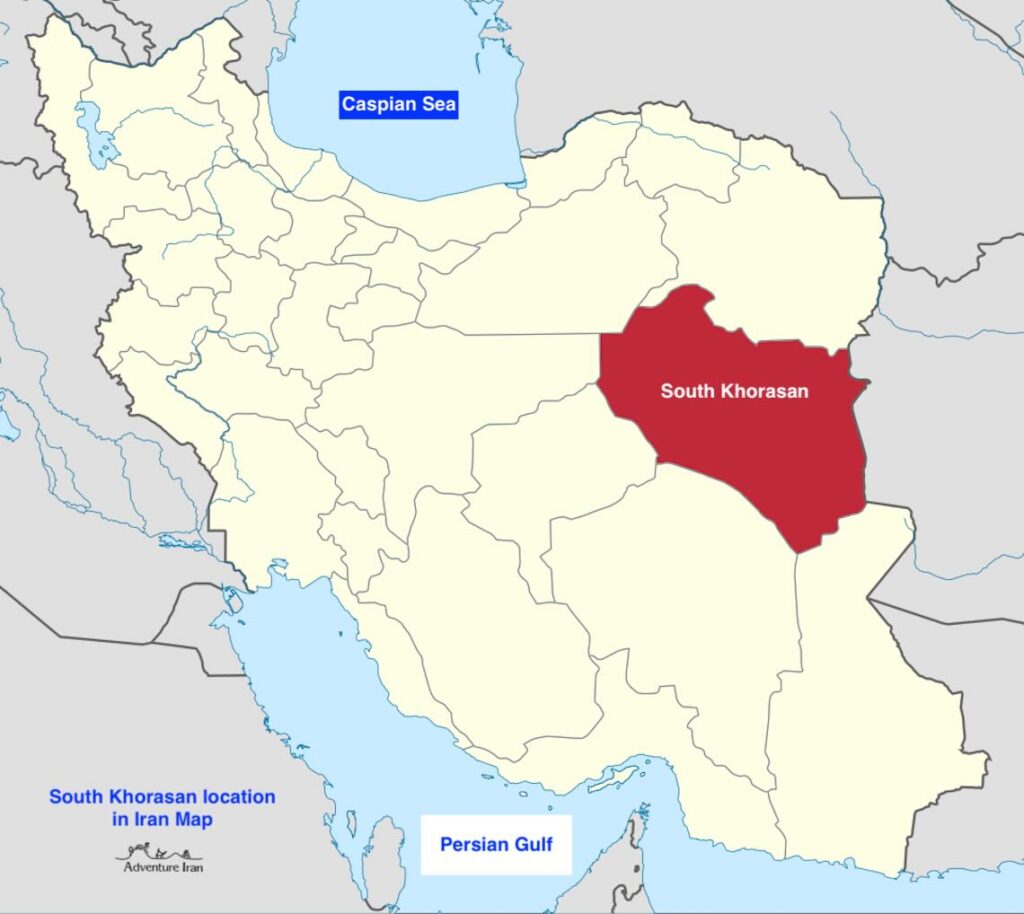
South Khorasan Province in Iran is a region where ancient history, vibrant cultural traditions, and a unique desert landscape come together. Often called the “Land of Gems” for its famous saffron and barberry (Zereshk), its identity was shaped as a historic crossroads and a refuge throughout the centuries. Known in the past as Qohestan, it was part of the larger historical region of Greater Khorasan. Some scholars believe the name Qohestan is an Arabicized form of “Kohestan,” meaning “mountainous area,” due to its terrain.
Today, South Khorasan remains one of Iran’s most authentic and less-visited provinces, offering travelers a rare opportunity to experience traditional lifestyles, dramatic landscapes, and architectural heritage far from mass tourism.
Geography and Landscape of South Khorasan
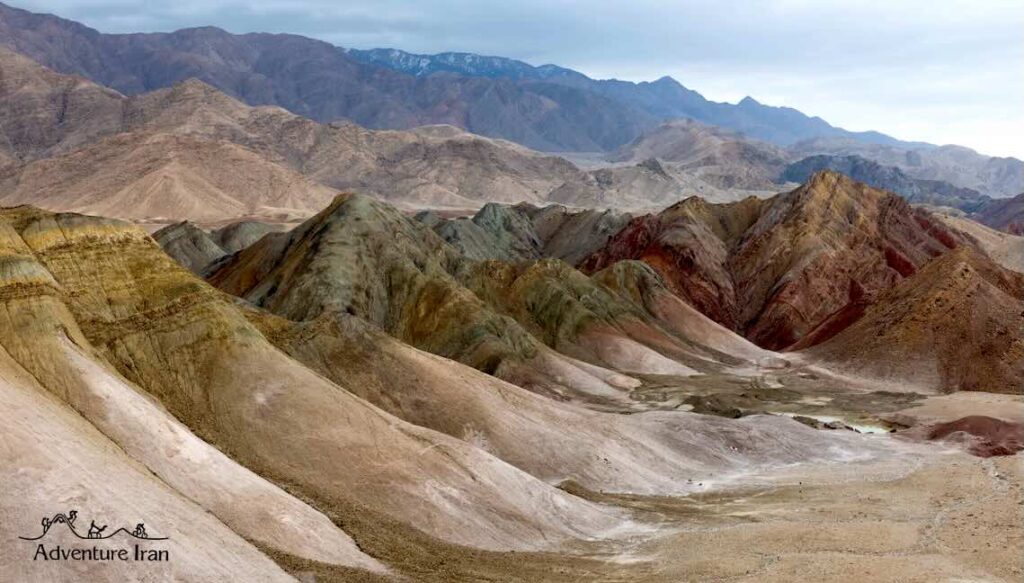
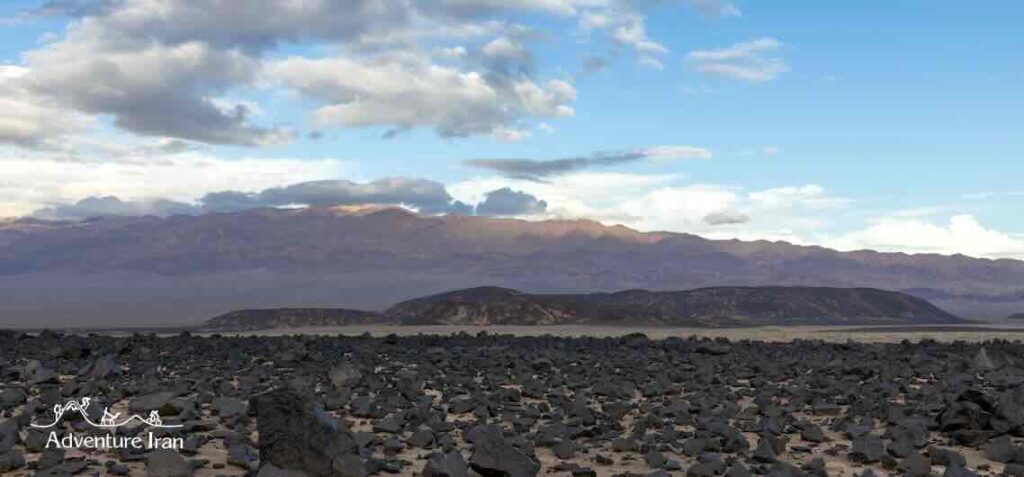
Located in eastern Iran along the border with Afghanistan, South Khorasan is characterized by vast desert plains, rugged mountains, oasis settlements, and wind-shaped rock formations. The climate is mostly arid and semi-arid, with hot summers and cold winters, yet life has flourished here for centuries thanks to qanat irrigation systems and resilient local communities.
The contrast between golden deserts, green saffron fields, mud-brick villages, and distant mountain ranges creates exceptional opportunities for landscape and documentary photography.
Music and Musical Heritage of Khorasan
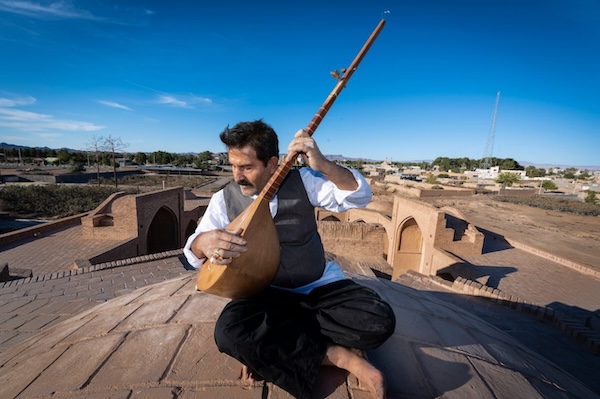
Alongside its landscape and cultural history, South Khorasan is part of Greater Khorasan one of Iran’s richest musical regions. In the north of this region traditional Khorasani music reflects the spiritual, historical, and everyday life of its people, with roots that stretch across eastern Iran and deep into local village and tribal traditions. While the broader Khorasan region is known for the Bakhshi maqami musical tradition — recognized by UNESCO as an intangible cultural heritage, featuring the long-necked dotār lute and epic vocal storytelling — the musical life of Khorasan has its own expressive character as well.
In cities like Birjand and surrounding rural areas, musicians and singers use local instruments, rhythmic patterns, and vocal forms during ceremonies, seasonal celebrations, and social gatherings, creating melodies that resonate with desert rhythms and lyrical poetry. This musical heritage — both intimate and ceremonial — offers a vivid soundscape that complements the region’s visual and cultural identity, making Khorasan not only a place to see but also to hear and feel.
Culture and People of South Khorasan
The major ethnic group in the region are the Persians, and they are now almost entirely Persian-speaking. Despite modernization, many rural areas preserve traditional lifestyles, local dialects, and agricultural practices.
South Khorasan is especially famous for:
-
Saffron cultivation – Iran produces the majority of the world’s saffron, and South Khorasan is one of its most important centers.
-
Barberry (Zereshk) – The province is the largest producer of this bright red fruit, widely used in Persian cuisine.
-
Carpet weaving and handicrafts – Particularly in rural villages where traditional designs are still produced.
Hospitality remains one of the strongest characteristics of the region. Travelers who venture into villages often experience genuine warmth and simplicity rarely found in more touristic parts of the country.
Birjand – The Provincial Capital of South Khorasan
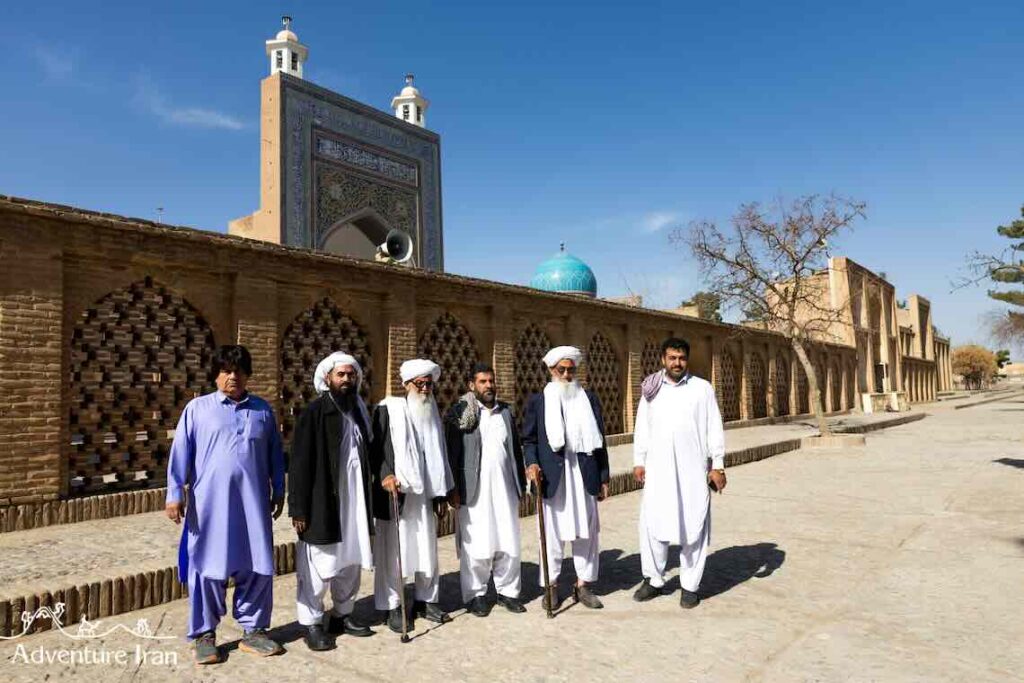
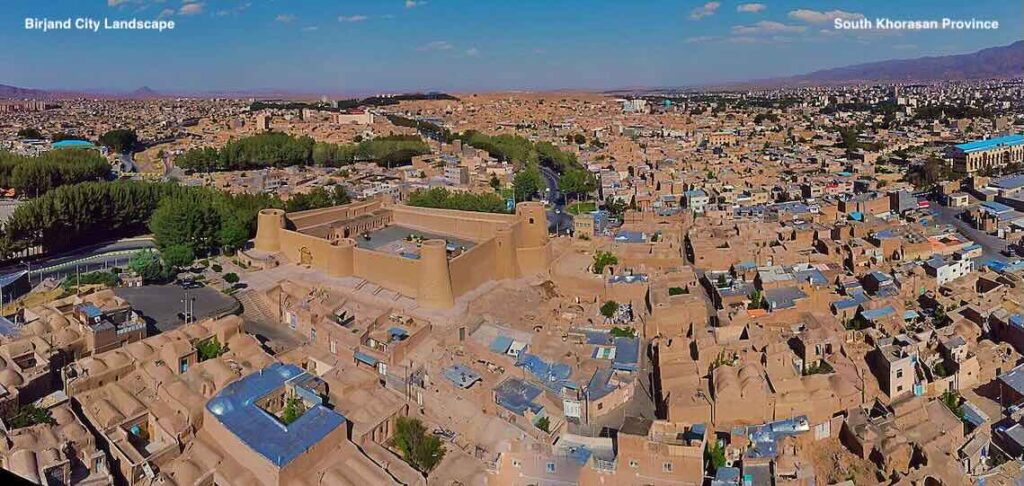
The capital city, Birjand, serves as the cultural and administrative heart of South Khorasan. Historically positioned along trade routes connecting central Iran to the east, Birjand flourished during the Safavid and Qajar periods.
Important landmarks include:
-
Akbarieh Garden – A UNESCO-listed Persian garden showcasing classic garden design principles adapted to desert conditions.
-
Birjand Castle – A mud-brick fortress reflecting the defensive architecture of eastern Iran.
-
Traditional caravanserais and old neighborhoods that reflect the city’s historic importance.
Birjand offers a quiet yet culturally rich stop for travelers exploring eastern Iran.
Tabas Geopark – Iran’s Geological Paradise
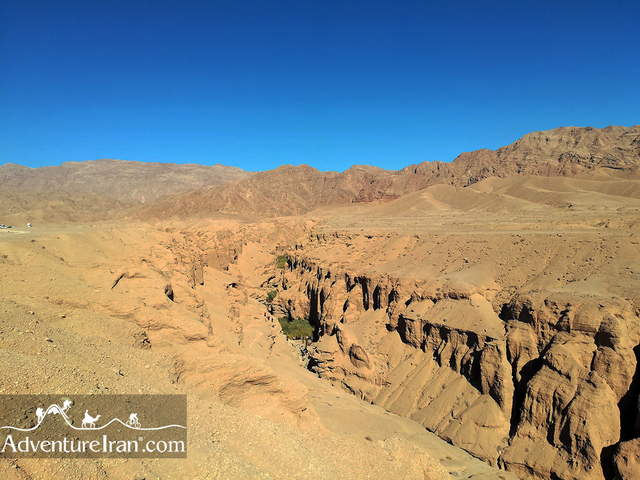
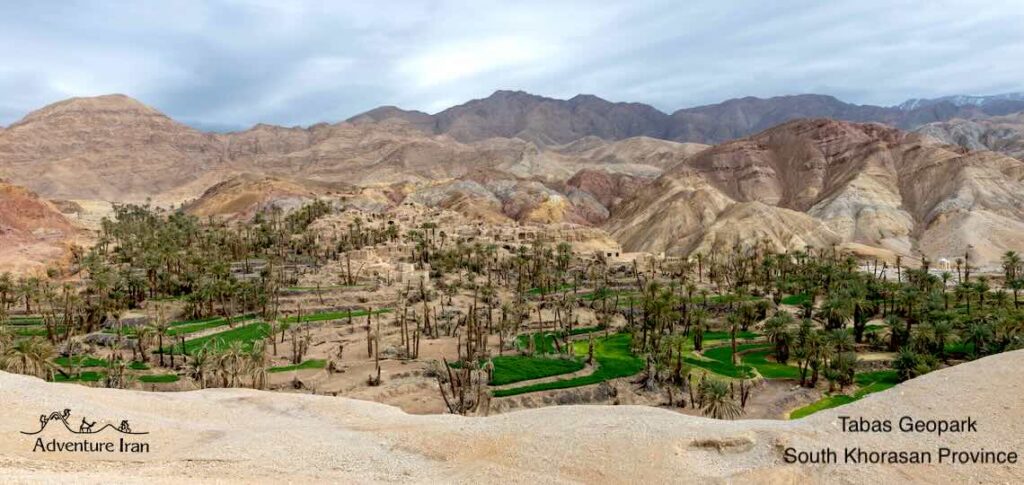
The Tabas Geopark is a UNESCO-recognized site in northwest South Khorasan, famously dubbed Iran’s “geological paradise” and “fossil museum.” It is a unique destination blending incredible earth science with rich cultural history.
Here, visitors can explore:
-
Dramatic rock formations shaped over millions of years
-
Fossil-bearing mountains
-
The stunning Kal Jeni Canyon with its mysterious rock-carved chambers
-
Morteza Ali Valley and Spring, where warm and cold water streams flow side by side
Tabas itself is also known for its historic gardens and desert charm, making it an ideal base for geological exploration.
Historic Villages and Desert Architecture
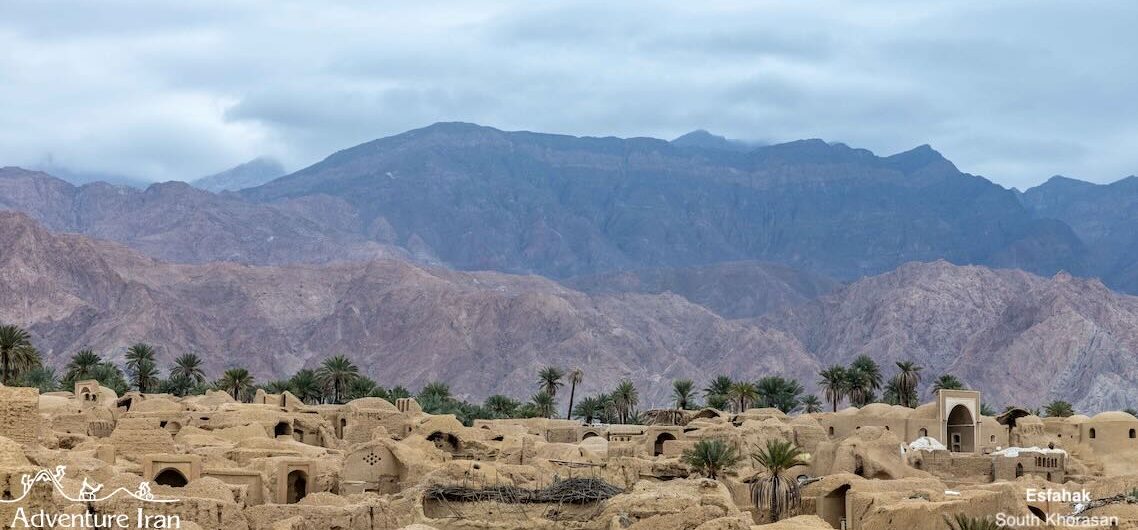
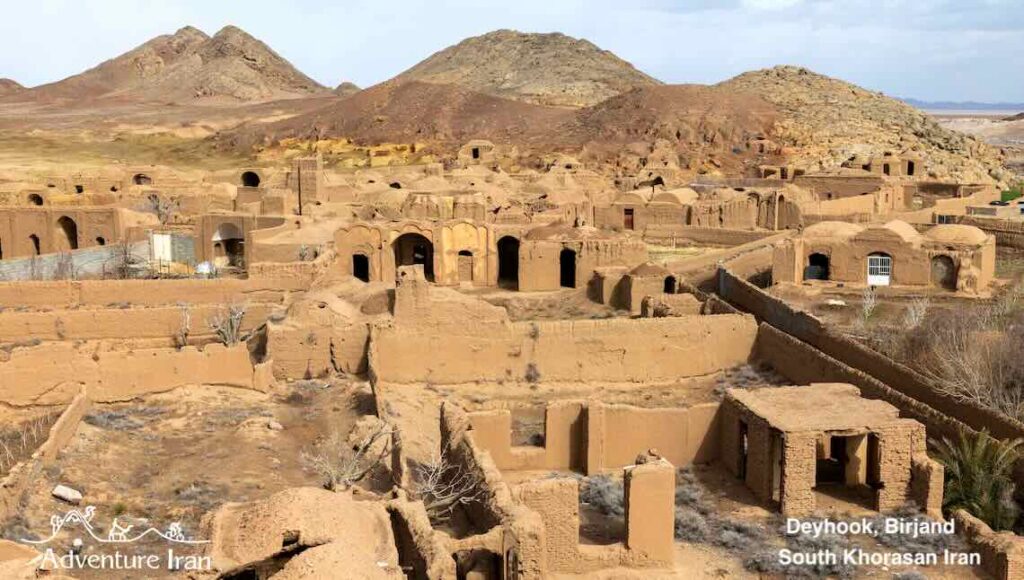
South Khorasan is dotted with remarkable mud-brick villages and fortresses that blend harmoniously with the desert environment. There are a few famous villages very impressive for specialist travellers who are interested tin architecture, photography and exploring off the beaten track areas.
- Deyhook Village – Gateway to the Desert Landscapes
Deyhook Village lies along the historic route between Tabas and Ferdows and serves as an important stop for travelers exploring the desert landscapes of South Khorasan. Surrounded by arid plains, date palm groves, and distant mountains, Deyhook preserves a strong rural identity shaped by agriculture and desert life. Local farmers cultivate dates, citrus fruits, and seasonal crops using traditional irrigation systems that sustain life in this harsh climate. The village also provides access to nearby desert attractions and geological formations, making it a strategic base for cultural exploration and desert adventures. Travelers who visit Deyhook experience a quieter, authentic side of eastern Iran, far from conventional tourist routes.
- Naiband – A Terraced Oasis on the Edge of the Lut Desert
Perched on a rocky hillside at the edge of the Lut Desert, Naiband Village stands among the most spectacular desert villages in Iran. Its mud-brick houses rise in stepped terraces along the slope, where one rooftop often forms the courtyard of the house above. Surrounded by palm groves and dramatic desert mountains, Naiband creates a striking contrast between lush oasis life and vast arid landscapes. Narrow alleys, traditional adobe architecture, and sweeping panoramic views make the village a dream destination for photographers and adventurous travelers. Those who reach Naiband discover one of the most remote, visually impressive, and culturally authentic settlements in eastern Iran.
- Esfahak Village – A Desert Revival Story
One of the most inspiring destinations in South Khorasan is Esfahak Village, located near Tabas. After the devastating 1978 earthquake destroyed much of the original settlement, residents decided not to abandon their heritage. Instead, they restored the old mud-brick houses using traditional architectural techniques and transformed the village into a model of sustainable desert tourism. Today, visitors walk through narrow adobe alleys, stay in beautifully restored eco-lodges, and experience authentic desert life surrounded by palm groves and mountain backdrops. Esfahak combines history, resilience, and community-driven preservation, making it one of the most unique rural destinations in eastern Iran.
These villages offer photographers and cultural travelers authentic scenes of rural Iranian life.
Minerals and Mining in South Khorasan
In addition to its cultural and natural attractions, South Khorasan is also becoming one of Iran’s most important mineral-rich provinces. Beneath its desert plains lie vast deposits of valuable resources, making the region a rising mining heartland in the country. Nehbandan County is particularly noteworthy for its extraordinary diversity of minerals — hosting more than 20 different types, including lithium and a major gold deposit at the Hird mine with multimillion-ton reserves. The province’s Tabas district is known as the coal capital of Iran, with the largest coal reserves in the country and well over 100 identified mineral types. Together, these mines contribute significantly to local employment, regional trade, and the national economy, while authorities are increasingly focusing on developing value-added processing industries to ensure long-term benefits for South Khorasan’s communities.
Why Visit South Khorasan?
For adventurous travelers seeking off-the-beaten-track experiences, South Khorasan offers:
-
Untouched desert landscapes
-
Unique geological formations
-
Authentic village life
-
Agricultural traditions centered on saffron and barberry
-
Deep historical roots connected to Greater Khorasan
Unlike more famous Iranian destinations such as Isfahan or Shiraz, South Khorasan provides quiet exploration, raw natural beauty, and meaningful human encounters.
For documentary photographers and cultural travelers, it is a region where light, texture, and tradition create powerful storytelling opportunities.
Comments