
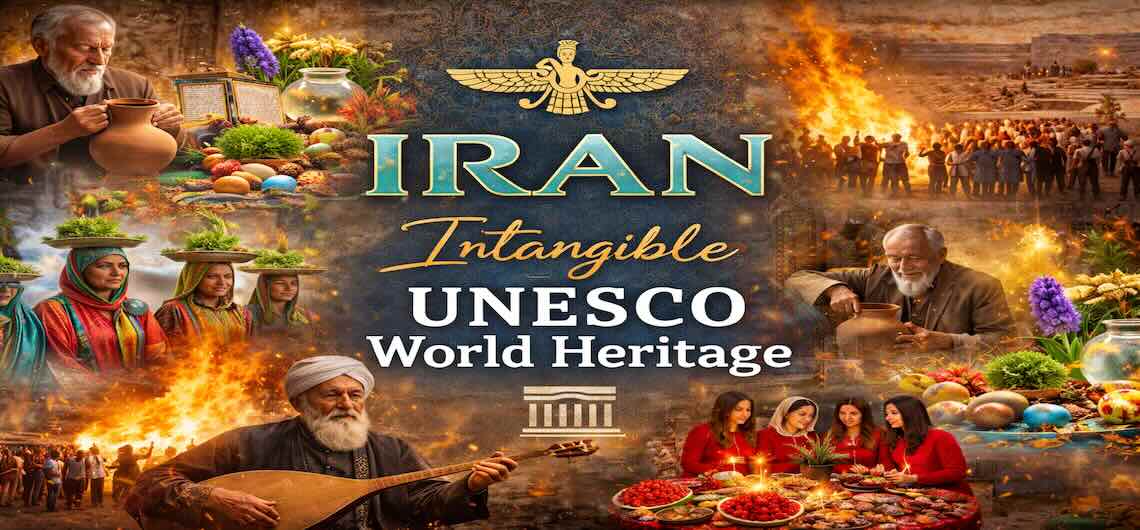
Iran’s Intangible UNESCO World Heritage | Traditions, Festivals & Music
Discover the Living Traditions of Iranian Culture
Iran holds a remarkable position on the global stage of cultural heritage. It ranks among the top countries in the world for the number of intangible cultural practices recognized by UNESCO. These traditions reveal deep roots, local creativity, and community identity that continue to thrive across the country.
What Is Intangible Cultural Heritage?
Intangible cultural heritage includes traditions, expressions, rituals, music, skills, and knowledge that communities pass down through generations. These elements show how people live, celebrate, create, perform, and connect with their history and environment. UNESCO’s Representative List of the Intangible Cultural Heritage of Humanity highlights practices that hold universal value and deserve global recognition.
Iran on the UNESCO Intangible Heritage List
Iran now counts more than 27 intangible elements inscribed on the UNESCO list, placing the country among the world’s leaders in recognized cultural traditions. UNESCO added several Iranian elements in recent years, showing both ancient roots and living cultural practices.
Major Iranian Intangible Heritages
- Nowruz – The Persian New Year
Nowruz means “New Day” and marks the beginning of spring. People across Iran celebrate with symbolic rituals, family gatherings, and community feasts that represent renewal, hope, and harmony. UNESCO recognizes this tradition as shared across many countries, celebrating the values of peace and friendship.
- Sadeh Festival
Sadeh celebrates fire and light in mid-winter. Communities hold bonfires, recite poetry, and gather in joyful ceremonies that honor strength and warmth during the coldest days. UNESCO inscribed the Sadeh festival, showing its ancient roots and shared meaning across cultures.
Music, Stories, and Performance
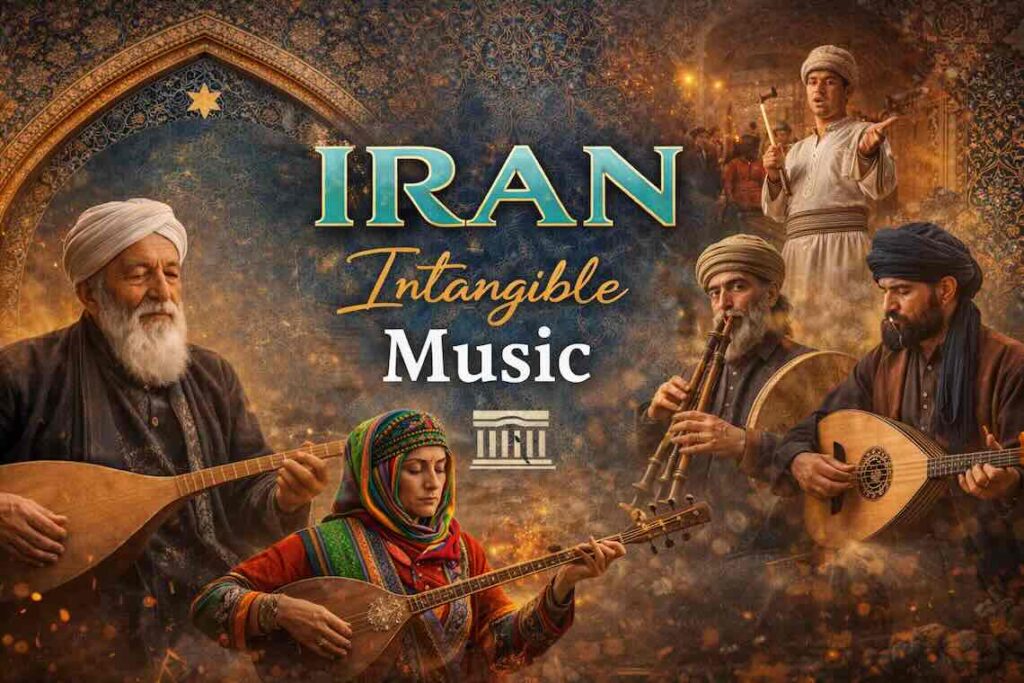
Iran registered several musical and storytelling traditions on the UNESCO list, including:
-
Music of the Bakhshis of Khorasan, blending epic narrative, melody, and cultural memory
-
Radif of Iranian music, the foundation of Persian classical music
-
Other traditional music practices such as Oud and Rubab playing
These gestures show how performance, rhythm, and oral literature carry culture forward across generations.
Cultural Rituals and Practices
UNESCO also lists many social traditions and rituals from Iran:
-
Iftar and its socio-cultural traditions during Ramadan
-
Tazhib, the sophisticated art of illumination and manuscript decoration
-
Ceremony of Mehregan, a celebration of friendship and gratitude
-
Yalda Night, the winter solstice celebration of light and renewal
Each practice reflects community values, seasonal cycles, and shared history woven into daily life.
Why These Traditions Matter
These intangible elements show Iran’s cultural diversity, human creativity, and shared heritage. They help people:
-
Preserve ancient knowledge
-
Maintain community bonds
-
Pass skills and rituals from elders to youth
-
Strengthen cultural identity in a globalized world
Recognition on UNESCO’s list encourages communities to celebrate and protect these traditions for future generations.
Experience Intangible Heritage in Iran
Travelers who explore Iran get more than a visual experience. Visitors can:
-
Attend seasonal festivals
-
Listen to local music and storytelling
-
Observe artisans practicing age-old skills
-
Participate in community rituals
These encounters make travel meaningful and connect visitors directly with living culture.
Comments