
Cultural Heritage Under Fire
A Report on Damage to Iran’s Historical Sites
Introduction
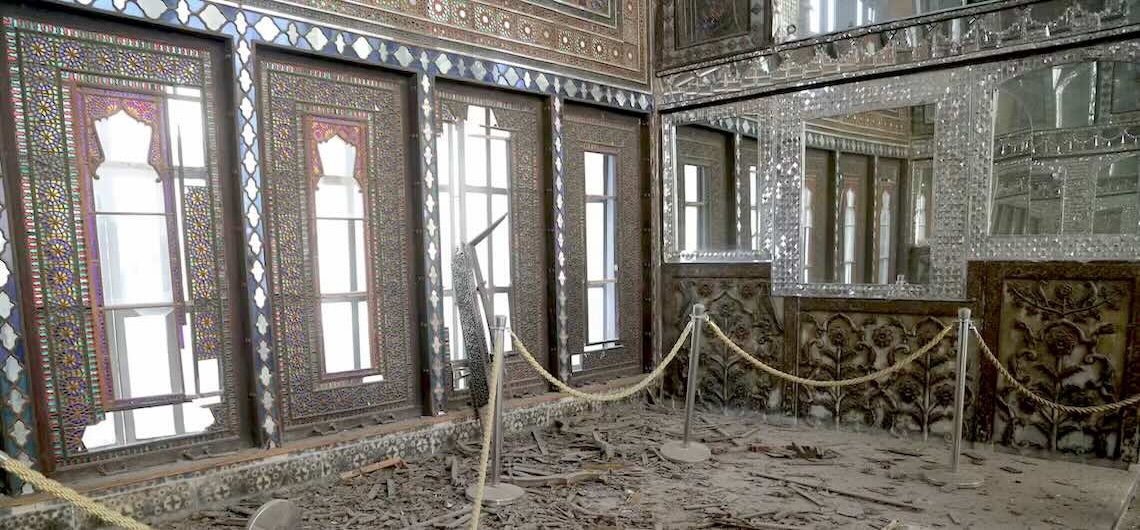
Iran’s rich tapestry of history—woven over millennia—has suffered a heavy blow. According to official reports from Iran’s Ministry of Cultural Heritage and the National Commission for UNESCO, more than 120 historical and cultural sites have been damaged in the course of recent military actions involving the United States and Israel. The destruction spans several provinces, affecting not only world‑famous UNESCO‑listed monuments but also museums, universities, and countless smaller heritage gems that told the story of Persian civilization.
This article provides a summary of the confirmed damages, based on statements from Iranian cultural authorities and international observers. We present this information with the hope of raising awareness about the vulnerability of cultural heritage in conflict zones and the urgent need for its protection.
UNESCO World Heritage Sites Damaged
Iran is home to 29 UNESCO World Heritage Sites. Several of these have sustained significant damage:
-
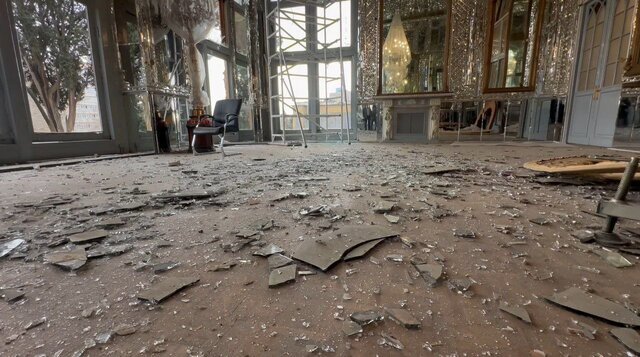
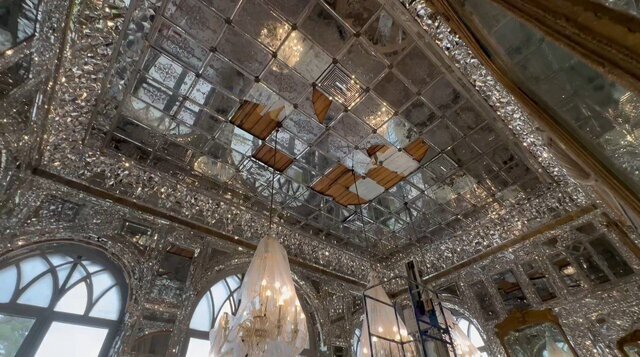
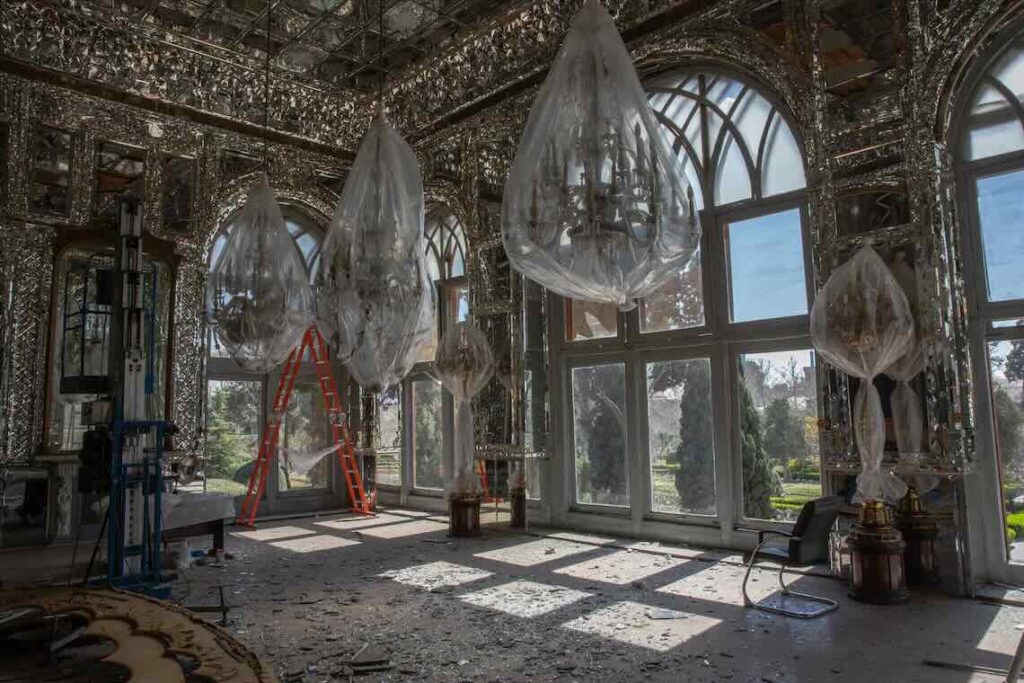
Golestan Palace (Tehran) – Severely damaged. The mirror hall was shattered; restoration is expected to take up to 15 years.
-
Chehel Sotoun Palace (Isfahan) – Damaged. The Safavid‑era palace suffered structural harm.
-
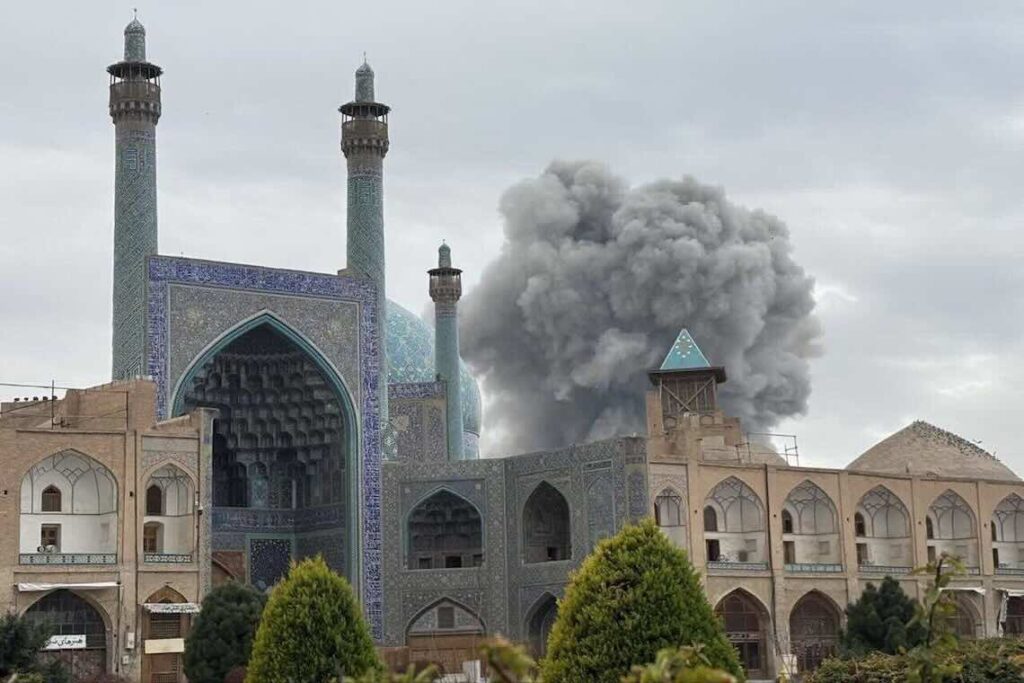
Naqsh-e Jahan Square (Isfahan) – Damaged. Parts of the square and its surrounding monuments, including the Imam Mosque and Sheikh Lotfollah Mosque, were affected.
-
Fin Garden (Kashan) – Damaged. The historic Persian garden sustained damage to its pavilions and water features.
Other Important Historic Buildings
Beyond the UNESCO list, dozens of nationally registered monuments have also been affected:
-
Tehran: Sa’dabad Complex, Marble Palace, Tehran Citadel, Sepahsalar Mosque, the former Senate Building.
-
Isfahan: Aali Qapu Palace, the Abbasid Grand Mosque, Ashraf Hall, Museum of Decorative Arts.
-
Kermanshah: Takyeh Beyglarbeygi, Dowlatshahi Mosque.
-
Sanandaj: Asef Vaziri Mansion, Governor’s Palace.
-
Other Provinces: Historic urban areas of Qom, Tabriz, Shiraz, and Lorestan have also suffered damage.
Museums and Universities
Cultural infrastructure beyond monuments has also been affected:
-
Museums: 48 museums across the country have been damaged, with collections and exhibition spaces impacted.
-
Universities: At least 149 higher education institutions have sustained damage, including Isfahan University of Technology and Iran University of Science and Technology in Tehran.
Timeline of the Damage
As assessments have continued, the number of confirmed damaged sites has risen steadily:
-
March 14, 2026: 56 sites confirmed damaged.
-
March 24, 2026: 114 sites.
-
March 29, 2026: 120 sites.
-
March 31, 2026: Over 131 sites.
International Legal Framework
Iran has formally submitted documentation of the damages to UNESCO, citing violations of the 1954 Hague Convention for the Protection of Cultural Property in the Event of Armed Conflict. Under international law, cultural heritage enjoys special protection during wartime. Deliberate attacks on such sites may constitute war crimes.
The Road Ahead
The reconstruction of these irreplaceable sites will require decades of work and substantial international cooperation. For now, the priority is to secure the damaged structures and prevent further loss.
At Adventure Iran, we believe that cultural heritage belongs to all of humanity. Its preservation is not merely a national concern but a global responsibility. We will continue to share updates on restoration efforts and invite travelers who wish to support these sites by visiting them responsibly once they are safe.
Comments