
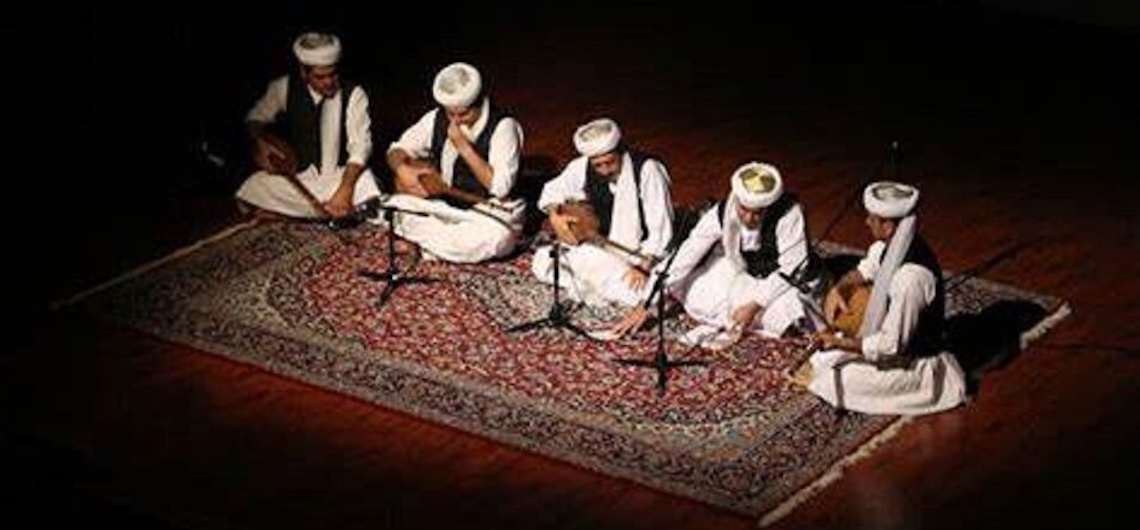
Music of the Bakhshis of Khorasan
A Living Epic Tradition of Eastern Iran
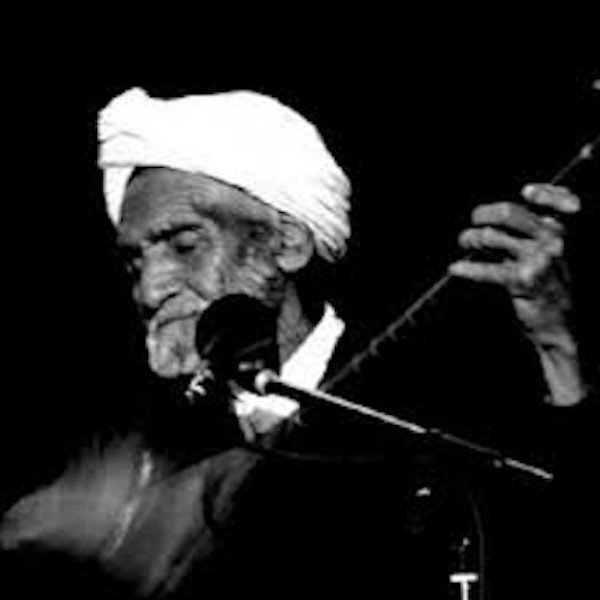
The Music of the Bakhshis of Khorasan is one of Iran’s most powerful and ancient oral traditions. Rooted in the historical region of Greater Khorasan in northeastern and eastern Iran, this musical heritage represents a unique combination of storytelling, poetry, spirituality, and instrumental mastery.
It was inscribed in 2010 on the Representative List of the Intangible Cultural Heritage of Humanity of UNESCO, recognizing its cultural significance and the urgent need to preserve this rare tradition.
For travelers interested in authentic cultural experiences in eastern Iran, discovering the music of the Bakhshis offers insight into the soul of Khorasan.
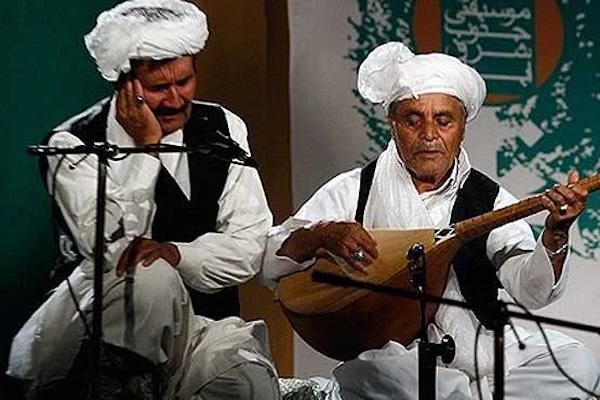
Who Are the Bakhshis?
The Bakhshis are traditional musician-storytellers who perform epic narratives, historical legends, mystical poetry, and moral tales through music. They are not simply performers — they are guardians of memory, culture, and oral history.
Traditionally, a Bakhshi learns through apprenticeship, often from a master musician, spending years mastering both music and storytelling. Their performances can last several hours, sometimes even through the night, especially during ceremonies, weddings, and cultural gatherings.
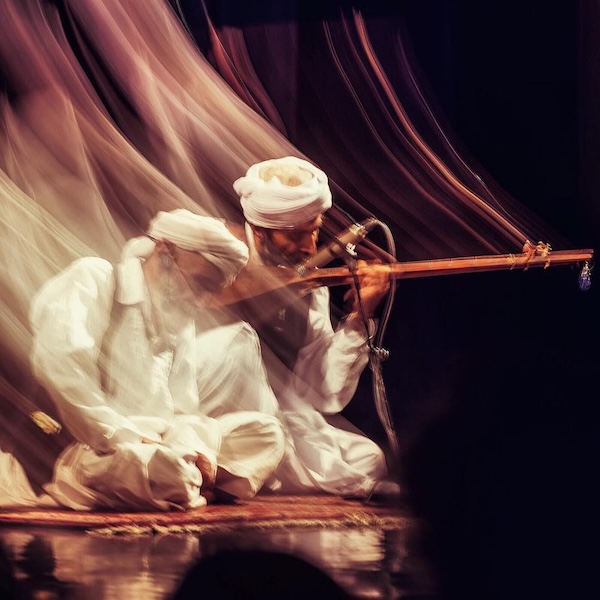
The Dotar: The Heart of Khorasani Music
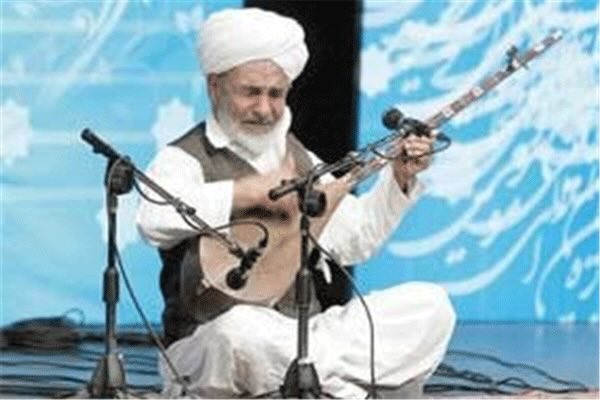
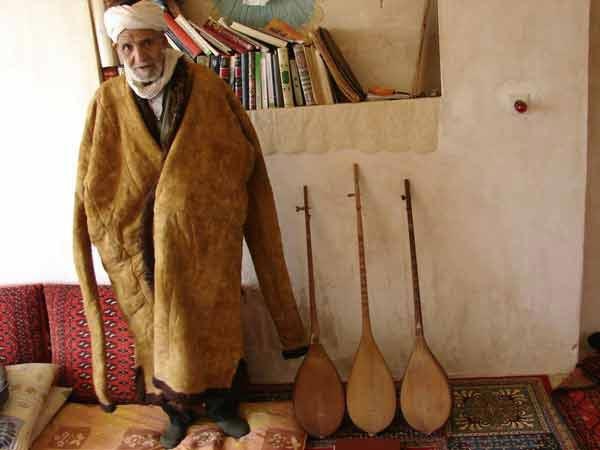
The main instrument of the Bakhshis is the dotar, a long-necked two-stringed lute that produces a warm, expressive sound. Though simple in appearance, the dotar allows for complex melodic structures and emotional depth.
Each region of Khorasan has developed slightly different playing techniques and styles. In northern and eastern Khorasan, the sound of the dotar carries themes of heroism, spirituality, love, and hardship — reflecting the landscape and life of the people.
The instrument is not merely musical; it is symbolic. For many Bakhshis, the dotar is considered a spiritual companion.
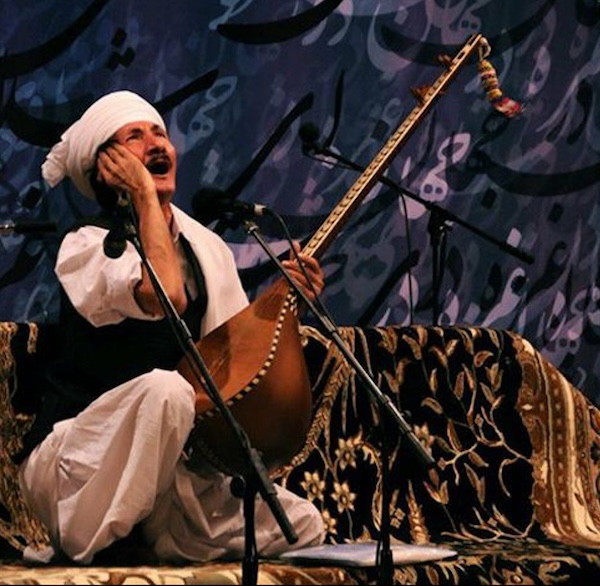
Cultural and Spiritual Significance
The music of the Bakhshis blends pre-Islamic epic traditions, Persian poetry, and Sufi mysticism. Performances often recount:
-
Epic love stories
-
Heroic battles
-
Spiritual journeys
-
Historical legends
-
Moral teachings
These performances preserve dialects, local expressions, and cultural identity that might otherwise disappear in modern times.
In rural villages of Khorasan, Bakhshis are deeply respected figures. Their art connects generations and reinforces shared values.
UNESCO Recognition
In 2010, the UNESCO inscribed the Music of the Bakhshis of Khorasan on the Representative List of the Intangible Cultural Heritage of Humanity.
This recognition highlights:
-
The cultural importance of the tradition
-
The vulnerability of oral heritage in modern society
-
The need for safeguarding programs and transmission to younger generations
UNESCO’s recognition has helped increase awareness and preservation efforts, but the tradition still depends on local communities and dedicated musicians to survive.
Where to Experience Bakhshi Music
Although modernization has changed many aspects of life in Khorasan, Bakhshi music can still be experienced in:
-
Rural villages in North and South Khorasan
-
Cultural festivals in eastern Iran
-
Private ceremonies and traditional gatherings
-
Local cultural centers and heritage events
For cultural travelers exploring eastern Iran, especially provinces like South Khorasan and Razavi Khorasan, attending a live performance can be a rare and unforgettable experience.
Why This Tradition Matters
The Music of the Bakhshis of Khorasan is more than performance — it is living memory. In an era of rapid globalization, such traditions represent continuity, identity, and resilience.
For documentary photographers, cultural travelers, and those seeking deeper encounters with Iran beyond famous cities, Khorasani music reveals a powerful and authentic dimension of Iranian heritage.
Listening to a Bakhshi under the desert night sky, accompanied only by the sound of the dotar, is an experience that connects landscape, poetry, and human spirit in one timeless moment.
Haj Ghorban Soleimani – Master of the Dotar
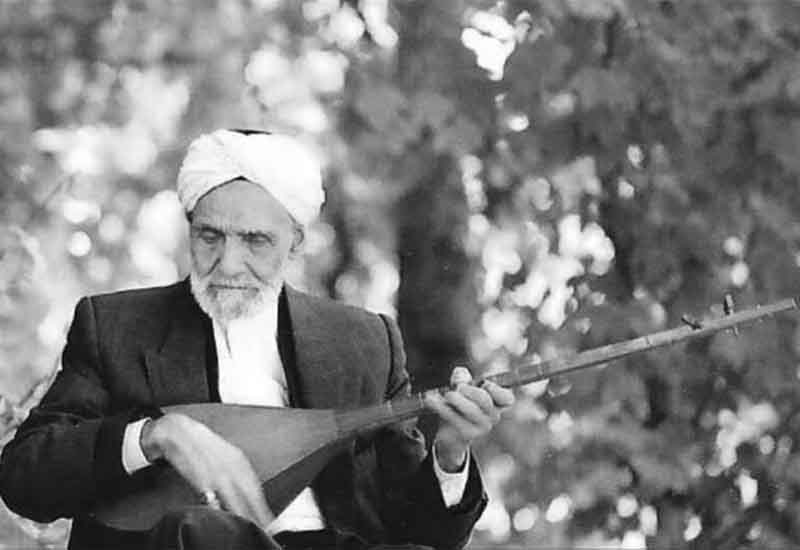
Among the most respected figures of Khorasani music stands Haj Ghorban Soleimani, a legendary Bakhshi and master dotar player from North Khorasan. He dedicated his life to preserving and performing the epic musical traditions of Greater Khorasan, combining powerful storytelling with exceptional instrumental skill. Through decades of performance, he carried ancient narratives, spiritual poetry, and regional folklore to national and international audiences. His expressive dotar playing, strong vocal style, and deep knowledge of maqami traditions earned him recognition as one of the most influential Bakhshis of modern times. Haj Ghorban Soleimani not only performed music — he safeguarded a cultural heritage and inspired a new generation of musicians to continue the Khorasani tradition.
Comments